What it is
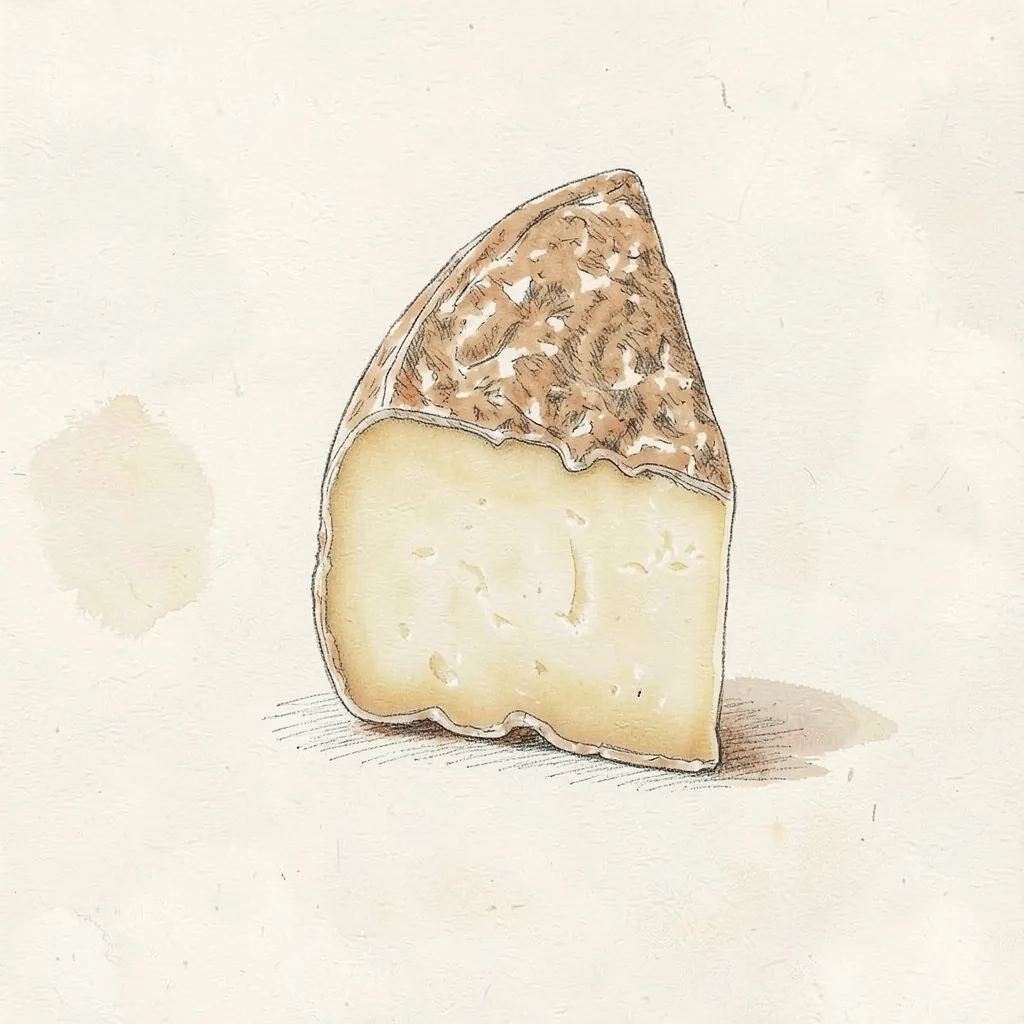
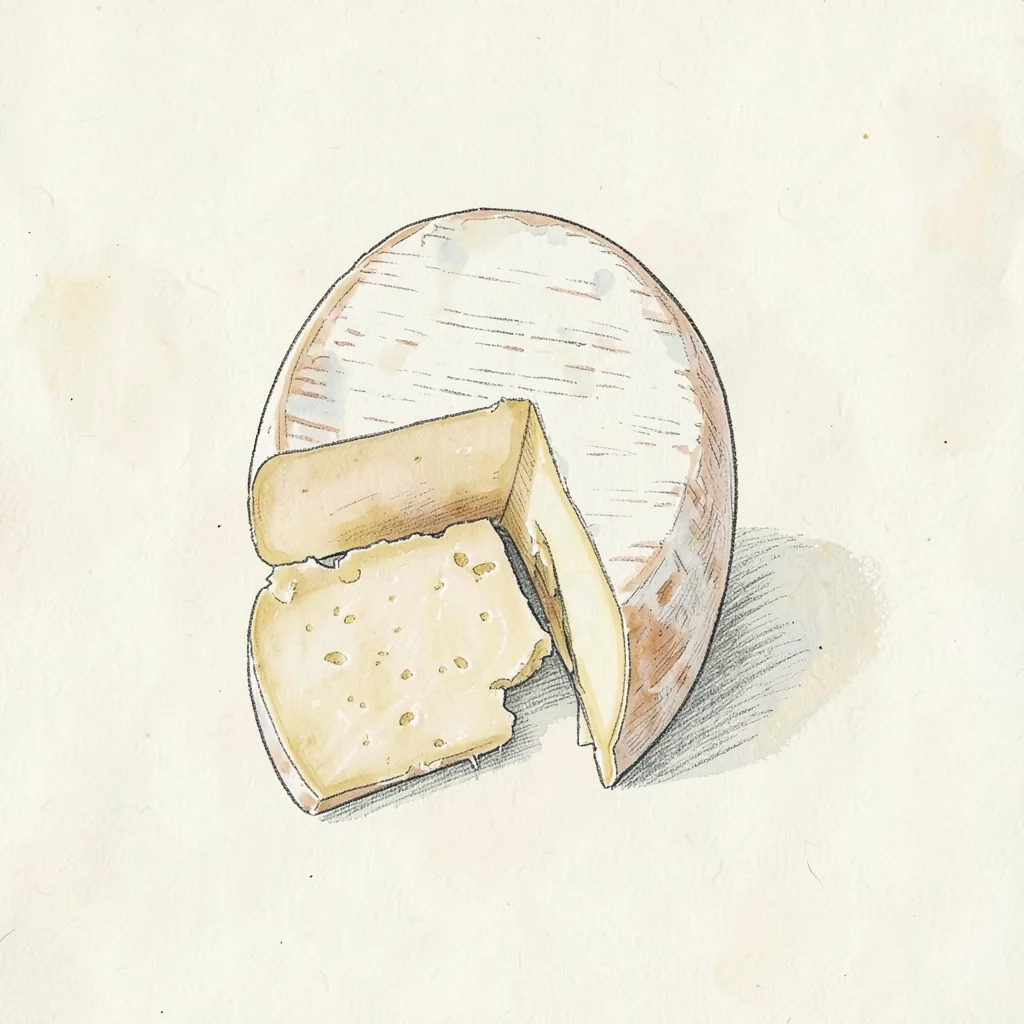
The name covers rustic rounds with a natural rind, a pale interior, and a mild to nutty flavor that depends on age and the maker. Most are firm enough to slice, and some grow harder and more savory as they mature. Italy is the home of the style, and dairies use the word for this kind of cheese. It is a table cheese and a cooking cheese, not a fresh spread.
A young toma tastes milky, gentle, and slightly sweet, with a supple paste that bends before it breaks. An older wheel is drier, nuttier, and better for grating or for a long melt in a hot dish. The rind is natural and a bit rough, not a white bloomy coat or a sticky washed rind. Because many cheeses share the name, the label matters more than the word alone. Look at the maker and the age if you want a mild slice or a firmer piece.
History
The word toma belongs to a long Italian habit of naming a local pressed cheese after the style rather than after a single recipe. It sits close to the French idea of tomme, a humble wheel made to keep milk in a form that could travel and age. Dairies shaped curds into rounds, salted them, and let a natural rind form in cool rooms. No one aroma or one town defines every cheese that carries the name. What repeats is the pressed paste, the rind, and the mild base flavor.
Over time, particular tomas gained their own local names, while the plain word stayed as the umbrella. Some wheels are eaten young and tender, and others are aged until the flavor turns toward broth and nuts. The style remained a farm and dairy cheese rather than a processed loaf. Shoppers outside Italy often meet toma as a rustic board cheese beside firmer Italian wheels. The history is a pattern of making, not a single origin story with one founder.
How it is made
Milk is warmed, cultured, and set, then the curd is cut and stirred so it can drain. The curds go into molds and are pressed until a coherent wheel forms, with enough moisture left for a semi-hard paste. Salt is added on the surface or in the curd, and the wheels then rest while a natural rind develops. Makers turn them and keep the outside clean. There is no blue piercing and no bath of wine or brine as the main path.
Aging is part of the style, but the length is a choice, not one rule for every toma. A short rest keeps the paste supple and the taste quiet and milky. A longer rest dries the wheel, deepens the savory notes, and makes the rind firmer under the hand. Makers brush or wipe the outside so the rind stays sound without becoming a sticky washed coat. The interior stays even in color, usually pale cream to straw, and the result is a straightforward pressed cheese.
Taste
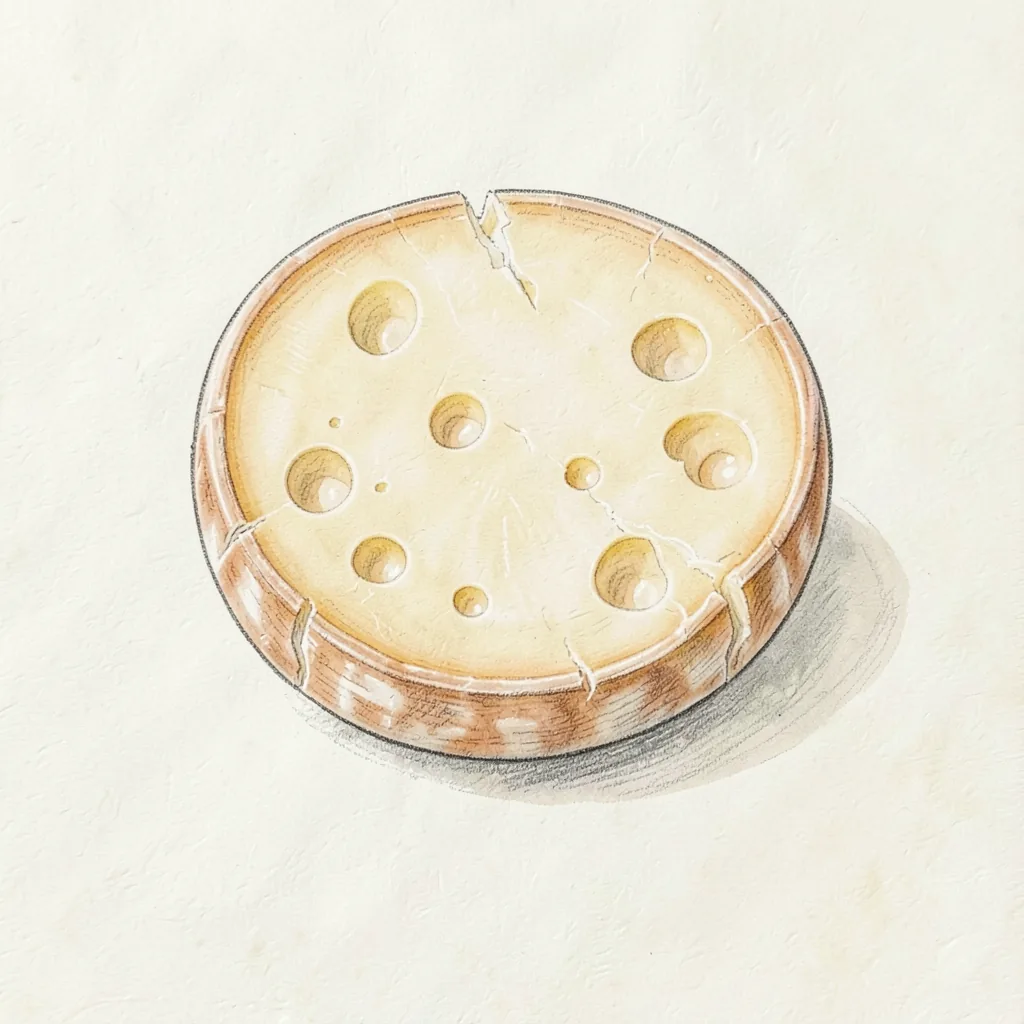
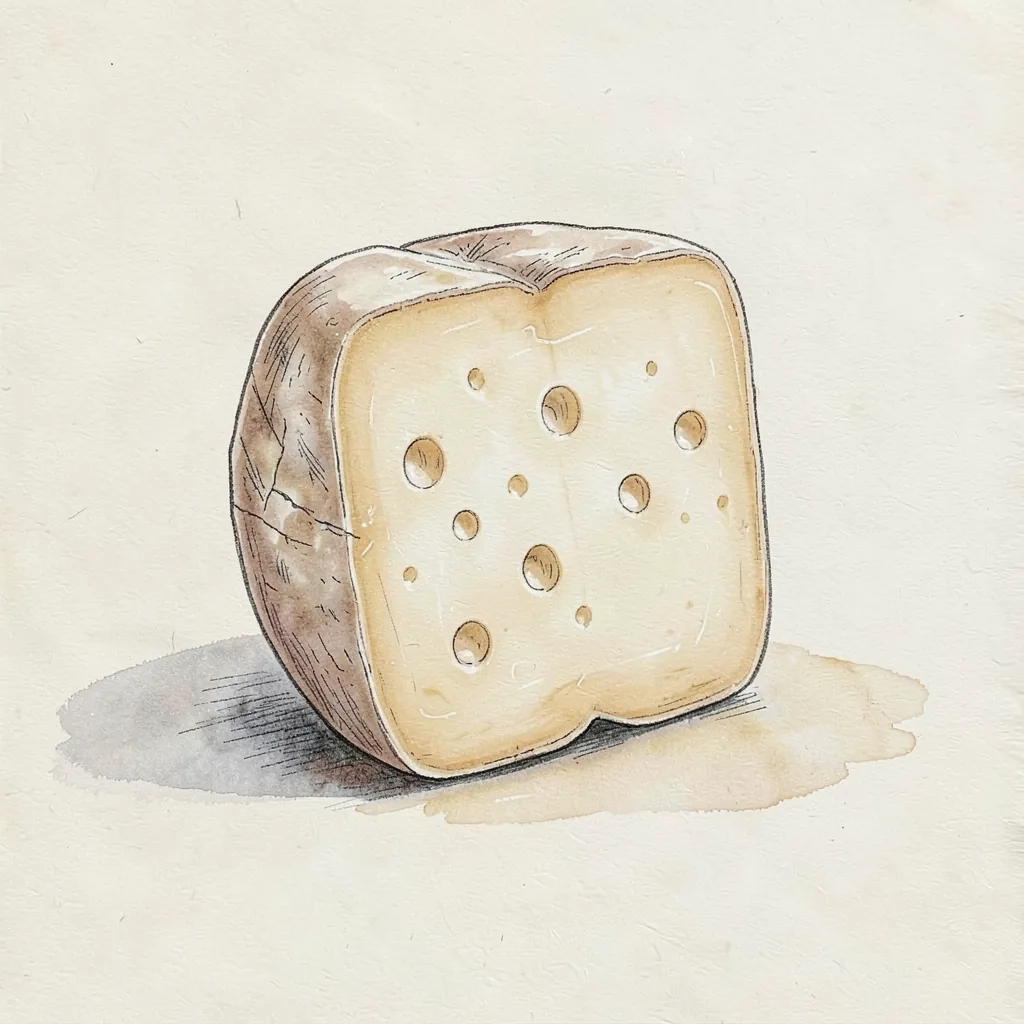
Expect a mild dairy sweetness first, then a light savory note, and sometimes a hint of warm milk or fresh butter. Salt is present but usually moderate, and the paste feels smooth and flexible when the wheel is young. Small openings show in some pieces, and a tighter body shows in others. The rind can taste earthier than the center, so many people trim it or use only a little. Nothing in a typical toma should burn the tongue or taste of blue mold.
Age moves the flavor from gentle to nutty, and a firmer wheel can show a pleasant crystalline bite. The chew turns drier, and a deeper broth-like savor replaces the first sweet milk note. If the cheese smells of ammonia or the paste is slimy, it has been kept badly, and that is not the style. Compare two tomas before you decide you know the taste, because the name is broad. A younger dairy wheel and an older rustic wheel can share a rind and still eat differently.
In the kitchen
Slice a young toma for bread, fruit, or a simple board with other quiet cheeses. Cube it into salads when you want a mild cheese that will not flood the dish with salt. Older, drier pieces grate over soup, vegetables, or pasta, and they also melt in a sandwich or a bake. Heat it gently for an even melt, because a very moist wheel can turn oily if you blast it. It is less sharp than a long-aged grating cheese, so taste before you salt the pan.
Toma fits food that needs a dairy note without a strong rind smell. Pair it with potatoes, polenta, mushrooms, or a plain green salad, and let the cheese stay in a supporting role. On a board, set it next to something bolder if you want contrast, since the cheese itself will not dominate. Wrap the cut face so the paste does not dry and crack. Serve it less cold so the mild aroma shows, and do not treat it as a blue or a pungent washed rind.
Around the world
Outside Italy, toma is easy to confuse with French tomme, and the two names are cousins in language and in the dairy. Tomme de Savoie is a specific French wheel, while toma on an Italian label points back to Italy. Shops that carry alpine and northern Italian cheeses are the likely place to find it. A generic toma may sit beside fontina, asiago, or other firm slicing cheeses. Read the country on the label so you do not buy a French tomme when you wanted the Italian style.
When a recipe says toma and you cannot find it, a semi-hard tomme-style wheel is the fair substitute. Tomme de Savoie gives a natural rind, a mild paste, and a similar kitchen role. Fontina melts readily and stays gentle, which helps in hot dishes that need a smooth dairy note. Asiago can cover the firmer, nuttier end if the toma you needed was well aged. None of these is a promise that every toma tastes the same, so match the substitute to the age the dish expects.