Sheep
What it is
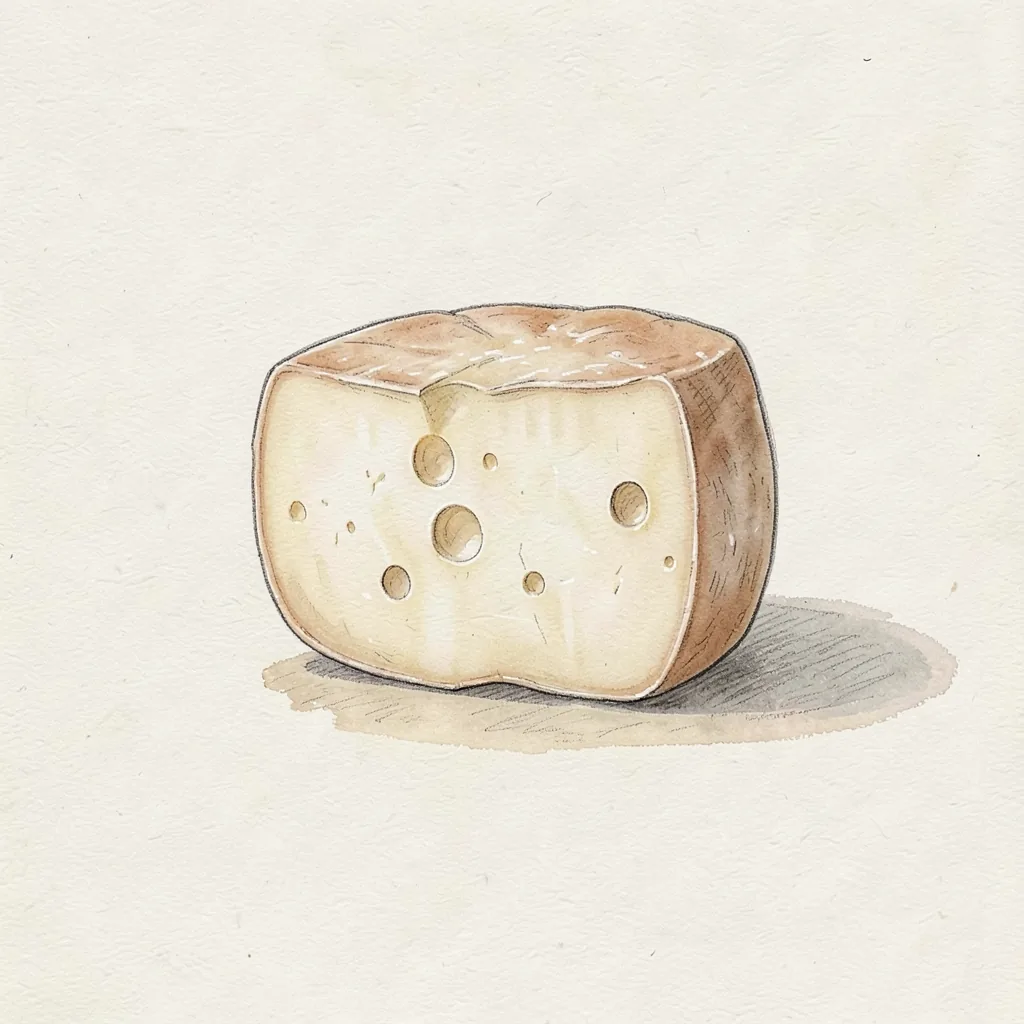
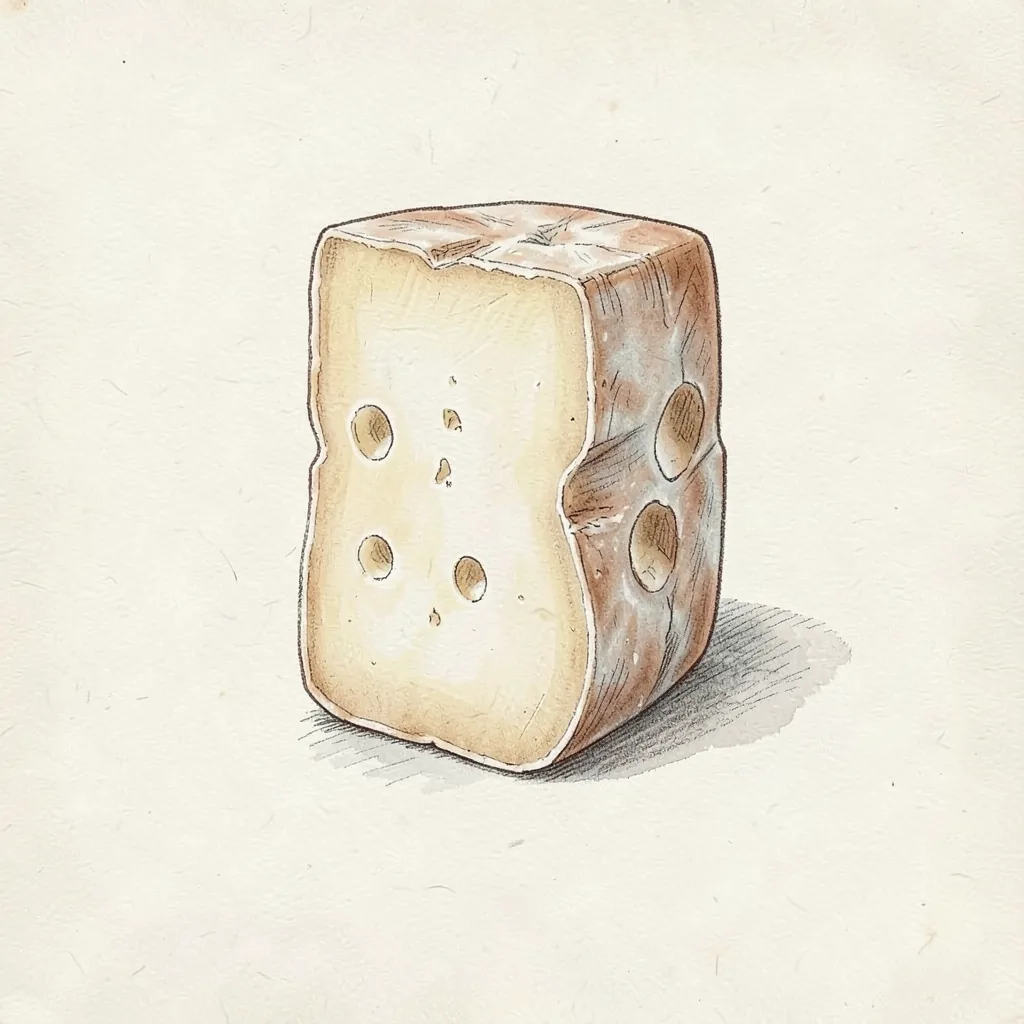
It is one of the traditional cheeses of that inland region, made as a round with a yellowish paste. The body can be semi-soft or semi-hard, depending on how far the wheel has aged. A natural rind runs from straw color toward a deeper yellow or a light reddish tone. Cardoon, a vegetable rennet, sets the milk, which gives the cheese its soft tang.
A younger wheel is supple, full, and only gently spicy. An older wheel, sometimes sold as the aged form, is firmer, more aromatic, and sharper on the tongue. Both are sheep's milk cheeses from the same region, and they are not interchangeable in every recipe. The younger paste can be cut in thick slices for the table, while the older paste is better in small pieces or grated over warm food. The smell is pronounced even when the taste is still mild.
History
Beira Baixa has long kept sheep on open pasture, and Castelo Branco cheese grew from that milk. Small dairies set the milk with cardoon thistle, the vegetable coagulant used for several Portuguese sheep cheeses. The round carries the name of the cheese, and the make stayed tied to those inland pastures rather than to the coast. Other cheeses from the same hills use a different mix of milk or a different rennet. This wheel is the sheep's milk one set with cardoon.
The cheese stayed a farmhouse and small-dairy food, shaped by hand and cured in cool, humid rooms. Makers learned to sell both a younger, softer round and an older, spicier one. The older cheese is sometimes labeled as the aged Castelo Branco, and no single house owns the name. What matters is sheep's milk, cardoon rennet, and the Beira Baixa pastures. Shops in Portugal still treat it as a regional table cheese rather than as a national melting brand.
How it is made
Castelo Branco cheese is made from sheep's milk. The milk is warmed and set with rennet from the cardoon flower, not with a standard calf rennet. The curd is cut, drained, and filled into molds that give a low round. Salt goes on the cheese or into the curd, and the wheels are pressed enough to hold their shape without becoming a dry grating block. The paste is closed, with few holes, and the color leans yellow.
Aging decides whether the wheel stays semi-soft or firms toward semi-hard. The rooms are cool and damp, and the rind is kept clean so a thin natural coat can form. A shorter cure leaves a malleable, yellowish interior and a milder taste. A longer cure, the aged form, deepens the color, dries the paste a little, and brings a spicy edge. The milk is sheep's milk in both cases, and vegetable rennet is the link to other thistle-set sheep cheeses.
Taste
The taste is full, slightly tangy, and clean, with a sheep's milk richness that is not as sweet as a very fresh curd. Younger cheese is buttery on the tongue and only lightly spicy. Older cheese turns more aromatic, saltier in impression, and clearly piquant. The smell is pronounced, grassy, and a little sharp, and it fills the room when a wedge is cut. The paste color is yellow rather than bright white.
Texture moves with age. A young interior can be supple and almost spreadable at room temperature, while an older interior slices more cleanly and may crumble at the edge. The rind is thin and natural, straw to reddish, and most people trim it or leave it to taste. There is no blue mold and no washed sticky coat. If the cheese smells harshly of ammonia, it has been kept too warm, while a good piece smells strong but still milky.
In the kitchen
Serve younger Castelo Branco in thick slices with bread, olives, and a firm pear. It also softens gently in a baked dish or over roasted vegetables, though it will not stretch. The older, spicier wheel is better grated or shaved onto soup, eggs, or warm greens, where the tang seasons the plate. Use a light hand with salt, because the cheese already carries enough. Let a cold wedge sit out before serving so the paste can soften.
Pair it with foods that can take a sheep's milk tang, such as quince paste, walnuts, and plain white bread. Strong chili will cover the slight bitter note that cardoon sometimes leaves at the finish. Do not confuse this wheel with a fresh whey cheese from the same region, which is mild and spoonable in a different way. Wrap the cut face. The rind can dry out, and the aroma will move into other foods in the same box.
Around the world
Castelo Branco cheese is best known in Portugal, and outside the country it appears in shops that carry Iberian sheep cheeses. Buyers sometimes file it with Spanish thistle-set cheeses because the cardoon rennet and the sheep's milk feel familiar. The Beira Baixa name on the label is the useful clue. A wedge should look yellow inside, not chalk white. If the label does not say sheep's milk, it may be a different cheese from the same hills.
Serra da Estrela is the famous Portuguese cousin, another sheep's milk round set with cardoon, often softer and more spoonable when young. Queijo de Azeitão is smaller and also thistle-set, with a sheep's milk tang in a different shape. Torta del Casar, from Spain, is the spoonable cheese people buy when they want that cardoon character and cannot find a Portuguese wheel. None of those is a Beira Baixa Castelo Branco. For cooking, a firm sheep cheese will stand in, with its own level of spice.