Cow
What it is
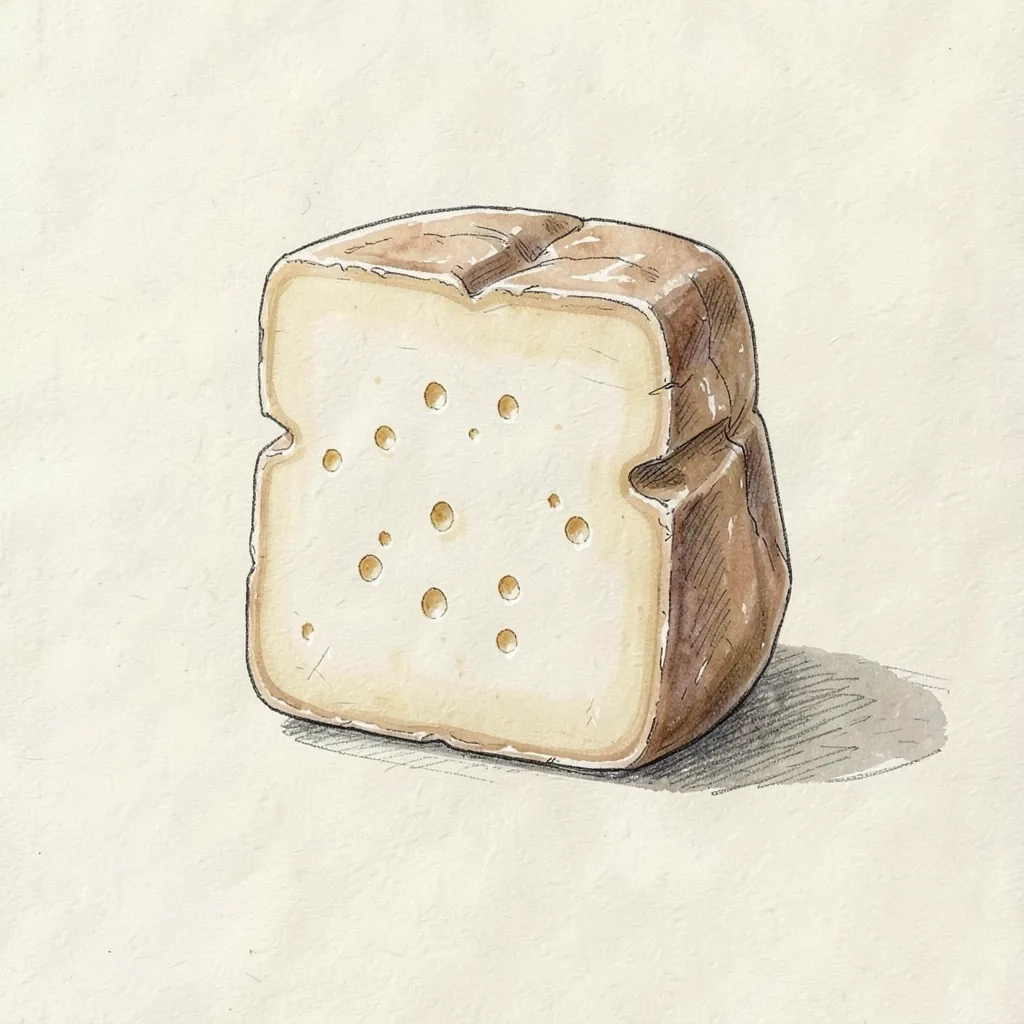
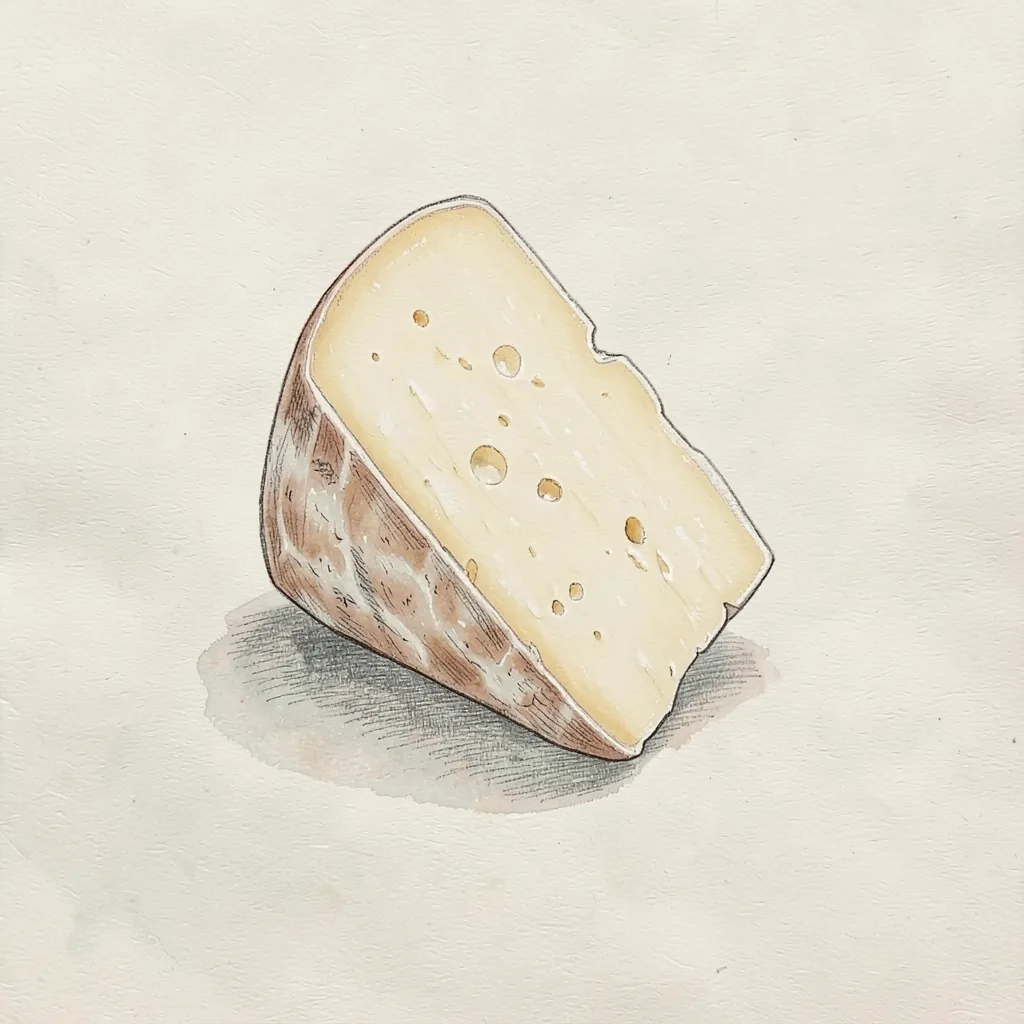
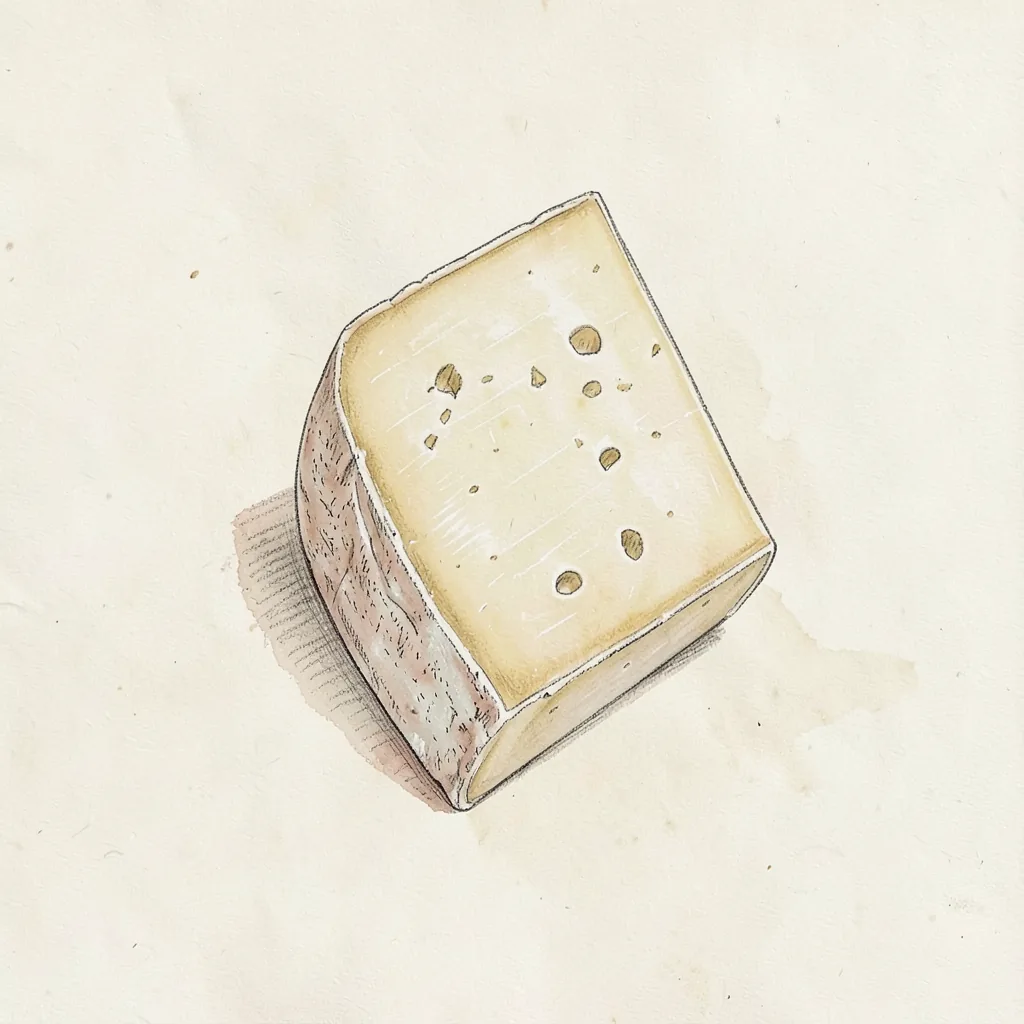
It is also called Toma Brusca, a local name that points to acidity. The milk is left to acidify before the curd is made, and that step gives the cheese its bright, tangy side. The paste is pale, dry, and crumbly, under a thick natural rind. It can look a little like Castelmagno at a glance, and it is still its own cheese.
The rind is gray and rustic, sometimes marked with yellow mold, and most people leave it off the plate. Under it, the paste is pale and firm enough to slice or to break into crumbs. Flavor stays mild and lactic, with butter and a clean residual tang. Near the rind the texture can be softer, because the cheese ripens from the outside inward. With more age it grows harder and drier, and the crumbly character remains.
History
Castelrosso belongs with the traditional pressed cheeses of Piedmont, even though the public record does not hang the name on one maker or one village. Toma is the broad word in this part of Italy for a wheel of this kind, and Toma Brusca marks the sour-milk path used here. The acidified milk is the historical clue that matters. It explains the tang, and it explains the second name. The cheese is less famous than some neighbors, but the method is a regional custom rather than a new factory idea.
Writers place it next to Castelmagno because the rustic rind and the crumbly paste can look similar. The comparison is about appearance and region, not about one shared recipe. Castelrosso keeps a milder lactic taste, with butter and a gentle tang. Piedmont is the region and Italy is the country, and cellar rest is part of how the wheels settle. Buy it for the tangy crumble, not for a charter or a legend.
How it is made
Whole cow's milk is pasteurised, then allowed to acidify before rennet goes in. That early souring is the step behind the name Toma Brusca, which refers to an acid cheese. Curd is salted and made into wheels with a natural rind. The paste is not spun, not brined as a fresh cheese, and not pierced for blue. Aging dries the interior into a semi-hard cheese that still breaks in crumbs, and the rind thickens and turns gray.
Ripening moves from the outside inward, so a wheel can be softer near the rind and drier at the center. More time makes the cheese harder without turning it into dust. Makers use rennet, salt, and cultures, and they leave the natural rind in place. Accounts mention cellar aging but do not agree on one schedule, so trust the look of the paste. A good piece is pale and crumbly, and the rind stays a shell rather than the part you eat.
Taste
The taste is mild, buttery, and clean, with a lactic tang that can feel slightly tart. Earth and hay show in the aroma more than any strong washed-rind funk. Salt is present and not harsh, and it frames the milk. The crumbly paste feels dry at first, then softens on the tongue. It is not sweet and not a blue, though people who like a gentle acidic crumble will recognize the Piedmont style.
A younger wheel is brighter and a bit softer near the rind. An older wheel is drier and more clearly crumbly, while the flavor stays in the same line. Yellow mold on the rind is a surface sign, not a vein through the paste. If the smell is fresh dairy and hay, the cheese is in its usual range. It should not smell like ammonia, and the pleasure is the clean tang and the butter.
In the kitchen
Break or slice it for a board, and pair it with chestnut honey, grape mostarda, or plain bread. The tang meets sweet condiments well, which is a Piedmont habit. Crumble it over warm vegetables or into a salad when you want salty notes without a melting puddle. Older, drier pieces can be grated over pasta or soup in a light shower. Do not expect long strings, because heat only softens the crumbs and a little goes a long way.
Leave the thick rind aside, and use the paste, which is the part that earns a place in the dish. The cheese is a weak grilled slab, because it is dry and crumbly rather than elastic. A board is the first job, and cooking is the second, and it is good on bread without ceremony. If a recipe calls for Castelmagno and you have Castelrosso, expect a milder tangy crumble, not a perfect match. Let cow's milk richness and acidity guide the amount.
Around the world
Outside Italy, Castelrosso is a specialist name, and many counters will never stock it. Shops that carry Piedmont cheeses may place it beside toma, Raschera, or Castelmagno. The alternate name Toma Brusca sometimes appears on a label and means the same cheese. Travelers in Piedmont are most likely to see it as a local wheel rather than as an import. Notes describe pasteurised cow's milk, a gray rind, and a pale crumbly paste, and that look is the test when a label is unclear.
On an international board it plays a rustic Italian role, not a blue role and not a fresh role. It can stand where a tangy semi-hard cheese is wanted, including next to honey or a sharp condiment. Castelmagno is the cheese people confuse with it because of looks and region. A young toma or Asiago can fill in for a sliceable cow's milk cheese with some bite. None of those copies the acidified-milk tang exactly, so say the name clearly.