Cow
What it is
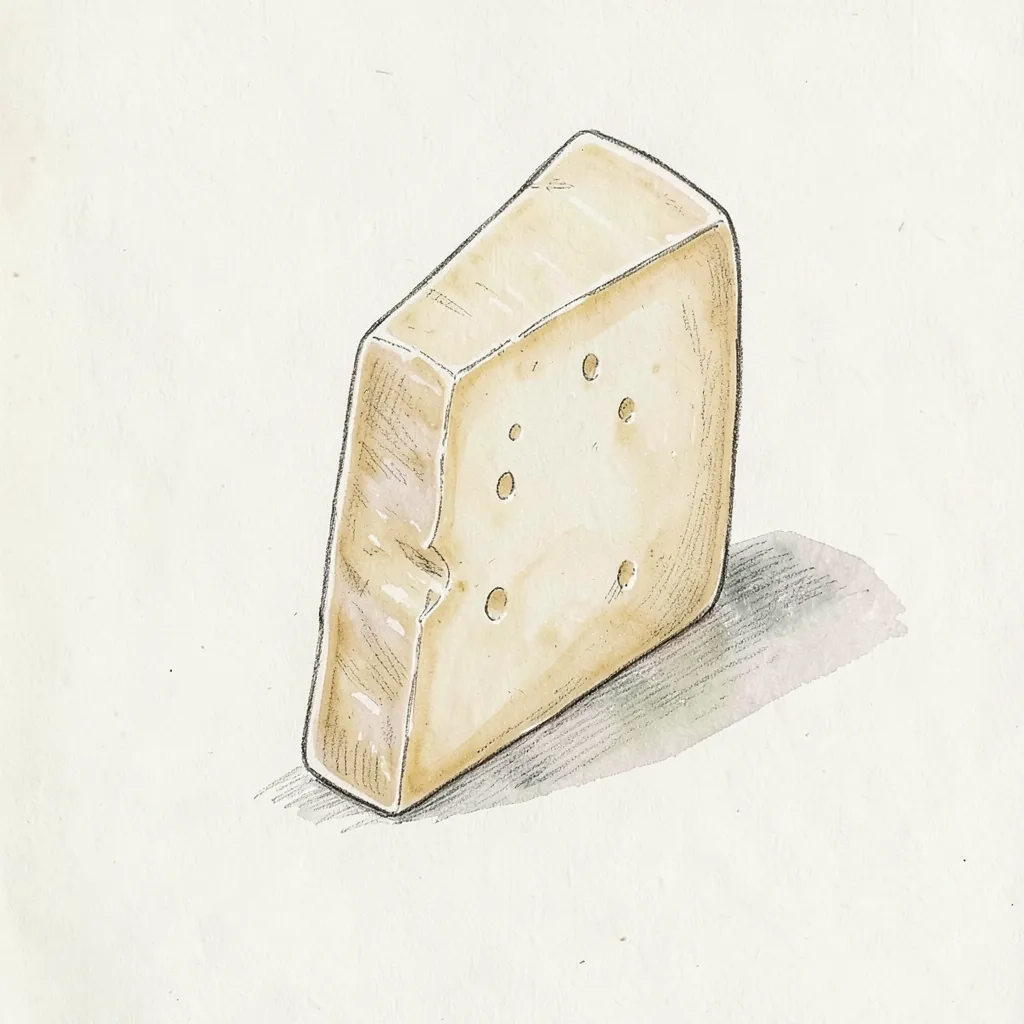
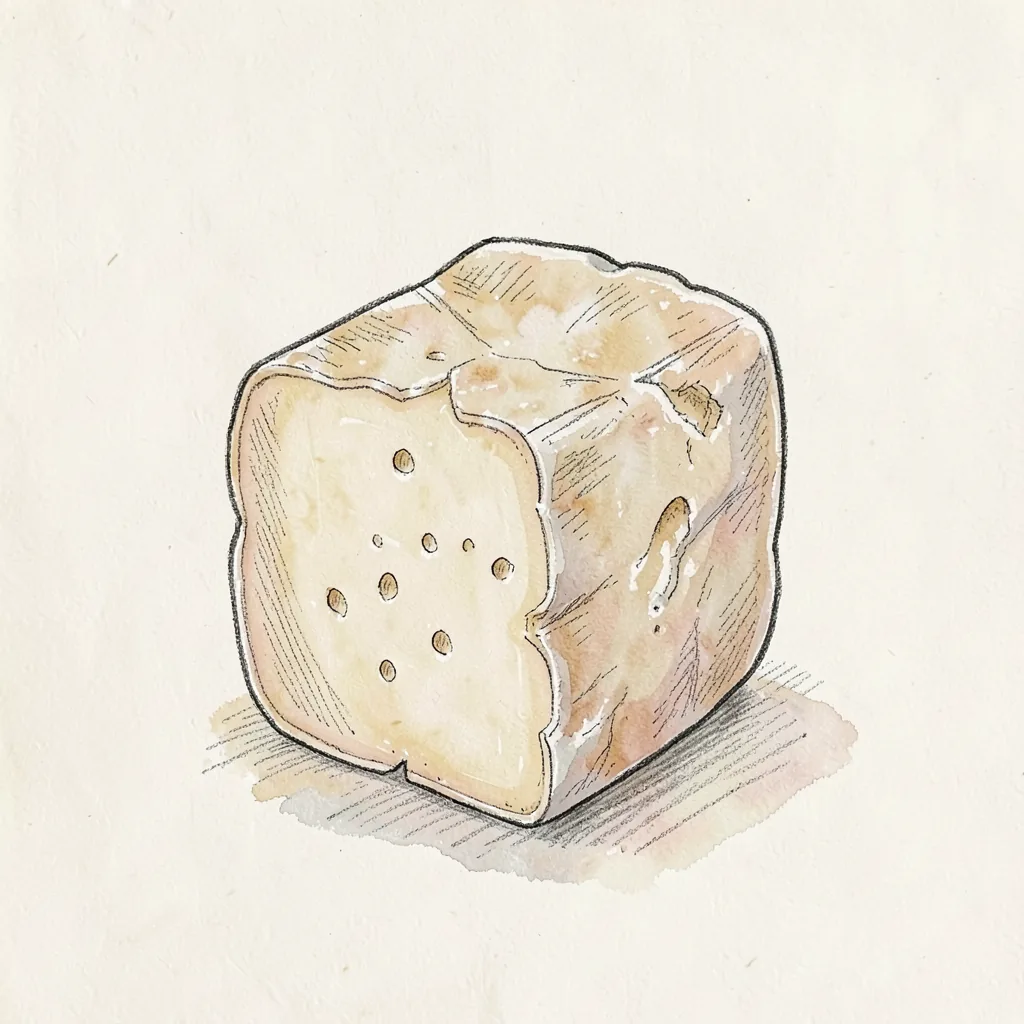
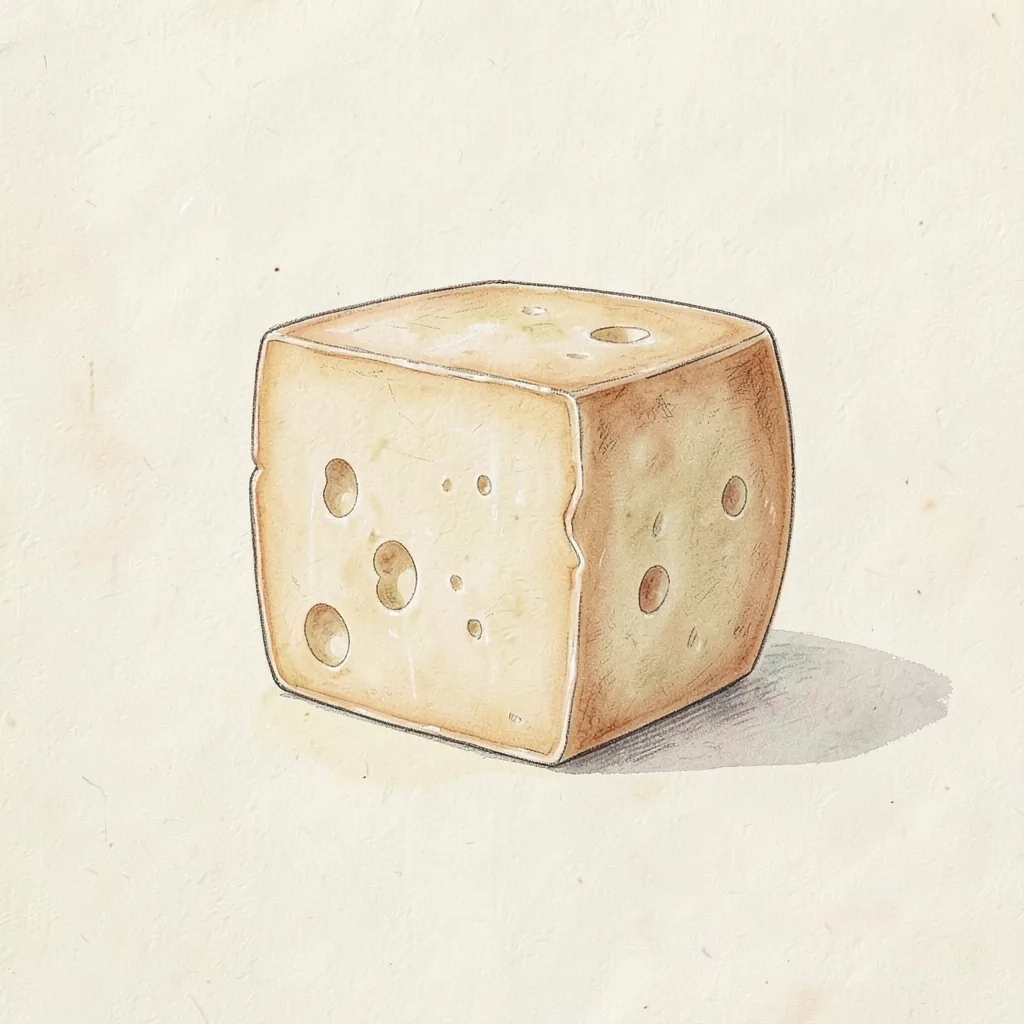
It is sold as a firm block, usually without a rind, in a range of ages from mild to very mature. The paste is dense and smooth, and the color is often a warm yellow. It is meant for everyday cooking and for the table, not as a single farmhouse wheel. The name belongs to the brand, so flavor follows the pack you buy.
Shoppers meet the brand mostly as a wrapped supermarket block, not as a clothbound truckle. A mild block melts smoothly and tastes gentle. A longer-aged block is sharper, drier, and better on a board or a grater. The two are the same brand, but they are not the same cheese in a recipe. Read the maturity line on the pack before you cook.
History
Cheddar in Britain shifted from farmhouse cloth wheels toward large dairy blocks, and this brand followed that shift. Wrapped blocks let shops sell a steady mild or mature taste under one name. The brand is not a place name you can visit on a map of one county. It is sold across the United Kingdom as an everyday cheddar. Maturity words on the pack became the way buyers tell one block from another.
Block cheddar of this kind is made in large creameries, then cut and packed for a long shop life. The brand became familiar through wide grocery distribution rather than through one farm gate. Different lines now cover mild, mature, and extra mature tastes, plus stronger vintage-style blocks. Those lines changed with shopper demand, not with a new cheese family. The product remains cheddar, sold under a brand name you can see on the pack.
How it is made
Milk from cows is pasteurized, set with cultures and rennet, and cut into curds. The curds are cooked, cheddared, and stacked so more whey drains and the texture turns dense. Salt is mixed through the curd before it is pressed into large blocks. Those blocks are wrapped and aged until the chosen maturity. Mild stock leaves the aging room sooner than mature or vintage stock.
Color often comes from annatto, which gives the familiar yellow-orange paste without changing the flavor much. Some packs are paler if the line skips that color. The blocks are rindless, so you do not cut away a wax coat or a cloth. After aging, the cheese is portioned into retail bars and sealed. A bar should look closed and even, with no cracks full of mold, because this style is not a blue.
Taste
Mild Cathedral City tastes creamy, salty, and a little nutty, with almost no bite. Mature blocks add a sharper tang and a firmer break. Extra mature and vintage-style blocks go further, with a savory, brothy edge and a drier chew. The brand aims for an even taste inside each maturity line. You should not find bitter rind flavors, because there is no rind on the block.
Salt is moderate, and acidity rises as the block ages. A very mild bar can taste plain if you expect a farmhouse tang. A long-aged bar can taste intense on its own, with a lingering savory finish. The texture stays sliceable even when the flavor is strong. If a piece smells sour in a dirty way, or tastes soapy, it has been stored badly.
In the kitchen
Mild blocks melt well in toasted sandwiches, sauces, and jacket potatoes. Mature blocks still melt, but they taste stronger, so you need less. Grate older cheese over pasta, baked dishes, or a plate of greens. On a board, serve a mature piece with apple, bread, and pickle. The cheese also grills well on burgers or open toast, where the surface browns and the center softens.
Use the brand anywhere a recipe says cheddar, and match the maturity to the dish. Mild is the safer melt for a cheese sauce that should not turn sharp. Extra mature is better in a small amount, or on a board where you taste it plain. Do not waste the strongest block in a dish full of other bold flavors unless you want it to lead. Keep the bar wrapped so the cut face does not dry and crack.
Around the world
The brand is a grocery staple in the United Kingdom and a common export in shops that stock British cheddar. Buyers abroad may see it beside other block cheddars with similar yellow paste. The name does not mark a single farm or a single county recipe. It marks a company brand with several maturity levels. Check the front of the pack for mild, mature, or a stronger word before you compare it with a local cheddar.
In countries where cheddar means a mild square slice, a mature Cathedral City block can taste sharper than expected. In countries with strong farmhouse cheddar, the mild block can taste simpler and more even. Either way, the kitchen use is the same: melt, grate, or set it on a board. It is easy to find compared with small-batch British cheddars. Treat the maturity word as the real guide, and treat the brand name as the label on the wrapper.