Sheep
What it is
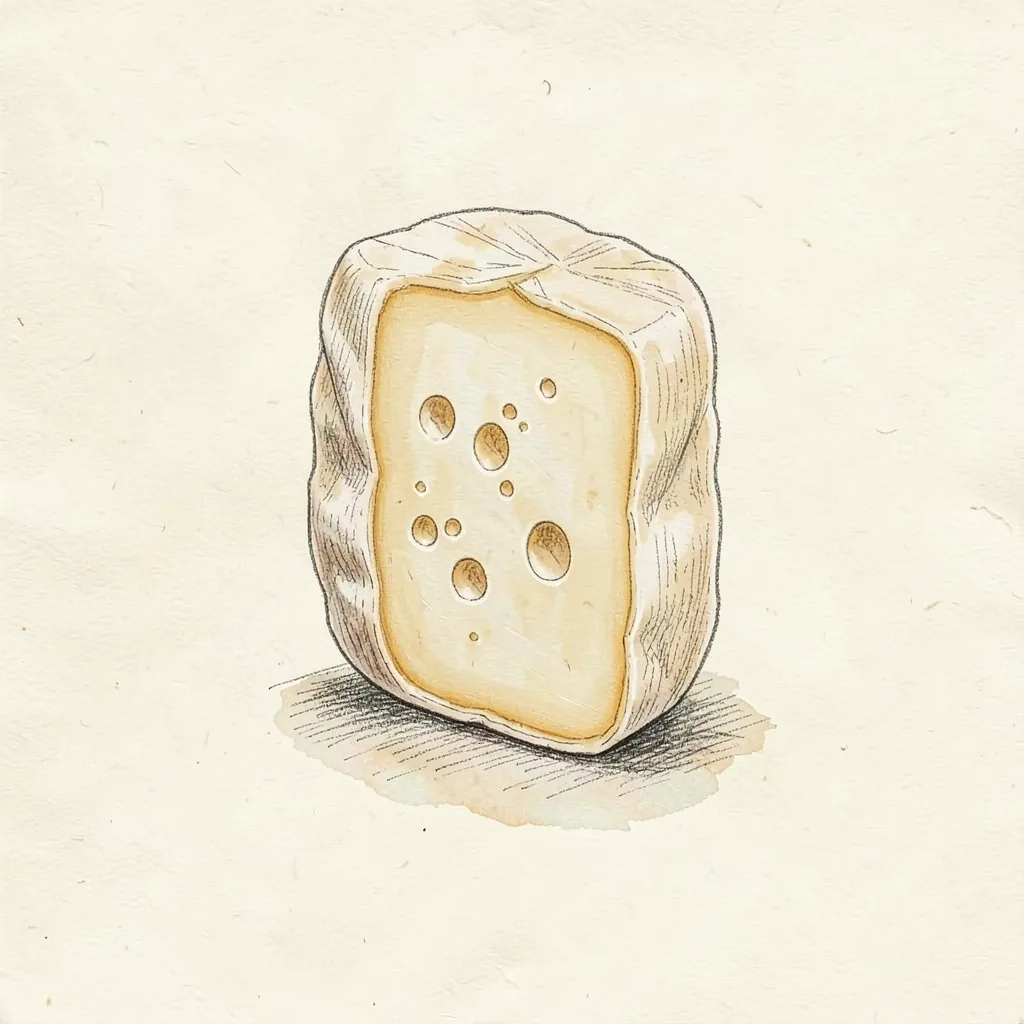
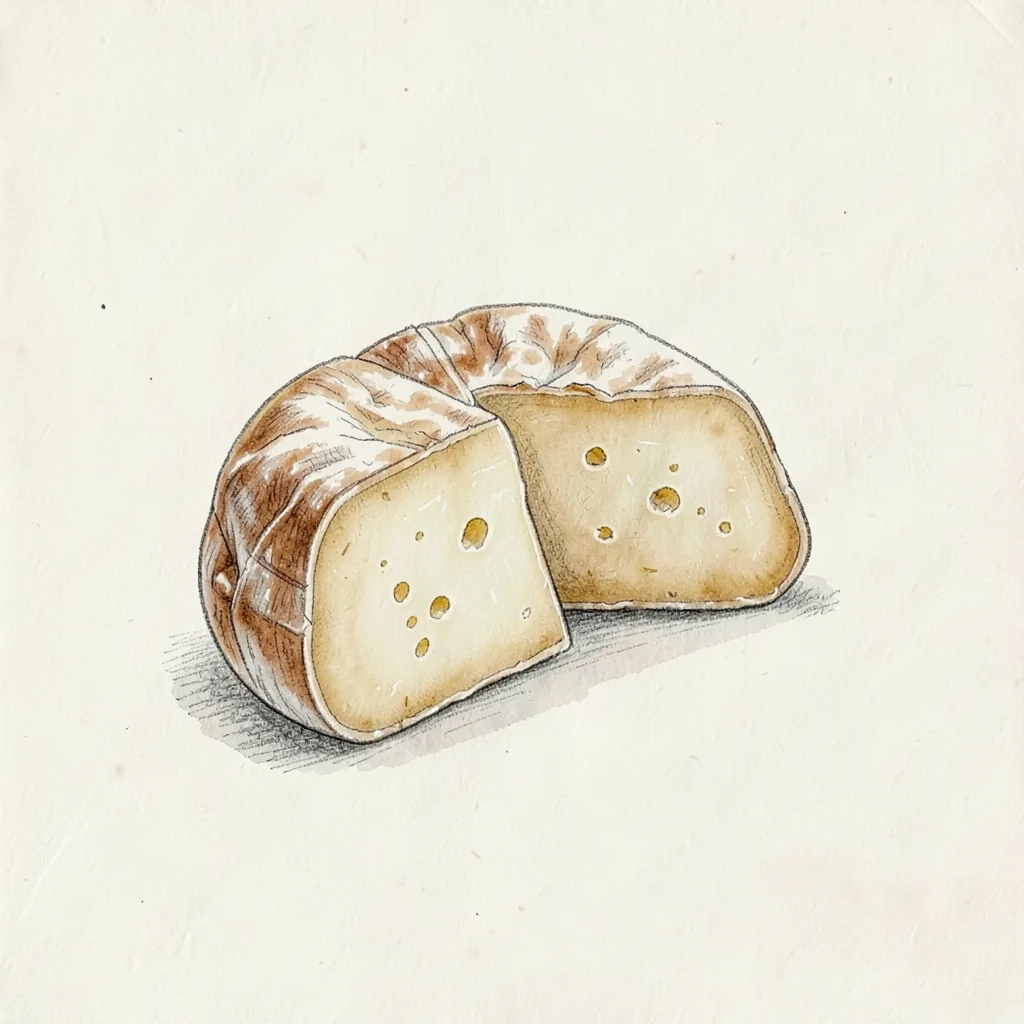
It is made from pasteurized milk and shaped by hand into small rounds. The rind wrinkles as the cheese ripens, and the paste inside is dense, smooth, and a little chewy. The flavor is nutty and clean, with a light tang and a gentle sheep note. The rind is edible, and it can taste a bit bitter beside the center.
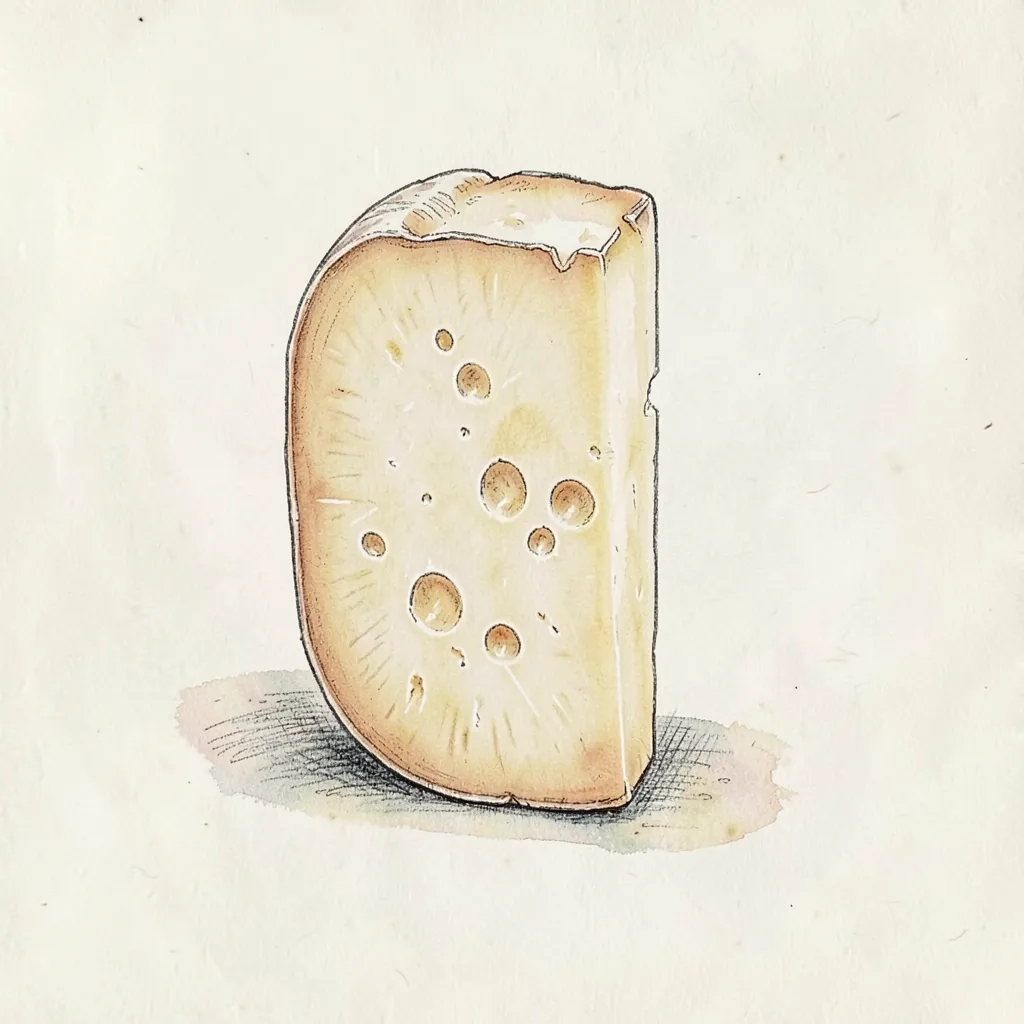
The word cazelle refers to a small stone shelter used for hay and for shepherds in the Aveyron. The rest of the name is Saint Affrique, a commune in that department. A younger round is milder and firmer in the hand. A riper one softens toward a buttery center, with earthy notes and a hint of hay. Both are the same sheep's milk cheese, and the rind shows how far the ripening has gone.
History
The cheese takes its name from the cazelles of the Aveyron, stone huts that shelter sheep and store hay in that part of France. Saint Affrique, named in the title, is the commune linked with the cheese inside the Aveyron Department. Sheep's milk has long been the dairy of this area, better known through its blue cheeses. Cazelle de Saint Affrique uses that milk for a small soft round instead. It is an artisan cheese, formed by hand rather than poured as a large block.
The make is often set beside Crottin de Chavignol, a small goat cheese with a wrinkled rind, even though the milk here is sheep's milk. That comparison is about shape and ripening, not about the flock. The cheese stayed a specialty of Midi-Pyrénées rather than a cheese in every French market. Soft sheep rounds from the Aveyron are easy to mix up with one another. The wrinkled surface and the place name are the marks to remember.
How it is made
Pasteurized sheep's milk is set and drained until the curd is firm enough to shape by hand. Makers form small rounds, which is why one piece never looks exactly like the next. The cheeses then ripen until the surface wrinkles and the paste turns dense and smooth. The method is similar to other small wrinkled rounds, but the milk is sheep's milk from the south of France. No blue mold is added, so the interior stays a pale, even color.
Ripening goes on long enough for a rind to form, and the cheese stays soft rather than hard. The rind becomes supple and wrinkled, not a thick fuzzy coat and not a washed orange one. Inside, the paste is dense, slightly gummy, and golden white. A riper round may slump a little once it is warm. The cheese is sold as a whole small round so the rind and the paste can be eaten together.
Taste
At a moderate ripeness the flavor is nutty and clean, with a gentle sheep tang. The paste tastes a little sweet and milky before any stronger notes appear. The rind adds a slight bitterness, which many people eat along with the center. Texture is dense and smooth, with a soft chew rather than a runny collapse at first. The smell is earthy and fresh, not sharply ammoniated.
As the round ripens further, the center grows richer, more buttery, and a bit tangier. Hay, field herbs, and a light earthiness can show in the finish. The wrinkled rind tastes stronger than the paste, so a bite with both is more bitter than the center alone. It is not salty like a hard sheep cheese, and it is not sharp like a blue. If the smell turns harsh and the paste smells only of ammonia, the round is past the pleasant stage.
In the kitchen
Serve Cazelle de Saint Affrique whole or in halves on a board, rind on, after it has lost the chill. Bread, walnuts, and a firm pear match the nutty paste without covering it. A riper piece can be spread on warm toast if the center softens. It is too small and too soft to grate into a powder. Heat will make it slump, so use it as a finish, not as the base of a long-cooked sauce.
A green salad takes a few slices if you want sheep's milk richness without a strong blue. Do not cube it into a hot pasta pot and expect the pieces to stay neat. The bitter rind is part of the taste, and trimming it makes the cheese milder and sweeter. One small round is usually enough for a few people at the end of a meal. Keep it covered, because the soft paste dries at the cut face and the rind can overripen in open air.
Around the world
Outside France, Cazelle de Saint Affrique shows up in shops that carry small sheep's milk cheeses from the Aveyron. It is less known than Roquefort, which comes from the same broad area but is a blue cheese with a very different taste. Buyers who see a tiny wrinkled round may think first of a goat cheese. The label should say sheep's milk and Saint Affrique. Midi-Pyrénées is the older regional name for this part of southern France, and Aveyron is the department.
Crottin de Chavignol is the practical substitute when you want a small wrinkled round, though the milk is goat's milk and the tang can be sharper. Ossau-Iraty gives sheep's milk flavor if you need slices rather than a soft round. Roquefort is the cheese most often confused with anything from the Aveyron, and it will not play this role. Rocamadour is another small French round, usually from goat's milk, and it is not this cheese. Check the animal on the label before you swap.