Cow
What it is
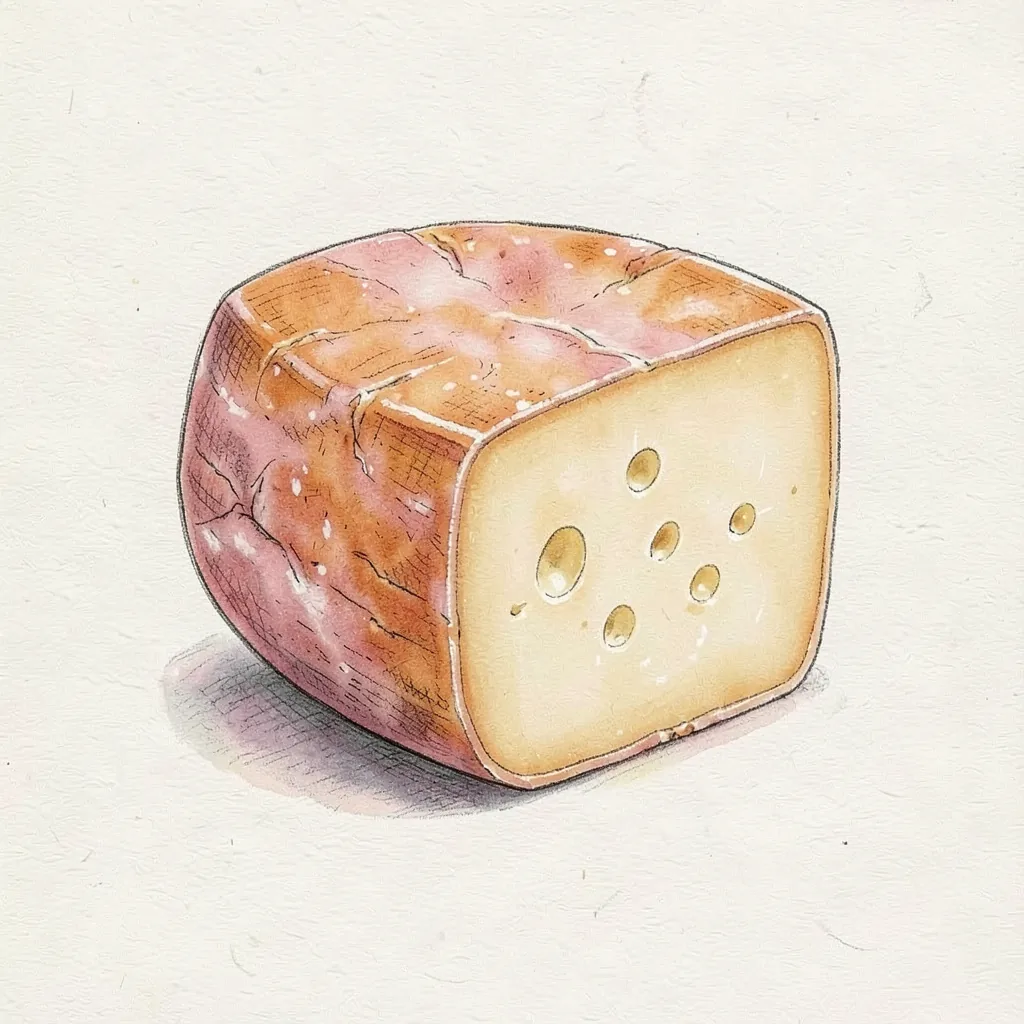
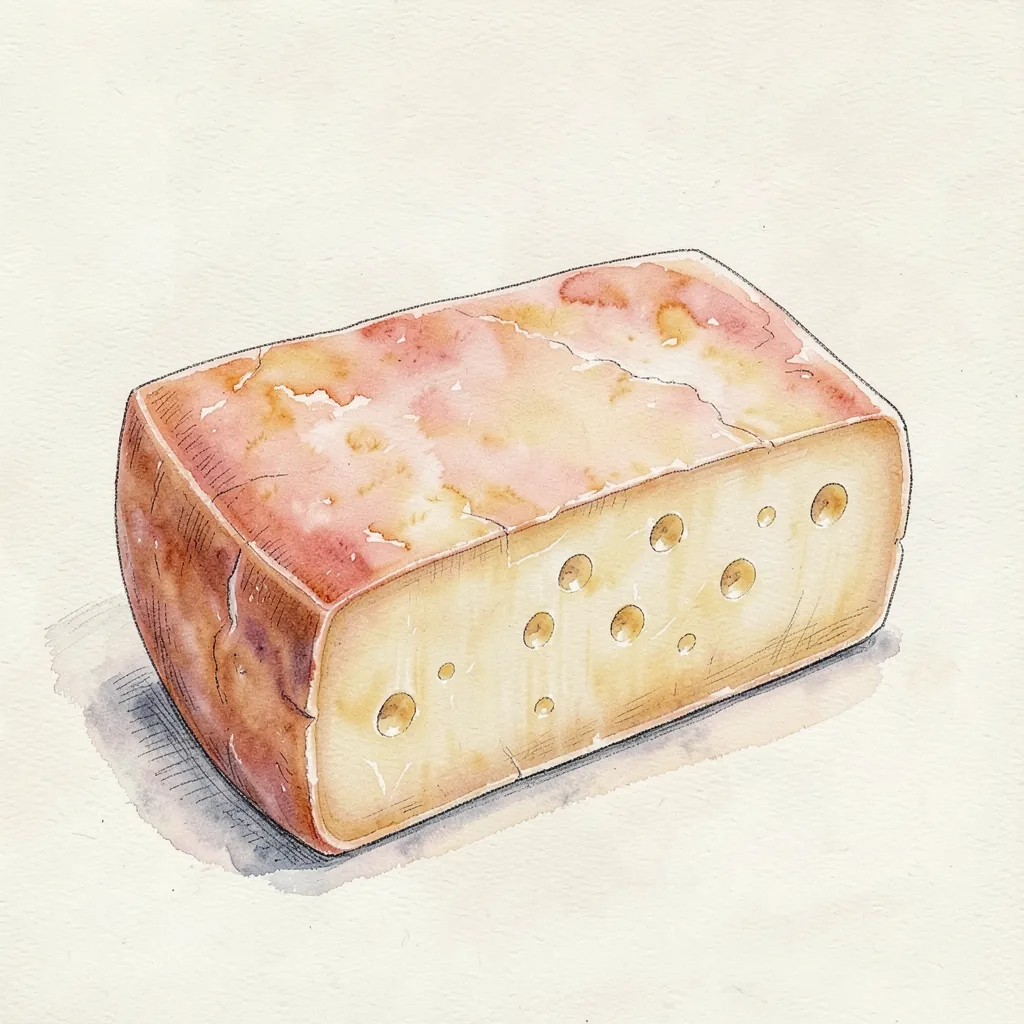
The name means someone who sits in the cellar, which fits a wheel that rests in storage until the flavor is deep. It belongs to the broad Alpine family of Appenzeller, but the make is richer and the aroma is stronger. The paste is smooth and pale, with a few small eyes. A washed rind gives the wheel a savory, cellar-like smell before you cut it.
The cheese is firm enough to slice and still supple enough to melt in a hot dish. A younger piece, if you find one, is nutty and a little sweet. A well-kept wheel leans toward brown butter, toasted nuts, and a salty tang. It is not a mild snacking block for a plain sandwich. Bring it out when you want a Swiss cheese with more power than a basic mountain wedge.
History
Chällerhocker is a relatively recent Swiss cheese, not an old named style with a medieval charter behind it. A dairy in Switzerland developed it from the Appenzeller tradition, then changed the make so the wheel would taste different. The milk keeps its cream, unlike some leaner Alpine recipes, and the cheese stays longer in the cellar. The playful name points to that long rest in storage. Eaters took it up because they wanted a strong cheese that still sliced and melted cleanly.
The name did not become a generic word that every Swiss dairy uses for the same recipe. It stays linked to its original production, even when shops abroad print only the word on a label. That is why two wedges can differ if another maker borrows the idea without the same cellar habits. The core remains a full-cream, smear-ripened cow's milk cheese with a firm body. Buyers who know Appenzeller will recognize the family, then notice the extra sweetness and weight.
How it is made
Makers start with cow's milk and a cultured starter, then set the vat with rennet. The curd is cut, stirred, and heated until the grains are firm enough for a dense wheel. Those grains are pressed into rounds and salted. During aging, the rind is washed with brine so a smear of ripening cultures can grow on the surface. That repeated wash builds the colored rind and the strong aroma that marks the cheese.
The wheels rest in a cool cellar, where they are turned and washed again over a long keep. Time in that room dries the paste a little and concentrates the flavor. Small eyes may hold a bead of moisture, a sign the cheese is still maturing. The interior stays ivory to pale yellow and close in texture, not open with large holes. When the aroma is rounded and the paste is supple but not chalky, the wheel is ready to leave the cellar.
Taste
Expect roasted nuts, brown butter, and a sweet-savory finish that some eaters compare with caramel. There is also a broth-like note from the washed rind, and it should stay pleasant rather than rotten. Salt is clear, but the sweetness keeps it in balance. The texture is dense, and an older piece can feel slightly grainy on the tongue while the cut still looks smooth. A cold slice tastes quieter, so let the cheese warm before you judge a new wedge.
The rind smells stronger than the paste inside it. You can eat a thin strip if you like that funk, or trim it if you want only the nutty center. Bitterness is a fault, not a feature of a good wheel. So is a dry, cracked paste that has lost its creaminess and tastes flat. A successful piece finishes long and clean, with butter and a gentle onion-like savor rather than a harsh bite at the end.
In the kitchen
Chällerhocker melts smoothly, so it works in a fondue, over boiled potatoes, or inside a toasted sandwich. Grate it over vegetables, or stir it into a sauce, when you want more flavor than a mild Alpine cheese gives. On a board, pair it with bread, pickles, dried fruit, or a few nuts. The cheese is already salty and aromatic. It does not need a sweet glaze or a heavy spice rub to be interesting at the table.
Because the flavor is strong, use less than you would of a mild melting cheese in the same pan. It can stand up to onion, potato, and dark bread without disappearing. It is less useful in a delicate cream sauce, where the washed-rind note can take over the whole dish. Shave or grate an older piece over a thick soup. Wrap the cut face so the rind does not dry, and keep the wedge cold between meals.
Around the world
Chällerhocker travels to cheese shops outside Switzerland, especially counters that already stock Appenzeller and Gruyère. The name is hard to spell, and some labels drop the umlaut or simplify the vowels. Look for a firm Swiss cow's milk cheese with a washed rind and a sweet, nutty description on the card. It is not the same as a generic cheese with large eyes, which is a different style. If a wedge smells only of the wrap and tastes flat, it was cut too long ago.
Appenzeller is the closest familiar substitute, though it is often leaner and a little sharper on the finish. Scharfe Maxx is another strong Swiss cheese, and it can replace Chällerhocker on a board if you want aroma and a smooth melt. Gruyère is milder and nuttier, and it is the safer choice in a classic fondue blend. None of these copies the exact sweet, brown-butter finish of a good wheel. Taste a small piece before you commit a whole recipe to the stand-in.