Cow
What it is
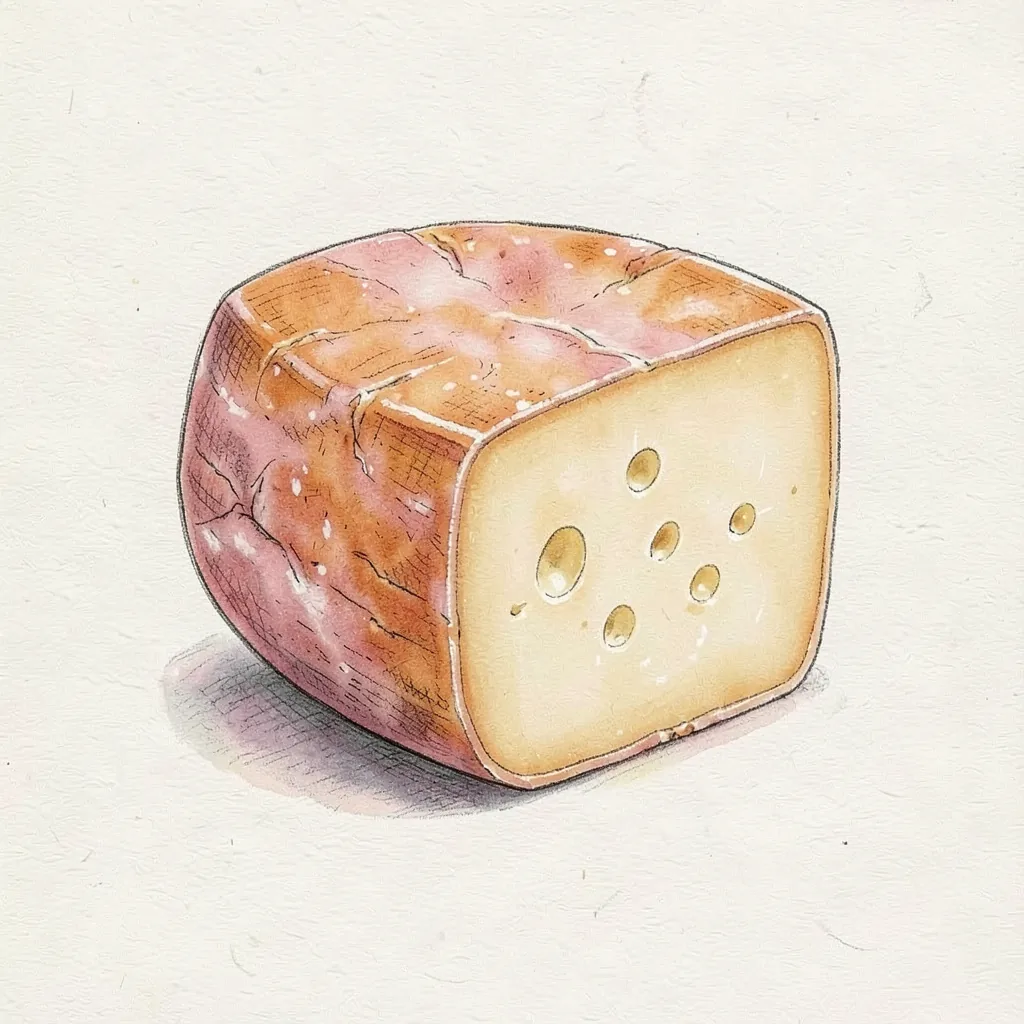
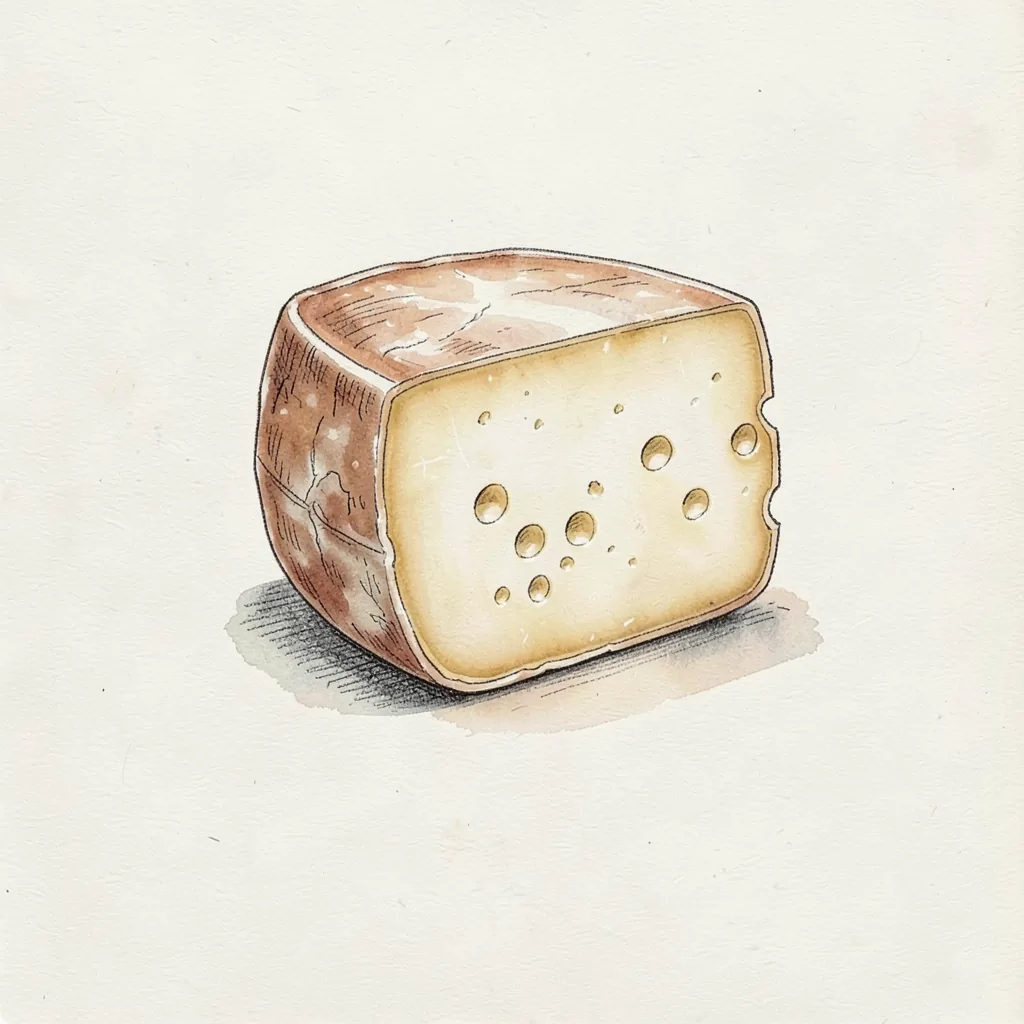
The name means the sharp Maxx, but the taste is savory and aromatic rather than hot like a chili. The paste is semi-hard and supple, and it melts, while a smear rind carries a stronger smell than the center. Tasters often set it beside Appenzeller, though this one is creamier. Cow's milk and a firm, moist slice are the facts that matter at the counter.
The brand is a Swiss specialty rather than a shared regional name used by many dairies. The slice is firm enough to hold and soft enough to melt, and the interior is pale. Flavor is full, aromatic, and lightly tangy, with a creamy feel from the cow's milk. The rind smells stronger than the paste, which is normal for a smear ripened cheese. A different alpine wedge, even a sharp one, is not this brand, and the label is the way to tell them apart.
History
Switzerland has many sharp alpine cheeses, and Scharfe Maxx is a branded cheese beside the older named styles. The sharp words in the name promise intensity, not chili heat. It was developed as a specialty wheel and then found a wide place in Swiss shops. The brand, the cow's milk, and the savory creamy paste are what define it. Appenzeller is the cheese people name when they try to place the taste, and the comparison is useful but not an identity.
The brand spread because the flavor is bold and the paste is easy to like, not because it copied one famous export cheese in every detail. It remains one Swiss approach to a smear ripened cow's milk wheel. Shops in Switzerland stock it as a cutting cheese for the table and for cooking. Abroad it appears where importers carry Swiss specialties beyond the largest names. The name on the label helps buyers spot it in a crowded case.
How it is made
The cheese is made from Swiss cow's milk, set with rennet, and worked into a pressed wheel. The curd is not stretched, and it is not left as a fresh lactic curd. After salting, the wheels age while the rind is cared for so a natural smear develops. That surface flora gives the stronger smell and helps the paste ripen from the outside inward. The interior stays supple rather than drying into a brittle grating block.
Ripening continues until the flavor is aromatic and the paste melts tenderly on the tongue and in a warm dish. The rind is a living washed surface, and it should look moist rather than cracked and grey. Makers aim for a semi-hard body with a creamy feel and a savory bite. There is no blue veining and no added spice, despite the sharp name. The public facts are the cow's milk, the smear rind, and the way the paste softens when it is warmed.
Taste
The taste is savory, aromatic, and creamy, with a tang that reads as sharp without burning. Many tasters place it next to Appenzeller and then notice a softer, richer body. A bite with rind is louder and more pungent, while the middle stays round. Salt is present and supports the aroma rather than covering it. Cow's milk gives a dairy note under the cellar spice, and that balance is the point of the cheese.
The paste yields, feels moist, and softens quickly in the mouth. It is not grainy like a long aged hard cheese, and it is not runny like a very soft washed cheese. A cold piece from the fridge tastes closed and firm. At a cool room temperature the aroma opens and the creaminess shows. If the smell is only harsh ammonia and the paste is sticky and sour, the piece is tired rather than merely sharp.
In the kitchen
Slice Scharfe Maxx for a board with bread, pickles, and a firm apple or pear. It also melts in a sandwich, over potatoes, or into a simple sauce, and the savory note stands up to onion and mustard. Use medium heat so the paste blends instead of turning oily and separated. A little rind is fine for people who like a stronger bite. Leave the rind off if you want only the creamier center in a mild dish.
On a Swiss style plate it can sit beside milder cheeses so guests taste the contrast in one meal. In cooking, add it late and stir until it just melts into the sauce or the vegetables. Wrap leftovers well, because the smear rind perfumes a fridge and can scent butter nearby. Do not leave the cut face bare for long, or the edge dries and hardens. Use it when you want a bold cow's milk cheese that still feels supple.
Around the world
Outside Switzerland, Scharfe Maxx shows up in cheese shops that import alpine brands, not in every grocery case. Look for the brand name, because a mild eyed cheese sold simply as Swiss cheese is a different style with a different taste. The slice should be semi-hard, aromatic, and creamy, with a moist rind. A very dry, bland wedge with large round eyes is the wrong match. Staff may file it near Appenzeller or Gruyère.
Appenzeller is the best substitute, and it has a similar savory sharpness with a slightly leaner feel. Gruyère can stand in for cooking when you want a nutty melt and less rind aroma. Challerhocker is another strong Swiss specialty, often bolder, and it can replace this cheese on a board for people who like intensity. Emmentaler is milder and sweeter, with large eyes, and it will not copy the smear character. Choose a firm aromatic alpine cheese from cow's milk, not a mild block, when the brand is missing.