Cow
What it is
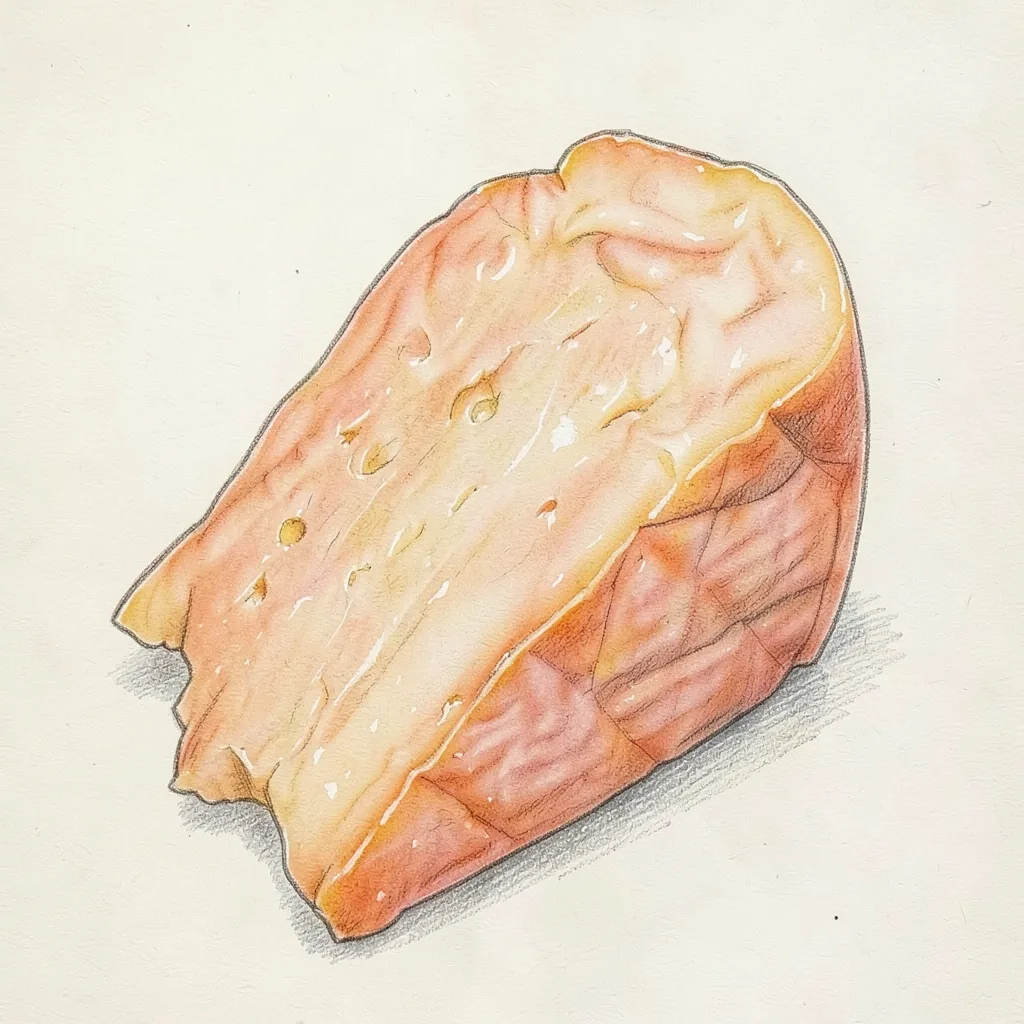
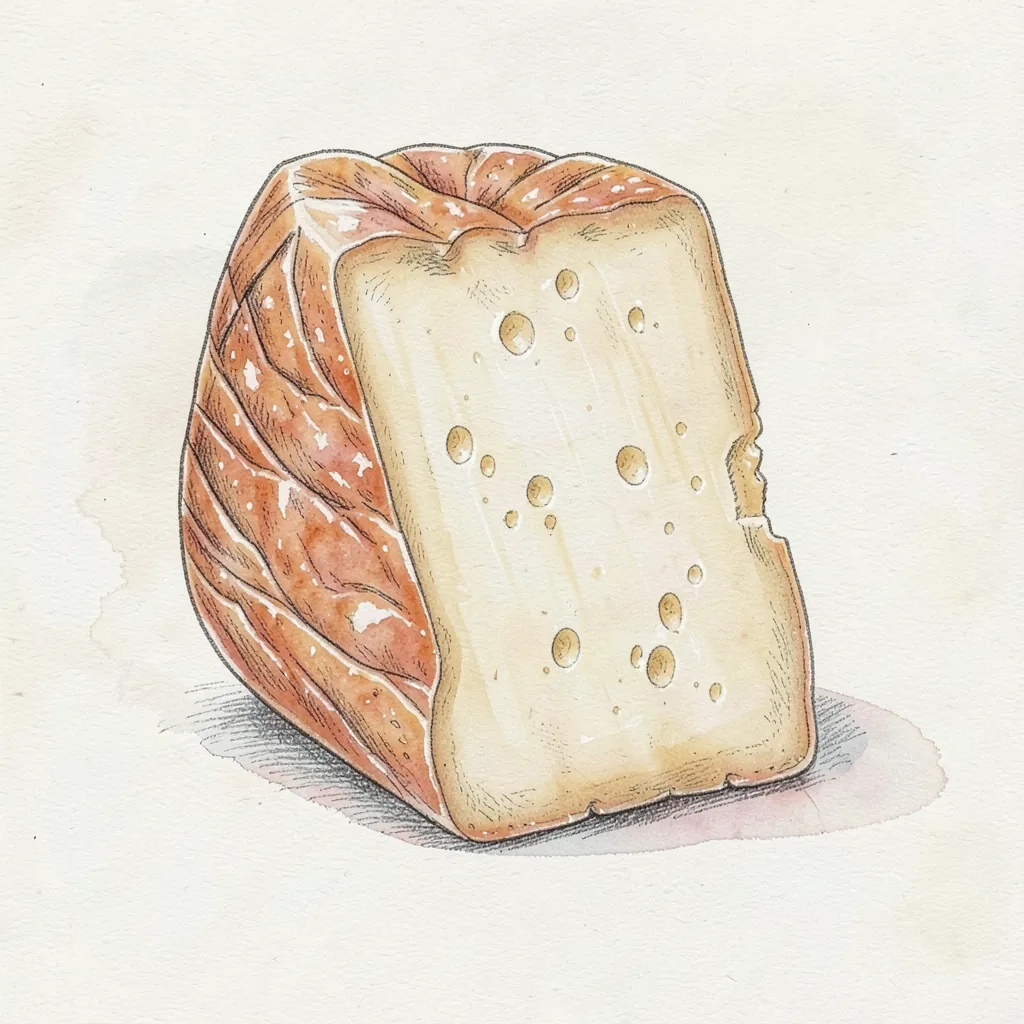
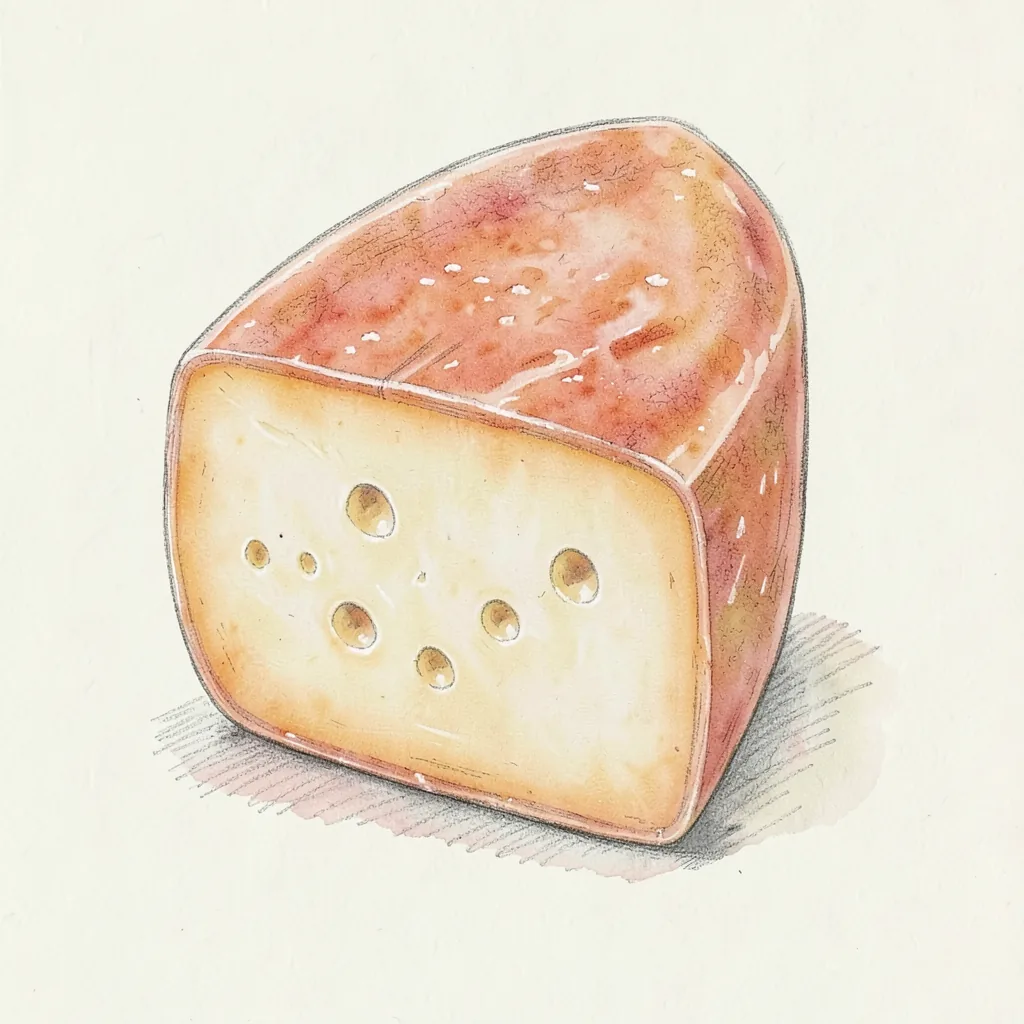
It has a washed rind and a pale, supple interior. Makers brush the surface during aging, so the rind turns orange and the paste stays moist. The flavor is mild at first and becomes fuller as the cheese ripens. It is sold in rounds that are easy to cut for a board or a warm dish.
The cheese belongs with other French washed-rind cheeses, though it is gentler than the strongest of them. A ripe piece smells of yeast and warm milk, not of a sharp barn. The interior can be spooned when it is very soft, and a younger piece slices cleanly. Cooks use it melted, and cheese boards use it as a mild contrast to firmer cheeses. Shoppers usually find it pasteurized and ready to eat.
History
Washed-rind cheeses have a long place in French dairies, and Chaumes follows that broad tradition. The name is tied to a commercial cheese rather than to a single farm recipe passed through one village. Production settled in the southwest of the country, where cow's milk is plentiful. The style was shaped for wide sale, with a mild taste and a regular shape. That choice helped it travel beyond local markets.
The cheese became familiar in French shops and then in export cases. Its orange rind made it easy to recognize next to pale bloomy cheeses. Makers kept the recipe steady so that a round from one season tasted like a round from the next. Aging stayed short enough to keep the paste soft, which suited everyday eating. Today it remains a supermarket washed-rind cheese rather than a rare farmhouse wheel.
How it is made
Cheesemakers start with cow's milk and set a soft curd. They cut the curd gently and drain the whey so the paste stays moist. The curd is placed in round molds and turned while it firms. Salt goes on the surface or into the curd, depending on the plant. The young cheese then moves to a humid room for the rind to develop.
Workers wash or brush the rind with a brine that encourages orange surface bacteria. Those microbes give the color and the mild savory smell. The interior does not get pressed hard, so it remains supple. Ripening continues until the center softens but still holds a slice. The finished rounds are wrapped for sale while the rind is still intact and the paste is cool.
Taste
A young Chaumes tastes mild, buttery, and lightly salty. The washed rind adds a savory note that is noticeable but not harsh. The paste is smooth and a little elastic near the edge. As it ripens, the center turns softer and the flavor grows rounder. A fully ripe piece can taste faintly of nuts and cultured cream, and the smell stays stronger than the taste.
The rind is edible, though some people trim it if they want only the mild paste. Bitterness is not the goal, and a harsh or ammoniated smell means the piece is past its best. Texture matters as much as flavor. A cold slice feels firmer, while a slice brought out of the fridge feels creamy. Salt stays moderate, so the cheese does not dominate bread or fruit.
In the kitchen
Chaumes melts smoothly, so it works on toast, in a grilled sandwich, or over potatoes. The mild taste lets herbs, ham, or mushrooms show through. A wedge on a board needs little more than bread and a firm apple. When the center is very soft, it can be spread. Keep the heat gentle, because a hard boil can make the paste oily.
Pair it with a light beer or a simple white wine if you want a drink beside it. It also sits well in a baked potato or a vegetable gratin. Do not expect the sharp bite of a long-aged hard cheese. Cubes can go into a salad if the piece is still sliceable. Leftovers keep their character if they are wrapped and eaten soon after opening.
Around the world
Chaumes is exported widely, and many shoppers meet it as their first washed-rind cheese. The mild flavor is easier for new buyers than a very pungent rind. In France it remains an everyday cheese, not a special-occasion wheel. Abroad it often appears in mixed cheese packs and deli cases. The orange rind helps people pick it out even when the label is small.
Cooks outside France use it much as they use other soft melting cheeses. It can stand in when a local washed-rind cheese is hard to find. It is not a match for a very pungent washed-rind cheese, and it should not be sold as one. Fans of mild cheese tend to like it, while fans of sharp cheese may find it too gentle. Availability is good in supermarkets that carry a small French selection.