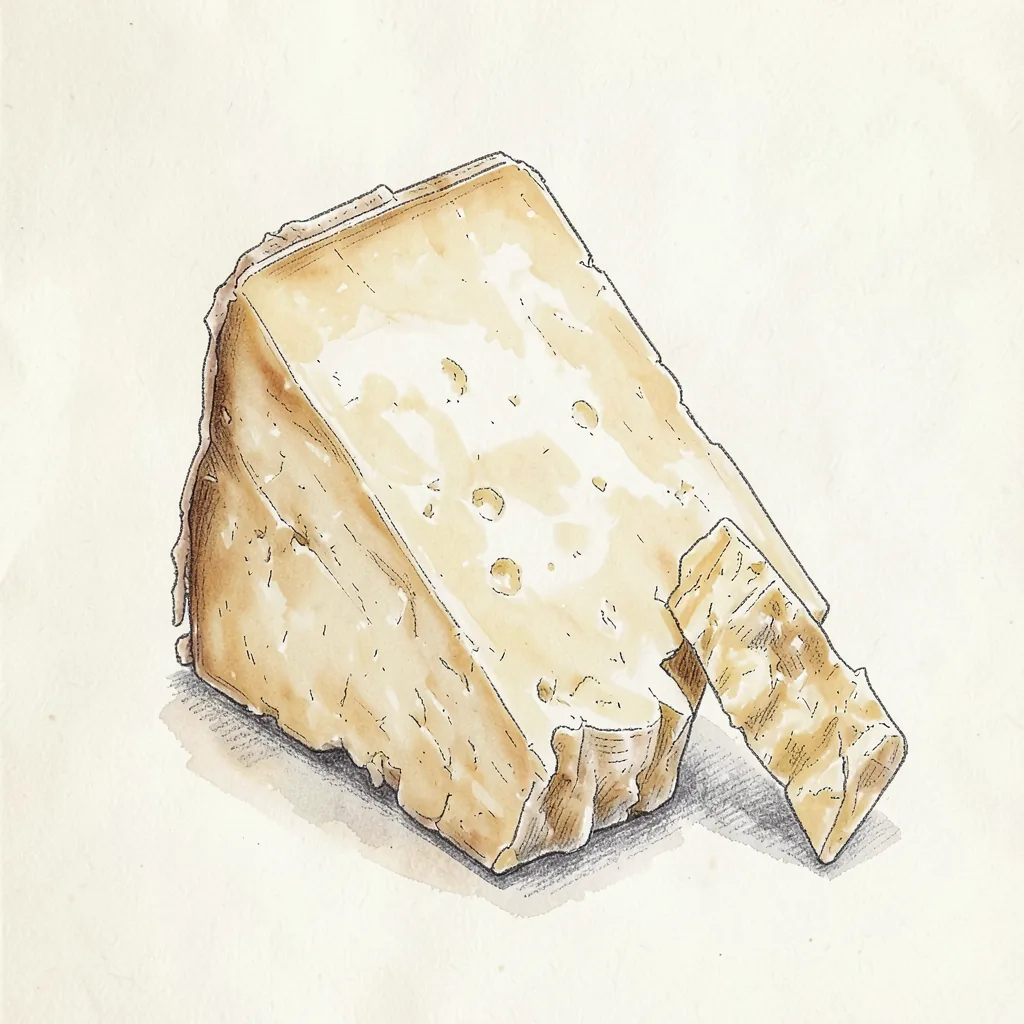
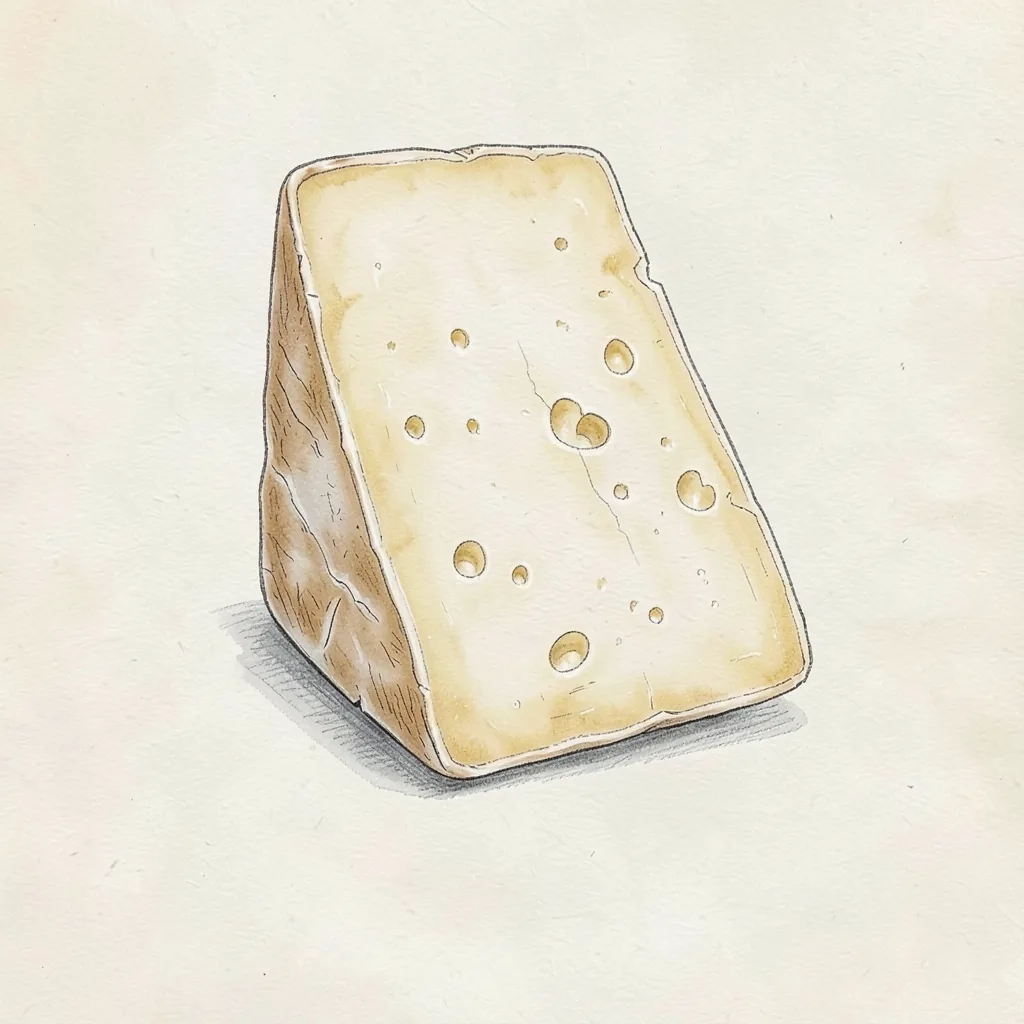
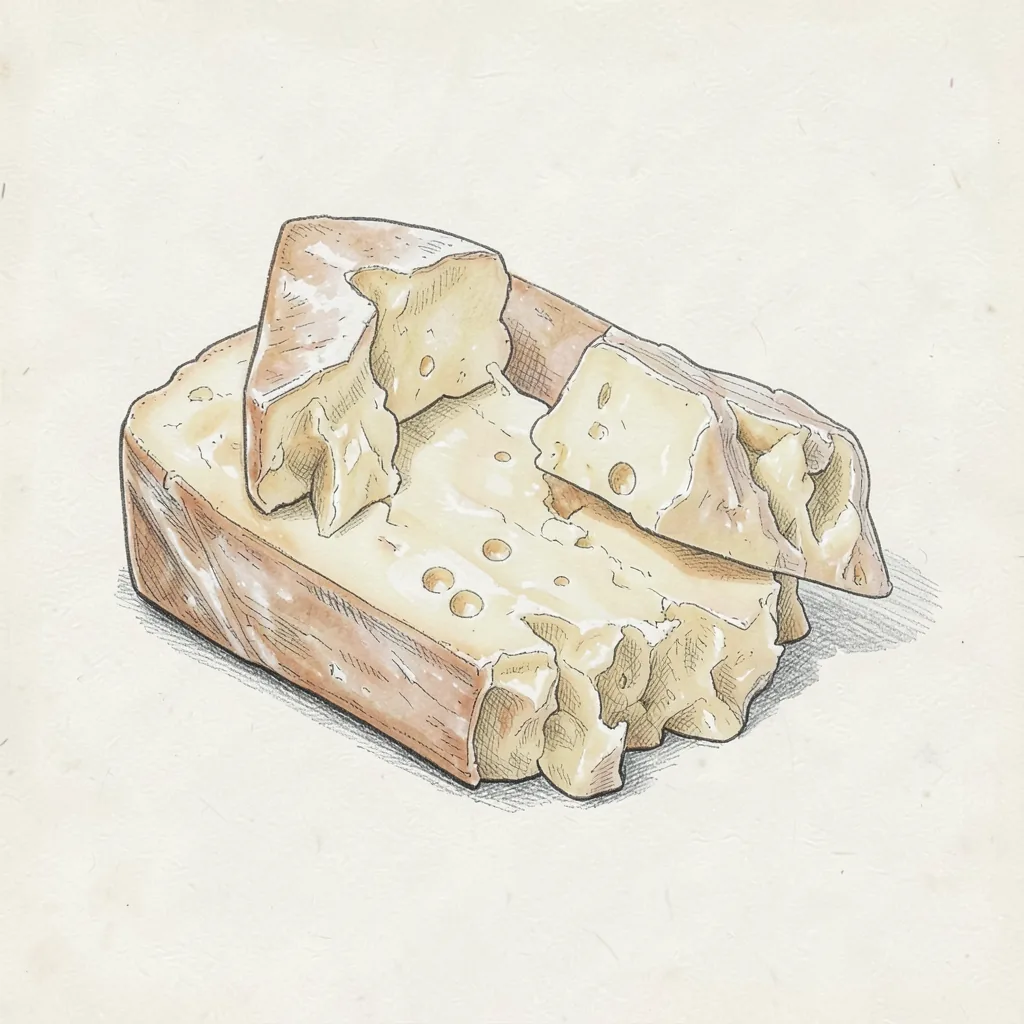
Cow
What it is
The name refers to a historic county in the north of England, and the cheese is still tied to that part of the country. Makers mill and salt the curd, then press it lightly, so the paste stays open and moist. Young cheese is mild and buttery. Cheese kept longer turns firmer, drier, and sharper on the tongue.
Shoppers meet three familiar styles under one name. Creamy Lancashire is soft enough to spread when warm and is the one people melt. Tasty Lancashire is older, with a fuller, more savory flavor. Crumbly Lancashire is drier and breaks into small pieces, closer in feel to other old English cheeses. All three belong on a board, but they do not behave the same way in a pan.
History
Lancashire began as a farmhouse cheese in the north of England, where milk from small herds had to be used before it soured. Makers saved curd from one milking and mixed it with curd from the next, which gave the cheese its loose, buttery body. That blending habit is still the mark of a traditional make. The cheese stayed a regional staple for home cooking long before it traveled widely. Today both farmhouse and creamery versions sit in British shops.
Creamy, tasty, and crumbly styles split one old recipe into clear kitchen roles. Creamy cheese keeps more moisture and a clean, milky taste that suits toast. Tasty cheese stays in store until the flavor deepens and the paste firms. Crumbly cheese is acidified further, so it breaks into pieces rather than bending. Buyers in Britain still use those three words on labels to tell the styles apart.
How it is made
Fresh cow's milk is warmed and set with starter and rennet. The curd is cut, and the whey drains off. For the traditional creamy and tasty styles, curd from separate milkings is broken up, salted, and blended before it goes into a mold. A light press knits the pieces without making a tight, rubbery paste. The result is an open texture that melts more readily than a dense hard cheese.
Crumbly Lancashire follows a sharper acid path, so the curd loses more moisture and falls apart when cut. After molding, many wheels are bandaged or rubbed with butter, which helps a thin natural rind form. Creamery blocks may skip a long rind and go out younger. Aging is a choice of style, not a single rule for every wheel. A shorter keep leaves the cheese mild, and longer storage builds a savory, nutty edge.
Taste
Young creamy Lancashire tastes of fresh milk, butter, and a little salt, with almost no bite. The paste is moist, and it can feel slightly crumbly even when it looks smooth. Tasty Lancashire adds a deeper savory note, a hint of nuts, and a clean tang that stays gentle. It should not taste bitter or soapy. If a rind is present, it is firmer than the center and not meant as the main bite.
Crumbly Lancashire is brighter and more acidic, with a dry break and a fresh finish. It lacks the butterfat gloss of the creamy style. Across all three, the flavor is plain in a good way: milk, salt, and time, not smoke, herbs, or blue mold. A cold piece tastes quieter than a piece at room temperature. Let a slice warm a little before you judge it on a board.
In the kitchen
Creamy Lancashire is a classic choice for a toasted sandwich because it melts into a soft layer without turning oily at once. It also works in a potato dish, a white sauce, or a rarebit where a mild cheese is wanted. Tasty Lancashire can go on a cheese board next to fruit and bread, and it grates over a baked dish when you want more flavor. Use a light hand with salt, since the cheese is already seasoned.
Crumbly Lancashire is better scattered over a soup, a warm tart, or a green salad than melted in a long sheet. It softens, but it does not flow like the creamy style. Pair the mild cheeses with apples, pears, or a plain cracker. Pair the tastier wheel with chutney or a sharper pickle. Keep the cheese wrapped and cold, and finish an open piece soon so the moist paste does not dry out.
Around the world
Outside the United Kingdom, Lancashire is less common than many other British cheeses, but specialty shops and British grocers do carry it. Look for the words creamy, tasty, or crumbly on the label, because those words change the recipe in the kitchen. A creamy wedge is the safe pick for melting. A tasty wedge is the one to put on a board. If a package only says Lancashire, check whether the paste looks moist or dry before you cook with it.
Cheshire is the usual stand-in when a shop has no Lancashire, because both are crumbly English cheeses with a clean, salty taste. Caerphilly is another near neighbor, though it is often drier and a little sharper. Neither copy has the same buttery melt as creamy Lancashire. In a toasted sandwich, a mild English cheese will do, but the texture will be tighter. On a board, say which style you wanted so the replacement is not a surprise.