Cow
What it is
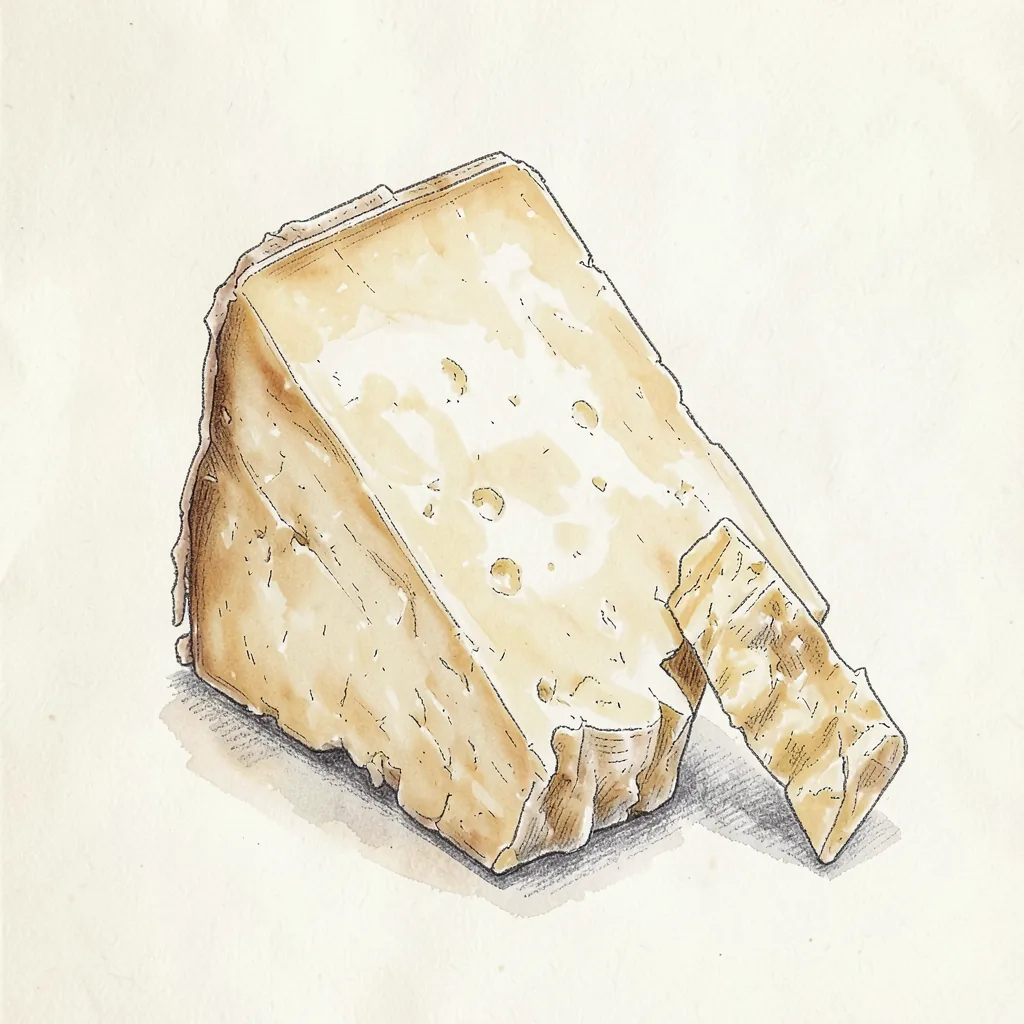
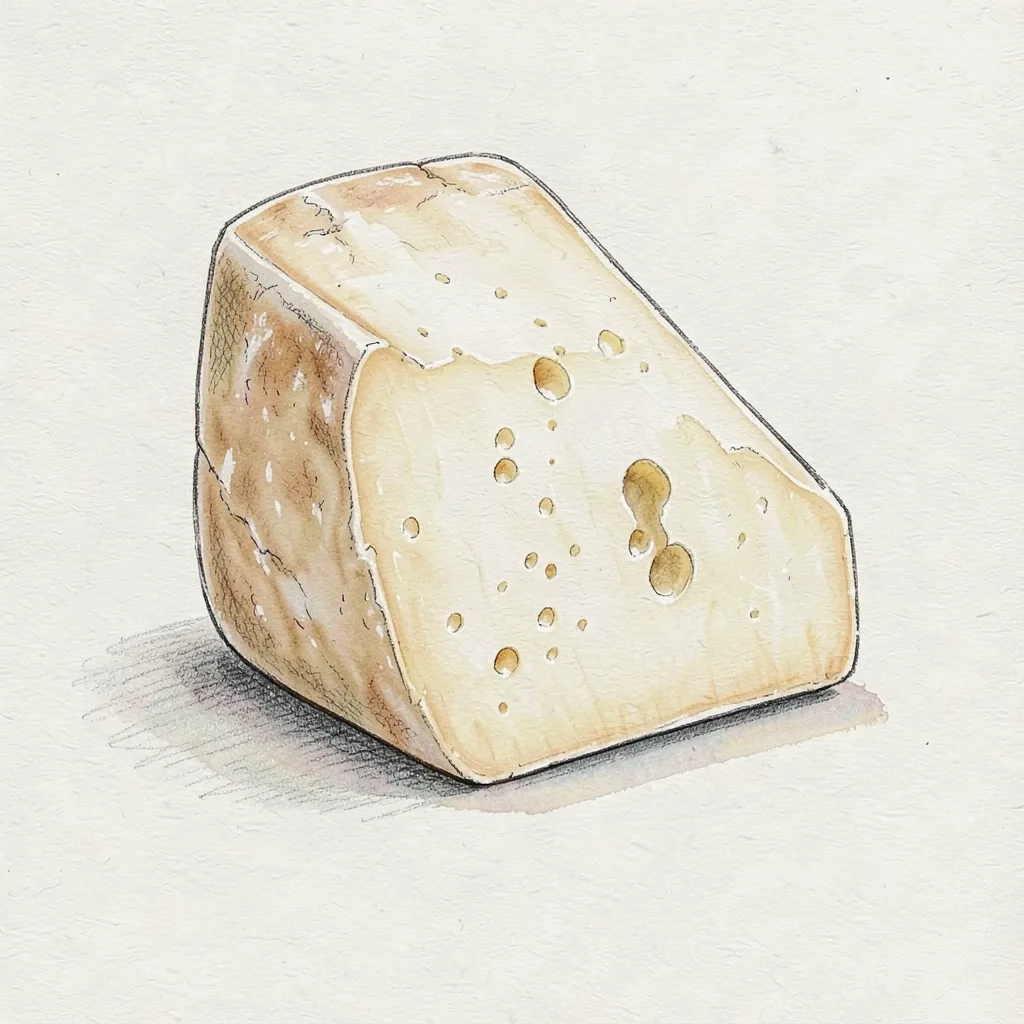
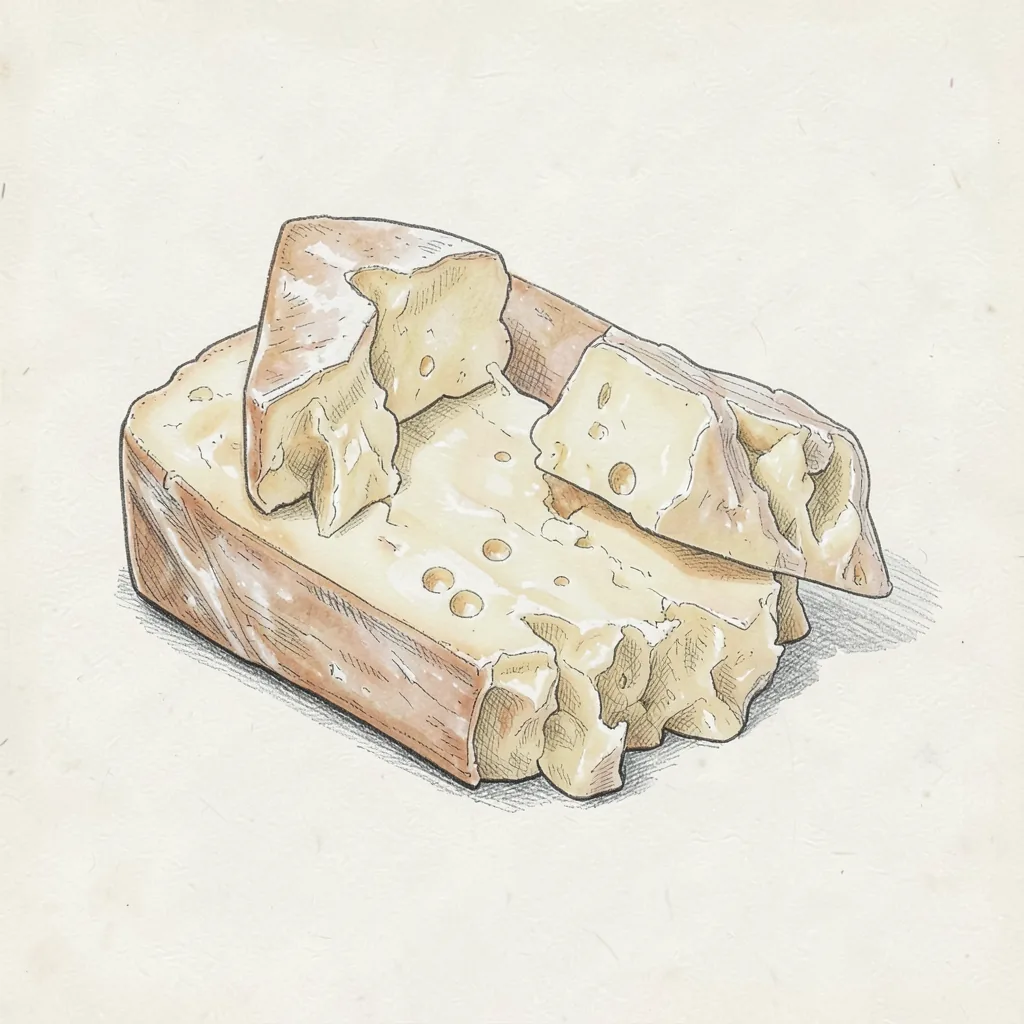
A young wheel is pale and mild, with a clean lemon-like tang rather than a long aged bite. The paste breaks into soft crumbs instead of forming long strands. Traditional wheels grow a thin natural rind, while many creamery blocks are sold younger and simpler. It is firm enough to slice, but it still eats like a fresh tasting cheese.
In the shop, a young Caerphilly feels springy, salty, and lightly sour. A wheel kept longer under a natural rind turns a little drier at the edge, nuttier, and more interesting on a board. The milk is still cow's milk, and the difference is time and rind care. Welsh makers and creameries elsewhere in the United Kingdom both use the name. Look at the moisture and the rind if you want to know which style you are buying.
History
Caerphilly took shape in Wales as a cow's milk cheese that could be sold while it was still young, moist, and salty. That quick path suited people who wanted a fresh tang rather than a long aged wheel. The style later spread to creameries in England when demand grew beyond Welsh supply. For a time, much of the cheese under this name was made outside Wales. The pale crumbly paste kept those versions linked, and the name stayed tied to Wales inside the United Kingdom.
Farmhouse makers in Wales later brought back a rinded wheel with more cellar time than a quick creamery block. That return did not erase the mild young cheese, and both styles still appear in British shops. No single firm owns the name, and it is not a brand. Salt, moisture, and the length of keeping vary by dairy, but cow's milk, a pressed curd, and a bright acidic note stay constant. Read the label for the United Kingdom, and treat the Welsh identity as the home of the cheese.
How it is made
Makers warm cow's milk, add starter and rennet, and cut the curd after it sets. The pieces are stirred and then lightly pressed in molds, so the paste keeps more moisture than a very hard cheese. Salt is mixed in or rubbed on, and that salt supports the bright taste. A traditional wheel is dried until a thin natural rind forms. Many young cheeses leave the dairy while the interior is still white, moist, and ready to crumble.
An older wheel is turned and watched until the rind dries and the flavor deepens. That path is still a pressed cow's milk cheese, not a bloomy soft cheese and not a blue. The curd is not cooked as hard as the curd for a very firm mountain wheel, which is why the slice stays tender. Creameries that sell a young block skip the long rind stage and pack the cheese sooner. Either path is ordinary dairy work, and you do not need a secret culture to understand it.
Taste
Young Caerphilly tastes milky, salty, and lightly sour, with a lemon-like tang that fades after you swallow. The paste is moist, and it crumbles instead of bending in sheets. The feel is clean rather than waxy or heavy, and the salt stays clear through a fresh finish. A bite from the center is milder than a bite taken near a mature rind. Nothing in the flavor suggests blue mold or a washed smear.
An older wheel adds a nutty, slightly mushroom-like note under the rind, while the center can stay sharper and more acidic. The texture dries and becomes more brittle, which some people prefer on a board. The smell stays gentle next to a strong washed cheese. If the cheese tastes dull and chalky, it is probably a very young block, and that plainness is normal for the quick style. Give it bread and butter before you decide it has no character.
In the kitchen
Crumble Caerphilly over a green salad, a baked potato, or warm leeks when you want salt and tang without a loud rind. It also works on toast or in a savory tart, where the crumbs soften and turn a little creamy. The cheese does not stretch like a pasta filata loaf. Heat makes it glossy and slightly oily, then it firms again as it cools. Choose the young moist style when you want an easy crumble for the table.
Set a mature wedge on a board with bread, apple, and a pickle, and let people taste both the center and the side near the rind. The rind on a natural wheel is edible for most people, though it is drier than the paste. A firm piece can be grated, but a fork crumble is more natural for this cheese. It sits well with cider and with a mild ale. Keep a young block cool and wrapped, and eat it before the moisture that defines it is lost.
Around the world
Outside the United Kingdom, Caerphilly shows up mainly in shops that keep British territorial cheeses. Cooks who know Cheshire or Wensleydale will recognize the crumbly habit, though the lemon note is its own. It is not a cheese with large eyes, and it is not a brined white cheese packed in salt water. Importers usually bring wedges or small wheels rather than huge forms. If the name is new on a menu, call it a mild crumbly Welsh cow's milk cheese from the United Kingdom.
Farmhouse wheels have given the cheese a second audience among people who seek traditional British rinds, and the young creamery version remains the everyday one. Neither style has become a global melting cheese. On a mixed board abroad, it fits with fruit and bread, and it does not fight with milder neighbors. If a shop has none, Cheshire or young Lancashire is the honest stand-in. The Welsh name still points home, even when the wedge was cut far from the United Kingdom.