Cow
What it is
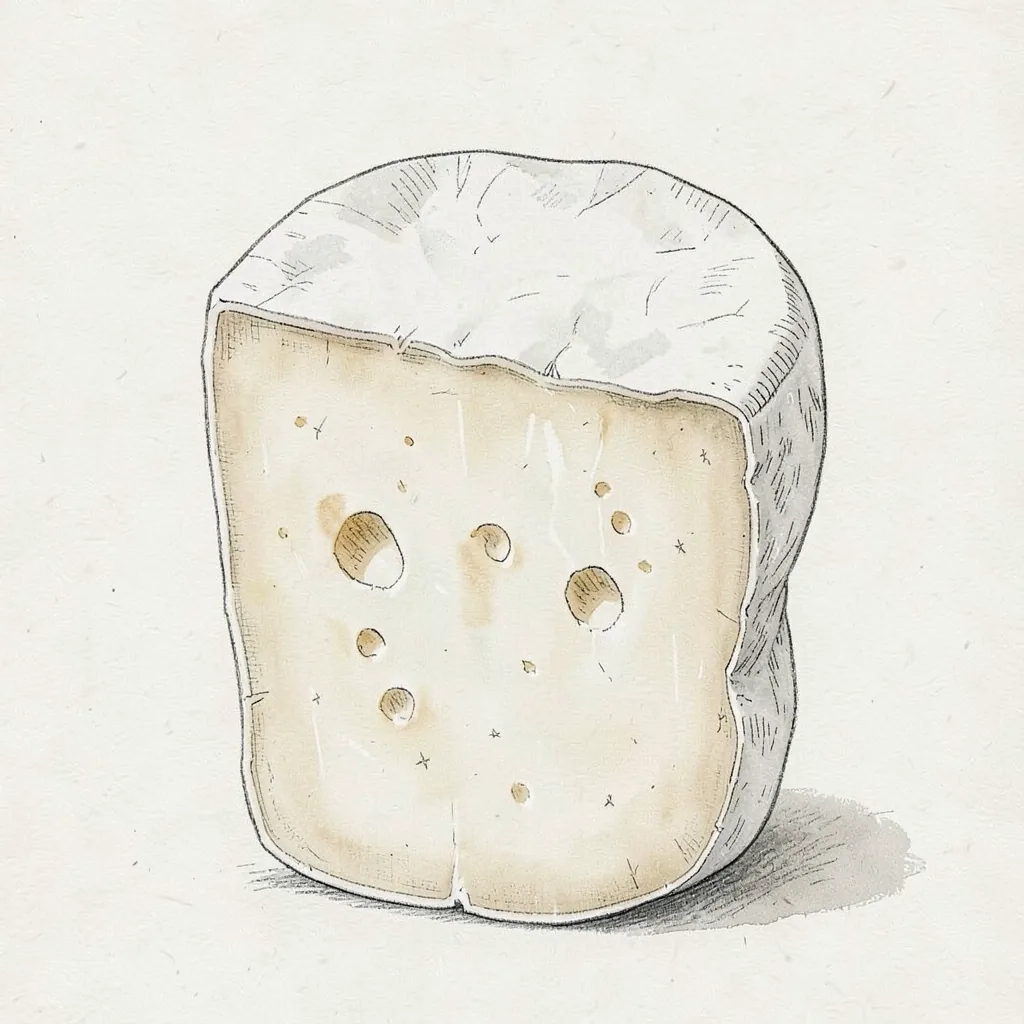
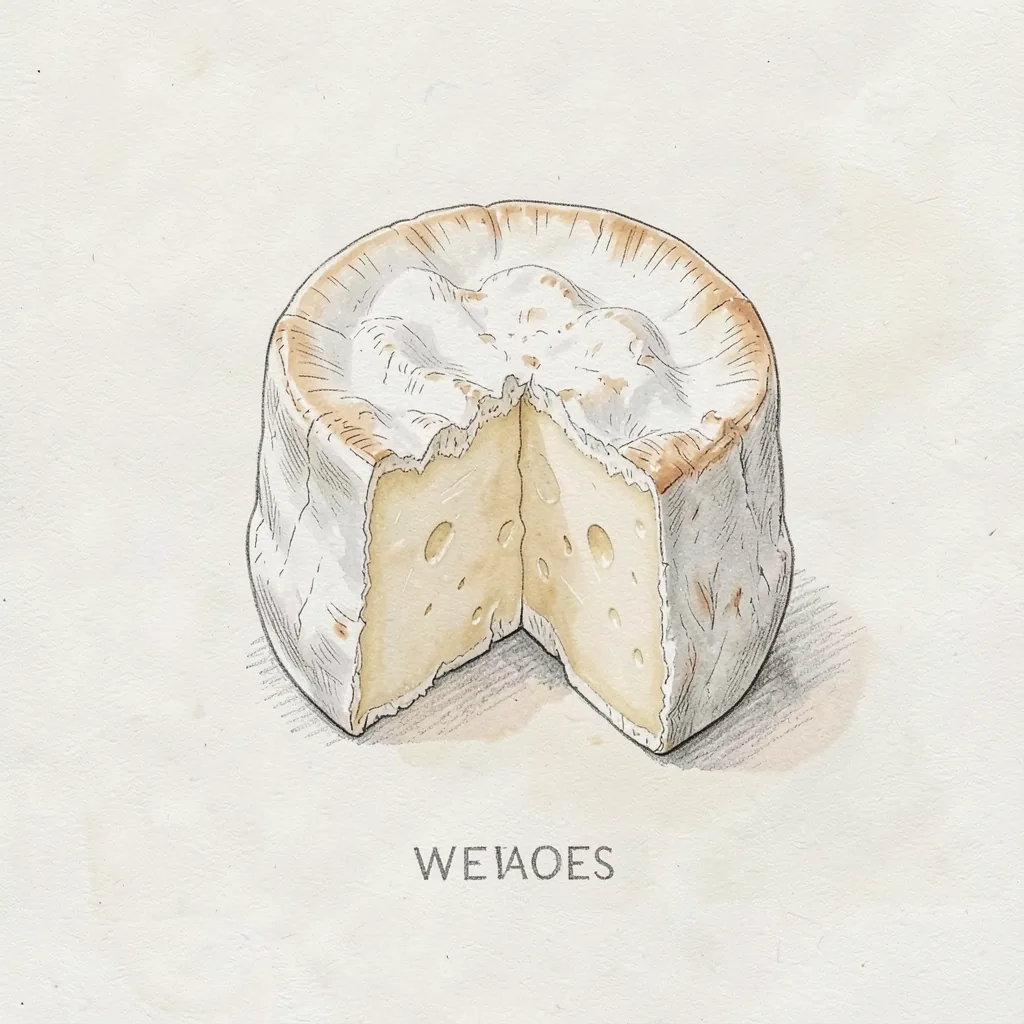
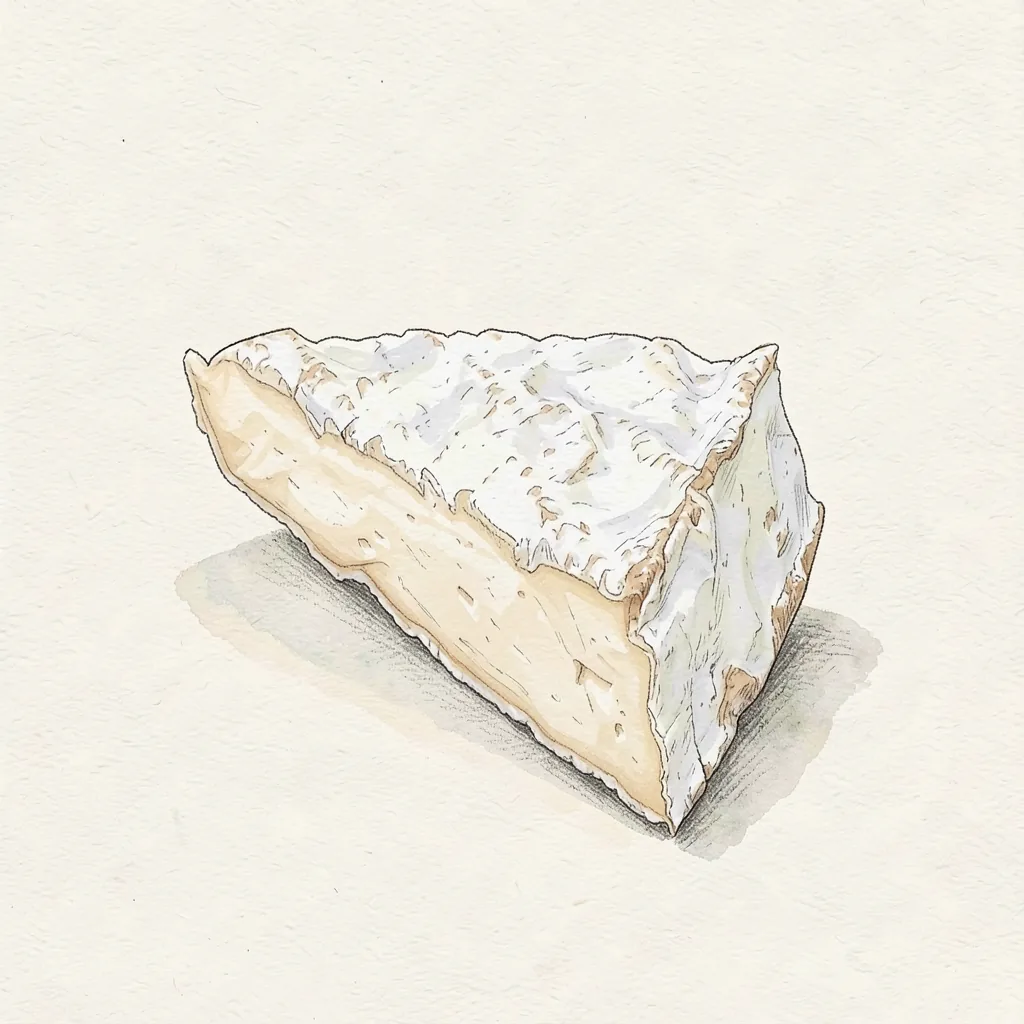
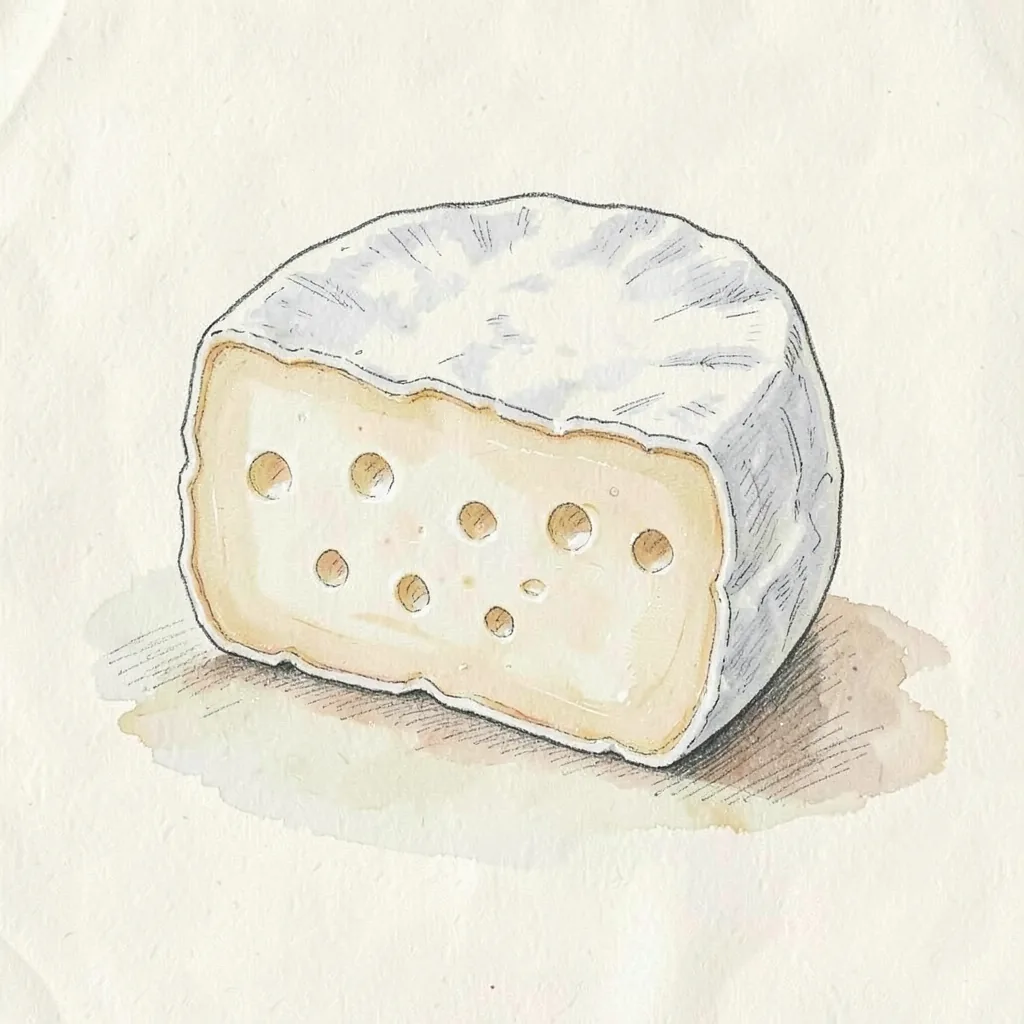
The milk comes from Jersey cows, and the paste is smooth, moist, and pale yellow. A knobbly rind carries a light white mould over a browner surface. The texture sits softer than a firm English cooking cheese and firmer than a very ripe soft cheese. It is sold in modest wheels, with a creamy interior that yields as it ripens.
The flavor is creamy, clean, and gently rich, with a mild sharpness rather than a fierce bite. People often compare it with a firmer Brie, and that comparison is about style, not about a French origin. A younger piece and a riper piece are both Chevington. The riper one smells stronger and yields more under the knife. Cow's milk and the white mould stay constant, and the cheese never turns into a dry grating block.
History
The name Chevington belongs to an English cow's milk cheese from the north of the country. An earlier farmhouse version left the market, and the method was later revived from an old recipe. Mould ripening is part of the revived make, together with Jersey milk and a white coat. It is not a copy of a monastery cheese, and no ancient guild controls the name. What returned to shops is a semi-soft wheel with a moist, creamy interior.
Production stayed small and English, and local herds supply the Jersey milk. That milk is richer than a lot of standard cow's milk, which helps the paste stay moist. Vegetarian rennet is used, so the cheese can suit a vegetarian table. The style never became a national block sold in every grocer. Buyers meet it at cheese shops more than in a basic dairy case, and the northern English origin still sits in the name's story.
How it is made
Makers set pasteurised Jersey cow's milk with vegetarian rennet and shape the curd into wheels. The wheels are salted and then left to ripen under a coat of white mould. That mould is what softens the paste from the outside inward over the rest. The rind becomes knobbly and brownish, with a pale smear of mould across it. The interior stays smooth, moist, and yellow rather than chalky or dry.
Ripening lasts long enough for a mild, creamy flavor and a yielding body. It should not last so long that the cheese collapses into a runny puddle. Wheels are modest in size, so the mould can work through the paste. Nothing is waxed shut, and no blue veins are added to the curd. The cheese is ready to cut when the center is soft and the smell is clean and milky.
Taste
Chevington tastes creamy and slightly sharp, with a clean finish and a rich note from the Jersey milk. Butter and a faint lemon edge are common, and the salt is balanced rather than heavy. The aroma is mild and a little earthy from the mould, not the strong wash of a sticky orange rind. The paste feels smooth and open, and it stays moist on the tongue. It does not crumble like a clothbound hard cheese, even when the rind looks rugged.
A younger wheel is milder and a bit firmer under the knife. A riper wheel is softer, fuller, and more aromatic, still short of a fully runny soft cheese. The yellow interior stays even from center to rind. The rind is edible if you like the mouldy edge, and many people trim only the driest knobs. Bitterness or an ammonia smell means the piece is too old, while a good piece stays rich without feeling heavy.
In the kitchen
Put Chevington on a board with plain biscuits, bread, and a crisp apple. It also softens in a warm tart or over vegetables, where the creamy body melts more readily than a hard English cheese. Slices work in a sandwich if the piece is not so ripe that it slides apart. Do not grate it like a dry mountain cheese, because the paste will clump. Gentle heat is enough, and a short bake keeps the center soft rather than oily.
Serve it less cold than the fridge so the Jersey richness can show. Pair the mild sharpness with pears, celery, or a light chutney, and skip very sweet glazes. Wrap the cut face, because this mould-ripened cheese dries and the paste turns dull. It is not a grill cheese, and it is not a salad crumble in the way a fresh curd is. If you bake it, keep the rind on for structure and watch until the center only just softens.
Around the world
Chevington is a small English cheese, and most of it stays in Britain. A few specialist importers carry it when they want a mould-ripened cow's milk cheese firmer than Brie. It is not a global brand, and shoppers abroad should not expect it in a standard dairy aisle. If the label is missing, the knobbly rind and moist yellow paste are the visual clues. The Jersey milk richness and the white mould complete the picture for anyone who has met the cheese before.
Brie and Cornish Brie are the easy mix-ups, because all three ripen under white mould and turn creamy. Chevington is usually firmer and a little sharper than a very young Brie. Waterloo is another English cow's milk cheese with a soft white rind, often richer and more oozy. Coquetdale is a different northern English cheese, and it will not copy this mould-ripened paste. Choose a firm bloomy cheese if a recipe needs a substitute and this wheel is not in the shop.