Goat
What it is
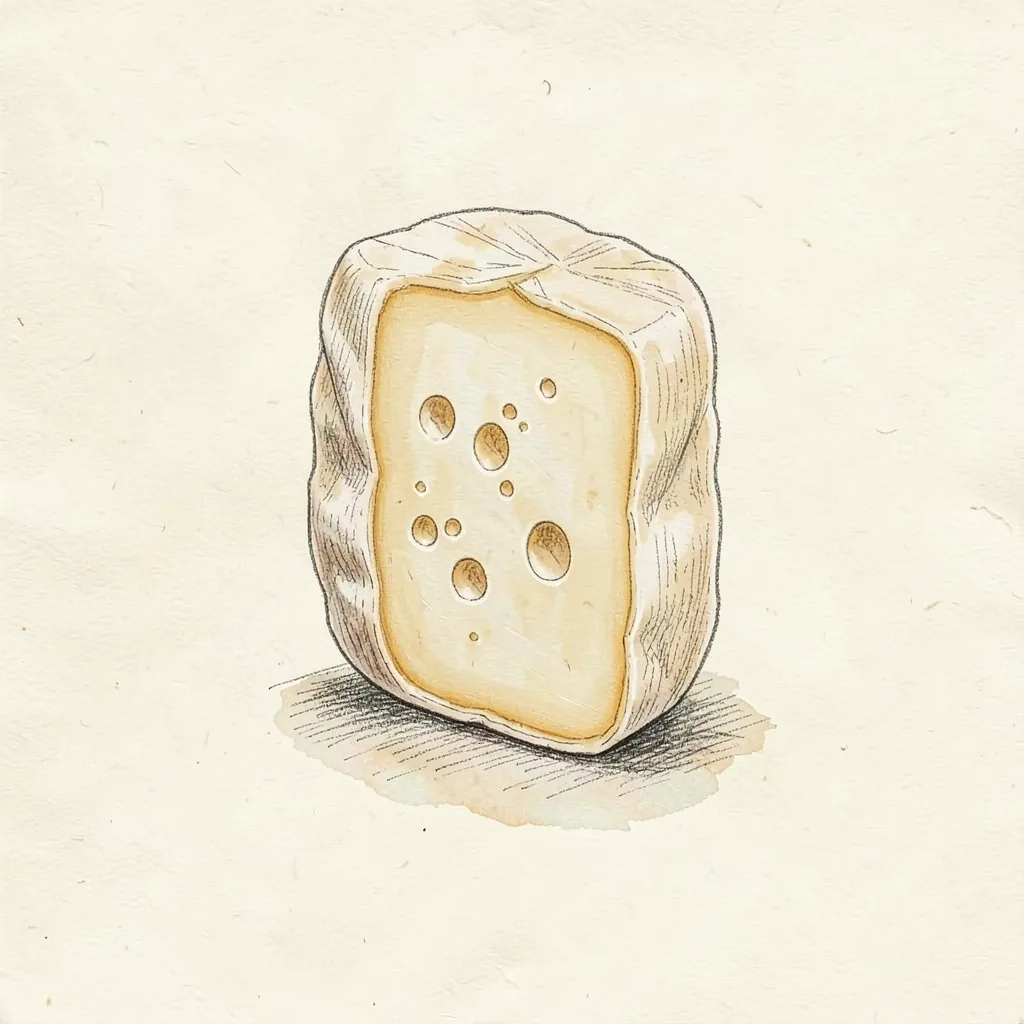
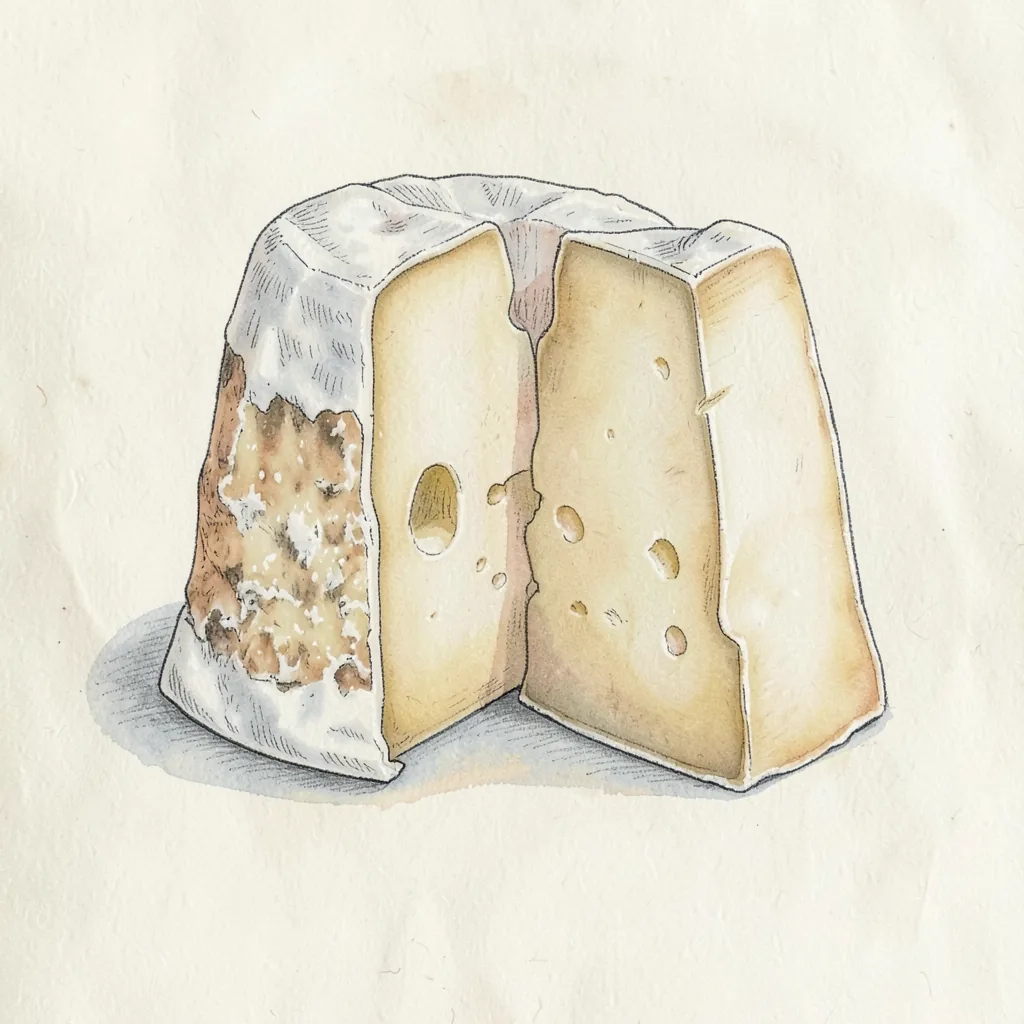
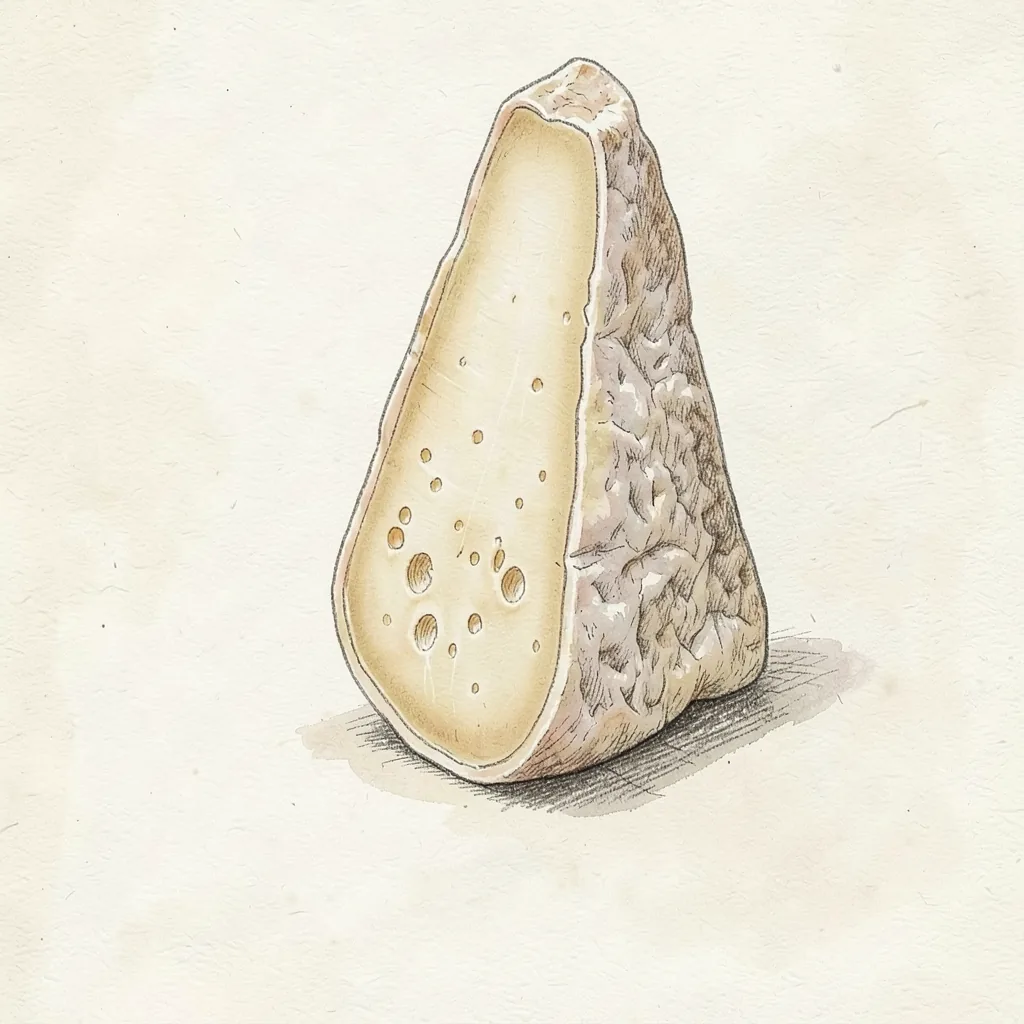
The name is French for little bell, and the cheese is formed in that shape. It is mold-ripened, with a wrinkled white rind and a dense but still moist paste. The milk is goat's milk, and the usual commercial cheese is pasteurized. A young bell is milder, while an older one wrinkles more and tastes stronger.
The brand is eaten young, while the paste is still smooth and the rind is a thin coat. Under the wrinkles the interior is white and fine, with a creamier line just beneath the rind as it ripens. The flavor is tangy and plainly goaty, with a hay-like smell. It is a cheese for the board, not a hard cheese for the grater. Shops sell it as a shaped goat cheese from France.
History
Clochette takes its identity from a shape. Bell-shaped goat cheeses are made in French goat-farming country, and this brand ties that form to one name. Saint-Estèphe is the place given for it. The cheese sits with other small mold-ripened goat cheeses, beside rounds, pyramids, and logs. Buyers recognize it by the bell and by the wrinkled coat, not by a long legal title.
Commercial production follows the goat milking season, so more cheese is made in the warmer part of the year. The bells are ripened only until the rind wrinkles and the paste sets. They are not stored for a long age. As each cheese gets older, the surface creases more and the inside firms. A bell on the counter should still look fresh, with an ivory rind rather than a dark, cracked shell.
How it is made
Makers set goat's milk into a lactic curd and ladle it into bell-shaped moulds. The curd drains slowly, which helps the paste stay fine and dense. Salt is added, and a surface mould is allowed to grow. The rind that follows is edible, white to ivory, and wrinkled rather than flat and thick like a Brie coat. Pasteurized milk is the usual base for the cheese sold as this brand.
After a short ripening, the bell is ready to sell. There is no cooking of the curd and no heavy press. The shape is tall, with a wider base, so it stands like a little bell, and handling stays gentle because the rind marks easily. An older bell is still the same cheese, only drier and more wrinkled. If the paste smells harsh or the rind is slimy, the piece is past its best.
Taste
Expect a clear goat flavor, tangy and a little salty, with aromas of hay, grass, and a clean cellar. The taste is direct but not fierce when the cheese is young. Warmth in the flavor builds as the bell ages. The rind adds a light mushroom note and a slight yeastiness. The center stays milder than the edge, so a full slice shows both.
Texture changes the taste as much as age does. A younger paste is smooth and softly firm, and it can feel almost creamy under the rind. Later it turns denser and a bit drier, so the goat note seems louder. There should be no harsh ammonia smell in a cheese that is still good to eat, and bitterness is a warning sign. Let the bell warm before you judge it.
In the kitchen
Serve Clochette on a board with bread, olives, and nuts, and let people cut from the bell. It is good at room temperature, when the paste near the rind softens. Crumble a firmer piece over a salad of bitter greens. You can bake a half until it slumps, then spoon it onto toast or potatoes. Keep the heat short so the goat flavor stays bright rather than dull.
A dry white wine is the usual partner, because it cuts the tang without covering it. The cheese does not grate well, and it will not behave like a mild melting cheese on a pizza. Use the rind if it is clean and pleasant, or trim the wrinkles if you only want the paste. Wrap a cut bell so it does not dry or scent the fridge. Eat it while the interior is still moist.
Around the world
Outside France, Clochette shows up in shops that import small French goat cheeses. The bell shape is the easiest way to spot it in a case full of rounds. Saint-Estèphe on the label ties it to the place named for this brand. A similar wrinkled goat cheese in another shape is related in style, not a piece that keeps the name. Ask if the cheese is still young enough to be supple.
Crottin de Chavignol and Valençay are the cheeses people reach for when a bell is unavailable. Crottin is a small round that dries and sharpens with age. Valençay is a truncated pyramid, often with an ash coat. Pouligny-Saint-Pierre is another shaped goat cheese, easy to mix up by sight if you only remember that it is not a round. None of those three is a bell, and none is this brand.