Goat
What it is
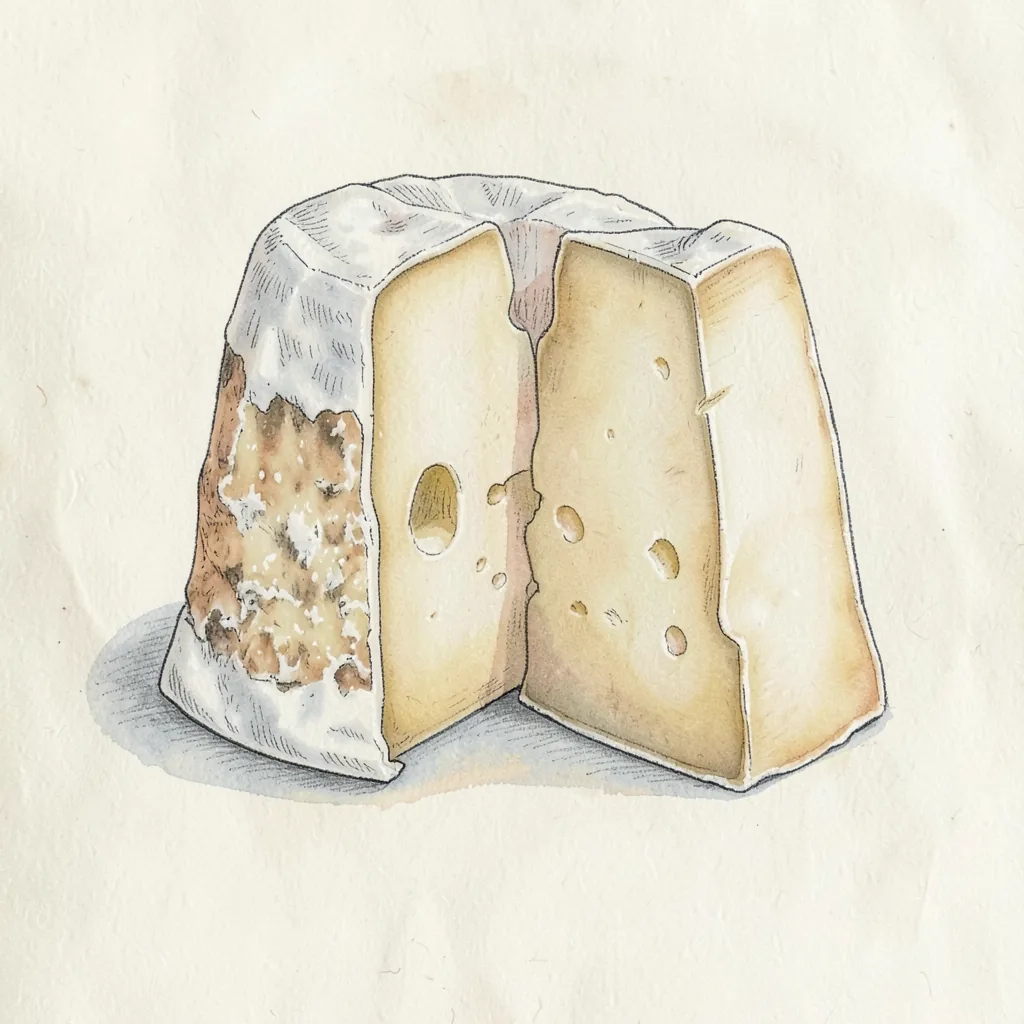
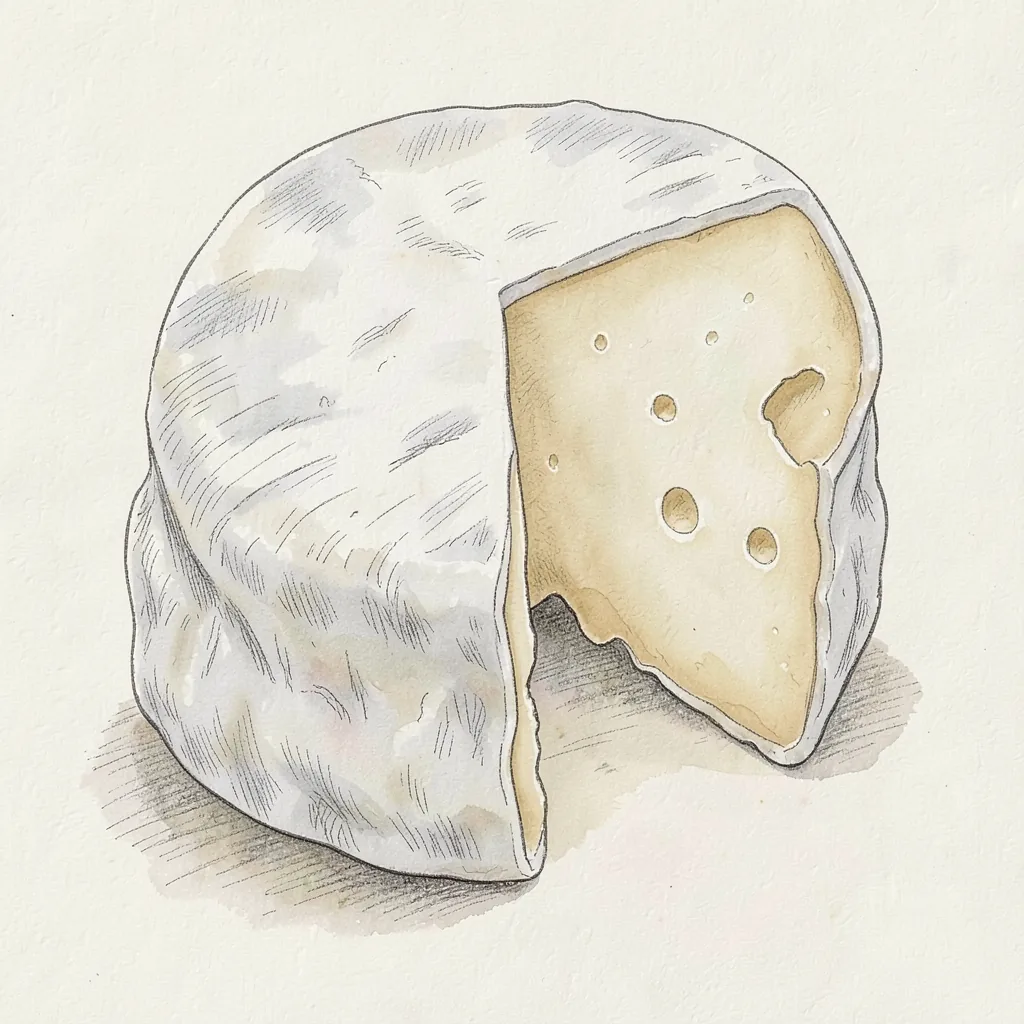
Each piece is a tall pyramid on a square base, with a thin natural rind. The paste is white and moist, a little crumbly at the center, and creamier near the surface as it ripens. The taste is tangy, lightly salty, and gently sweet, with a clear goat note. It is a board cheese in a small mold, not a large pressed wheel.
The shape is the first clue on the counter. The pyramid stands taller than it is wide, which is why some people compare the outline to a small tower. The rind may look white at first and later show gray-blue mold, which is a normal surface growth. There is no ash coat on the outside and no blue vein in the paste. Farmhouse cheeses and dairy cheeses both exist, and both should keep the pyramid and the goat's milk.
History
Goat's milk cheeses in small molds have long been made in Centre-Val de Loire. Pouligny-Saint-Pierre took its name from that area and became known for the tall pyramid. The form was practical for draining a delicate curd, and it also made the cheese easy to recognize at market. Farm production and larger dairy production both continue today. The region on the label is Centre-Val de Loire, and the milk is always goat's milk.
The cheese stayed a surface-ripened goat cheese rather than turning into a hard aged wheel. Buyers learned to read the rind as a sign of age. A pale, lightly molded coat usually means a younger, milder piece. A more wrinkled coat with gray-blue color means more cellar time and a stronger goat flavor. The pyramid itself did not change, and that steady shape kept the cheese recognizable far from the region.
How it is made
Makers set goat's milk with a light dose of rennet, so the curd stays tender. They ladle it into tall pyramid molds with small holes, and the whey drains without a heavy press. When the cheese holds its shape, it is turned out and salted on the surface. It then dries in a cool, airy room while a thin natural rind begins to form. The interior stays pale and moist while that coat develops.
No ash is rubbed on the pyramid, and no brine wash is used to build an orange coat. The surface mold comes from the air of the aging room. A cheese can leave that room while the center is still soft, bright, and a little chalky. A longer stay lets the paste under the rind turn creamier and the goat aroma grow. The classic piece is made from raw goat's milk, and you can check the shape and the rind with your eyes.
Taste
Young Pouligny-Saint-Pierre tastes fresh, tangy, and lightly salty, with a clean goat aroma. The center can feel a little chalky, while the paste near the rind is softer and moister. A sweet note and a hint of herbs or dry hay often follow the first acid. The rind smells mildly of mushrooms or cut grass when it is in good condition. Bitterness should stay low, and the finish should feel clean rather than sharp or soapy.
With more age, the goat character becomes clearer and a nutty note can appear. The texture moves from a bright crumbly center toward a creamier layer under the rind. A good piece still smells fresh, even when the coat is wrinkled and gray-blue. If the aroma is harsh, chemical, or strongly of ammonia, the cheese has gone too far. Let it warm before serving so the salt, the tang, and the gentle sweetness can all show.
In the kitchen
Serve the pyramid on a board and cut from the top toward the base so each portion has rind and paste. Bread, walnuts, and a slice of pear or a little honey are enough beside it. Crumble it over a green salad or a warm salad of beets, where the tang lifts the leaves. The rind is edible when the mold looks clean and dry, and many people eat it with the paste. A riper piece can be spread on toast once the paste under the rind has softened.
You can warm a halved pyramid until the center softens, then eat it with bread. It will not stretch, and it will not form a smooth cheese sauce the way a melting cheese does. Strong spices cover the goat and hay notes, so keep herbs light if you use any. Do not grate it like a hard cheese, because the paste clumps and the rind gets in the way. Wrap the cut cheese, since the surface dries and the smell can move to other food nearby.
Around the world
Pouligny-Saint-Pierre is known beyond France, but it is still a specialty item in many countries. Look for the tall pyramid together with goat's milk on the label. A shorter pyramid with a flat top and a coat of gray ash is a different Loire goat cheese. Paste color alone is not enough, because several goat cheeses turn wrinkled and ivory as they age. The name on the ticket should match the shape you see in the case.
Valençay is the cheese most often confused with it. Valençay is also a goat's milk pyramid from Centre-Val de Loire, but it carries ash and the top is cut flatter. Selles-sur-Cher is a small round goat cheese, often ashed, from the same broad region. Crottin de Chavignol is a little round that dries and grows stronger with age. Any of them can stand in on a board, but only the tall plain pyramid carries this name.