Cow
What it is
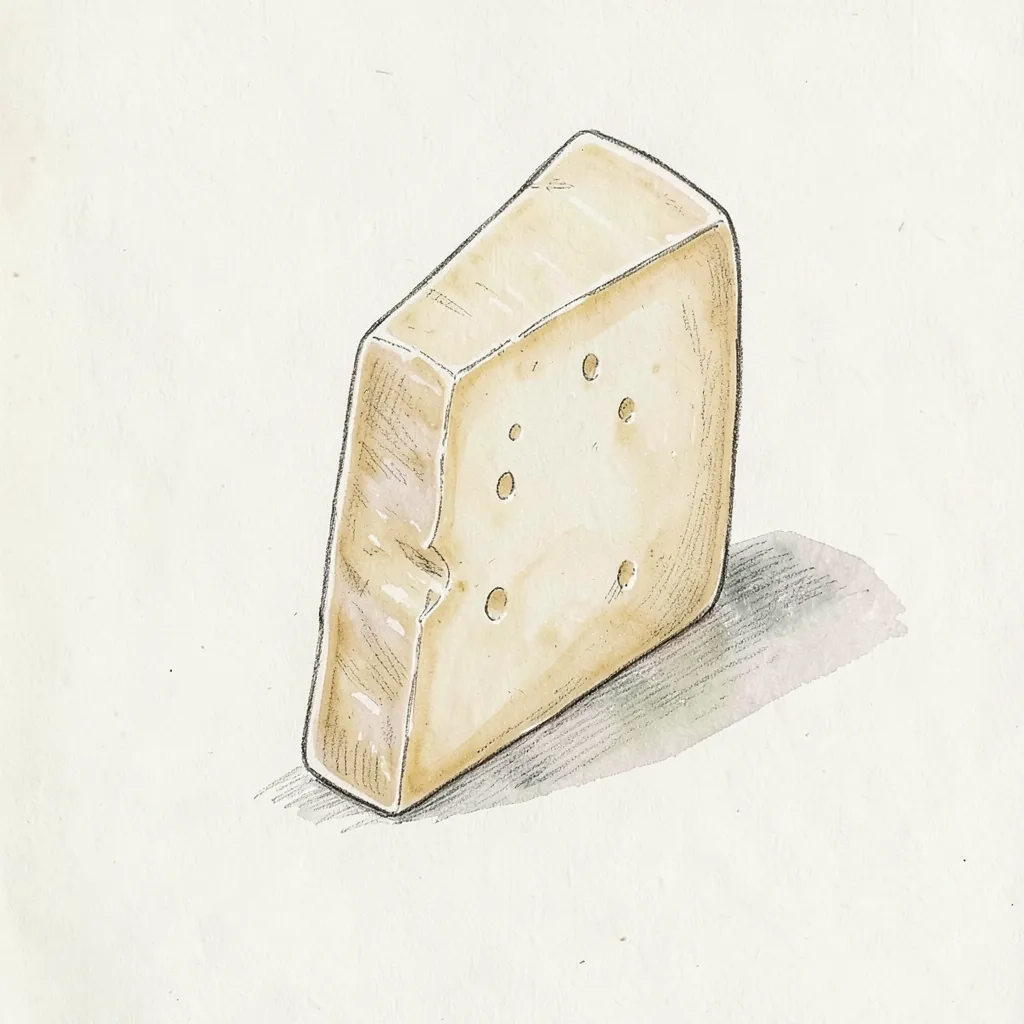
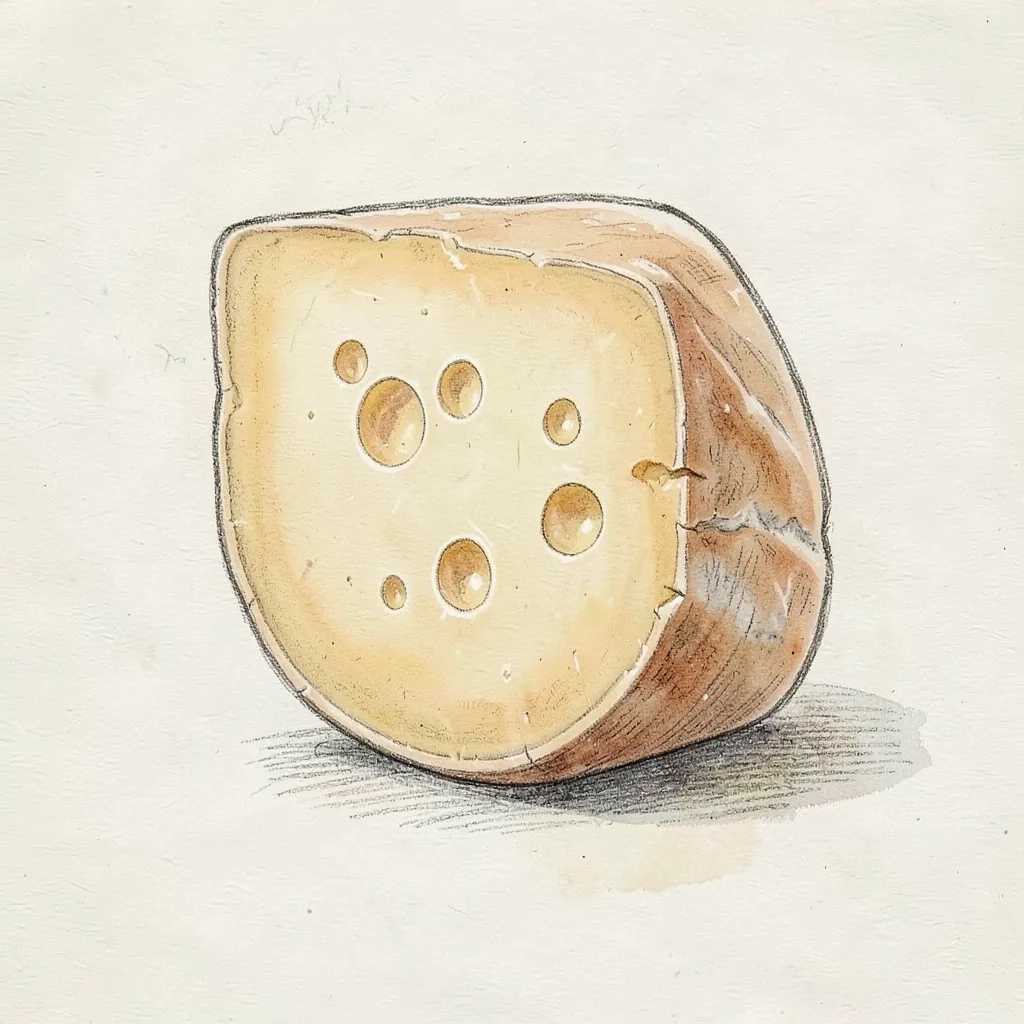
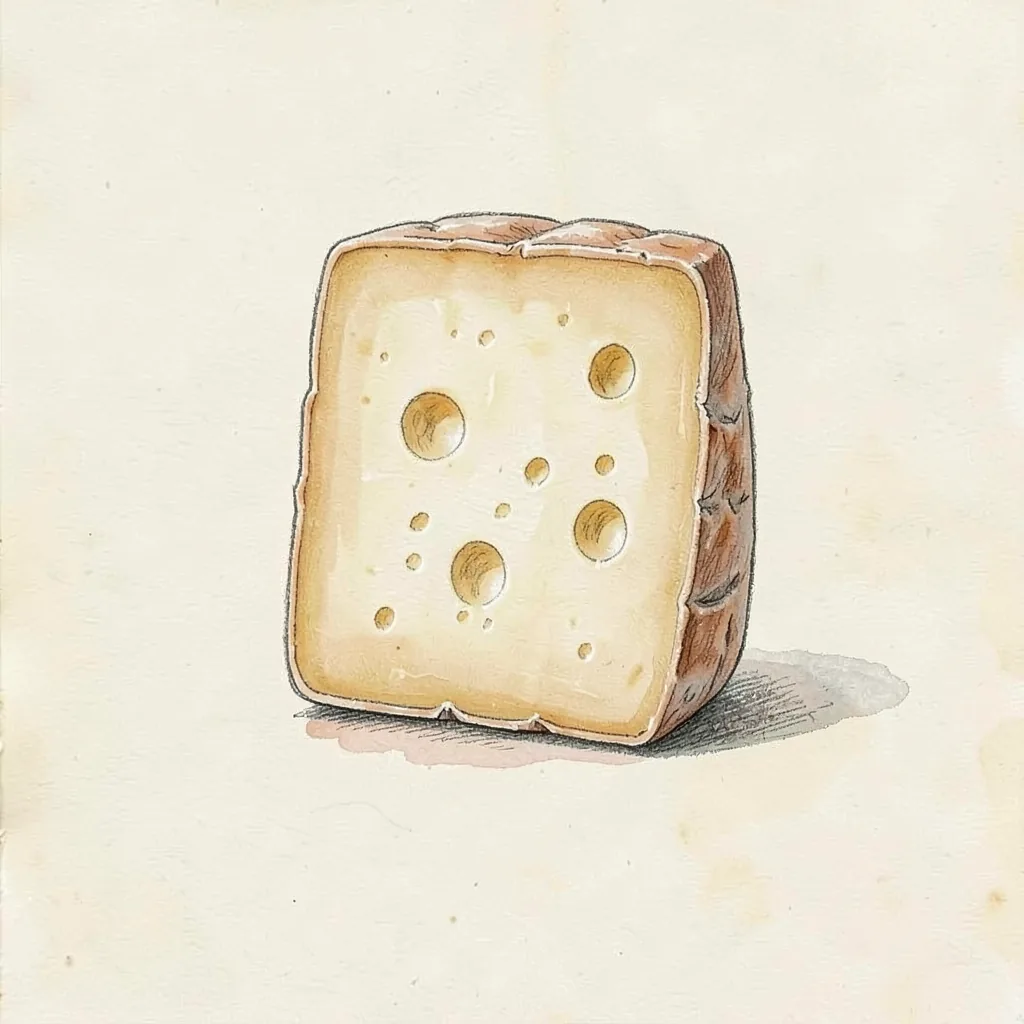
It is a pasteurized cow's milk cheese with a firm hard paste and a creamy taste. The brand name points to Coleraine, where the line began, while the cheddar itself is made in Portadown. Shoppers meet it as a block, not as a clothbound farmhouse wheel. Mild, medium, and mature versions are sold under the same brand.
The color runs through the usual cheddar range, from pale cream to a deeper yellow. Young paste is close and smooth, and a mature block is sharper and a little drier. It is still an everyday eating cheese, not a very old clothbound wheel. There is no mold rind to wash and no bloomy coat to ripen. In Northern Ireland it is a grocery cheese for sandwiches, cooking, and the board, and the name on the pack is what marks this brand.
History
The brand grew from a dairy plant in Coleraine that handled milk products and then added cheddar. The name stayed with the cheese after cheddar making moved to a factory in Portadown. That move is why the town in the brand and the town where the blocks are made are not the same place. The cheese remained a Northern Irish brand rather than a single-farm recipe. Households kept buying it as a familiar block cheddar.
The range grew to include mild, medium, and mature cheddars, so one brand could cover more than one taste. All of them are pasteurized cow's milk cheeses made in the cheddar style. The blocks are the natural cheese of the brand, pressed and aged, not a processed slice from a different line. The story is industrial and local at the same time. It is a brand with a place name, not a cheese limited to one farmhouse method.
How it is made
Makers use pasteurized cow's milk for the brand. They add starter and rennet, cut the curd, and cook and stir it in the cheddar manner. The curd is then cheddared, which means it is stacked and turned so the pieces mat and lose whey. Salt is mixed through the curd before it is hooped. The curd goes into molds and is pressed into the blocks sold in shops.
The blocks are aged until the mild, medium, or mature taste of the brand is reached. A shorter age keeps the cheese creamy and gentle on the tongue. A longer age brings a sharper, more savory bite and a slightly firmer crumb. The finished cheese is usually rindless and ready to cut into slices or grate. Because it is a brand, texture and salt are kept steady from pack to pack, with no wild rind in the plan.
Taste
Mild Coleraine Cheddar tastes creamy, milky, and lightly salty, with a smooth bite. Medium blocks add a clearer cheddar savor without a harsh edge. Mature blocks are sharper, nuttier, and a bit drier, but they stay in the range of a grocery mature cheddar. The aroma is clean and dairy-like. There is no smoky note, no blue vein, and no washed-rind funk.
Color and age change the impression more than any added flavoring does. A pale mild block is the quietest on the board. A deeper mature block has more tingle on the tongue and a longer savory finish. The paste should slice cleanly, though a mature piece breaks more readily under the knife. A bitter smell or a greasy cracked face means the pack is tired, while a good piece is straightforward, salty, and satisfying.
In the kitchen
Coleraine Cheddar is a cooking cheese as much as a board cheese. Grate it over baked potatoes, melt it into a sauce, or lay slices on toast. It works in sandwiches with something crisp, because the creamy body softens but does not vanish. A mature block gives more flavor from a smaller amount. A mild block is the one to melt when you want a smooth and gentle sauce.
For a board, cut thick slices and serve them with bread, apple, or a spoon of chutney. The cheese also grills well on a burger or on a piece of bread. Do not expect the craggy crystals of a very old farmhouse cheddar. Heat makes it stretch and then oil if you push the pan too far, so melt it gently. Keep the pack closed after cutting, because the face of a block dries in the air.
Around the world
Coleraine Cheddar is best known in Northern Ireland, where it is a familiar supermarket brand. It also reaches other parts of the United Kingdom through ordinary grocery channels. Outside that market it is less visible than large national cheddar brands. Buyers abroad should read the pack, because the name can be confused with cheddar in general and with the town of Coleraine. The cheese to look for is the branded block made in Portadown.
A plain cheddar is the right substitute in recipes and in sandwiches. Cathedral City is another widely sold cheddar brand and can stand in when you want a creamy, steady block. The flavor will be similar in kind, not identical to this Northern Irish brand. Dubliner is a different cheese that people sometimes reach for when they want an Irish-made block. It is sweeter and not a Coleraine cheddar, so use it only if a cheddar taste is not required.