Cow
What it is
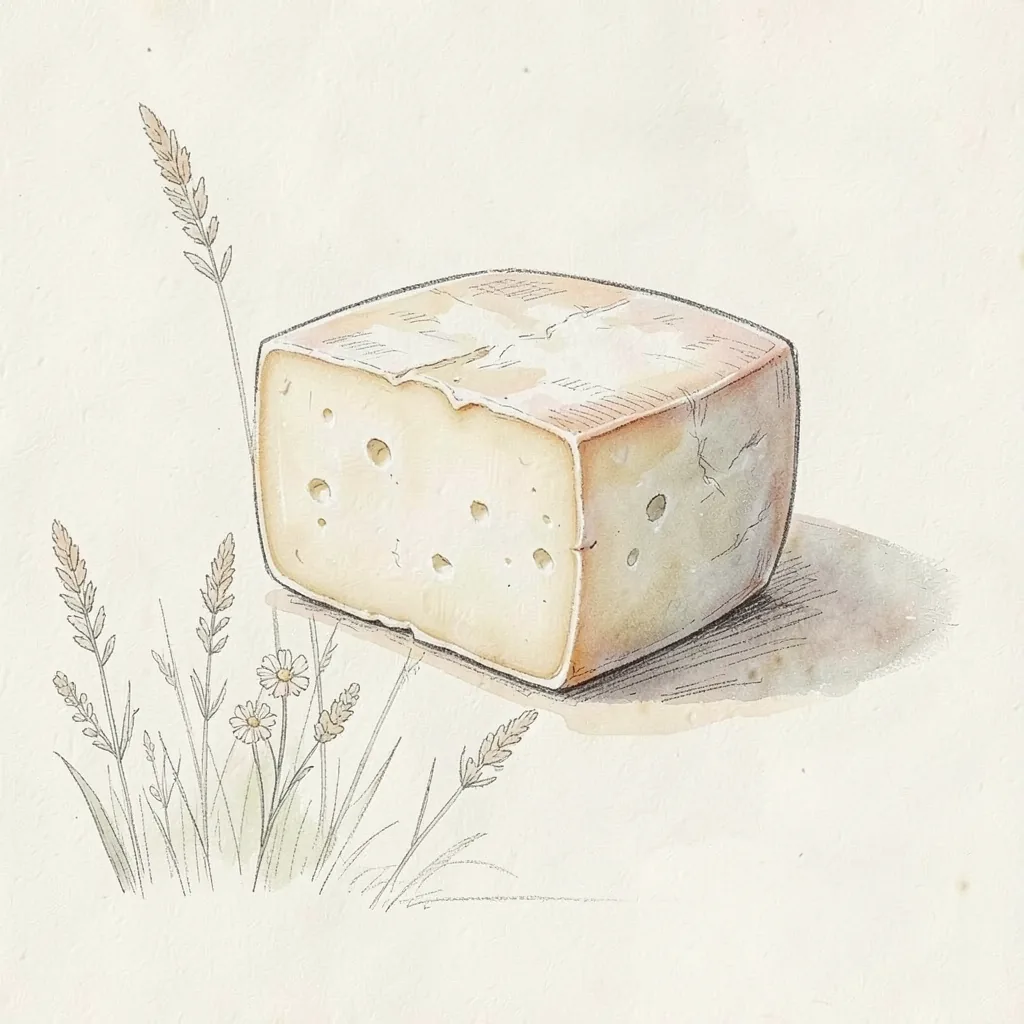
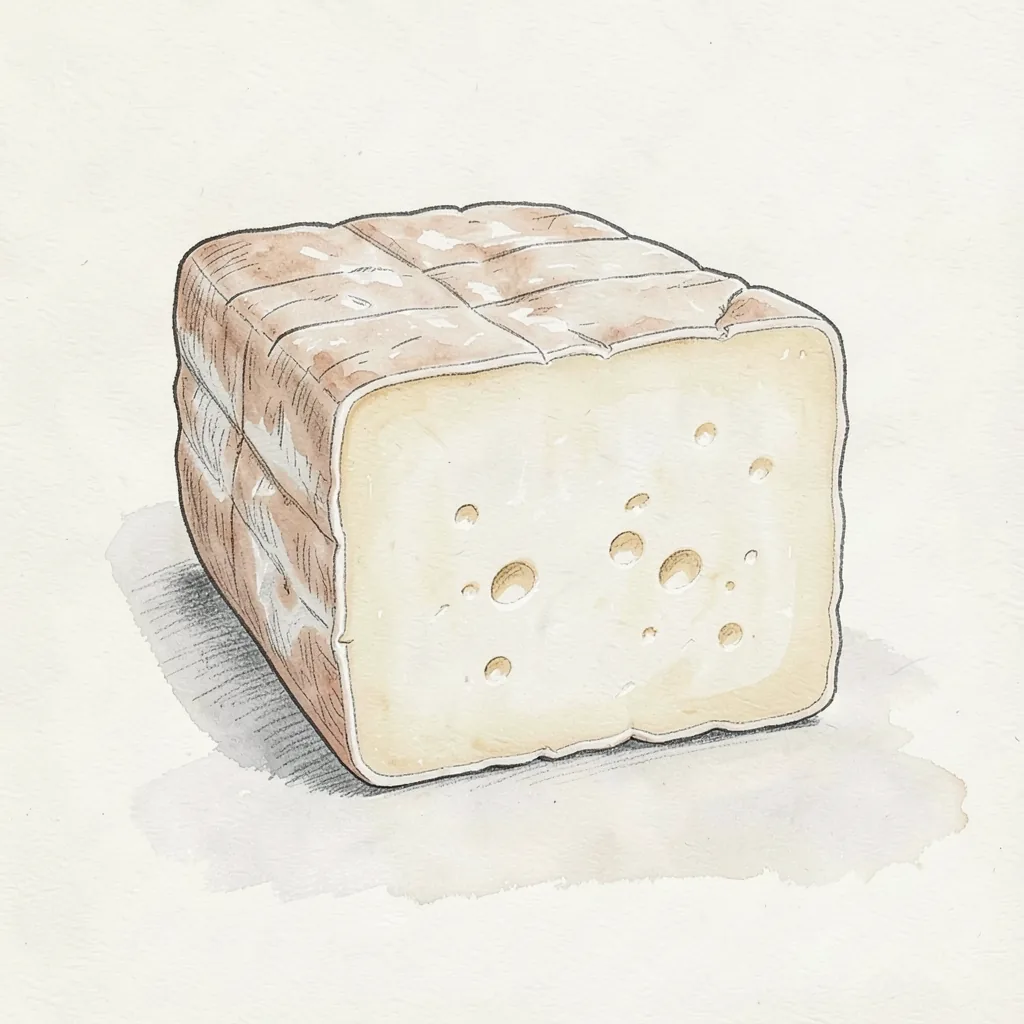
The Spanish word means creamy, and the paste is white, smooth, and moist. There is no real rind, and the cheese is sold in vacuum packed blocks for slicing. The taste is mild, lightly salty, and lactic. It is an everyday cheese in Argentina, used both on the table and in hot dishes.
The style comes from Italian soft cheeses such as crescenza, adapted to Argentine dairies and Argentine meals. It melts readily, which is why pizza cooks and home cooks use it when they want a mild, soft pool of cheese. A thick slice with quince paste or sweet potato paste is a familiar sweet plate. The block is young in character, not sharp, and it should taste clean. A sour or yeasty piece has gone too far.
History
Cremoso grew in Argentina as dairies adapted Italian soft cheeses to cow's milk from local herds. Crescenza is the relative most often named, and the Argentine cheese kept the mild, high moisture character of that family. It was not tied to one village or one founder. It became a national staple, the block in the home fridge and the cheese at a pizza counter. Sweet pastes belonged with it from early on, especially quince paste and sweet potato paste.
As pizza and savory pies spread through Argentine cities, cooks found that this mild cheese melted evenly. The table use never went away. A slice with dulce de membrillo, the quince paste, or with dulce de batata, the sweet potato paste, is still a familiar finish. Large dairies now make most of what the shops sell, in neat sealed blocks. The idea remains a young, creamy cow's milk cheese for every day.
How it is made
Dairies start with cow's milk, often pasteurized, and they may add cream for a richer body. Lactic cultures sour the milk gently, and rennet sets the curd. The curd is cut, stirred, and placed in molds so whey leaves without drying the paste into a hard grain. Salt goes into the curd or into a short brine. The goal is a smooth, springy mass, not a crumbly one.
The young blocks then rest long enough for the mild flavor to settle, still far short of a long aged cheese. They are not washed, not pierced for blue mold, and not pressed into a dry wheel. Many are sealed in plastic so the moist surface does not dry out. No rind is meant to form. The finished cheese is white, supple, and ready to slice, with a clean taste from heat treated milk in the usual dairy version.
Taste
Cremoso tastes milky, slightly tangy, and softly salty, with a clean finish. There is no sharp bite, no blue vein, and no bitter rind. The fat makes it feel rich without being heavy, and the paste yields under a knife. A cold slice is firmer and quieter. At room temperature it softens, smells sweeter, and can even slump at the edge, which is normal for this moist cheese.
Next to mozzarella, Cremoso is creamier and a little more lactic, and it may taste a touch saltier. Next to cream cheese, it is sliceable and less sour, with a springier body. The aroma is fresh dairy, sometimes with a faint cultured note. It should not smell sharply acidic. Salt stays in the background so the cheese can sit beside sweet paste or tomato sauce without a clash, and the color is an even white.
In the kitchen
Slice Cremoso for sandwiches, or lay it on pizza, where Argentine cooks often use it in place of mozzarella. It melts into empanadas, tarts, and baked vegetable dishes, and it softens quickly, so watch the heat. On a plate, pair a thick slice with quince paste or sweet potato paste. It can go into a salad when the slice is cold and the dressing is light. It is not a grating cheese, and a grater will mash it.
The whole block is edible, because there is no rind to trim. Pat the surface if it weeps in the pack, then cut even slices. For a melt, shred or tear the cheese so it heats at one pace. It will not brown and stretch in quite the way a dry mozzarella does, and the result is softer and creamier. Keep it cold and covered, and use it while the taste is still fresh and sweet.
Around the world
Outside Argentina, Cremoso appears in Latin American markets and in shops that stock foods for Argentine kitchens. The plain idea of a creamy cheese can confuse buyers, because many countries use those words for a different product. Look for an Argentine cow's milk block with a mild slice and no rind. It is not cream cheese in a foil brick, and it is not a fresh whey cheese. At home it is ordinary grocery food, not a rare wheel.
Mozzarella is the usual substitute when a recipe needs melt and this block is missing, though it is often stringier when hot. Stracchino is closer in spirit, a young Italian cow's milk cheese with a soft lactic taste. Quartirolo Lombardo is another mild Italian relative with a tender paste. Cream cheese will spread, but it will not slice or melt on a pizza in the same way. For the sweet plate, any young mild cow's milk cheese can sit beside the quince paste.