Cow
What it is
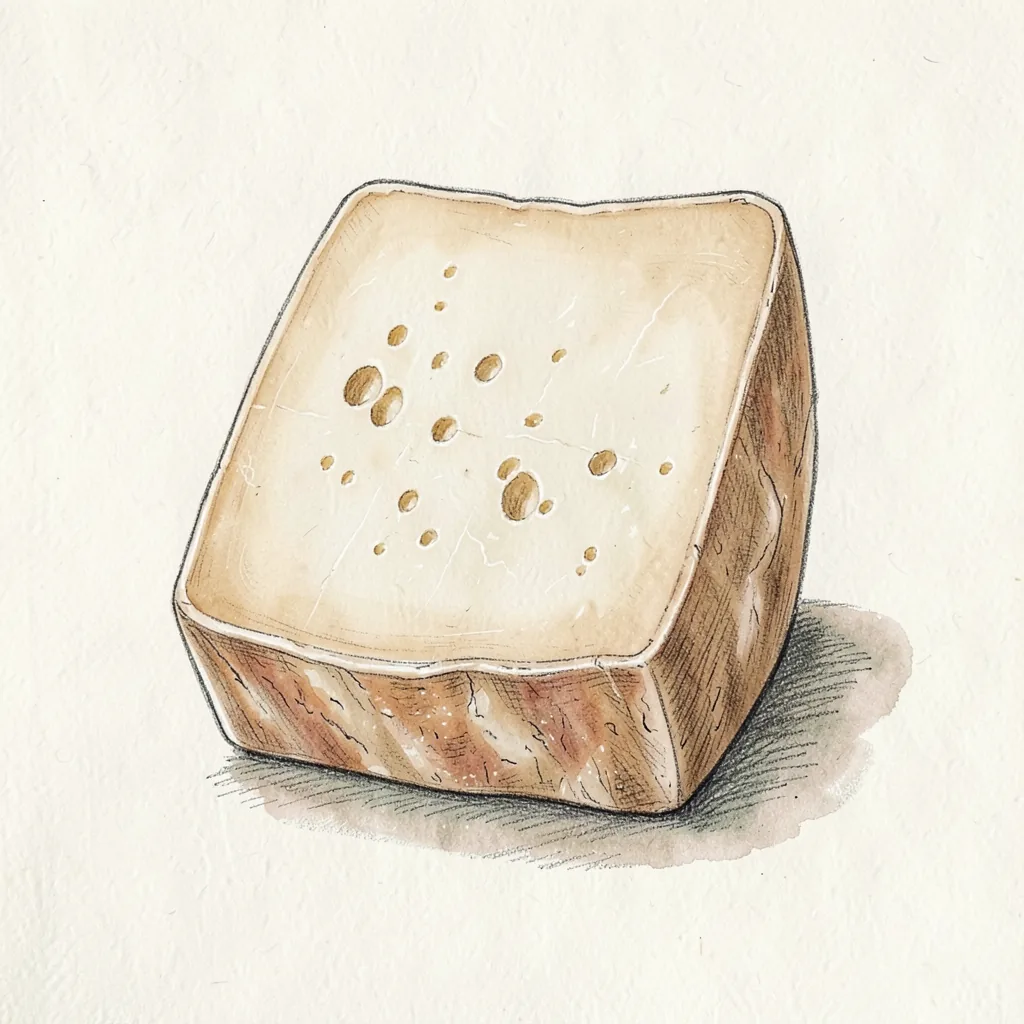
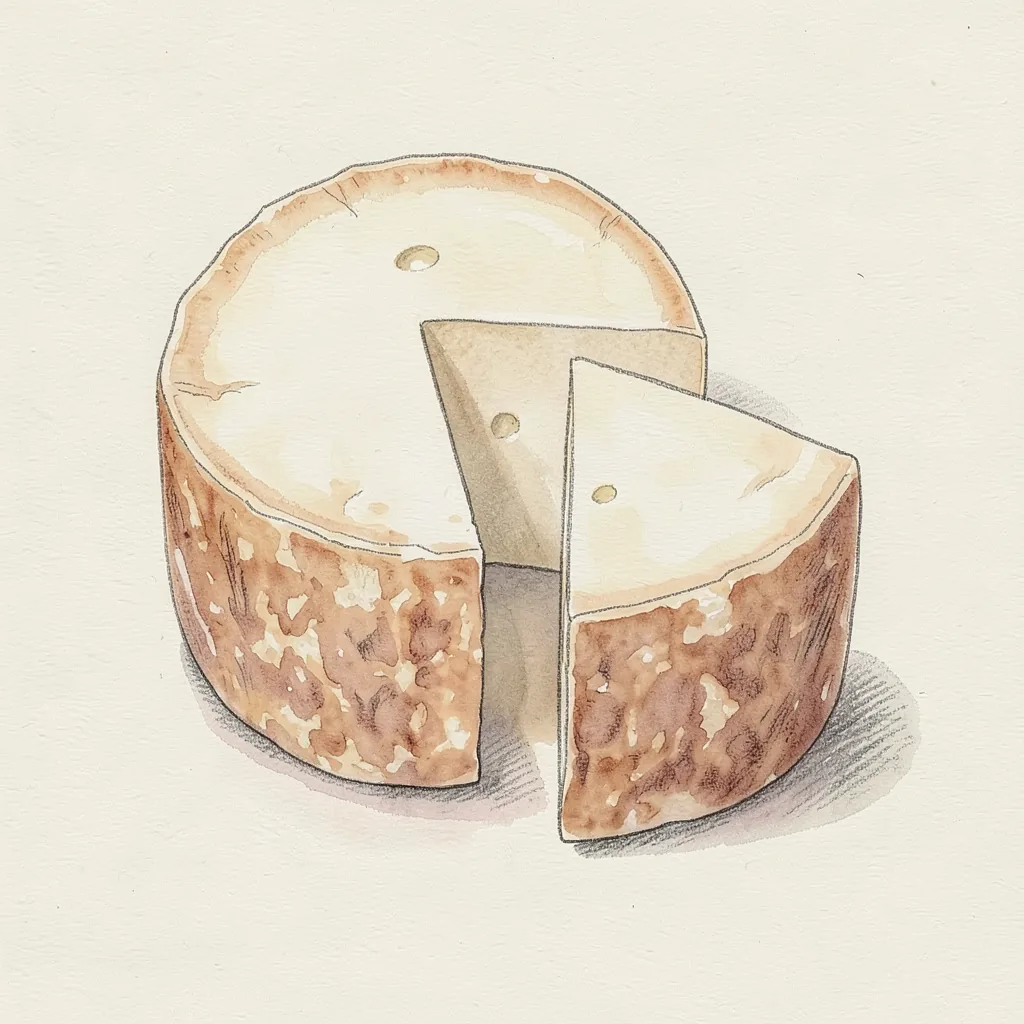
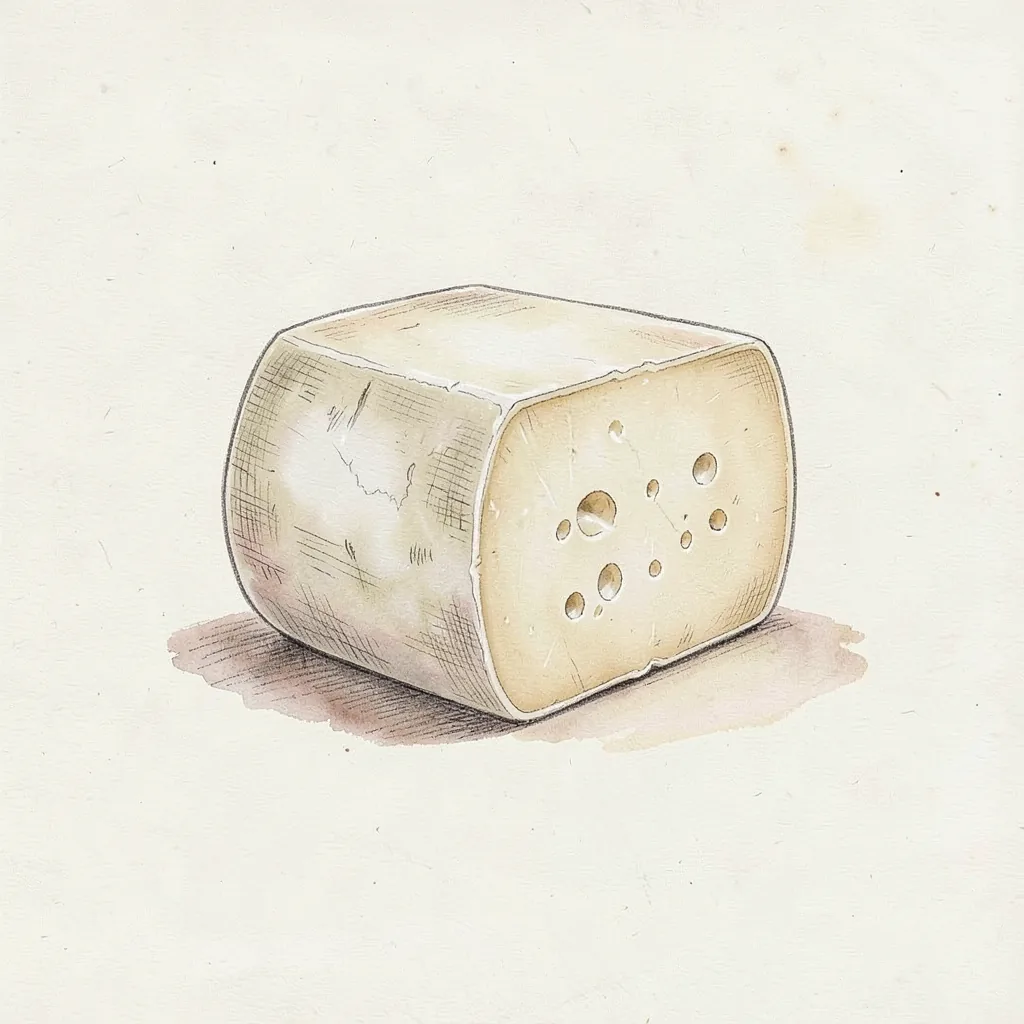
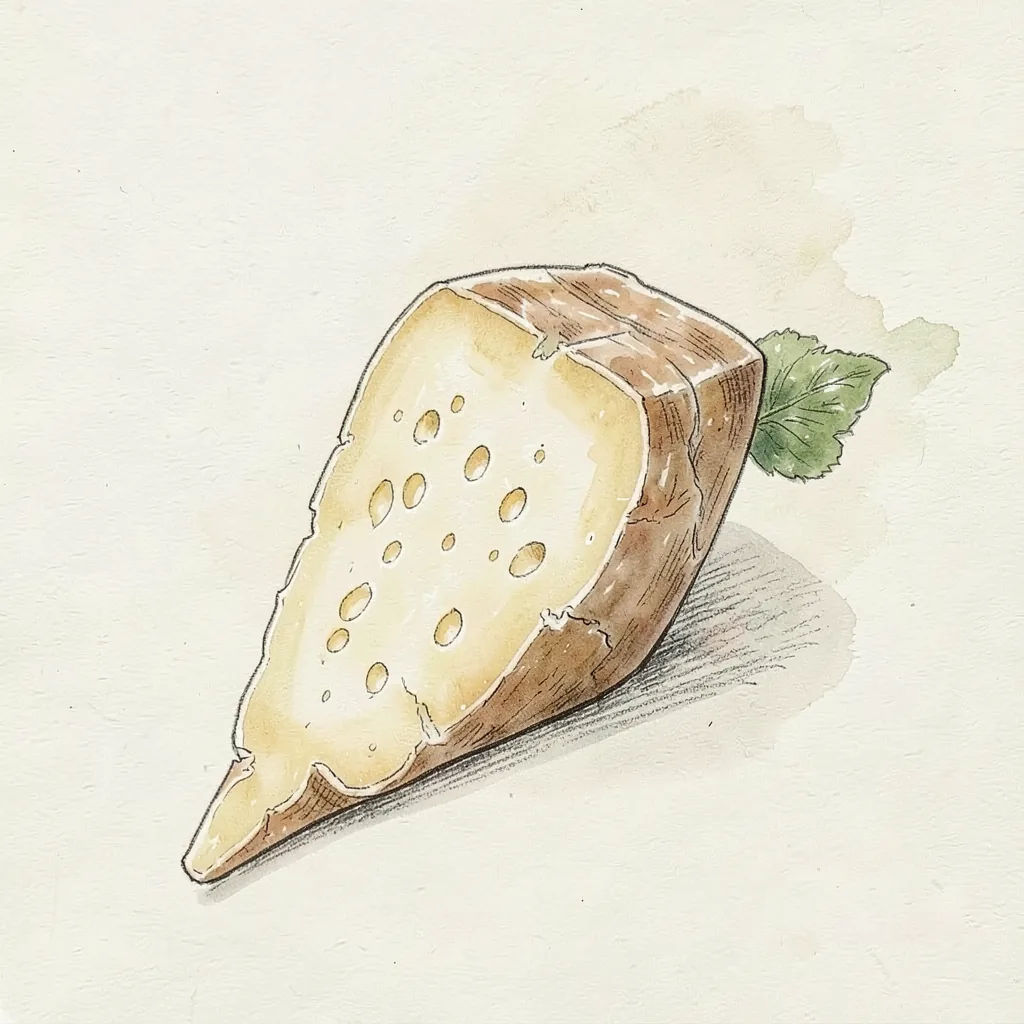
Makers use raw milk, and the finished paste is pale gold rather than bright white. A young piece is firm, mild, and salty. With age the flavor deepens, and the texture can become very hard. Cooks know it as a grating cheese, also sold as queso criollo or criolla.
Shops in Mexico sell it for everyday cooking, not only for a cheese board. Grated Criollo goes over tortillas, quesadillas, beans, and rice. A younger wedge can sit in a sandwich or beside a salad, where the mild salt is enough. An old piece is too firm for a soft bite and belongs on a grater. The yellow color is the easy clue when several white fresh cheeses share the counter.
History
Criollo cheese belongs with the Mexican cow's milk cheeses kept for cooking. The name means creole, and it sets this yellow cheese apart from the many white fresh cheeses of the country. It was not built as an export brand, and it did not need one famous maker to stay in use. Cooks kept it because the paste could be grated over hot food. That plain kitchen role is why it remained a market cheese in Mexico.
As the cheese ages, it moves from a firm wedge to a hard grating cheese. That range let one cheese cover more than one job. Younger pieces stayed mild enough for a sandwich or a salad. Older pieces took the place of a dry cheese over beans and rice. The yellow color remained the marker, because most cheeses beside it in the same shops are white.
How it is made
Criollo cheese is made from raw cow's milk. The milk is set, the curd is drained, and salt goes into a pale yellow paste that can hold a shape. Makers form it so the cheese can be cut while young and grated once it firms. The yellow color belongs to the paste itself, not to a wax coat. It is not a fresh crumbly cheese, and it is not stretched like a pasta filata cheese.
Time in storage is what splits the styles you meet in a shop. A shorter rest leaves a firm cheese with a mild, salty taste that still slices. A longer rest drives off moisture, hardens the paste, and makes the flavor stronger. There is no thick bloomy coat and no orange washed rind to judge by. Because makers do not all age it the same way, ask whether the piece is for slicing or for grating.
Taste
Young Criollo tastes mild, salty, and a little savory, with a clean dairy finish. The paste is smooth and pale yellow, and it slices without crumbling like a fresh cheese. Salt is present from the start, but it is not yet the fierce salt of a very dry grating cheese. The smell is milky rather than pungent. Nothing in the flavor suggests herbs, smoke, or a blue vein.
Aging is the main change you can taste and feel. The cheese grows harder, saltier, and more forceful, and the yellow paste loses moisture. At that stage it behaves as a grating cheese more than as a sandwich cheese. Cooks often compare a young piece with mild Muenster, while an older piece is drier and sharper than that comparison allows. Choose the age that matches the dish, because the two stages are not the same cheese in the kitchen.
In the kitchen
Grate Criollo over warm tortillas, quesadillas, beans, or rice so the salt and the yellow shreds season the dish. A younger piece can go into a sandwich or onto a salad, where it stays mild. Do not expect long stretchy strands of melted cheese. Heat softens it a little, but it will not behave like a pizza cheese. Use a light hand with extra salt, because the cheese already carries some.
On a board, choose a younger wedge and cut small slices rather than thick slabs. Older cheese is better in a pile of shreds than in large chunks. It pairs with beans, corn, tomato, and mild chili rather than with a sweet glaze. If you only have Muenster, use it for the mild young style, not for a hard aged piece. Cotija is the swap when a recipe wants a dry, salty grate and Criollo is missing.
Around the world
Criollo cheese is a Mexican cheese, and the name is easy to miss because other countries use criollo for different cheeses. A cheese called criollo in Peru, Bolivia, or Argentina is not this yellow grating cheese. In Mexico the clue is cow's milk, a pale gold paste, and a texture firm enough to shred. White fresh cheeses such as panela or queso blanco belong to another family. Ask for queso criollo if the English name is not on the label.
Muenster is the usual stand-in when a shop has no Criollo, especially for a mild slice that only needs to soften. Añejo is closer when the recipe wants a hard, salty grate over beans. Cotija can also fill that dry role, and Chihuahua cheese melts more readily, so it is not the same cheese. The shared Mexican counter causes the mix-up, not a shared flavor. Read the label for a yellow grating cheese, and leave the white fresh cheeses for a different dish.