Cow
What it is
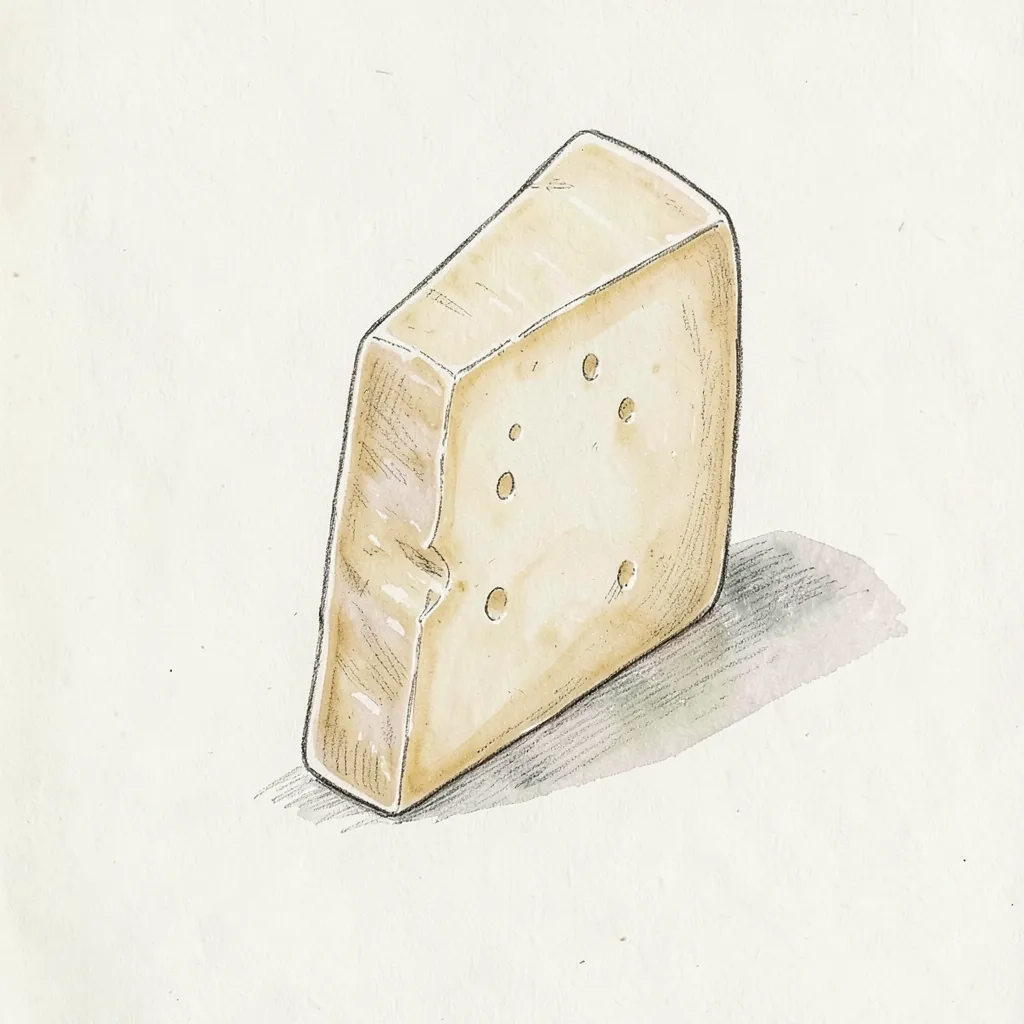
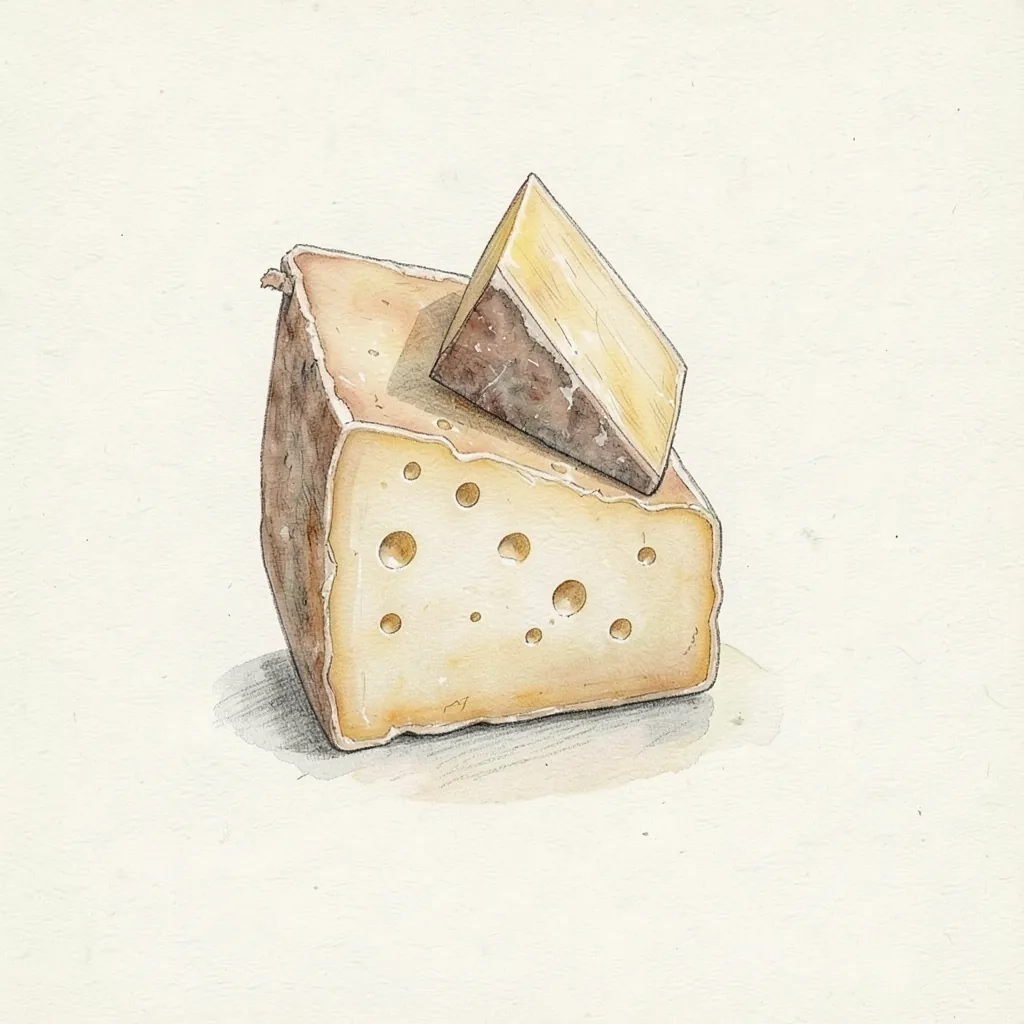
The name refers to a small cylindrical truckle, shaped like a drum, rather than to a herb or a blue mold. The farmhouse version was clothbound, with a firm paste and a medium-strong, savory taste. A black wax cheddar has also been sold under the same name, and it is a different product. The clothbound farmhouse cheese is the one older notes mean by Dorset Drum.
Shoppers now mostly meet the waxed cheese, because the clothbound farmhouse make has stopped. Wax holds moisture in, so that version stays smoother and often milder than an open clothbound truckle. Both are cheddar, and both are made from cow's milk. They are not the same cheese in the kitchen, since one dries and sharpens while the other stays moister for melting. Read the coating before you buy, and choose cloth for a board or wax for an easier melt.
History
Dorset Drum sits in the English cheddar tradition. Farmhouse makers pressed cow's milk curd into small cylinders and wrapped them in cloth so the paste could dry and take on a deeper savor. The drum shape set the cheese apart from a large flat wheel. The flavor was described as medium-strong, firmer than a young block and gentler than a very old clothbound cheddar. No single spice, beer wash, or blue mold defined it.
A second product later carried the same name into export trade. It is a cow's milk cheddar coated in black wax, still cylindrical, but it is not the clothbound truckle. Wax limits drying, while cloth lets a wheel lose moisture and grow sharper. Buyers who see only the shiny black coat can think that finish is the whole story. The clothbound farmhouse cheese is no longer made, so the waxed cheddar is the piece most shops can offer.
How it is made
The farmhouse Dorset Drum followed a cheddar method. Cow's milk was set with culture and rennet, the curd was cut, and the pieces were cheddared until they knitted together. Makers milled and salted the curd, then pressed it into a cylinder with flat ends and round sides. Cloth bound the truckle, and the cheese aged until the paste was firm and the taste medium-strong. That shape, not a printed logo, gave the drum its name.
The waxed cheese under the same name is also a pressed cow's milk cheddar, with a different finish. After the curd is pressed into a small cylinder, the wheel is dipped in black wax instead of cloth. The coat slows moisture loss, so the paste often stays moister and the flavor milder than in an open truckle. Neither version is a blue, a washed rind, or a fresh cheese. If the piece has a shiny black coat and no cloth, you have the waxed cheddar.
Taste
A clothbound Dorset Drum tasted medium-strong, nutty, and savory, with a firm bite and a clean finish. Salt was clear and not harsh. The paste was close and pale, dry enough to break into crumbs when well aged, and still sliceable when younger. It was not tangy like a blue and not sweet like a young Dutch loaf. People who knew the farmhouse truckle remember that steady cheddar savor more than any single extra flavor.
The black wax cheddar sold as Dorset Drum is usually smoother and a little milder, because the wax slows drying. It still tastes of cow's milk cheddar, with butter and a light tang. The old clothbound truckle was sharper and drier, with a more savory finish. The waxed piece melts more readily and grates with less dust. The shared name hides that split, so the coating tells you more than the words on the label.
In the kitchen
Use Dorset Drum as a cheddar. Grate a firm piece over baked dishes, soups, and eggs, or slice it for a sandwich and a ploughman's plate. The waxed version melts more smoothly in a sauce or a toastie, so keep the heat gentle and stir off a hard boil. A drier clothbound style is better on a board, where savory crumbs show. Remove every bit of wax before you eat or cook, and do not eat the cloth.
On a board, cut thick slices if the paste is moist and smaller chunks if it crumbles. Apples, celery, nuts, and plain bread all fit, and the cheese does not need a sweet glaze. For a sauce, shred the paste and add it to warm milk away from fierce heat so the fat stays mixed. Wrap the cut face, because an open cheddar dries and cracks. If you want only a very sharp powder for pasta, an older clothbound cheddar will be fiercer than a young waxed drum.
Around the world
Dorset Drum is an English name that buyers meet in British shops and in export packs of waxed cheddar. It is not a blue from the same county, and it is not a Swiss-style cheese with eyes. Outside the United Kingdom, the waxed piece is the one most likely to appear, often beside other small British truckles. The clothbound farmhouse version is rare because that make has stopped. Ask whether a piece is waxed or clothbound before you judge it against a farmhouse cheddar.
Cheddar is the direct substitute, and a firm cow's milk cheddar will grate and melt in the same recipes. Lincolnshire Poacher is another savory English cheese that can cover the board or the grater when you want a farmhouse character. Dorset Blue Vinney shares the Dorset name and almost nothing else, because it is a blue with a different texture and use. Caerphilly is crumblier and milder, so it will not replace a medium-strong cheddar. If the coat is black wax, cook the cheese like a moist cheddar.