Cow
What it is
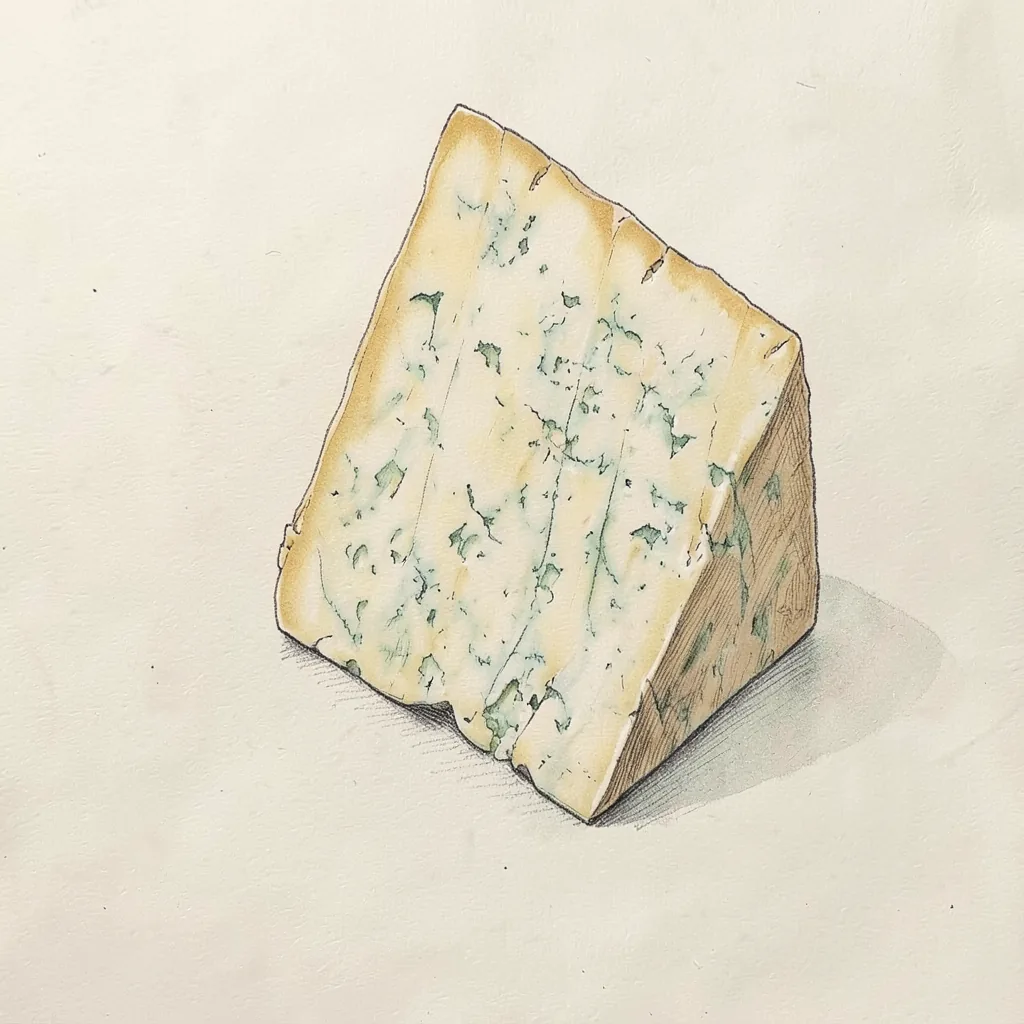
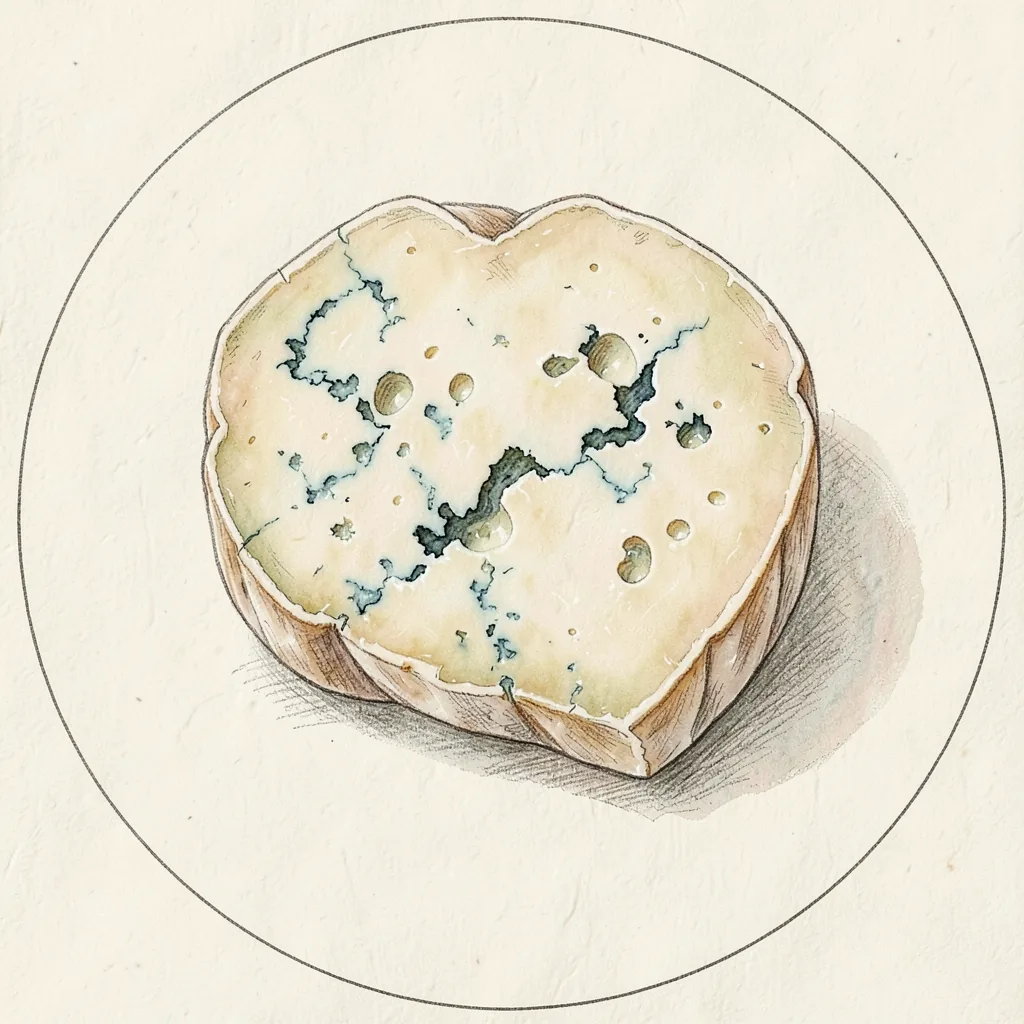
Makers use pasteurized cow's milk and a blue mold culture. The cheese is tied to the Peak District, the upland area named with it in public descriptions. A cut piece is pale and moist, with blue-green veins through the paste. The flavor is milder than many British blues, and the body is closer to a creamy continental blue.
Shoppers usually find it as a wedge from a small wheel. The paste stays soft enough to spread when the cheese is ripe, so a knife spreads it as well as it slices. Salt is part of the make, and a brine dip during aging helps the surface and the moisture. It is sold in ordinary cheese shops in Britain, and it sometimes travels to counters abroad. It is a table blue, not a hard cheese for a grater.
History
Blue cheese has a long place in the dairies of the Peak District. Dovedale is a named style inside that tradition, and it uses milk linked to the area around the River Dove. It is not Stilton, even when the same dairying country supplies both cheeses. The aim is a moist, mild blue rather than a dry, sharp one. Shops sell it under its own name, and that name should appear on the label.
Public descriptions stress local milk and a brine treatment while the cheese matures. Many British blues are dry salted, so the brine dip is a real point of difference. The result is a softer paste and a look people compare with continental blues. The Peak District link matters more than any one village on the packet. Other local blues are easy to mix up, so the full name is the thing to read.
How it is made
Makers start with pasteurized cow's milk. They add starter cultures, rennet, and a blue mold, then cut the curd and drain it in molds. Salt enters the cheese, and the young wheels are dipped in brine as they mature. That dip is part of the stated method, and it helps the paste stay moist. The mold is encouraged to grow through the interior, which draws the blue-green veins.
A finished wheel is soft rather than dry and crumbly. The veins sit in a pale paste, and there is no thick wax coat and no orange washed rind. The cheese is ready for sale when the texture is creamy and the blue taste is present but not harsh. One batch can show more veining than the next, which is normal for this style. It is a shop cheese, made in a dairy, not a project for a home kitchen.
Taste
The first notes are cream and salt, then a mild blue flavor. Dovedale is less sharp than a long-aged Stilton and less bitter than some stronger blues. The paste feels smooth and moist on the tongue. A light mushroom or cellar note can sit in the background. People who find many blues too salty often find this one easier to eat in a larger piece.
A cold wedge tastes flat, so let the cheese lose its fridge chill before you judge it. The veins carry more of the blue flavor than the pale paste around them. A ripe piece is rich without turning sticky or harsh. If the smell is sharp like ammonia, or the paste looks slimy, the piece is past its best. At a good stage the finish is clean, creamy, and gently tangy.
In the kitchen
Put Dovedale on a board with bread, pear, or a few walnuts. Crumble it over a green salad or a warm potato salad, where the mild blue seasons the dish without taking over. It can melt into a sauce or onto a baked potato, though it will not stretch. A small piece works in a burger or in butter for a steak if you want a blue note. Keep the other flavors plain so the cream shows.
The paste is soft, so a spoon or a blunt knife works better than a fine grater. Do not treat it like a hard cheese for a bowl of pasta. If a recipe expects a dry, punchy blue, taste before you add more salt, because this cheese is already seasoned. Wrap the cut face so the smell does not move into other food. It is ordinary food from a shop, and a fresh piece is meant to be eaten as sold.
Around the world
Most Dovedale is eaten in the United Kingdom, where cheese counters know the name. Shops in other countries sometimes place it beside Stilton and other British blues. The word is also the name of a valley, so a label should show that you are buying a blue cheese. Visitors who want a mild creamy blue will recognize the style even when the maker on the packet changes. Ask for the name if the case only says British blue.
Stilton is the British blue most people know, and it is usually firmer and sharper. Buxton Blue is another blue from the same part of England, and the two names get mixed up on lists. Cornish Blue is a separate cheese from the southwest, and it is often stronger. Any of those can stand in for a recipe that only says blue cheese. For the soft, mild character, choose the closest creamy blue you can find.