Cow
What it is
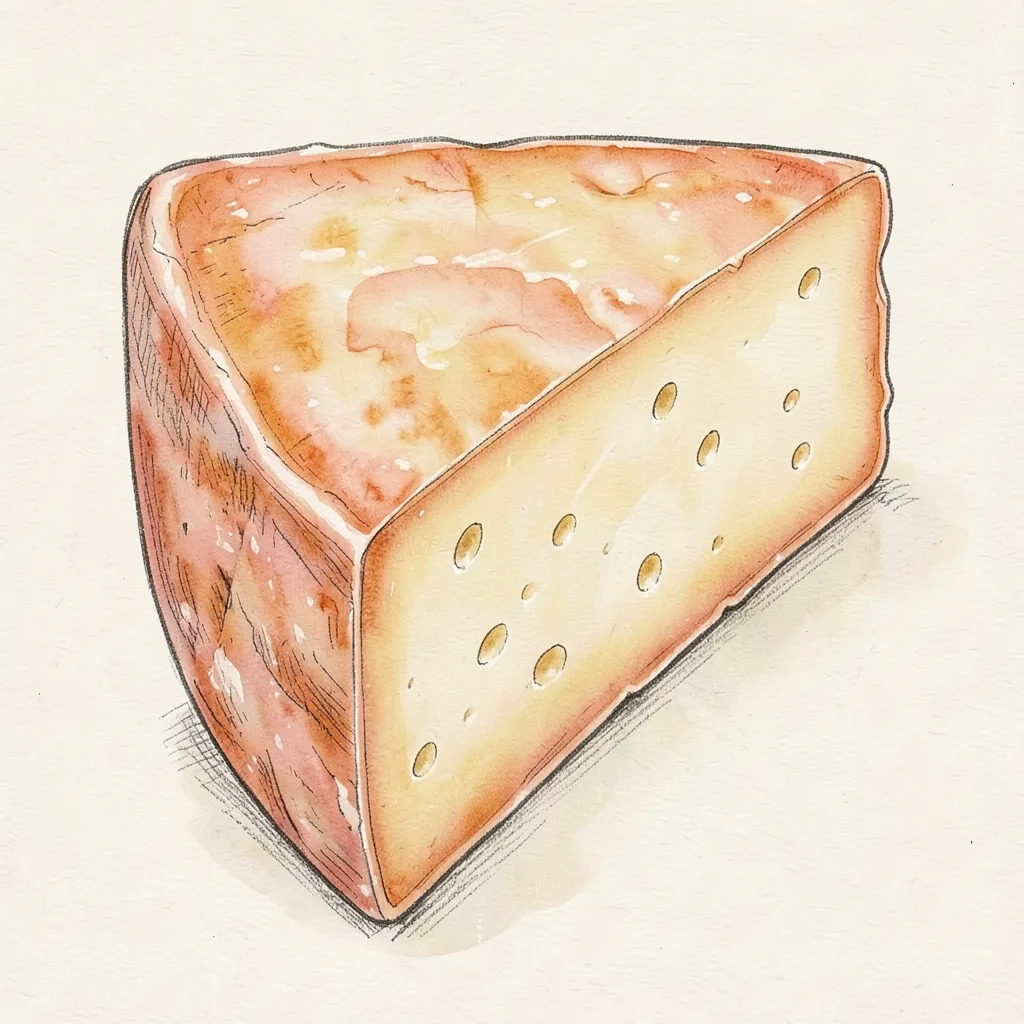
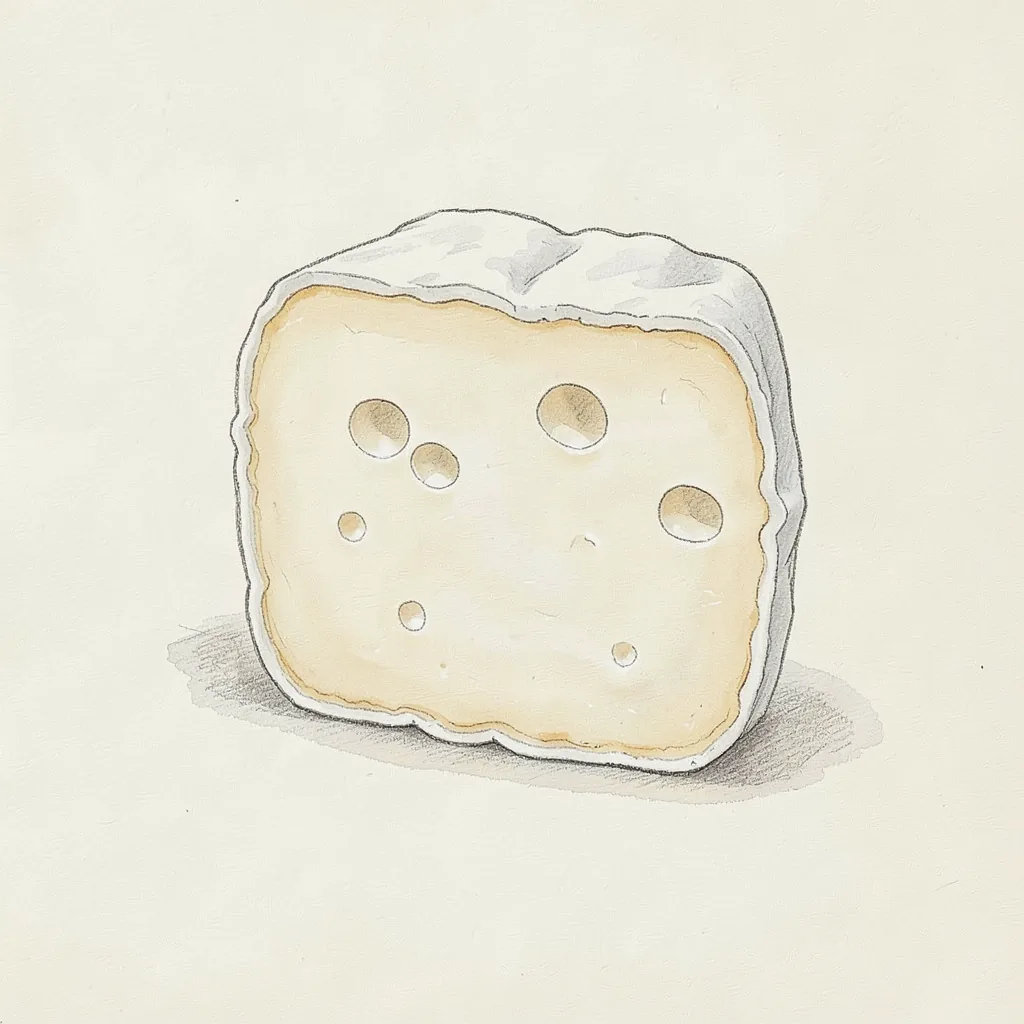
It is a relatively recent cheese, made to sit close to Vacherin Mont d'Or in taste, shape, and texture, and it is produced through the whole year. The milk is lightly pasteurized, and the paste is creamy and soft under a white bloomy rind. A strip of spruce bark circles the cheese, and the wheel sits in a small wooden box. The bark gives a light wood aroma while the cheese ripens.
The center yields under a spoon when the cheese is ready, though it is usually a little firmer and milder than a raw-milk seasonal Vacherin. You can eat it cool from the box or bake it until the middle slumps. The white bloom on the rind is part of the coat, and it is not a fault. Milk is cow's milk, and the cheese is small enough for one shared course. It is not a washed orange rind and not a hard mountain wheel.
History
Édel de Cléron is a newcomer next to the older soft cheeses of France. Makers already knew how to ripen a cow's milk cheese in a collar of spruce and a wooden box. This cheese borrows that form and uses lightly pasteurized milk so it can be made through the year. The seasonal raw-milk Vacherin stays on its own calendar. Édel de Cléron fills the rest of the year with a similar box, a similar bark band, and a gentler paste.
The cheese did not replace Vacherin Mont d'Or, and it sits beside it as a year-round cousin with pasteurized milk and a milder taste. The bark is still a real strip of spruce, not a paper print, and the box is wood. Those materials are part of the ripening, not only the package. Because the cheese is recent, old market lists do not carry it under a crowd of farm names. The box, the bark, and the soft cow's milk center are the identity shoppers should trust.
How it is made
Lightly pasteurized cow's milk is set, and the curd is ladled into small molds so the paste stays moist. After draining, the young cheeses are turned out and wrapped with a strip of spruce bark. The bark is aromatic and slightly resinous, and it holds the soft side while the cheese ripens. A white bloomy coat develops on the top, and each cheese is then set in a round wooden box that keeps the shape. Salt stays moderate so the cream can show.
Ripening lasts long enough for the bark to scent the paste and for the center to turn soft and spoonable. Production does not stop for a closed season, which is the practical difference from Vacherin Mont d'Or. The milk is pasteurized, so the flavor is steadier and usually milder than a raw-milk cheese of the same shape. The finished wheel is small, creamy, and ready to eat from the box or to warm in it. No blue piercing is part of the make.
Taste
Édel de Cléron tastes creamy, mildly sweet, and lightly woodsy. The spruce band adds a resin note that stays in the background, not a smoky taste. The paste is rich and soft, with a lactic freshness and a gentle salt. It is less wild and less pungent than a fully ripe raw-milk Vacherin. A cool piece shows more of the milky side, and a warmed piece shows more butter and more of the wood.
The rind is bloomy and pale, sometimes with a light white dust, and it is edible if you like a soft coat. Under it, the center should slump rather than crumble. There should be no harsh ammonia when the cheese is at its best, though a faint bitterness at the bark line is normal. If the whole box smells only of resin and the paste is still chalky, it is underripe. If it smells sharply of ammonia, it has gone too far.
In the kitchen
Serve Édel de Cléron at cool room temperature with bread, potatoes, and a simple green salad. Spoon the center and leave the bark in the box. You can also bake the cheese in its wooden box until the middle is hot and fluid, then dip bread or boiled potatoes into it. Keep the heat gentle so the bark does not scorch and the fat does not split. A clove of garlic rubbed on the surface is enough seasoning, and the wooden box can serve as the baking dish.
Do not try to slice it like a firm cheese once it is ripe. A knife is for opening the top, and a spoon is for serving. It melts into a soft pool, so it is a poor choice for a grated topping. Pair it with cured ham, nuts, or a dry white wine, and skip very sweet chutneys that cover the wood note. Refrigerate leftovers in the box, covered, and eat them soon, because the aroma will spread to other foods if the box is left open.
Around the world
Édel de Cléron travels more easily than some raw-milk seasonal cheeses because the milk is pasteurized, and specialty shops in several countries stock the small box. Buyers often meet it when Vacherin Mont d'Or is out of season. The spruce collar and the wooden box are the visual test. A soft cheese in plastic, with no bark, is a different product even if the taste is creamy. Read the label for cow's milk and for this name, because a bloomy round without the band will not give the wood note.
Vacherin Mont d'Or is the cheese people confuse with this one. It is seasonal, often made from raw cow's milk, and richer than this cheese, but the box and the bark look alike. Brillat-Savarin is another rich French cow's milk cheese with a white rind, yet it has no spruce band and tastes more of cream. If you cannot find Édel de Cléron, a ripe bloomy cow's milk cheese gives a spoonable center without the wood. For the baked course, Vacherin is the closer swap when it is in season.