Cow
What it is
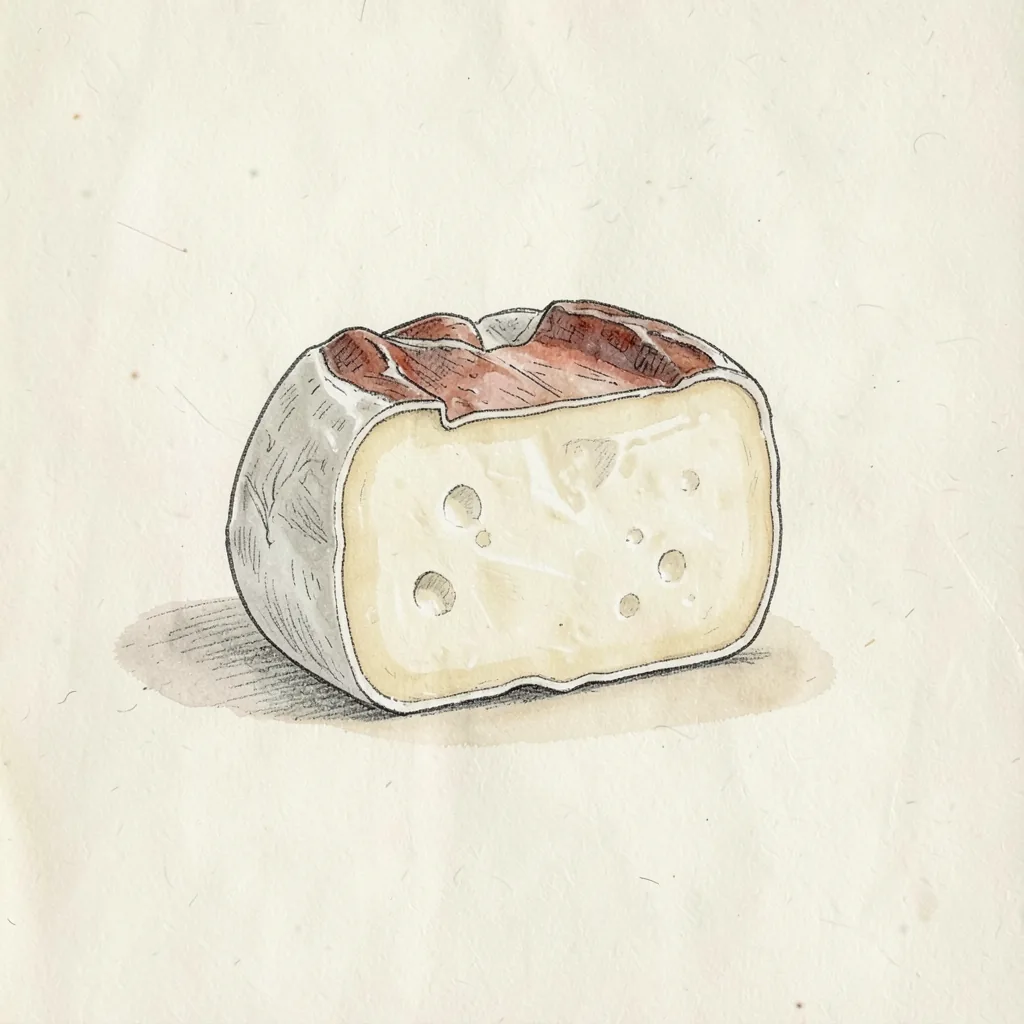
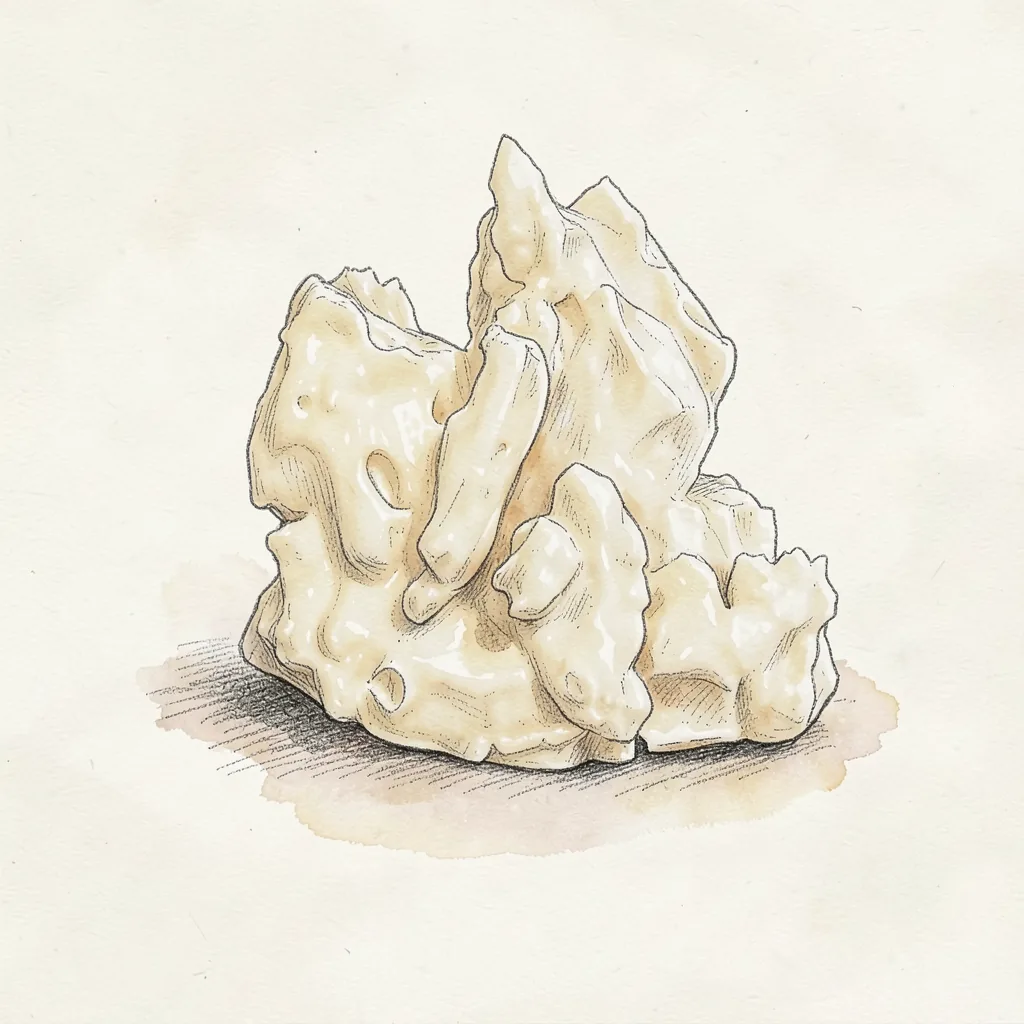
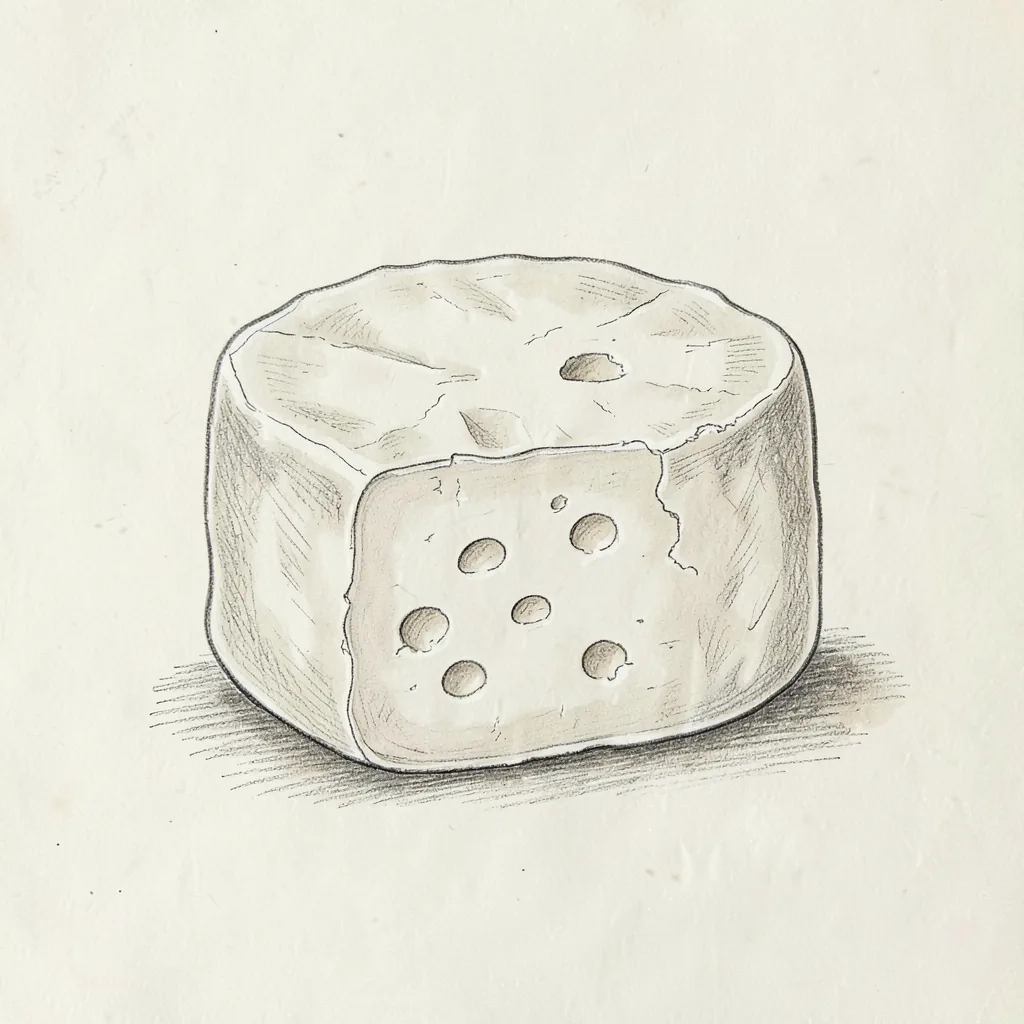
The name is also the word for the pierced mold or basket that drains it, and the cheese is often sold still sitting in that container. The curds stay loose, moist, and mildly tangy, with a little whey around them. Some pots come with a small cup of cream to pour over the top. It is meant to be eaten fresh, not aged, and it has no rind.
The flavor is clean and lactic, closer to a soft fresh curd than to a ripe soft cheese with a rind. You can sweeten it with sugar, honey, or fruit, or you can salt it and add herbs. It spreads with a spoon and collapses if you try to slice it like a firm cheese. Fromage blanc is the near relative, but that cheese is usually smoother and more fully drained. Faisselle keeps a visibly curded texture from its short drain.
History
Draining fresh curds in a perforated mold is an old farm habit in France, older than any single brand. Households set milk, ladled the curd into a basket, and ate it while it was still moist and mild. The word for the mold became the word for the cheese in the pot. Creameries later sold the same idea in small faisselles, sometimes with a separate cup of cream. The product stayed a fresh cheese, not a wheel with a rind.
Faisselle never became one tightly defined regional recipe. Dairies across France make it, and the pots look similar even when the cultures differ. What shoppers recognize is the format: a fresh curd, a pierced container, and a mild taste. Sweet service with fruit and savory service with salt and herbs are both everyday uses. The cheese does not need a long cellar life before it is ready to eat.
How it is made
Milk is warmed slightly, cultured, and set with a little rennet or with culture alone, depending on the dairy. The gel is cut or broken into soft curds, and the whey begins to run. Those curds go into a faisselle, whose holes let whey drip while the cheese keeps a fragile shape. There is no heavy press, no cooked curd, and no aging room. The cheese is cold and ready once it has drained enough to hold a soft mound.
Some producers leave a spoon of whey in the pot so the curd stays juicy, while others drain it a little longer for a thicker mound. A side pot of cream is a serving habit, not a second cheese mixed in at the vat. Salt is often left out, so the eater can choose a sweet path or a savory one. Herbs, sugar, and fruit are added at the table, not mixed into the vat. The result is a plain fresh cheese with a clean dairy smell.
Taste
Faisselle tastes of fresh milk, a soft tang, and a little sweetness, with no rind flavor and no bitter finish. The curds are tender and may feel slightly grainy, then creamy if you stir them. Whey left in the pot tastes thin and milky, not sharp. If cream is stirred in, the bite becomes rounder and less acidic. A pot that smells yeasty, gassy, or harshly sour is past its best and should be discarded.
Sugar and honey pull the cheese toward dessert and leave the dairy flavor clear if you use them lightly. Salt, pepper, and chives make it savory, a bit like a soft fresh dip. Fruit adds perfume, but the cheese itself stays plain underneath. There is no mushroom rind, no ammonia, and no nutty aged note to wait for. What you taste when you open the pot is the whole flavor of the cheese.
In the kitchen
Serve faisselle cold, in its pot or turned gently onto a plate. For a sweet plate, add honey, sugar, or fresh fruit and, if you have it, the cream from the side cup. For a savory plate, season with salt and pepper, then add chives, herbs, or a few chopped vegetables. It can fill a baked potato or sit beside a salad. Do not expect it to brown and stretch like a melting cheese.
Stirring the curd with a spoon makes it more like a thick fresh sauce for fruit or for a simple vegetable dish. Heat will tighten it and can make it split, so use it as a cold finish or warm it only with care. It is a poor grater and a poor wedge for a cheese board. Fromage blanc or quark can replace it in most of these roles. Finish an open pot quickly and keep it refrigerated, because fresh curd does not improve with time.
Around the world
Outside France, faisselle appears in French grocers and some larger cheese shops, usually in a small drained pot. The label may not translate the name, so look for a fresh curd sold in a pierced container. It is not the same item as a wrapped block of cream cheese, even though both are soft and fresh. Cream cheese is denser, fattier, and much smoother. If you only need a mild fresh curd, fromage blanc, quark, or cottage cheese will be easier to find.
Fromage blanc is the closest swap, and French recipes often allow it in place of faisselle. The texture will be silkier and less like separate curds in a basket. Quark and cottage cheese are the practical stand-ins abroad when the dish is savory. Cottage cheese is lumpier and saltier, so drain it if the dish should stay mild. Petit-suisse is smaller and richer, so use it when the plate is meant as a dessert.