Cow
What it is
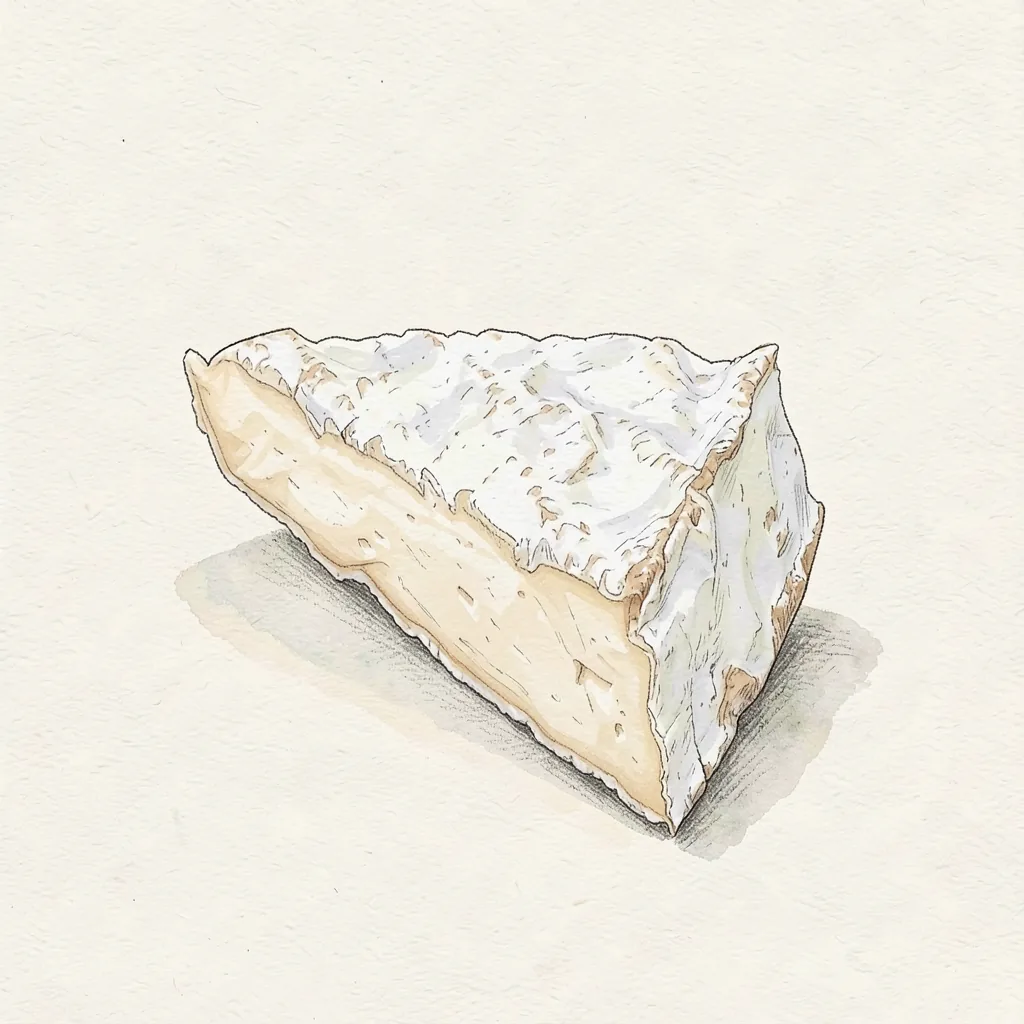
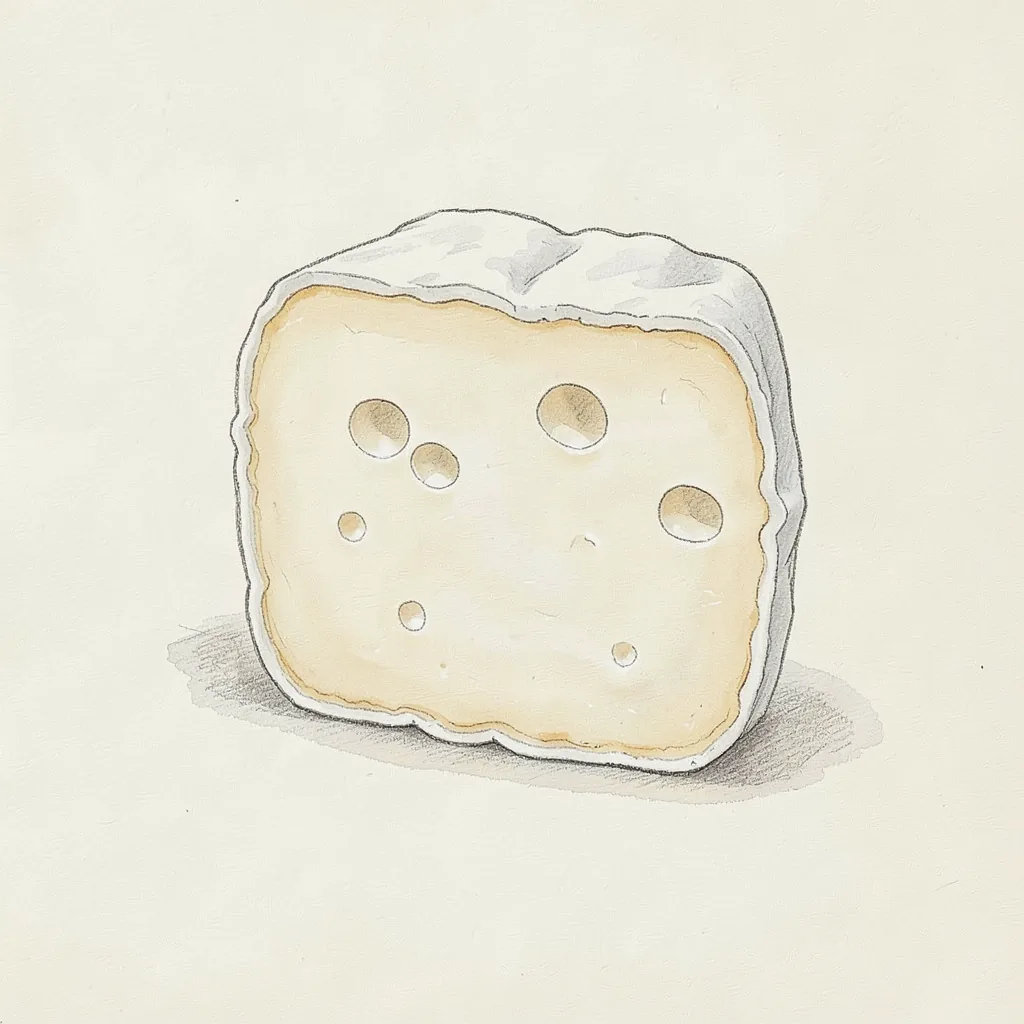
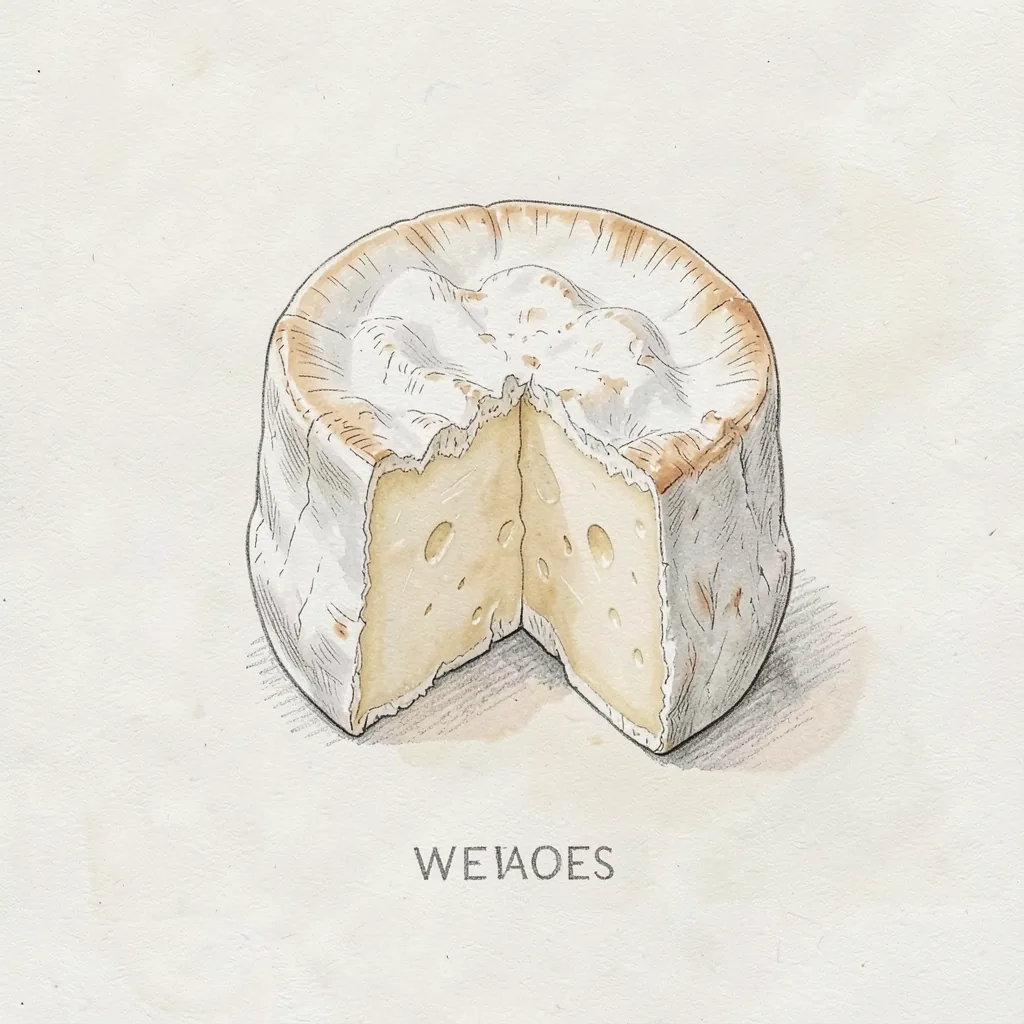
It has a white bloomy rind and a pale, very creamy center that spreads even when the wheel is still young. The milk is concentrated before the curd is set, which keeps the paste moist and rich. The result is milder and more buttery than a traditional Brie of a similar size. It is sold under this name across France, and it is not a farmhouse wheel from one village.
A wheel is usually small enough to finish at one sitting, and the rind is thin and edible if you like a light mushroom note. The paste should look smooth and glossy, not chalky through the middle, once it has ripened. Flavor stays gentle, with cream, butter, and a light tang. It does not aim for the strong animal edge of some aged bloomy cheeses. Cooks use it on a board, spread it on bread, or melt it in a quiet way.
History
Fromager d'Affinois belongs to a modern line of French bloomy-rind cheeses that took ideas from Brie and Camembert and aimed for a softer, faster make. Concentrating the milk before renneting lets more of the milk solids stay in the curd. That method gives a moist paste and a cheese that is ready sooner than a long-ripened traditional wheel. The name became familiar in export markets as a reliable creamy alternative to Brie. It does not rest on an old village recipe.
Many dairies have refined soft French cheeses with white rinds, and this one leaned toward cream rather than toward a sharp ripe aroma. Shops often place it beside Brie because the look is similar at a glance. The texture is the real difference, since Affinois stays lush and spreadable while a ripe Brie can turn runny and more mushroomy. Export packs made it easy to find far from France. The cheese is still made to be eaten young and mild, not cellared for a long time.
How it is made
Cow's milk is concentrated first, so water leaves and the milk solids remain in a thicker liquid. Starter cultures and rennet then set that rich milk into a soft curd. The curd is filled into small molds with little cutting, which helps the paste stay smooth and moist. Whey drains off gently, without a heavy press. Salt is added, and the surface is seeded so a white bloomy rind can grow.
Ripening is shorter than for a classic Brie because the moist, rich curd softens quickly under the rind. The white coat is a typical bloomy mold, and it should look even and fairly dry, not wet or spotted brown. Most wheels are sold already ripe enough to eat, with no brine wash and no blue veins. A very rich paste is the point of the make. Long aging is not the goal, and a tired rind is a fault rather than a target.
Taste
The flavor is butter, cream, and fresh milk, with a mild mushroom note from the rind. Salt stays light, and the tang is gentle. There is little of the ammonia or cabbage edge that a very ripe bloomy cheese can show. The paste feels soft and coating, almost like cool butter that still holds a shape. A chalky core means the wheel is young, while a ready piece is creamy from the rind to the center.
Set beside Brie, this cheese is sweeter and less earthy. Set beside a rich bloomy cheese such as Brillat-Savarin, it sits in the same lush family but is not always as dense. The rind tastes a little more of mushroom than the center, and you can eat it or trim it. Bitterness, a strong animal smell, or a slumped brown rind means the cheese is tired. At its best the wheel is simple, clean, and very creamy.
In the kitchen
Put Fromager d'Affinois on a board with bread, pears, or a few nuts, and serve it softened, not icy cold. It spreads on a baguette more easily than it slices into neat squares. Because it melts gently, it can cover toast, a piece of chicken, or a vegetable tart near the end of cooking. High heat can make the fat run out of the paste. A short time under a grill is enough to soften it.
Pair it with something crisp or acidic, such as apple, a green salad, or a bright pickle, so the cream does not feel heavy. It is too mild to stand up to a fiery sauce or a heavily smoked meat on its own. Do not bake it for a long time, as you might a firm melting cheese. Leftover pieces should be wrapped and kept cold, then eaten soon, because the rind keeps ripening and can turn sharp. A whole small wheel keeps better than a cut wedge.
Around the world
Fromager d'Affinois is widely exported and is often easier to find abroad than a delicate bloomy cheese that must be eaten at peak. Supermarkets sometimes stock it next to Brie, in a small wrapped round. The similar look causes mix-ups, so read the full name if you want this creamier style. It travels well because the paste is stable and rich rather than fully runny. Keep it cold until you serve it, then let the wheel lose its chill.
Brie is the usual substitute, though a ripe Brie will be earthier and sometimes runnier. Camembert de Normandie is smaller and more mushroomy, with a stronger aroma in the rind. Brillat-Savarin can replace it when you want even more cream on the board. Chaource is taller and can show a chalky center, so it is only a partial swap. In each case, ask for a mild, very creamy bloomy cheese, not a washed-rind one.