Cow
What it is
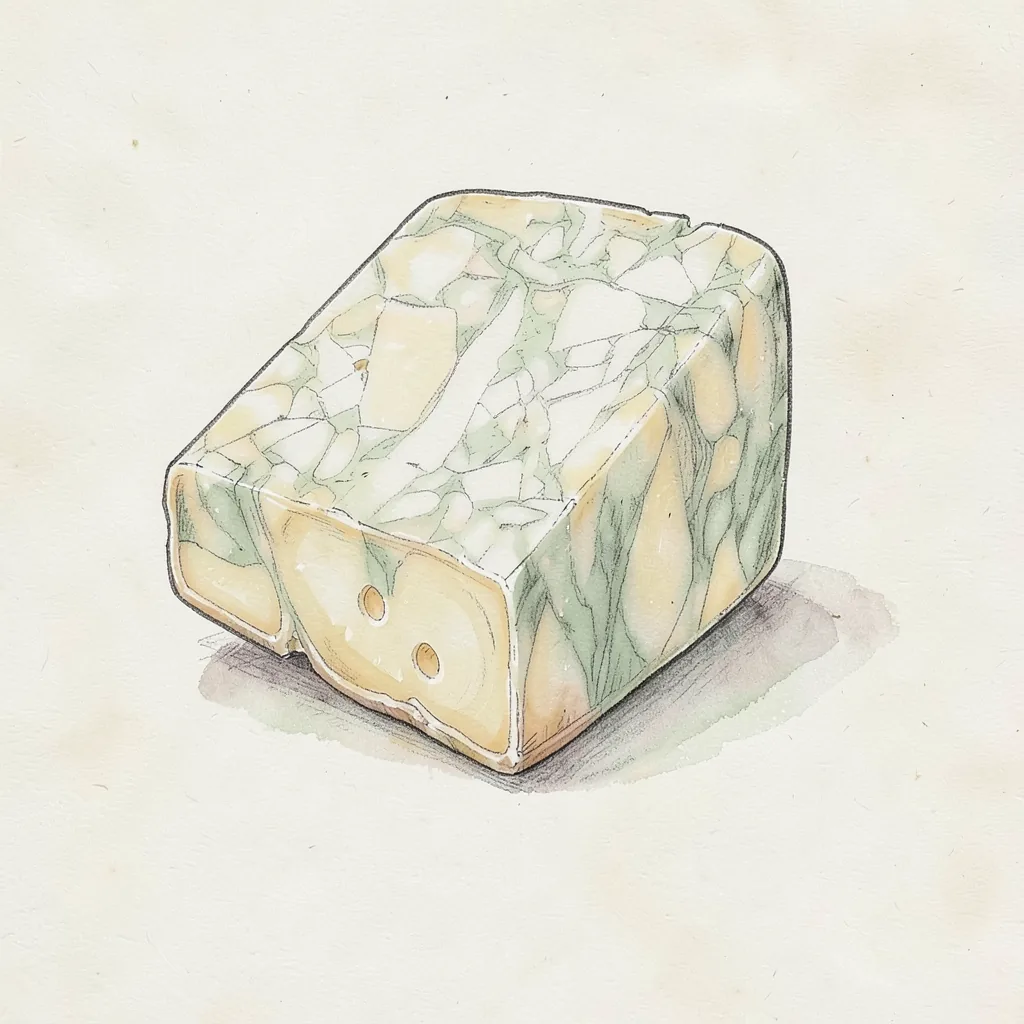
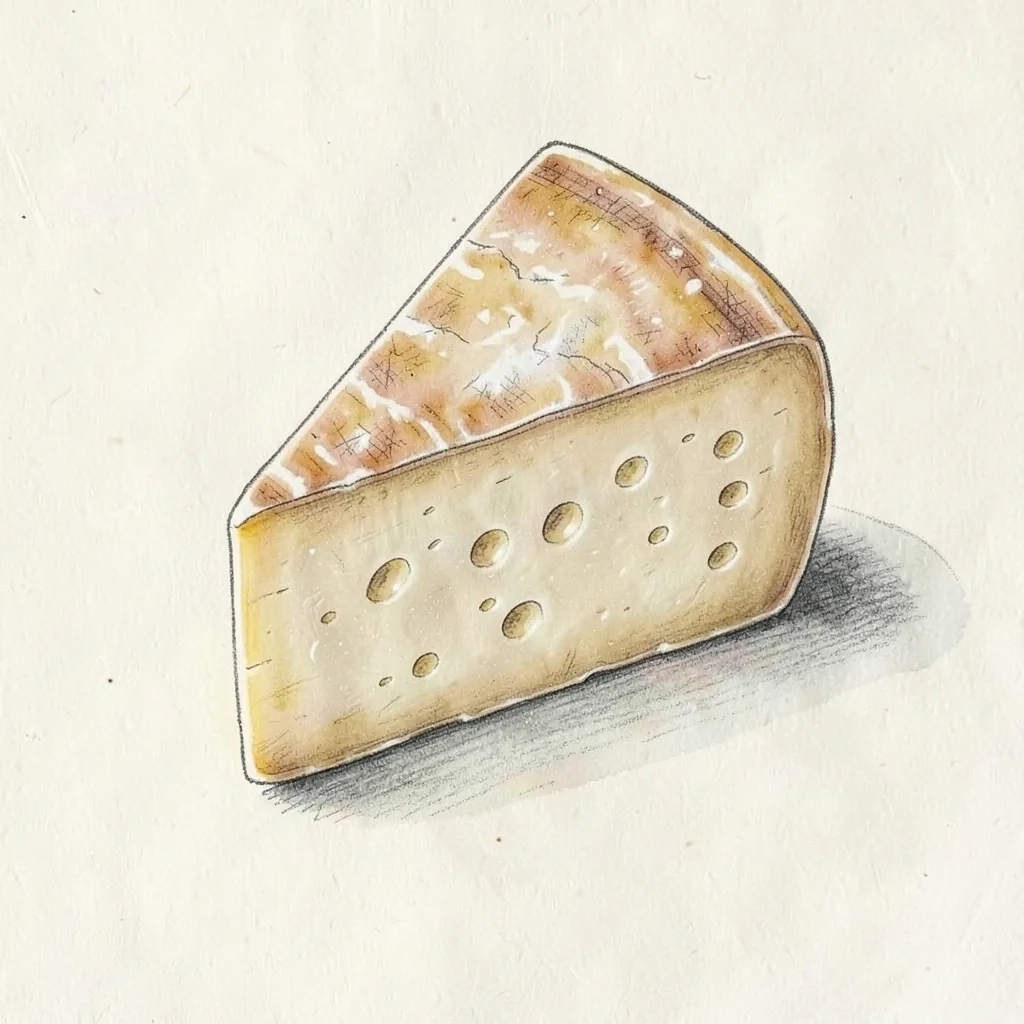
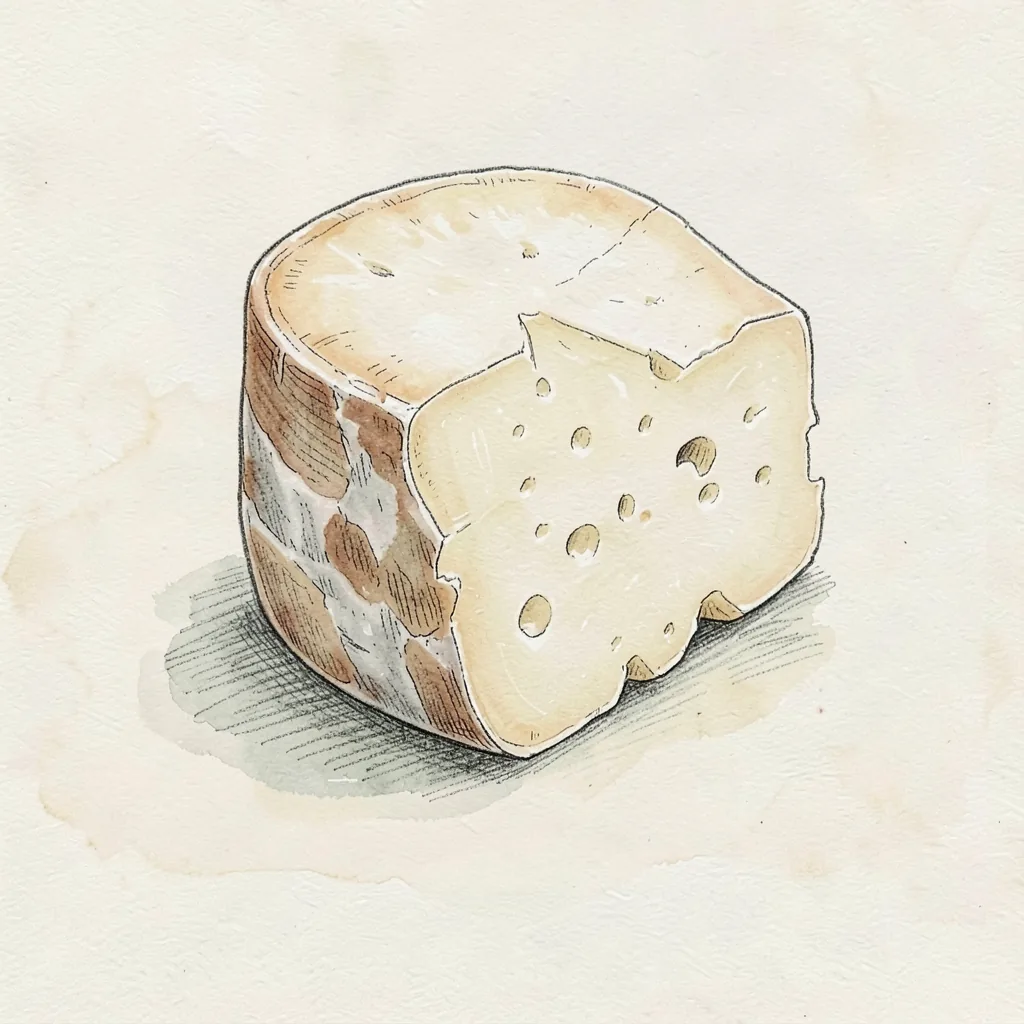
Pasteurized milk is set into a creamy, sliceable paste, and the outside is coated with toasted hops. Those hops give the rind a rough, fragrant crust and a slightly bitter, citrus edge. The interior is buttery and nutty, with a mild sweetness. It is an English cheese sold for the board and for simple cooking.
The hop coat is the point of the cheese, not a random garnish. Toasted hops are pressed onto the surface, so you can see and taste them. Some other products copy the look with hop dust on a minced and re-formed cheese. Those copies can look similar and taste flatter. If the label matters, buy a whole cheese with hops on the rind, not a reformed block.
History
Hereford Hop is a modern English cheese, not an old farmhouse survival from a medieval dairy. The name points to hops, the flowers used in beer, which are toasted and pressed onto the rind. The style grew up in the modern British cheese trade and stayed in specialist shops. People group it with other unusual English cheeses, yet the hop coat is its own idea. The rind explains the name more clearly than a map does.
Because the look is easy to imitate, copies spread. Many of those are made by breaking a firm cheese, pressing it back together, and rolling it in hop dust. The original is a cheese matured as a whole piece, with toasted hops on the rind. That difference is worth knowing before you compare prices, because a dusted block can be pleasant and still not the same make. The United Kingdom is where you are most likely to meet the real article.
How it is made
Makers use pasteurized cow's milk and rennet to form a curd. The curd is drained and pressed into a firm wheel or truckle that stays creamy rather than dry. Salt goes in during the make. After the cheese has body, toasted hops are applied to the outside so they cling to the rind. The hops are a coating, not a mix stirred through every crumb of paste.
The cheese then rests until the paste is smooth and the hop coat smells fragrant. It is not a blue cheese, and it is not washed in brine like a smear-ripened square. The rind under the hops is a natural rind. Further age makes the flavor a little fuller, but the cheese is sold while it is still moist enough to slice. Shops often pack it so the hop aroma stays close to the paste.
Taste
Cut past the hops and the paste tastes buttery, nutty, and gently sweet. The coat adds grass, citrus, and a light bitter edge, plus a yeasty smell that can remind you of beer. The contrast is the pleasure of the cheese. A thin slice that includes a few hop flowers shows both sides at once. Without the coat, it would be a pleasant firm cow's milk cheese and nothing more distinctive.
The bitterness should stay slight. If the coating tastes harsh or dusty, you may be eating a heavy layer of hop dust rather than a balanced rind. Salt is moderate, and there is no chili heat and no blue sharpness. Let the cheese warm so the butter note comes forward and the hops smell sweet rather than raw. The paste should slice cleanly, not crumble into dry shards.
In the kitchen
Hereford Hop belongs on a board with bread, a firm apple, and a spoon of chutney. Beer is the obvious drink, and the hop coat makes that match feel natural. You can melt slices onto a baked potato or into a toasted sandwich. Keep some of the hops in the portion if you want the bitter note in the dish. Scrape them off if you want only the mild paste.
It is less useful as a fine grate for pasta, because the hops do not grate evenly and the paste is richer than a dry hard cheese. Cubes in a salad add salt and a beer-like aroma. Cook it gently so the fat stays in the slice. Wrap the cut cheese, or the hop smell will fill the fridge. Eat the opened piece while the interior is still creamy.
Around the world
Hereford Hop travels less than the big English grocery cheeses. Look for it at counters that specialize in British cheese, in the United Kingdom first and then through importers. The toasted hop coat is easy to describe to a cheesemonger. A block rolled in pale hop dust may be a copy, so ask whether the cheese was coated as a whole piece. That question can save a disappointment.
Sage Derby gives a flavored English paste, but the flavor is sage, not hops. Cornish Yarg wears a leaf coat, so the look is coated, yet the taste is herbal in another way. Y Fenni carries mustard and ale, which is closer in spirit and still a different cheese. None of those replaces the toasted hop rind. A plain firm cow's milk cheese will not either, unless you only need something mild to slice.