Cow
What it is
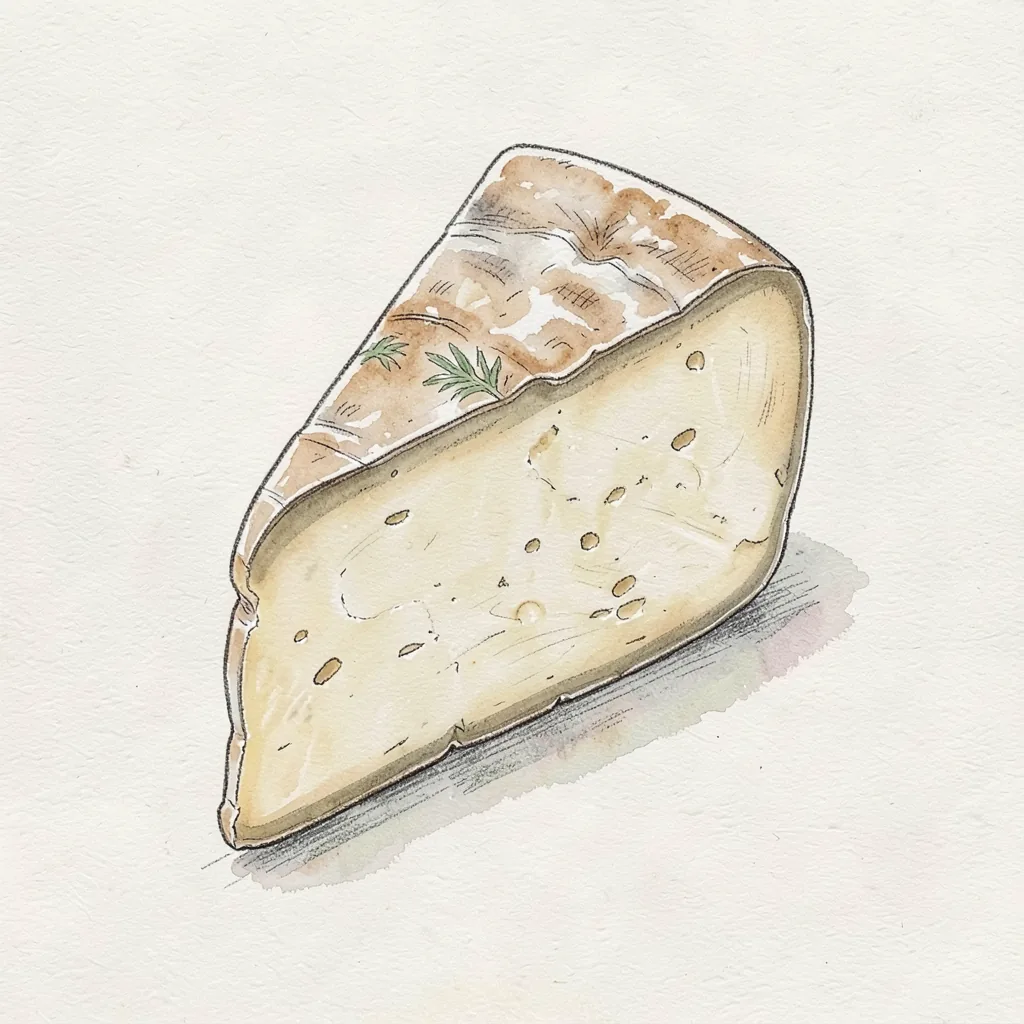
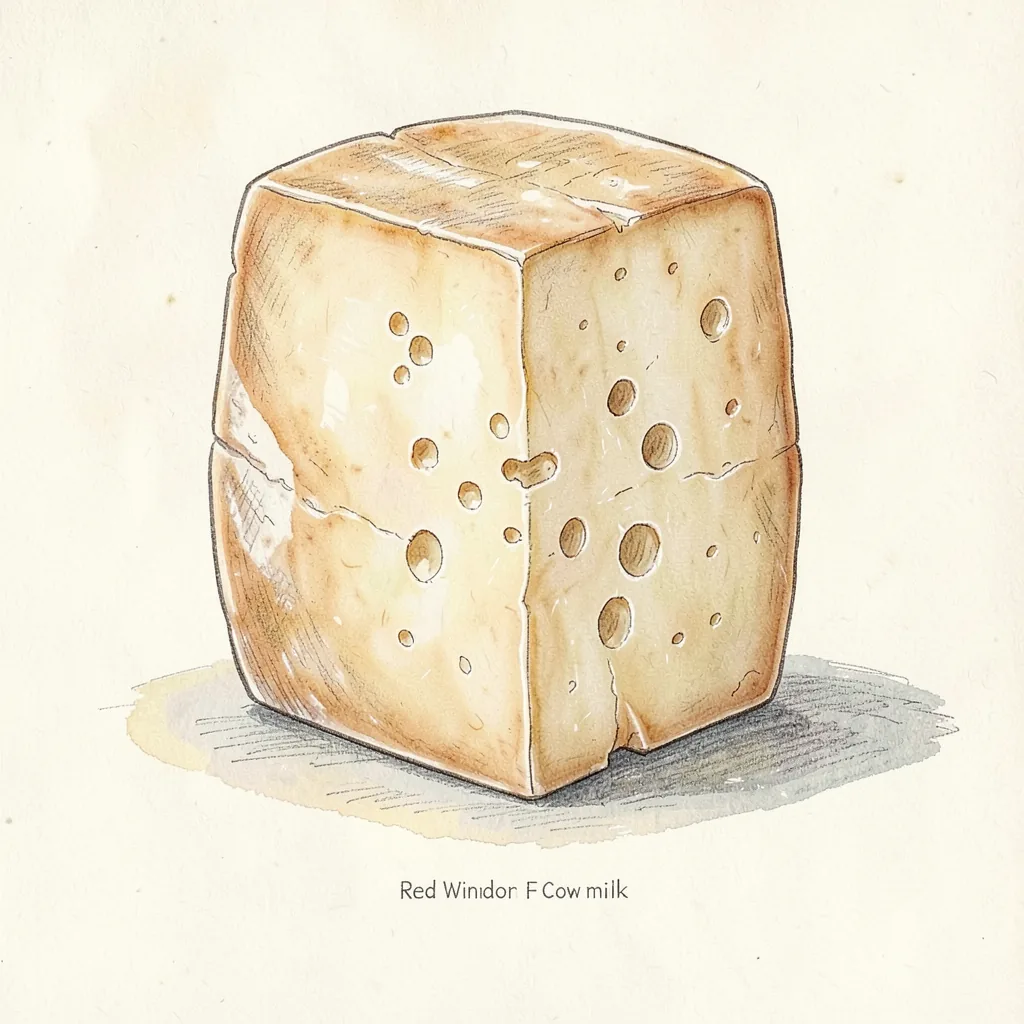
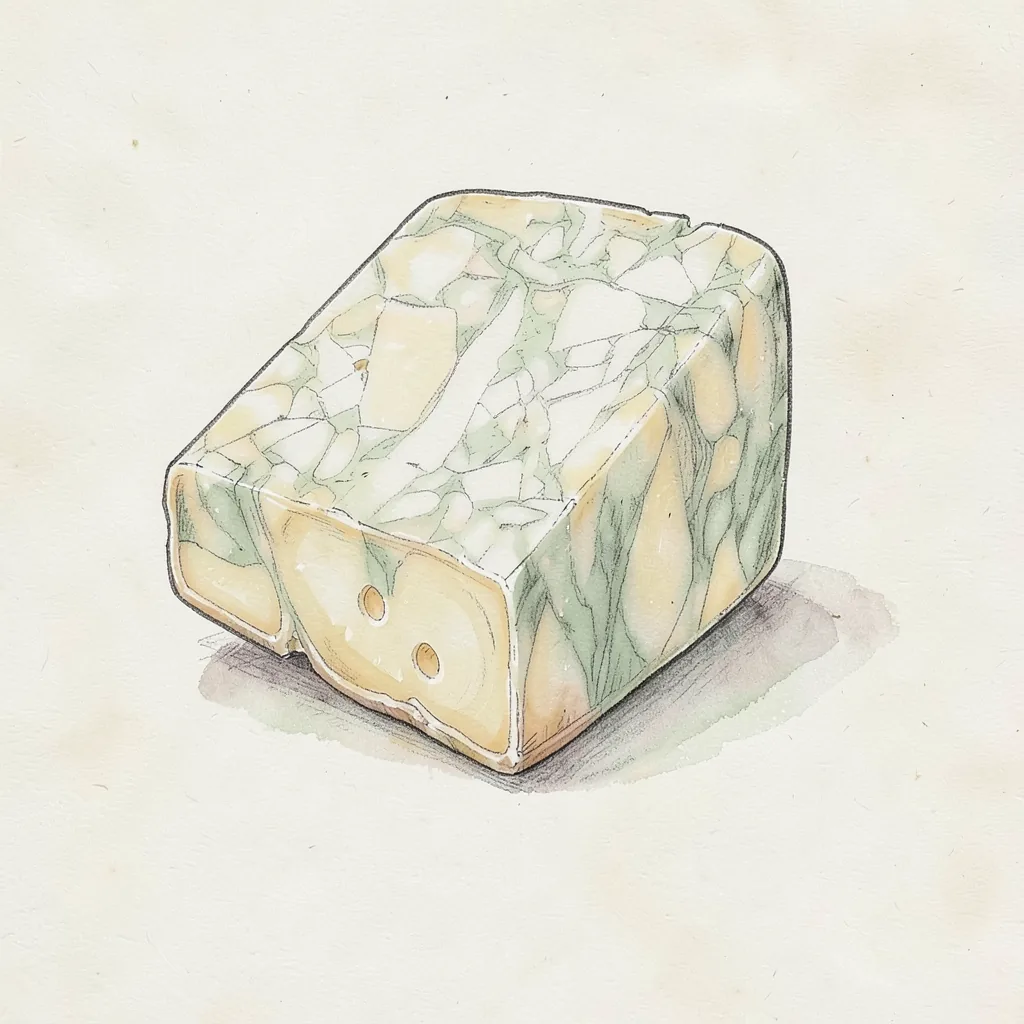
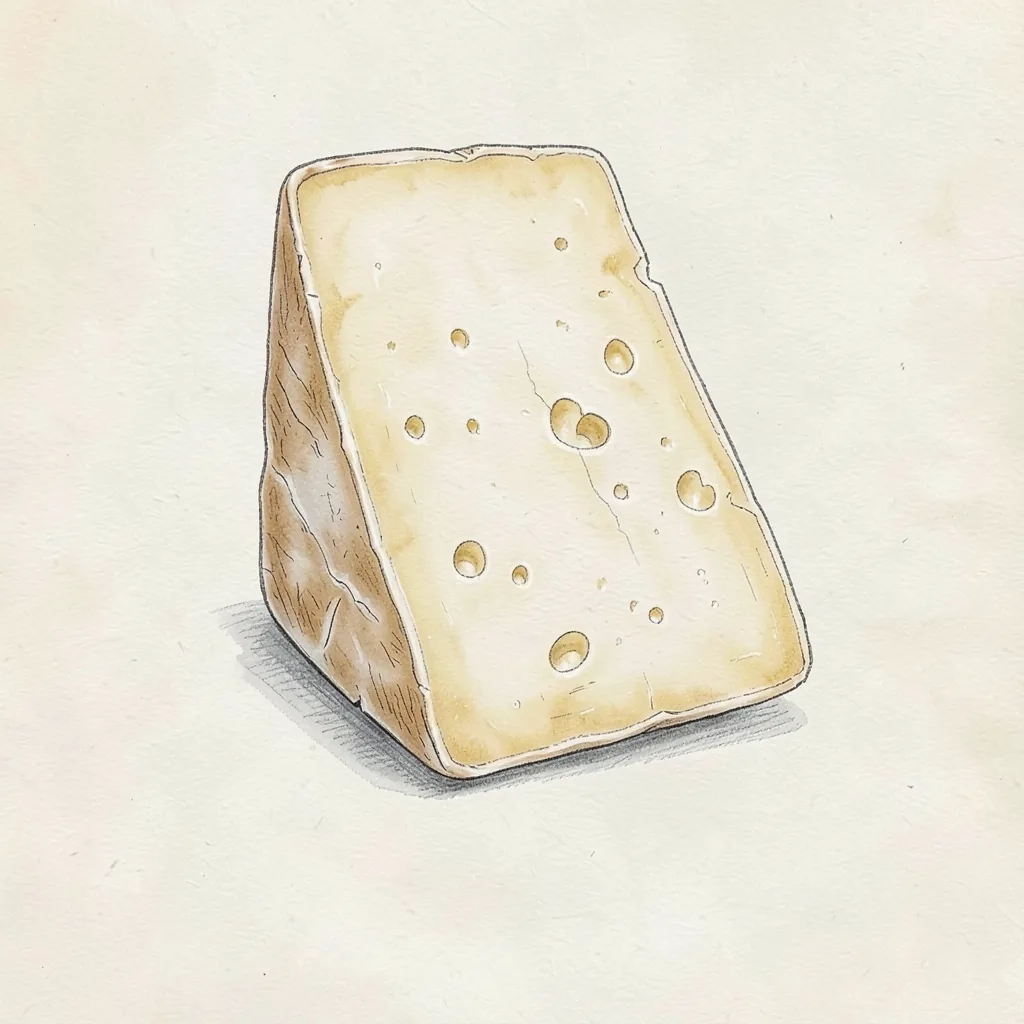
Makers use cow's milk and blend the cheese with wholegrain mustard seed and ale. The paste is creamy and pale, with visible specks of mustard scattered through every slice. Whole wheels are coated in wax, often red and sometimes a pale yellow. The red-waxed form is also known as Red Dragon, a second name that appears on some labels.
The taste is savory and a little sharp, with warmth from the mustard and a malty note from the ale. It is not a burning cheese, and the seeds give small bursts rather than a harsh heat. The body slices cleanly and also melts under a grill or on hot toast. Shoppers use it on a board and in simple hot dishes. The mustard and the ale are mixed into the paste, not sprinkled on after the wheel is cut.
History
Y Fenni is a modern Welsh cheese, not an old farmhouse style with a long cellar record. The idea joins a firm cow's milk cheese with mustard and ale, two flavors already common at a British table. The Welsh name marks it as a cheese of Wales within the United Kingdom. When the wax is red, sellers may call it Red Dragon, after the dragon on the Welsh flag. A yellow wax coat is the same cheese in a different wrap.
The cheese spread through shops in Britain as a ready piece for boards and simple hot plates. It did not need a cave, a long brine bath, or a story of aging in a farm cellar. Makers press the blend into wheels and wax them so the mustard and the ale stay in the paste. Home cooks took to it because the flavor is clear and the handling is easy. The Welsh name remains even when a wedge is sold far from Wales.
How it is made
A firm cow's milk cheese is broken up and mixed with wholegrain mustard and ale. The seeds stay whole, so they show as small flecks in the cut face. The blend is packed into molds and pressed until it holds a wheel shape. After that, the wheel is coated in food wax from edge to edge. Red wax and pale yellow wax are both used, and the wax is a seal rather than a rind you eat.
The ale adds a little moisture and a light malt flavor, and the mustard adds warmth and a grainy texture. Commercial wheels are often made with vegetarian rennet, which suits many mixed tables. The wax slows drying at the surface and makes the wheel easier to ship. Nothing blue or bloomy is meant to grow under that coat. Once cut, the paste should look even, with mustard seeds scattered from the center to the edge.
Taste
The first taste is creamy and salty, and then the mustard warmth arrives. Whole seeds break between the teeth and leave a short, gentle heat. Ale sits in the background as a malty and slightly bitter note. The paste is moist and firm, not crumbly and not runny at room temperature. The aroma is savory, with a hint of mustard even before the first bite.
It is stronger than a plain mild block and milder than a spoon of mustard eaten on its own. The finish is tangy rather than harsh, and the fat in the paste keeps the heat soft. Cold cheese shows the seeds more clearly on the tongue. A warmed piece tastes rounder and a little sweeter. Peel the wax away before serving, because it has no role in the flavor, and trim any dry edge.
In the kitchen
Y Fenni is sliced for a board with bread, pickles, and a crisp apple. It melts well, so it works on toast, in a baked potato, or over a grilled steak near the end of cooking. Mustard already in the cheese means a cook can use less extra mustard in a sauce. Cubes can go into a pastry or a savory scone without extra seasoning. It is also easy in a sandwich, where the ale note stays quiet beside the bread.
Leave the wax on until you cut a wedge, then peel it back from the piece you serve. Do not drop a large amount into a delicate cream sauce if you want a plain milk flavor, because the mustard will lead. It suits beer, cider, and a sharp chutney on the side. Butter on hot toast plus one thick slice is enough for a simple snack. Wrap the cut face so the edge does not dry and turn the seeds harsh.
Around the world
Outside the United Kingdom, Y Fenni is a specialty wedge in shops that carry British cheese. Buyers may recognize the red wax before they recognize the Welsh name. Red Dragon on a label is the same style of cheese when the coat is red. It is not a farmhouse wheel with a natural rind and a long open-air rest. Mustard seeds in the paste are the easiest way to tell it from a plain waxed block.
Cooks abroad use it anywhere a firm, savory, melting cheese is wanted and a little heat is welcome. It will not behave like a soft fresh cheese or like a blue cheese in a sauce. Travelers meet it on buffets and in gift boxes in Britain, then look for the same wedge at home. The Welsh name can be unfamiliar at first, and the cut face is still easy to recognize. Look for seeds inside the paste and wax on the outside of the wheel.