Cow
What it is
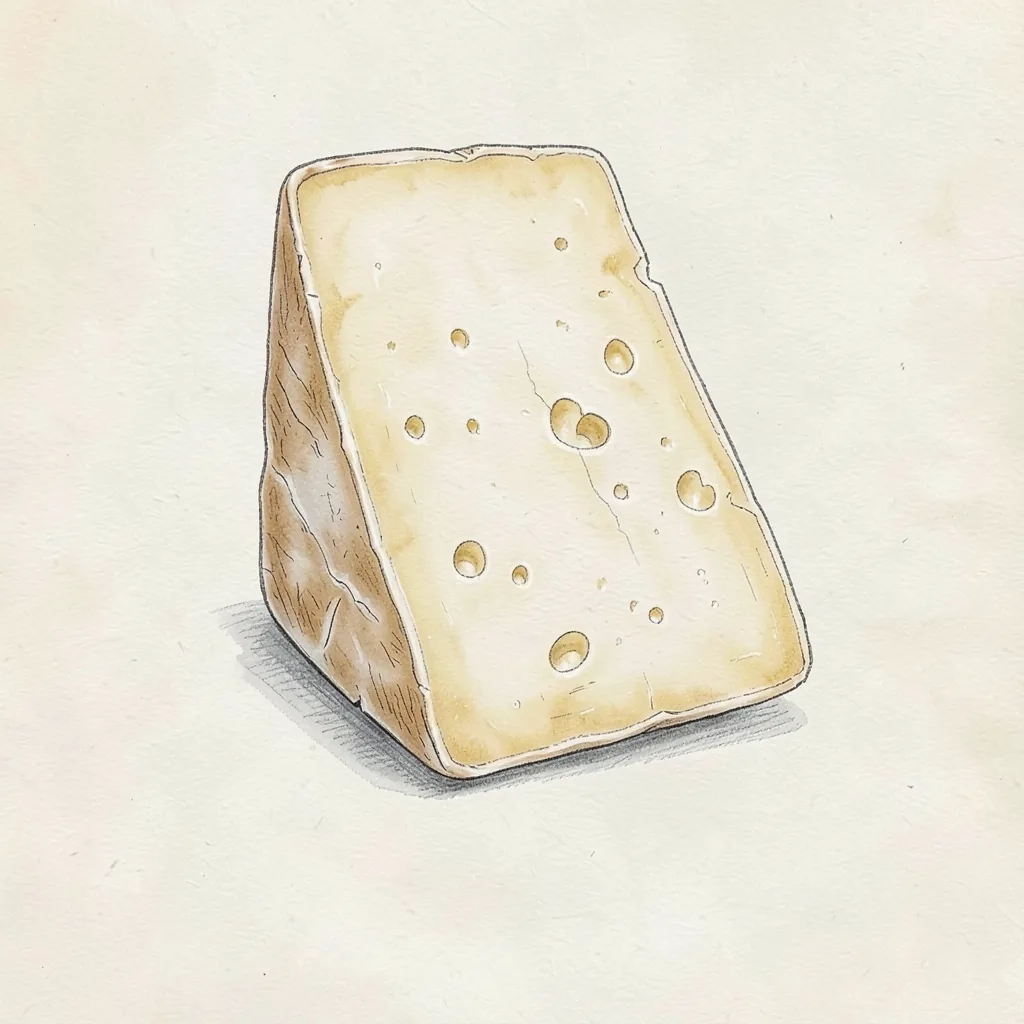
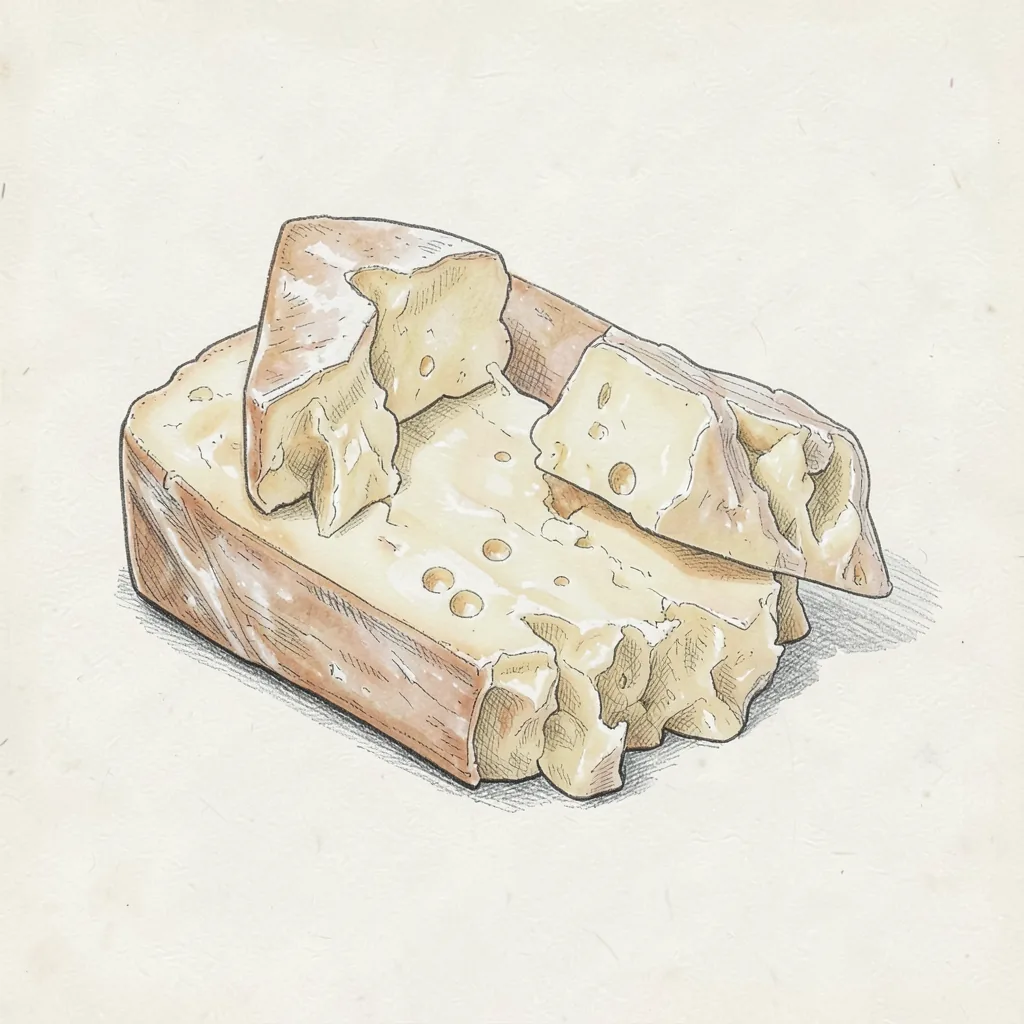
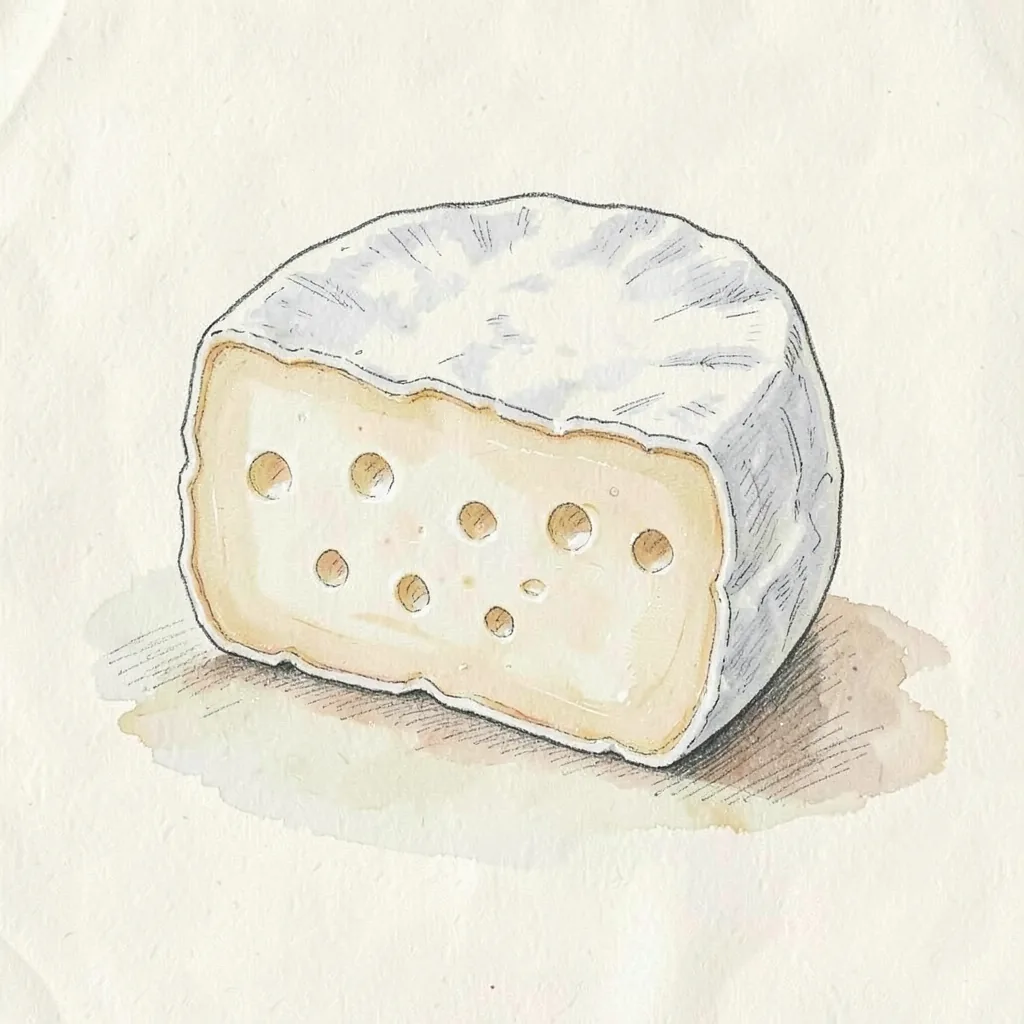
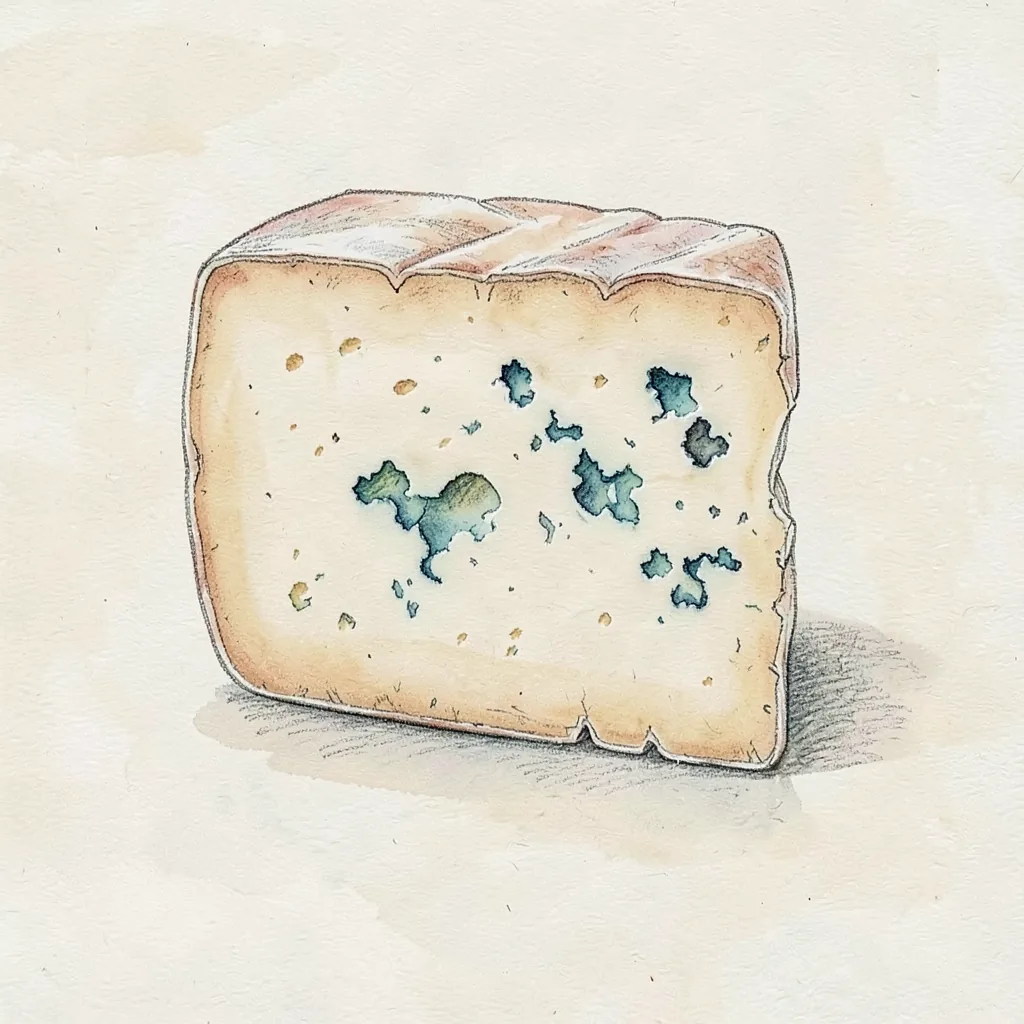
Cow's milk is set, pressed, and brined, then the young wheel is wrapped by hand in the leaves. The paste stays pale and moist, creamier under the coat and more crumbly at the center. A typical wheel tastes mild, buttery, and a little tangy, with a fresh note from the nettles. You can buy it for a cheese board or for plain cooking.
The leaf coat is not a decoration you peel away and forget. Nettles change the way the surface ripens, so the outer paste tastes a bit mushroomy and the center stays fresher. The rind is edible, though the leaves make it rustic and slightly rough. A younger wheel is gentler and more elastic, while an older wheel dries a little, crumbles more, and shows a clearer tang. Both are the same cheese, meant for eating rather than for long storage.
History
Yarg is a modern British cheese, even though a nettle wrap follows an older habit of laying leaves against a young wheel. Cornish makers turned that idea into a regular creamery product rather than a one-off experiment. The name is a surname written backward, which marks a recent invention rather than a medieval title. No monastery stands behind it, and no village seal defines it. What lasted is a mild pressed cheese with a leaf rind that shoppers can recognize.
Production settled into a steady dairy routine in Cornwall. Pasteurized cow's milk is the base, and the wheels are pressed, brined, and wrapped as a normal step. Shoppers recognize the gray-green coat more readily than any stamp on the label. A related wheel uses wild garlic leaves in place of nettles, and it tastes more aromatic. The original identity remains the nettle-wrapped wheel, mild at the center and more savory near the rind.
How it is made
Pasteurized cow's milk is cultured and set, and the curd is cut, drained, and pressed into a wheel. The wheel is brined, which seasons the paste and begins the rind. Nettles are softened so they no longer sting, then laid over the surface by hand until the coat is even. Those leaves stay on through ripening. They change the surface, so the paste just beneath them breaks down differently from the more crumbly center.
There is no later brine wash, and there is no wax coat. The leaves and the molds that grow with them are the rind. Time in the ripening room sets a contrast between a creamy edge and a fresher middle, without turning the wheel hard. Salt stays moderate, so the cheese does not eat like a long-aged brine cheese. The make is repeatable creamery work, and the hand wrapping is the step that gives each wheel its rough green exterior.
Taste
The center tastes milky, lightly acidic, and a bit like butter, with a clean finish and no harsh bite. Toward the nettle coat the flavor deepens and picks up a mushroom note, which comes from the rind rather than from herbs mixed into the curd. The leaves themselves are earthy, not like a bowl of cooked greens. Texture follows the same path. The middle flakes, and the outer paste is softer, closer to a spread if the wheel is ripe.
Nothing about the flavor is fierce. It will not replace a sharp aged cheese or a blue, and it should not taste soapy or bitter. A good wheel smells fresh, with a green, cellar-like hint from the coat and a plain dairy smell at the cut face. If the center is very dry and the rind is mostly bare mold, the wheel is past its best. At a good age the contrast is gentle, and you get crumb, cream, and a vegetal edge in one slice.
In the kitchen
Put Cornish Yarg on a board with bread, apples, or a few pickled vegetables, and taste both the crumbly center and the creamier edge. It slices cleanly when young and crumbles when older, so keep a knife nearby. The cheese melts in a grilled sandwich or over vegetables, though it will not flow like a very fatty cooking cheese. Grate only the drier center if you need a light topping. The rind is edible, leaves included, if you like the stronger bite near the coat.
Because the flavor is mild, it likes simple partners rather than heavy sauces. It sits well with a green salad, new potatoes, or a tart chutney. In a baked dish, add it late so it softens without splitting into oil. It is not the cheese for a long gratin that needs a very elastic melt. If a recipe asks for a gentle British cheese with some crumb, warm this wheel first so the outer paste is not tight and cold.
Around the world
Cornish Yarg travels well enough to appear in cheese shops outside the United Kingdom. Buyers usually meet it as a nettle-wrapped piece, and the coat is the clue on the counter. People who have never seen it often guess that nettles were mixed through the paste. The leaves are on the outside, which is a different idea. Caerphilly is the texture comparison many sellers make, because both have a moist crumble, but Caerphilly has no leaf rind.
Cornish Brie and Cornish Blue share a regional word and little else about the make. One is a soft white-rind cheese, and the other is a blue, so the word Cornish is not a flavor family. Abroad, shops sometimes file Yarg with other mild British cheeses such as Cheshire or Wensleydale. Those are fair neighbors on a board and fair substitutes in a gentle recipe, but they will not copy the nettle rind. If the leaf coat is the reason for the purchase, wait for the real wheel.