Cow
What it is
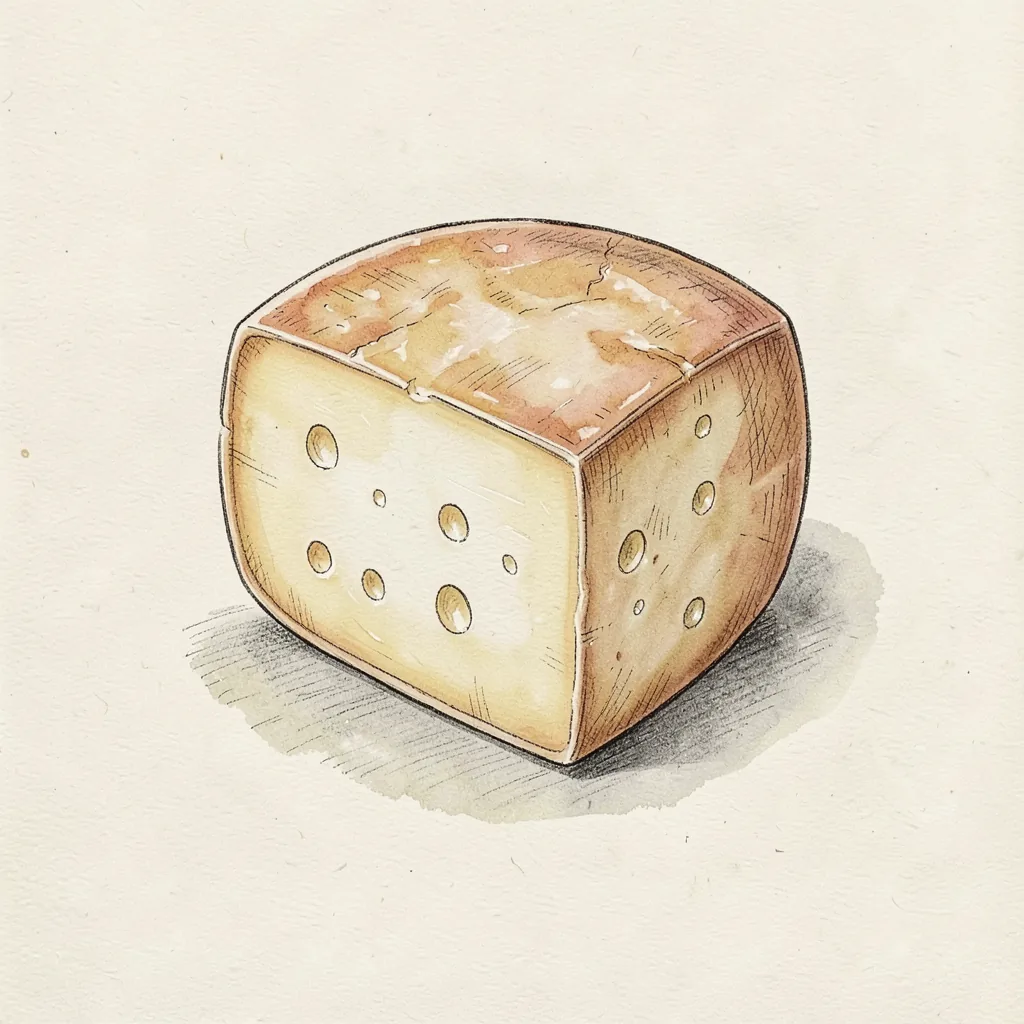
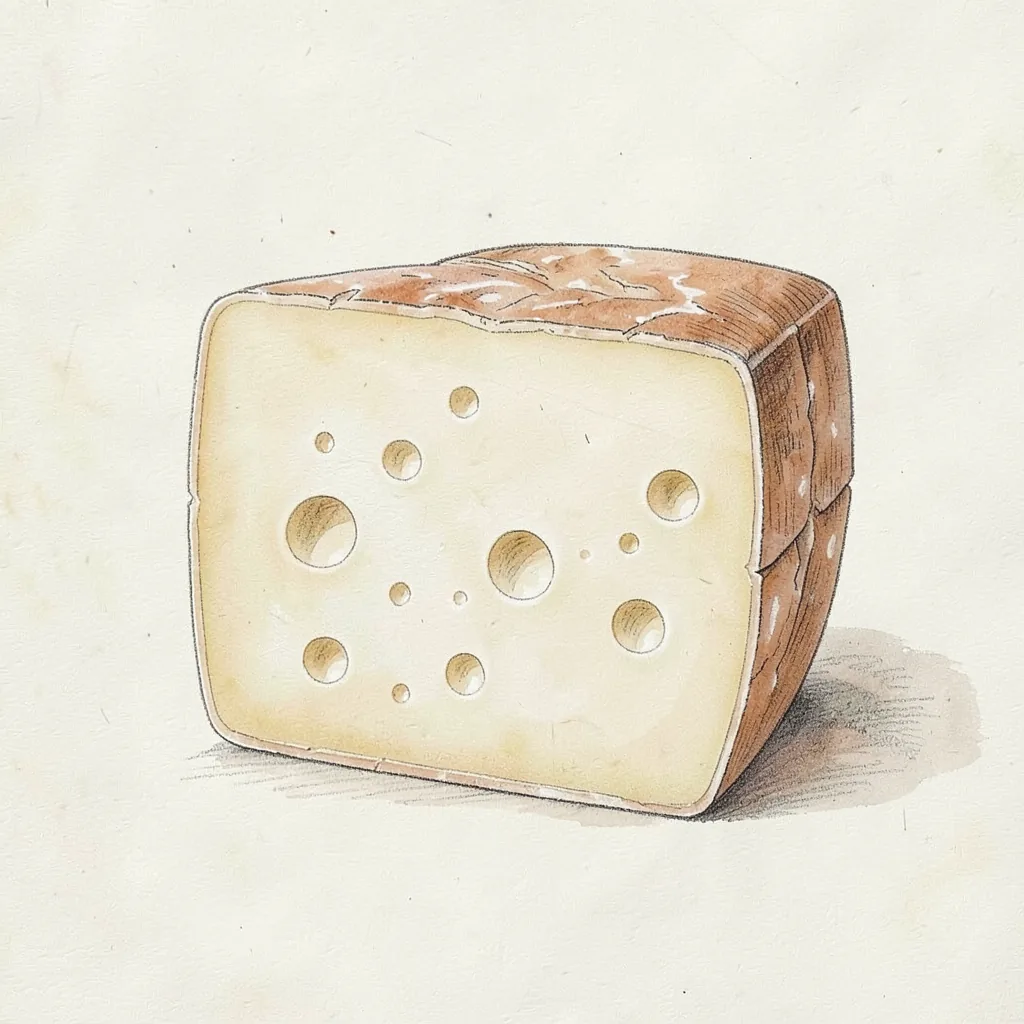
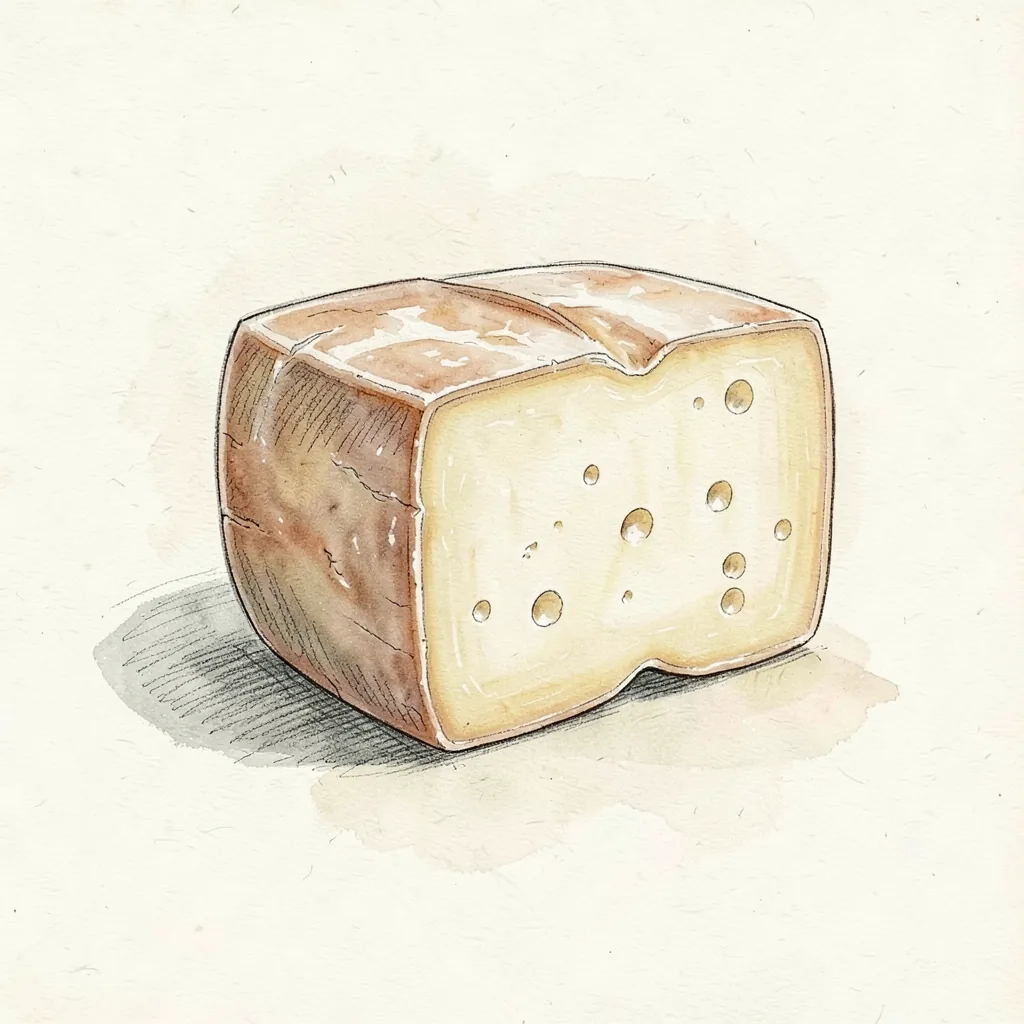
It is made from pasteurized cow's milk that has been partly skimmed. The cheese has no rind, and the pale yellow paste is smooth, with many small holes. The taste is mild and slightly sweet, closer to a gentle alpine style than to a sharp aged cheese. It slices cleanly and melts readily, which is why cooks use it in hot dishes as well as on bread.
People compare Lappi with Emmental because both are mild, holey cheeses made from cow's milk. The Finnish cheese is pasteurized, and the result is gentler, with finer openings and a slightly tighter slice. It is a Lapland recipe, not a wheel from Switzerland. It is not a blue, not a brined cheese, and not a fresh curd. A block from Finland with this name should be rindless, mild, and easy to cut.
History
The name comes from Lapland, the northern region of Finland where the recipe was developed. Finnish dairies already knew large-eyed cheeses in the alpine style, and Lappi is a local version of that idea. It was shaped for a mild taste and a practical texture rather than for a long cellar age. The cheese did not need a famous export market to stay in use at home. Lapland remains the region tied to the name.
The early story of the cheese is thin, and no single maker is tied to the name in ordinary references. What is clear is the style: cow's milk, small eyes, no rind, and a sweet mild flavor. Shoppers in Finland meet it among other mild slicing cheeses. Abroad it is less known than Emmental, Jarlsberg, or the Finnish cheese Oltermanni. The Lapland name on the label is the clue to look for.
How it is made
Pasteurized cow's milk, with some cream removed, is warmed and cultured. Rennet sets the curd, which is cut into small grains so the paste can hold tiny holes. The curd is stirred and heated enough to become supple, then pressed into blocks or wheels without a rind treatment. Salt is added in the usual way for a slicing cheese. There is no washing, no surface mold, and no wax coat on the finished piece.
The eyes form as the cheese rests and the cultures do their work. They stay small and numerous rather than wide and glossy. The body firms up but remains semi-soft, so a slice bends before it breaks. Because the milk is pasteurized, the flavor stays milder than in some raw-milk cheeses of the same broad family. The finished cheese is ready to cut when it is sold, and it is not kept as a grating wheel.
Taste
Sweetness is the note people notice first, along with fresh milk and a light nuttiness. Salt is moderate, and it does not sting. There is no bite of blue mold and no washed-rind smell. The small holes make the slice look open, but the flavor stays even from edge to edge. A cold piece tastes quieter, while a piece that has warmed a little tastes sweeter and more milky.
The texture is smooth, creamy, and lightly elastic. It is firmer than a soft washed cheese and softer than a long-aged Emmental. It does not crumble into dry grains under the knife. If the cheese dries at the cut face, the taste turns flat, so keep the cut covered. A well kept piece stays moist and mild, and that mildness is the point of Lappi rather than a fault.
In the kitchen
Lay slices on bread or in a sandwich, where the sweet mild paste will not overwhelm the filling. Melt it in a fondue, a sauce, or a toasted dish when you want cow's milk cheese that softens evenly and stays gentle. It can cover vegetables or potatoes. It is a poor choice when a recipe needs a salty crumble or a sharp grate. Use a harder, older cheese for that job instead.
Because there is no rind, the whole piece is edible, and you can cook or serve every part. Pat the surface dry only if it has sweated in the pack. Do not expect it to form a dark crust of its own. Pair it with mild bread, apple, or a light dessert wine if you want a simple plate. Wrap leftovers tightly so the cut face does not dry and the mild taste stays intact.
Around the world
Lappi is a Finnish cheese, and outside Finland it shows up mainly in shops that import Nordic food. Many buyers know the style through Emmental, Jarlsberg, or American Swiss cheese, which share the eyes and the mild nutty taste. Lappi is smaller in the eye and a bit firmer and quieter than those cousins. Oltermanni is another mild Finnish cheese, but it is a different product. Check the name if you want this one and not a generic slicing block.
Emmental is the usual substitute when a recipe asks for Lappi and the shop has none. Jarlsberg can also melt in the same role, with a slightly sweeter, nuttier taste. American Swiss cheese is the eyed cheese made in the United States, and it is not Emmental from Switzerland, but it can still cover a mild melt. None of these copies the Lapland name. They only match the gentle, holey character of a cow's milk cheese.