Cow
What it is
Valio makes it, and the name is the Finnish word for an alderman. The cheese is often compared with Havarti, though it is its own product, sold in blocks, slices, and smaller pieces. The taste is gentle, creamy, and a little tangy, and it is less salty than many everyday slicing cheeses. Families in Finland put it on bread more often than they set it out as a rare tasting wheel.
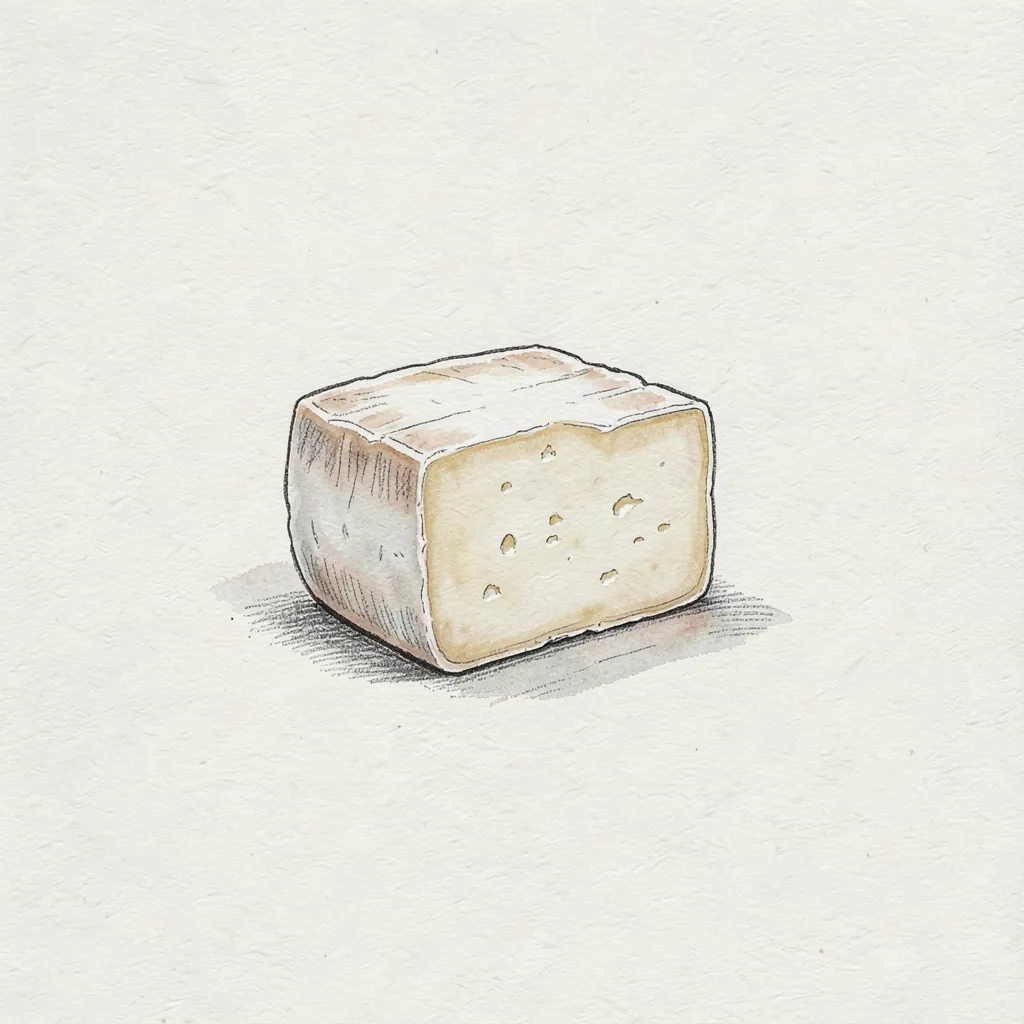
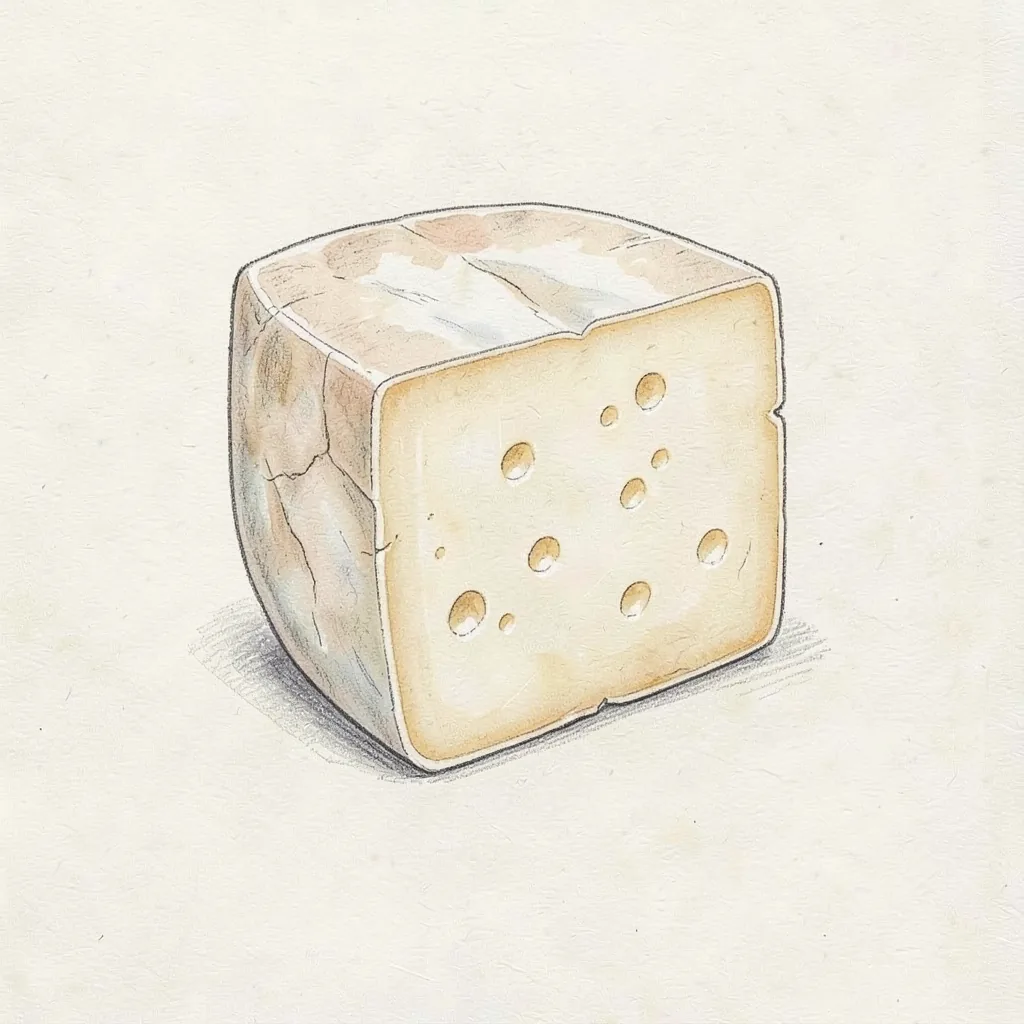
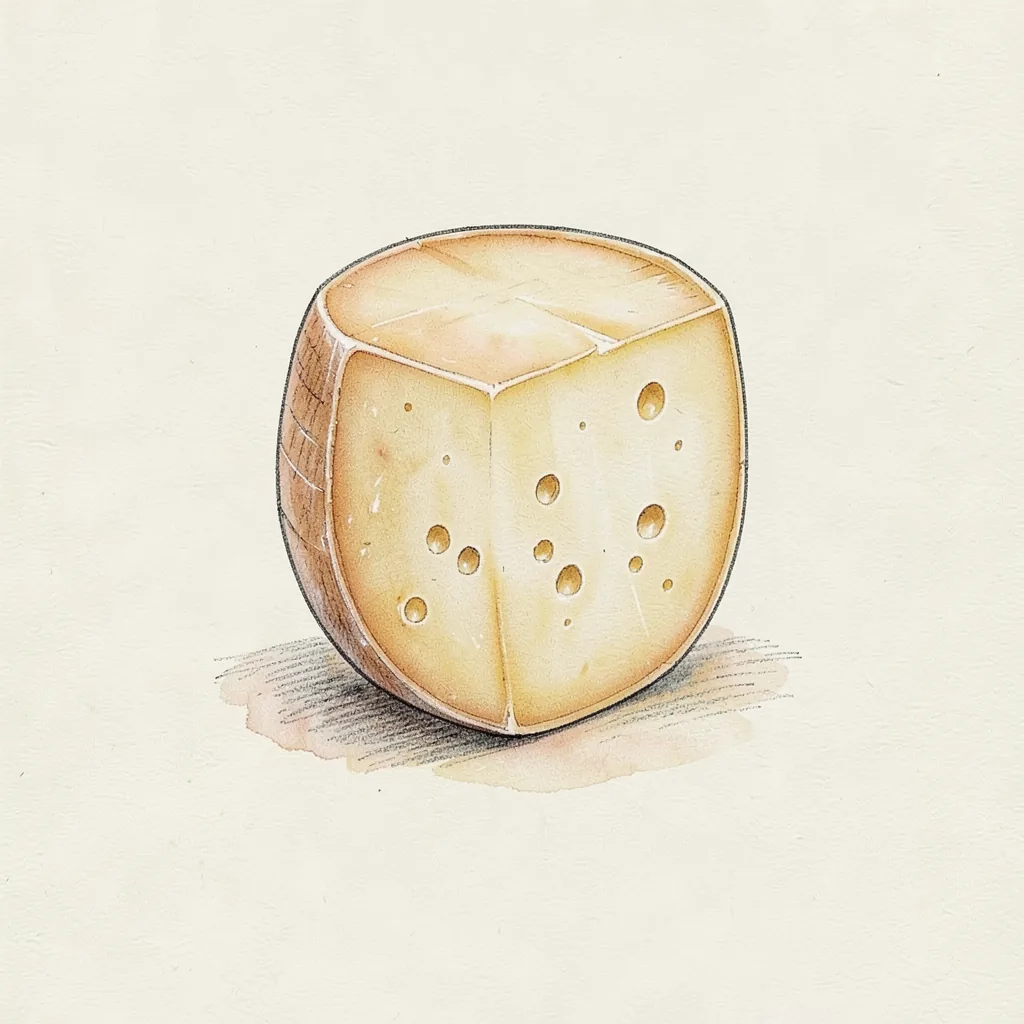
The brand covers more than one recipe under the same name. The familiar block is semi-soft, pale, and easy to slice, sometimes with a few small openings. Richer and lighter versions sit beside it, so the label matters when you cook. There is no thick rind to cut away, and Oltermanni is an ordinary supermarket cheese in Finland, not a farmhouse wheel from one valley. It began as a dairy gift for milk producers and then went into general sale.
History
Oltermanni is a young brand by the standards of old European cheeses. A Finnish dairy cooperative developed a mild loaf, and a small round was given to Valio milk producers before the cheese went to shops. The public liked it, and regular sale followed. The name came from the Finnish word for an alderman, not from a saint or a single farm. There is no long farmhouse legend behind the block, and its history is a commercial one.
Once it was in stores, the brand became a standard household cheese rather than a specialty. Valio kept the mild, creamy idea and later added versions with different richness, still under the Oltermanni name. The cheese is tied to Finnish milk and to everyday bread, including rye. It did not need a regional costume or a cave to find buyers. Shoppers learned the wrapper, and the taste stayed in the gentle range that suits a whole family.
How it is made
The cheese is made from pasteurized cow's milk in Finland. Starter and rennet set the milk, the curd is cut, and the whey drains before the curd is salted and formed into a block or a small cylinder. The make aims at a supple paste rather than a hard grating wheel, with no washed rind and no bloomy rind. After a modest rest, the cheese is packed rindless for shops. The goal is an even, mild loaf that slices cleanly.
Valio also sells related products under the Oltermanni name, including pieces with a different balance of richness. Those are still branded cheeses, not separate farm traditions. Some are block cheese for the slicer, and some are prepared for bread with less trouble. Read the pack if you need the familiar full-tasting version rather than a lighter one. The basic method stays a pressed, rindless cow's milk cheese, with no smoke, herbs, or blue mold.
Taste
Oltermanni tastes mild, creamy, and slightly sour, with a clean milky finish. Salt is present but not loud. A piece at room temperature shows butter and a faint tang, closer to Havarti than to a sharp aged cheese. The paste is smooth and flexible, and it should not feel grainy or dry. Small holes, when they appear, are part of the look and not a fault, and a yeasty smell or hard dark edges means it has sat too long.
The flavor is polite on purpose, and it will not dominate rye bread, a tomato, or a mild soup. A richer version under the same brand tastes fuller, while a lighter version tastes thinner. Neither one turns sharp like a long-kept hard cheese. There is no rind flavor to consider. Judge it as a slicing cheese: clean, creamy, and lightly tangy, with no bitter end.
In the kitchen
Finns put Oltermanni on rye bread and with simple savory pastries. It melts in a sandwich, a sauce, or a gratin, and it stays mild enough for a child's plate. Cubes or slices sit well in a salad where a sharp cheese would take over. On a board it plays the quiet role next to stronger cheeses, and it is too moist to grate into a dry powder. Use it when a recipe asks for a gentle slicing cheese and you do not want a loud rind.
Because the brand includes more than one richness, pick the block that matches the dish. A fuller piece melts more luxuriously on toast, and a lighter piece suits a tall sandwich where you still want cheese flavor. Add salt at the table, since the cheese itself is not very salty. It browns in a toasted sandwich without a fierce smell. Keep it wrapped, because a rindless face dries quickly in the fridge.
Around the world
Outside Finland, Oltermanni appears in shops that carry Nordic food, and in neighboring countries where Finnish groceries are common. Travelers often meet it as a block in a bright wrapper rather than as a cut wheel from a counter. Where the brand is missing, Havarti is the usual substitute, and a mild Edam or Butterkäse can also stand in. The taste will be in the same family, but it will not match the brand exactly. Read the label for richness, because the name covers more than one version.
The cheese is an export of a company brand, not of a single Finnish valley. That makes it easier to find in some capitals than many farmhouse cheeses, and harder to find where Nordic distributors do not deliver. Do not confuse it with a fresh Finnish baked cheese or with a blue such as Aura. Those are different foods. If a shop offers only Edam, choose a young mild piece and expect a firmer, saltier bite, and look for the brand name on the pack.