Cow
What it is
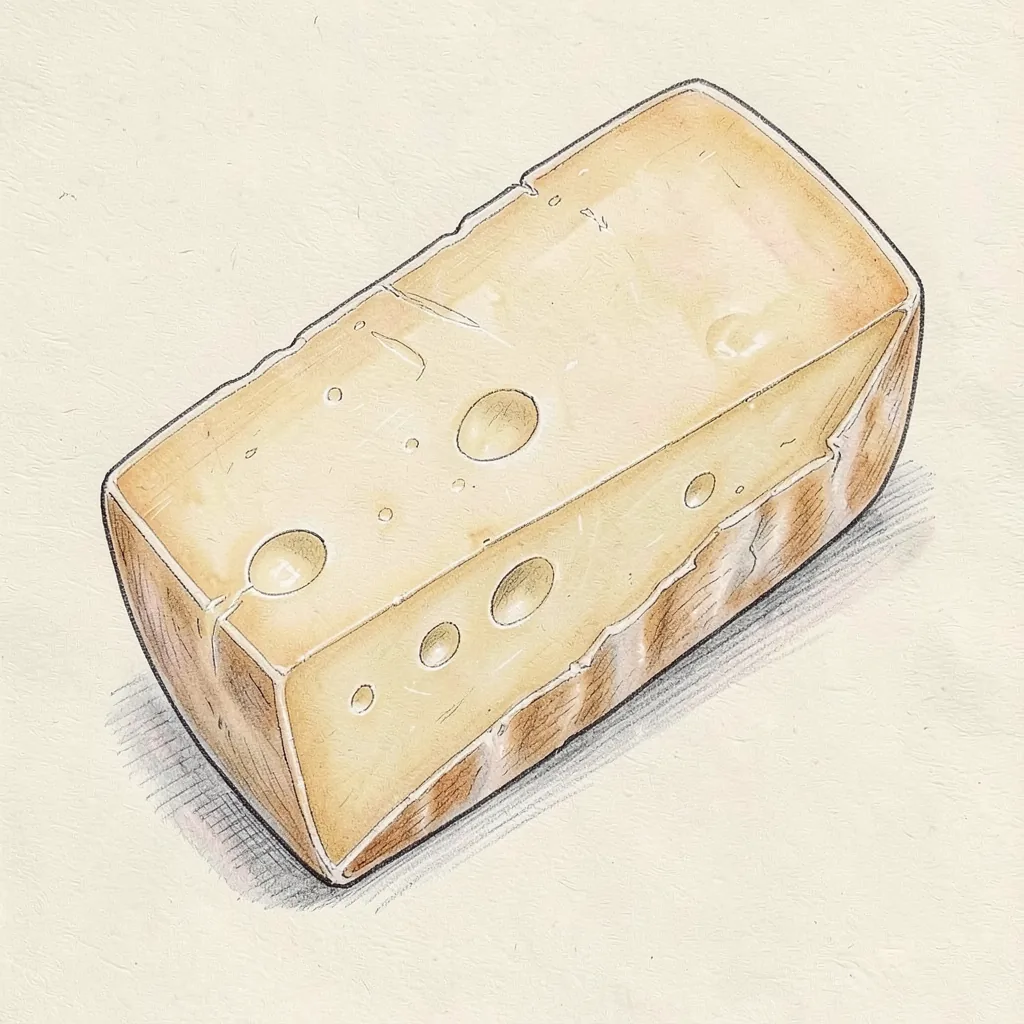
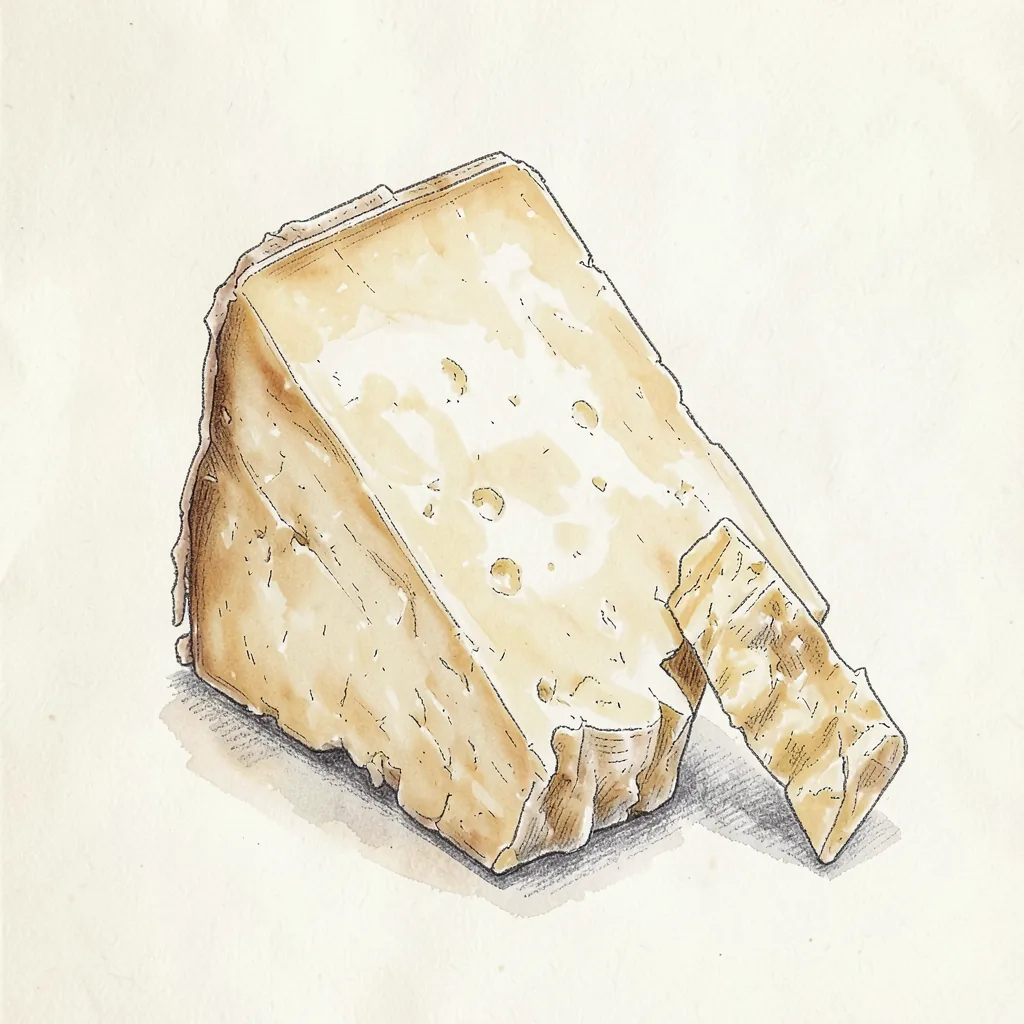
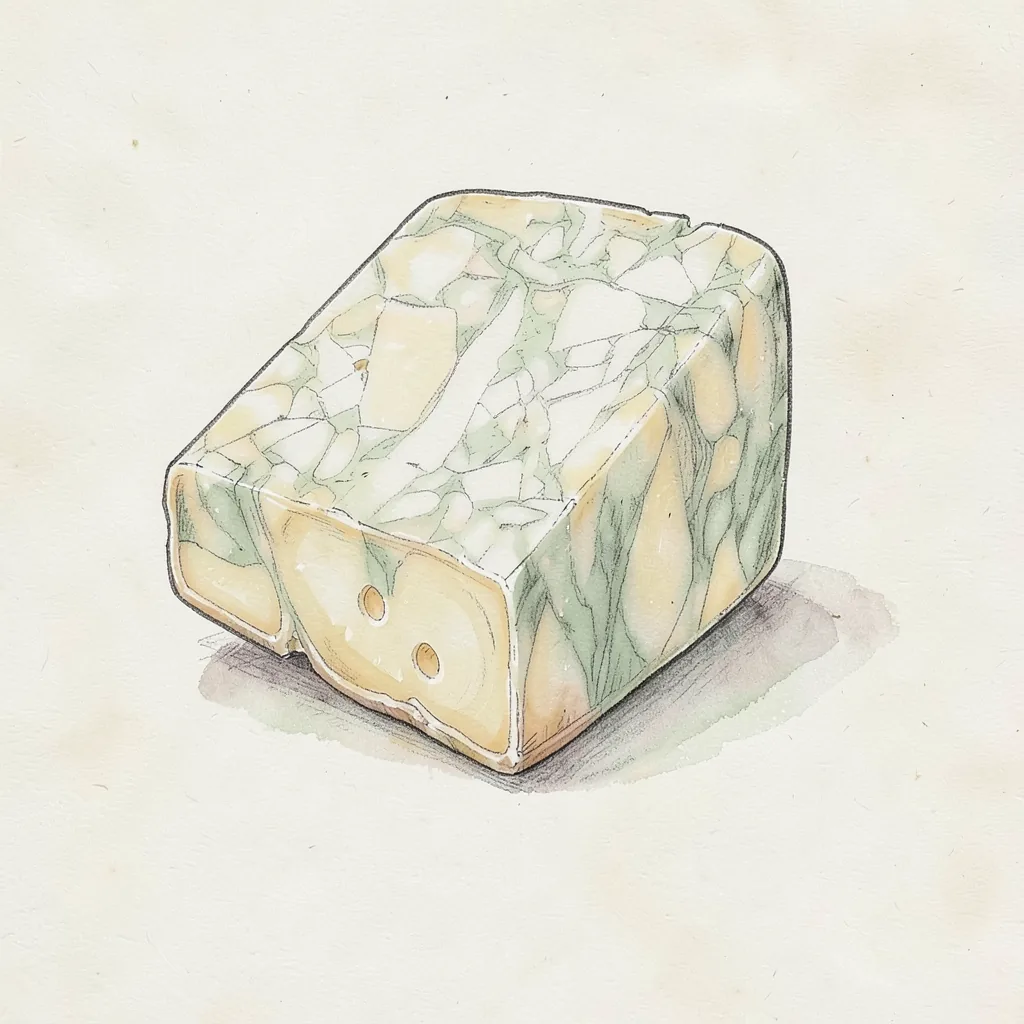
It follows the Derby style, but it is the version associated with makers outside the traditional home of Derby cheese. The paste is pressed, smooth, and pale, because annatto is not used to color it. A natural rind may be waxed or, in some dairies, washed with red wine until the outside turns orange. The flavor sits in the mild, nutty range of English regional cheeses.
The word little in the name does not mean a tiny fresh cheese. Wheels are full pressed cheeses, sold whole or as wedges, and the name marks the style rather than a snack size. The usual make uses pasteurized cow's milk, which gives a clean, even paste. Young pieces are springy and gentle. With more age the body firms and a light savory note develops, while the cheese stays calmer than a sharp aged wheel.
History
Derby is an old English cheese style, milder and moister than the hardest British wheels, and Little Derby carries that style beyond its first home. When cheese making moved into creameries, the Derby name stayed in use even where the milk came from other parts of the country. Little Derby became a way to sell that style without claiming the original county cheese. The interior was left pale. Color, when it appears, sits on the rind rather than in the paste.
Recipes vary by dairy, because the name is a style, not a single estate brand. Some makers rub or wash the rind with red wine so the coat turns orange while the paste stays pale. Others leave a plain natural rind or a wax coat. Sage Derby is a different cheese, flavored with the herb, and it should not be confused with a plain Little Derby. Buyers in Britain still meet both names in shops that stock regional English cheeses.
How it is made
Makers usually warm pasteurized cow's milk and set it with rennet. The curd is cut, stirred, and left to settle so whey can drain. Makers then break or mill the curd, salt it, and press it into a round wheel. Pressing gives the smooth body that links Little Derby to other English pressed cheeses. The wheel is bound or coated and left to mature until the paste is supple and the flavor has settled.
Annatto, the orange coloring common in Derby, is left out, so the inside stays pale cream or ivory. That choice is one of the clearest differences between Little Derby and a standard Derby wheel. Some producers wash the rind with red wine during maturation, which stains the coat and adds a faint wine note at the edge. Others do not, so rind color is not a reliable test of the style. Maturation is long enough for a mild nuttiness, and the cheese is not sold as a fresh curd.
Taste
Little Derby tastes mild, buttery, and lightly nutty, with a clean dairy finish. The paste is semi-hard, moist rather than crumbly, and easy to slice. A young piece is gentle and a little sweet. More time brings a firmer bite and a savory edge, but the cheese rarely turns sharp. If the rind was wine-washed, you may catch a faint fruit note near the coat, while the center stays plain.
Salt is moderate, and there is no herbal hit unless a shop has mixed this cheese up with Sage Derby. The pale color can make people expect a bland wheel, but a good piece has a rounded, cooked-milk sweetness. Texture is smoother than a very old pressed cheese and less elastic than a young washed-rind cheese. The aroma is quiet, more butter and nuts than farmyard. Serve it when you want an English cheese that does not dominate the plate.
In the kitchen
Little Derby works on a board with bread, celery, apples, and a pickle. It slices cleanly for sandwiches and toast. Because the paste is semi-hard and not very dry, it melts in a sauce, a baked potato, or a vegetable gratin. It can also be cubed into a salad if you want a mild salty note. Keep the heat gentle so the cheese softens instead of turning oily and tough.
Use Derby itself when you want the same family of flavor and do not mind an orange paste. Cheshire or a young Gloucester can also cover the melting and the board. Little Derby is the better pick when you want that mild English profile with a pale interior. A wine-washed rind is pleasant to nibble, but trim it if the wine note is stronger than you like. The cheese is an everyday cooker more than a rare finishing grate.
Around the world
Little Derby is an English cheese, and most of it is eaten in the United Kingdom. Exports are limited, so many shops abroad stock Derby, Cheshire, or other British pressed cheeses instead. When it does appear, it is usually a cut wedge in a specialist counter, not a supermarket block. Read the label for cow's milk, a pale paste, and the Little Derby name. A deep orange interior is a sign you may be holding Derby or another colored cheese.
Travelers who want to try it should look in British cheese shops and at counters that group regional English wheels. It is not a legal name with a sealed map, so makers in more than one place may use it. That freedom makes the flavor a little variable from dairy to dairy. Ask whether the rind was wine-washed if you care about that edge. At home, wrap the cut face and let the wedge warm before a board, or grate a firm piece into a hot dish.