Cow
What it is
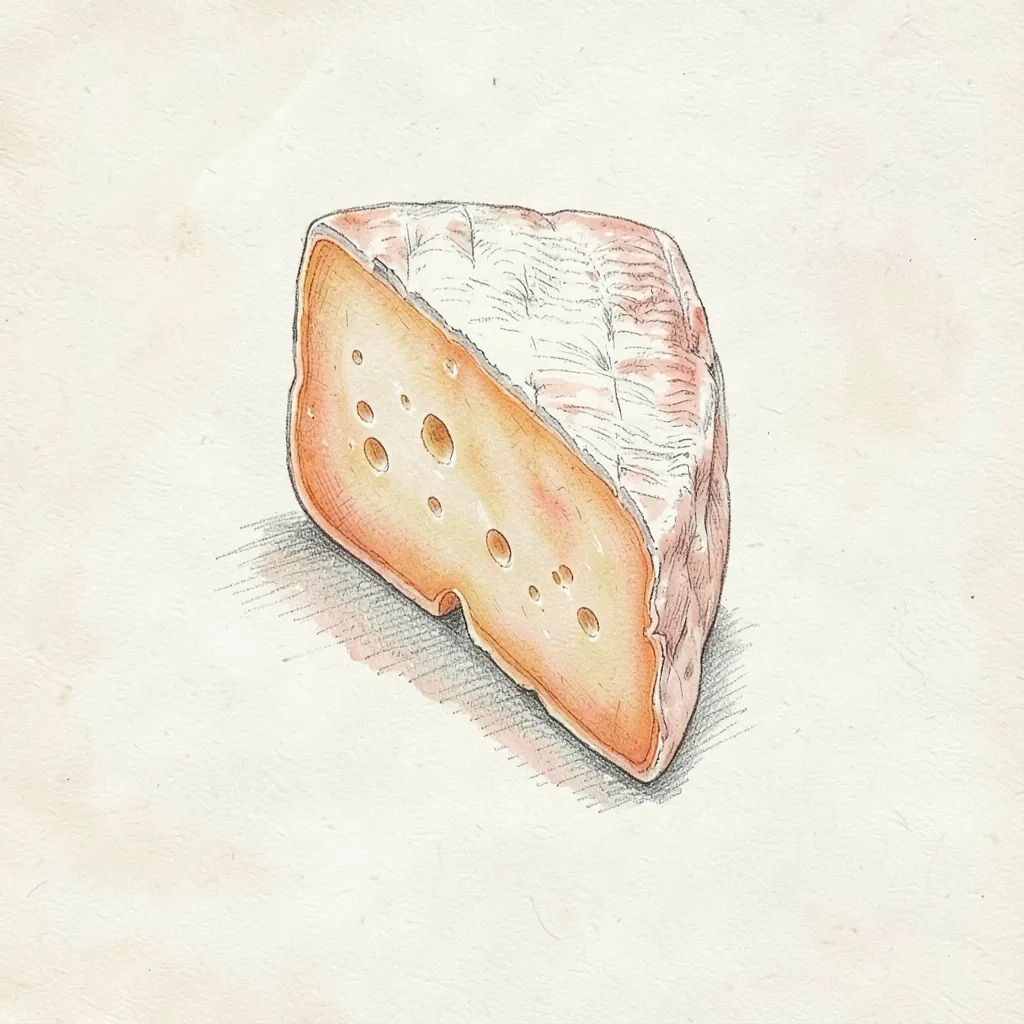
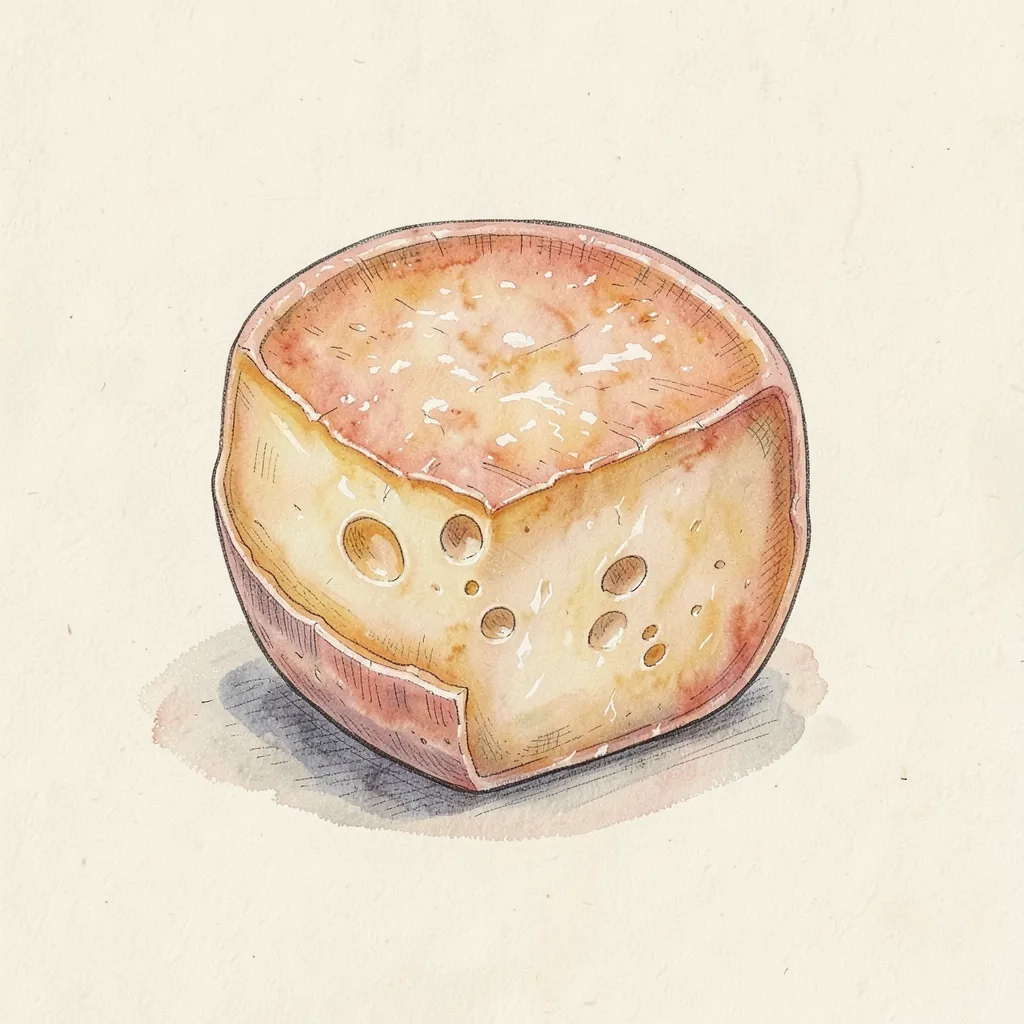
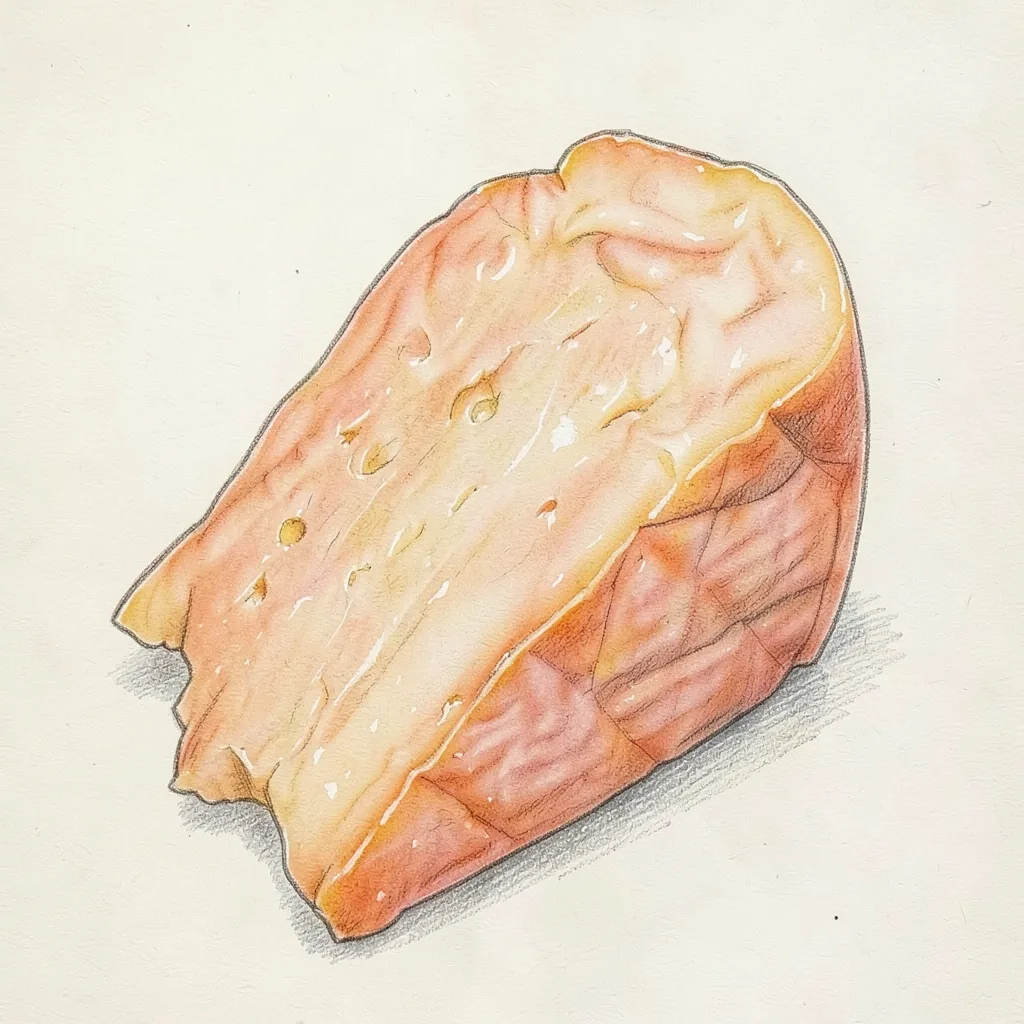
The round is pale cream inside and orange to pink on the outside, where regular washing encourages the rind. Thin bands, traditionally of sedge or a similar strip, circle the side and help the cheese hold its shape. The paste is supple and can turn creamy as it ripens. It belongs with the pungent washed cheeses, not with mild bloomy rounds.
The smell is bigger than the taste at first, which surprises people who judge it only by the rind. Inside, the flavor is meaty, salty, and tangy, with a richness from the cow's milk. A younger wheel is milder and more elastic, and a riper one softens and tastes fuller. Normandy is the home region, and the cheese is a classic there along with other local washed and bloomy styles. It is eaten on a board and also melted in simple hot dishes.
History
Washed-rind cheeses have a long place in Norman cooking, where damp cellars favor a supple paste and a fragrant coat. Livarot developed in that setting as a round cheese that was washed, banded, and sold with a bold smell. The bands around the side became a visual mark, and people nicknamed it le colonel because the stripes suggest a rank insignia. The cheese stayed a farm and dairy product of Normandy. It was never a hard grating wheel, and shoppers still expect the soft round.
As Norman cheeses became known beyond local markets, Livarot was grouped with Pont-l'Eveque and other washed rounds, while Camembert took the mild bloomy role. The washed rind, the bands, and the pungent aroma kept Livarot distinct in that company. Makers continued to wash the surface during ripening so the orange flora could develop. The cheese did not turn into a processed slice or a fresh lactic disk. Shoppers still look for the round shape and the stripes when they want this particular Norman cheese.
How it is made
Cow's milk is cultured and set with rennet, and the curd is cut gently so the cheese stays moist and soft. The curds go into round molds and drain without a hard press. Salt is added, and the young cheeses are dried a little on the surface before ripening begins. During ripening, the rind is washed with a light brine so the surface flora can color it and build the aroma. Strips are wrapped around the side to support the softening round.
Ripening is done in a cool, humid room, and the washing is repeated so the rind stays active and orange. The paste breaks down from the outside inward, turning from a springy core to a creamier body near the coat. A younger cheese holds a firmer center, while a ripe one may slump under the bands. There is no blue veining and no white mushroom coat as the goal. The bands may be sedge, rush, or paper, and they both support the round and mark the style.
Taste
The aroma is savory, barnyard, and sometimes a little like cooked cabbage or meat, which is normal for a washed rind. The taste is milder than the smell suggests, with salt, a deep savory note, and a tangy finish. The paste feels smooth and rich, coating the mouth, and it turns softer near the rind as it ripens. Bitterness should not dominate a sound piece. A harsh ammonia smell means the cheese is too far gone, and the pleasant savory note has tipped over into something you should not serve.
A young Livarot is gentler, slightly elastic, and less insistent on the nose. A ripe one is creamy at the edge, saltier in impression, and fuller in the meaty flavor that defines the style. The rind carries most of the smell, so a piece eaten with rind tastes stronger than the paste alone. Chill dulls the aroma, so the cheese shows more when it is not ice cold. The style is bold, but it should still taste of dairy and salt, not of spoilage.
In the kitchen
Serve Livarot on a board with bread, potatoes, or a mild apple, and give it room beside quieter cheeses. Cut a wedge and decide whether to include the rind in each bite. People who want less aroma can trim the coat and eat the paste, which is softer and a bit milder. It also melts into potatoes or eggs, where it acts like a strong sauce. Do not use high heat for a long time, or the fat can separate and the smell can turn harsh.
Pair it with something crisp or lightly sweet to balance the salt and the rind. Dry cider and plain country bread are natural company in Normandy, and they fit the cheese better than a delicate dessert. Wrap leftovers well so the aroma does not take over other food in the cold. It will not grate over pasta the way a hard aged cheese does, and it will not stay mild like a fresh spread. Use it when a dish can handle a washed-rind flavor.
Around the world
Outside France, Livarot appears in shops that stock Norman and other washed-rind cheeses. It is less universally known than Camembert, and buyers sometimes expect a bloomy mildness that this cheese does not have. Pont-l'Eveque is the neighbor most often confused with it, since both are soft washed rounds from Normandy. Livarot is usually the stronger, more aromatic of the two, and the bands are the quick visual clue. Munster and Epoisses sit in a similar pungent mood, but they are not the same Norman round.
If Livarot is missing, Pont-l'Eveque is the most faithful substitute for both the board and a gentle melt. Munster brings a similar washed-rind power, though its paste and aroma are not identical to the Norman cheese. Epoisses is softer and often stronger, so use less if you swap it into a hot dish. A bloomy Camembert will not replace the savory rind, even though it is also from Normandy. Choose a washed cheese when the smell and the salty depth are the reason for using Livarot.