Cow
What it is
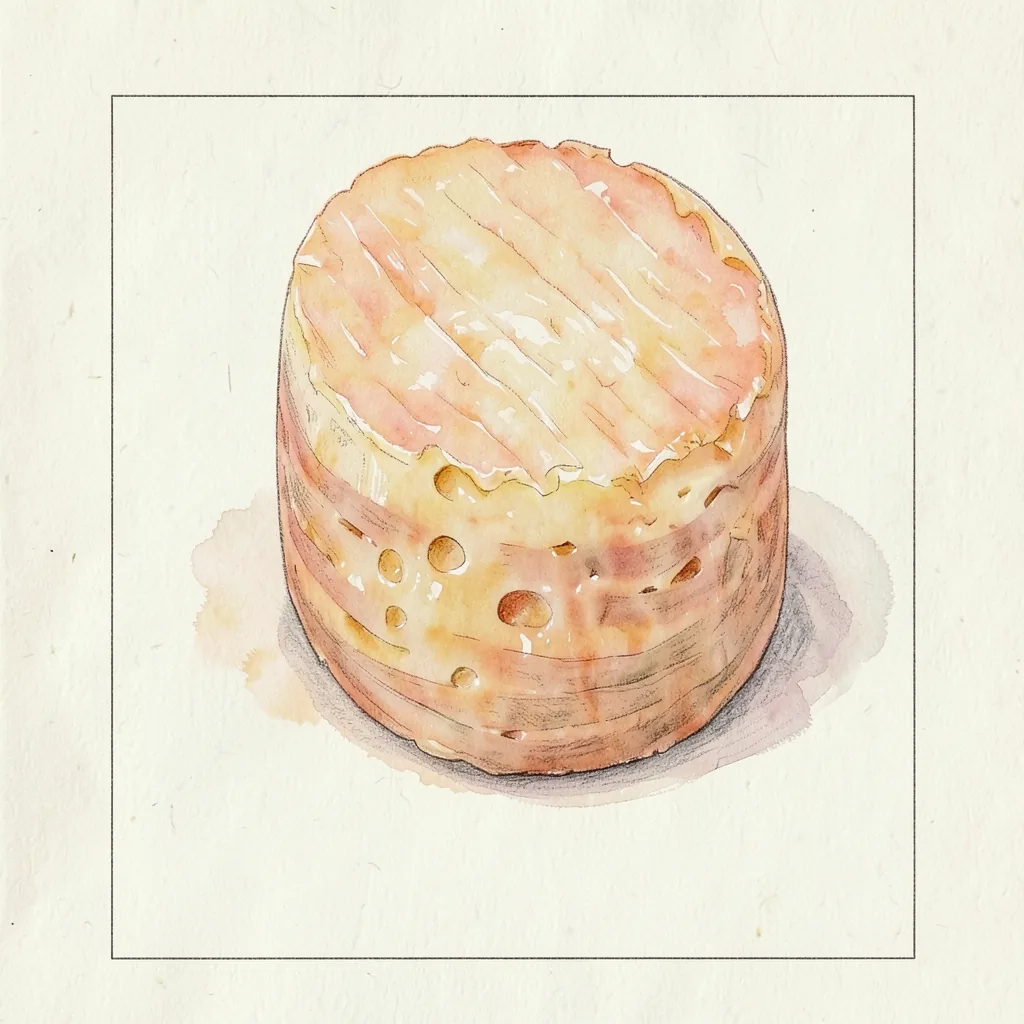
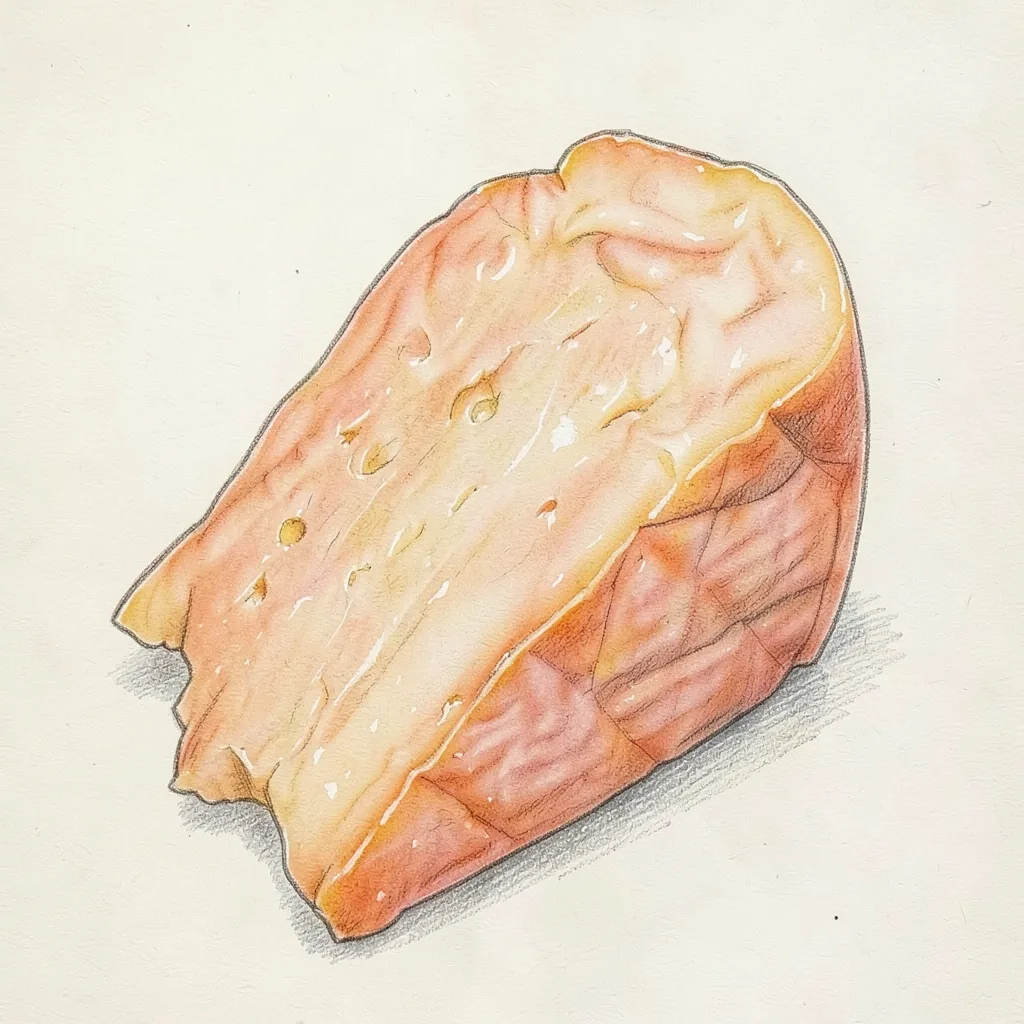
The paste is pale and supple, and the rind runs from straw gold to a deeper orange. It is one of the classic cheeses of Normandy, sold as a modest square that fits on a board. The smell of the rind is stronger than the taste of the center. A young square can be sliced, and a ripe one softens toward a creamy edge.
The name matches a town in Normandy, and the cheese is still identified with that region rather than with a single brand. Makers wash the rind during ripening, which builds the color and the savory aroma. The interior is a cow's milk paste, not a blue and not a fresh curd. A good square can smell of the barnyard or turn lightly meaty, but it tastes milder, salty, and creamy. It belongs with washed cheeses, and it is not a bloomy white cheese, even though Normandy makes those too.
History
Pont-l'Évêque has a long history in Normandy as a washed cow's milk cheese made in a square form. The shape became a way to recognize it among round cheeses from the same region. Farm versions and creamery versions both exist, and the name covers that shared style. The useful background is the Norman habit of washing cow's milk cheeses, not a single house brand. The square, the washed rind, and the soft paste are the parts that lasted.
Over time, dairies in Normandy kept the square format while production became more regular and more widely sold. The cheese traveled beyond the local market, but the identity stayed Norman. Other washed cheeses of northern France sit near it in books, yet the square sets it apart at a glance. Salt, the wash, and the length of ripening still vary a little from maker to maker. What you should expect is a cow's milk washed cheese from Normandy, with a town name that marks heritage rather than one street.
How it is made
Cow's milk is set with starter and rennet, and the curd is cut, stirred, and put into square molds. Whey drains until the cheese can hold that shape without becoming hard. Salt is added, and the young squares are dried so the faces are not wet. During ripening, the rind is washed, which encourages the orange surface growth. The wash is repeated so the color and the aroma develop together, and the paste softens from the outside inward.
The square is not pressed like a large mountain wheel, and it is not left to grow a white bloomy coat. Mats or racks sometimes help the rind dry between washes, but the washing itself is the key step. A shorter ripening leaves a milder, springier cheese. A longer one deepens the smell and makes the paste creamier near the rind. Producers sell it while the center can still be cut, and a ripe square should be handled gently so it does not bruise.
Taste
The rind smells savory, sometimes barnyard, mushroom, or lightly meaty, and the paste tastes milder than that aroma suggests. Salt is clear, the body is creamy, and a sweet milk note sits under the savor. A young square is gentler and more elastic. A ripe square is softer, with a fuller flavor near the rind and a calmer center. The finish is round rather than sharply acidic, and bitterness should not take over the bite.
The paste may bulge a little when the cheese is warm, but it should not be watery or hollow. A chalky center means a younger or cooler cheese, which some people prefer for clean slices. A very ripe square can be spooned from the rind. The flavor is not the coat of a white bloomy cheese, and it is not the pepper of a blue. If the smell is harsh ammonia and the paste looks dark and weeping, the square is past its best.
In the kitchen
Serve Pont-l'Évêque on a board once it has lost its chill, with bread, cider, and something crisp such as apple or a pickle. Cut the square so each person gets both rind and paste. It also melts in a tart, on potatoes, or in a simple baked dish, where the rind flavor softens into the cream. Do not boil it hard in a thin sauce, or the texture can turn grainy. Gentle heat is enough, and a little of this savory cheese goes further than a mild block.
For cooking, trim the rind only if someone dislikes the stronger bite, and keep it on when you want the full savory taste. The cheese can be the main flavor of a vegetable gratin. It is less useful as a grater, because the paste is soft and will clump. Dry cider or a light red wine is a natural partner on the table. Wrap leftovers well, because the washed rind will scent a refrigerator and the cut face dries out.
Around the world
Pont-l'Évêque is exported more widely than many small farm cheeses, and shops outside France often keep a square with the other washed rinds. The Norman origin is part of the appeal, along with the unusual square shape. Diners who know only white bloomy cheeses are sometimes surprised by the orange rind. A short explanation helps. Call it a washed cow's milk cheese with a soft paste, a savory smell, and a milder taste than the rind suggests.
Livarot is the Norman neighbor most often confused with it, though Livarot is usually round and often stronger in smell. Camembert de Normandie shares the region and the cow's milk, but its rind is white and bloomy, not washed. Munster and other washed cheeses can stand in for a recipe when the square is unavailable. None of them copies the exact balance of mild cream and savory rind. If you remember the square and the orange surface, you will not mix it up with a round white cheese.