Cow
What it is
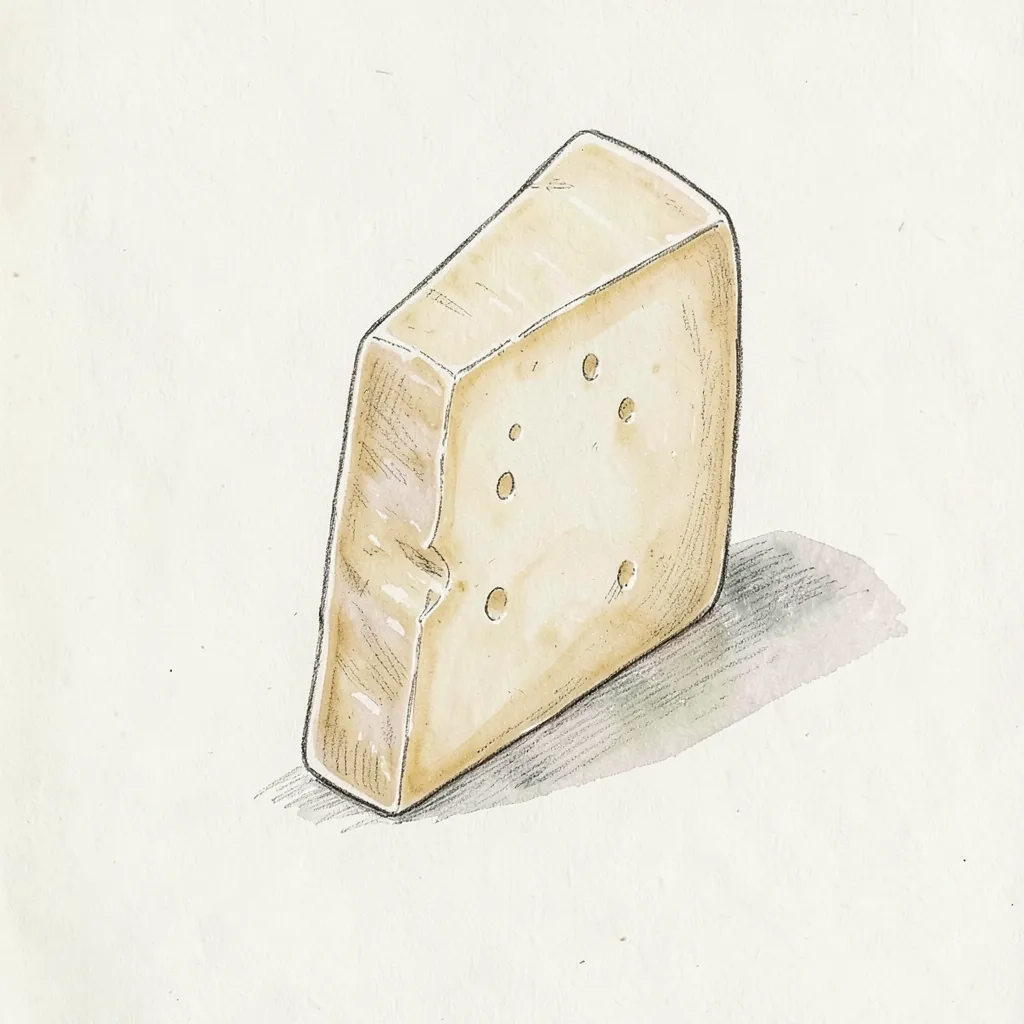
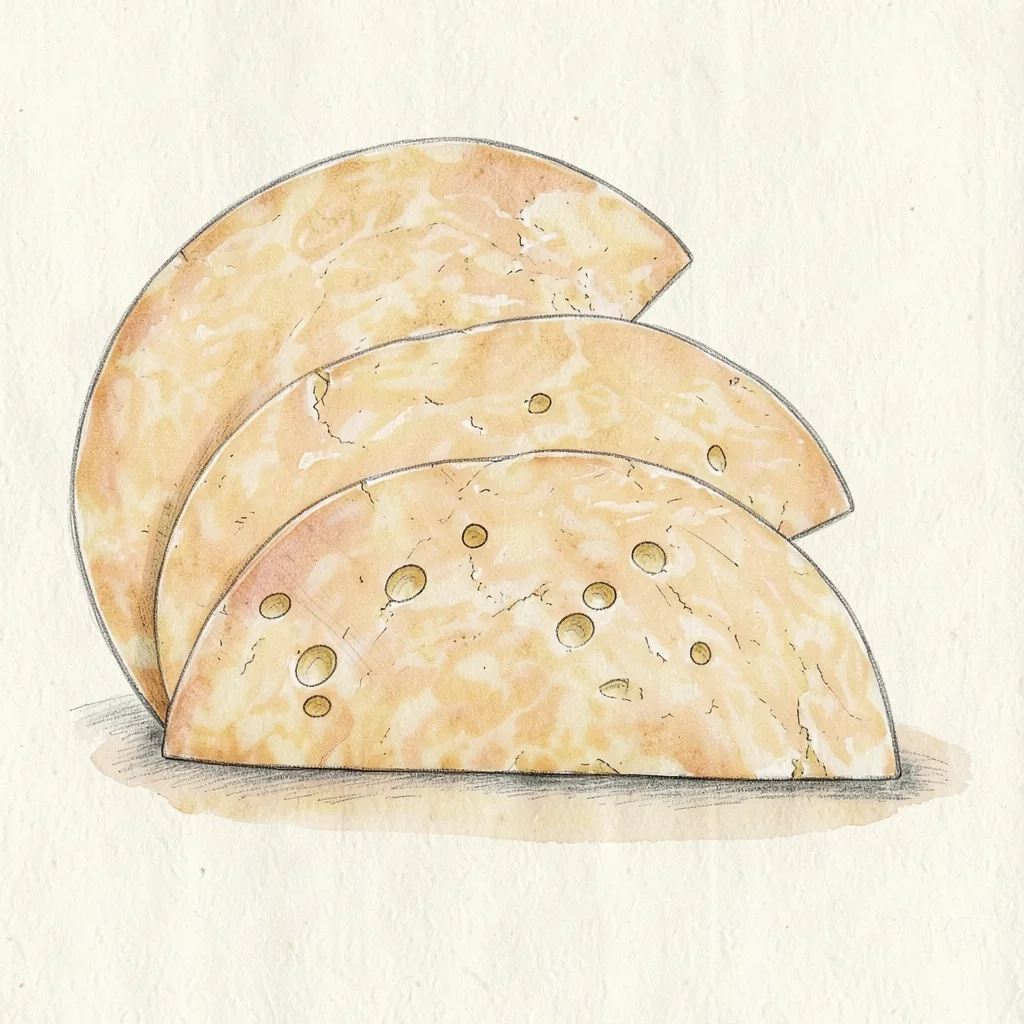
The usual path is to mix two curds, often white cheddar curd and orange cheddar curd tinted with annatto. The cut face looks marbled, and the cheese underneath is usually a hard pressed style. It is a way of making, not one dairy's private recipe. A block can taste mild or sharp depending on the cheddar that went into it.
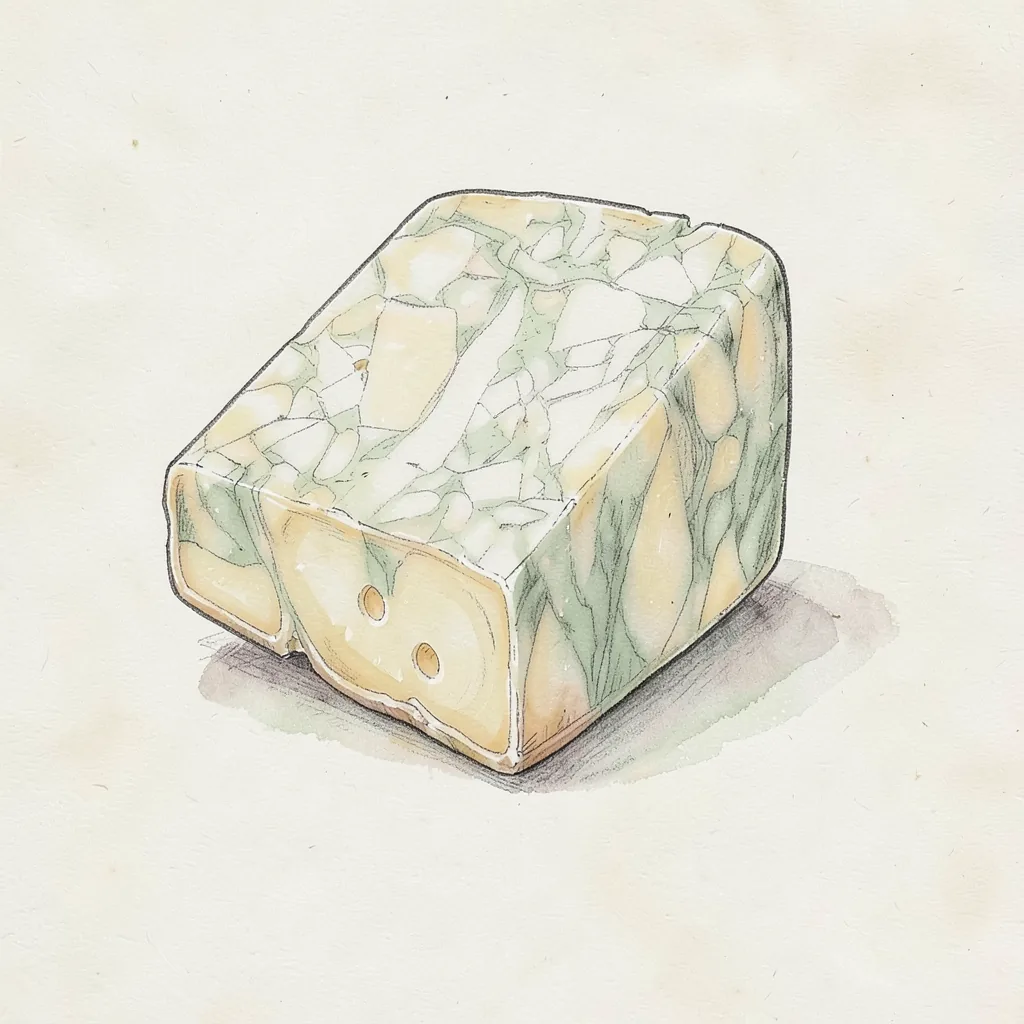
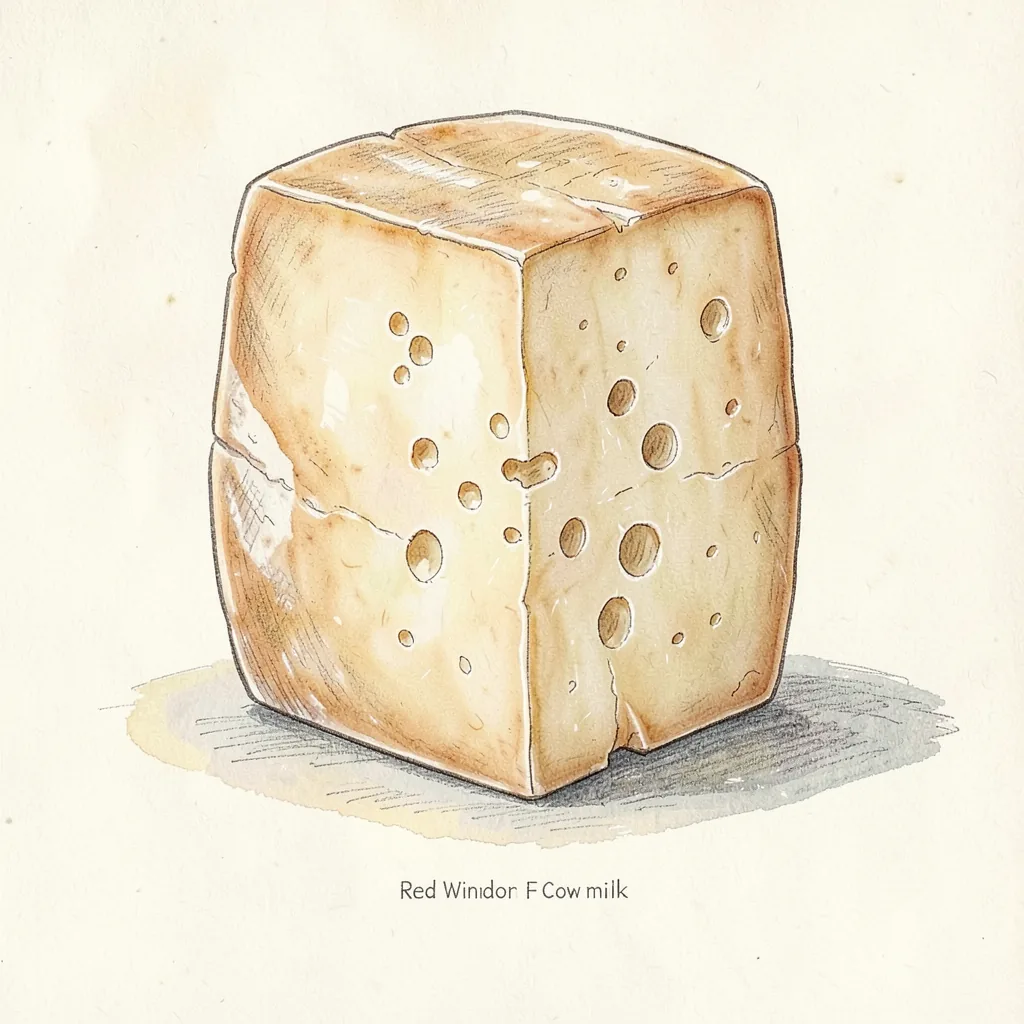
Flavor follows the cheeses in the blend, so a marbled cheddar tastes like cheddar, savory and slightly tangy, with a firm slice. The orange and the white should not taste like two different products. Other British cheeses are sometimes mentioned nearby because they carry color in the paste, including green-flecked Derby and red-tinted Windsor. Those are related sights, not the same two-curd mix. When a label says marble, look for irregular streaks inside a hard cow's milk cheese.
History
British makers have long used annatto to tint cheddar and other hard cheeses a deep orange. Once orange curd and white curd both existed, mixing them was a small extra step, and the cut face looked like stone marble. The style is tied to the United Kingdom in origin, even though similar blocks are now ordinary in other countries. No single founder or village owns the pattern. It is a choice any cheddar dairy can make when it wants a recognizable slice.
Color in British cheese has more than one tradition, which is why the word marble sometimes gets stretched. Sage Derby can show green flecks from herbs or plant color, and Red Windsor can show a red cast from wine or from color alone. Those cheeses prove that makers liked a visible mark in the paste. True marble cheese, though, is a blend of two curds rather than one curd dyed all the way through. The streak stays irregular, and that irregular line is the clue.
How it is made
Makers prepare cow's milk curd in the cheddar manner, cutting and stacking it until the curd is firm and ready to salt. One portion stays white, and another is tinted, traditionally with annatto, until it turns orange. The two curds are mixed so the colors stay in streaks instead of blending into a single shade. The mix is pressed into a block or a wheel and then aged like the cheddar it came from. Most retail pieces are rindless blocks rather than wheels with a thick coat.
Some cheeses sold as marble combine curds from two different varieties, not only two colors of cheddar. Colby-Jack, better known in the United States, mixes Colby with Monterey Jack and is the familiar American cousin of the idea. A few factory loaves are process cheeses shaped to look marbled. The traditional British reading is still a hard pressed cheese with a cheddar character. If a label is vague, the ingredient list shows whether you have real curd or a processed loaf.
Taste
The taste is the taste of the base cheese, usually cheddar, and the color itself adds little flavor. A young marble block is mild, milky, and slightly sweet, with a smooth firm paste that slices without crumbling. An older block is sharper, drier, and more savory, in the way a mature cheddar is. Annatto can leave a faint earthy note, but most people taste salt, acid, and cooked milk. The orange streaks and the white streaks should taste the same.
Texture runs from supple to crumbly as the cheese ages, just as it does in plain cheddar. Open eyes are not part of the style, and blue veins do not belong here. A very mild, waxy loaf may be a process cheese, and it will taste flatter than a block of real cheddar. Green-flecked Derby can taste herbal if leaves were actually used. Red Windsor may taste faintly of wine if wine was added, or simply like cheddar if only color was used.
In the kitchen
Use marble cheese wherever you would use cheddar of a similar age. It melts in toasted sandwiches, sauces, and baked dishes, and it grates over potatoes, eggs, and vegetables. Slices and cubes suit a board, where the pattern is part of the pleasure of serving it. A sharp aged block is the better grater, and a young moist block is the better melt. The familiar flavor makes it an easy cheese when you want color on the plate without a surprising taste.
The marbling does not change how the cheese melts, so the orange part and the white part behave as one. If a recipe needs a very pale sauce, choose a white cheddar, because annatto can tint the sauce a soft orange. For a burger or a grilled sandwich, the color is welcome and the melt is the same as plain cheddar. Wrap the cut face so it does not dry in the fridge. A dry piece still grates, but it is less pleasant to slice and eat plain.
Around the world
The pattern traveled far from Britain. In the United States, Colby-Jack is the marbled cheese most shoppers know, and it is moister and milder than a traditional British cheddar. In Canada, marbled cheddar is a standard grocery block, mixed from white and orange curds and sold beside plain cheddar. Those cheeses share a look with British marble cheese, but they do not always share the same moisture, age, or sharpness. Read the variety name, not only the streaks on the cut face.
A British counter may also point you toward Sage Derby or Red Windsor if you ask for color in the paste. Enjoy them as neighbors with their own recipes, not as copies of marbled cheddar. Plain cheddar remains the flavor substitute when a streaked block is missing from the shelf. If you want the look, you need two colors inside one piece, not a dusting of spice on the outside. Marble cheese is a visual style of hard cow's milk cheese, and cooks can treat it as cheddar.