Mixed milk
What it is
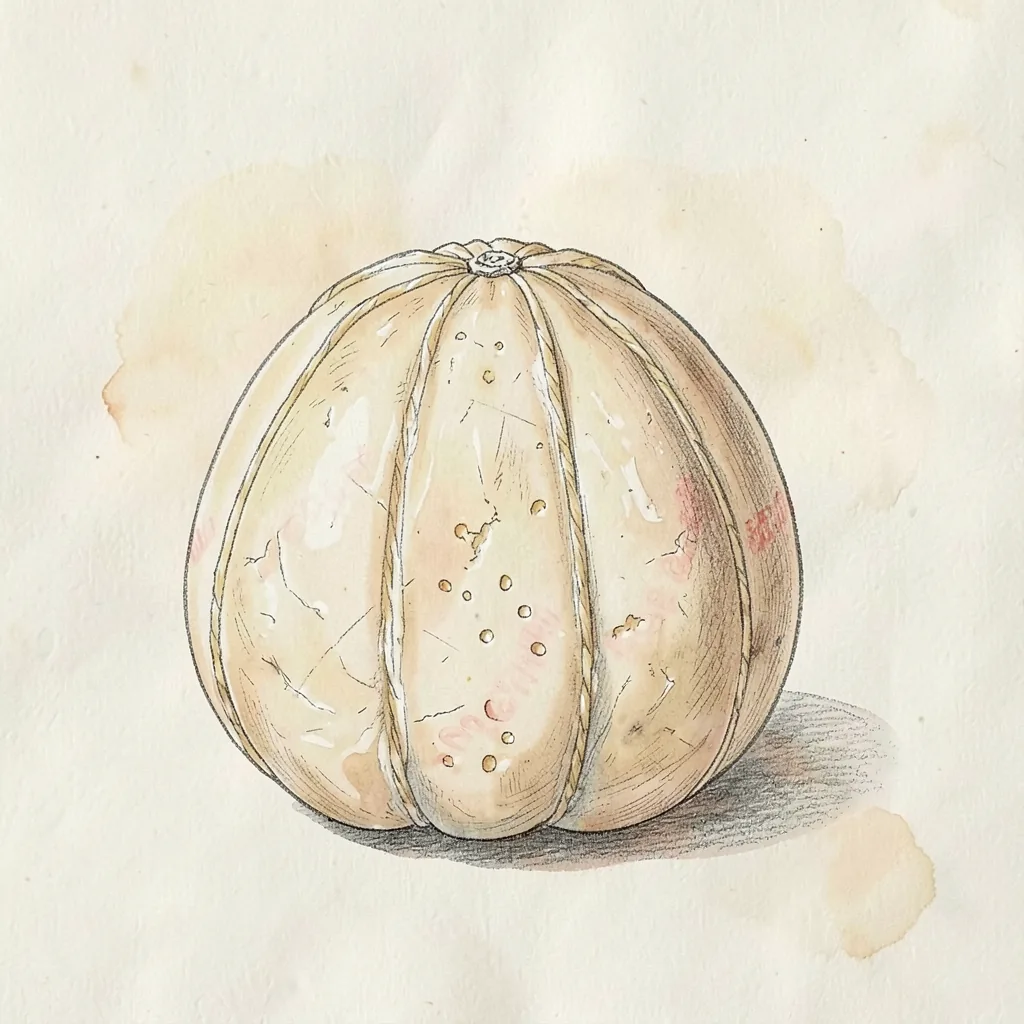
Cow's milk is the base, and some batches also include sheep milk or goat milk. The curd is stretched, shaped into cylinders, salted, aged, and then smoked. The name is protected, so the cheese tied to that name comes from this area. A pale interior and a browned, smoky outside are what you should see.
The texture is elastic and smooth, closer to a smoked provolone than to a crumbly Greek grating cheese. Smoke sits on the surface and moves a little way into the paste. The taste is salty, mildly tangy, and lightly sweet, with a clean dairy finish. It slices for a board and also melts. Heat wakes up the smoke without making the cheese oily if you keep the slices thick enough to brown.
History
Metsovone takes its name from Metsovo, a mountain town in Epirus. The stretched-curd method links it to cheeses such as provolone and kashkaval, while the smoking step is local. Makers in the area use milk from animals kept nearby, then they finish the wheels with smoke from plants of the region. The protected name marks that link between place and method. It is a table cheese of Metsovo, not a copy of an Italian wheel with a Greek label.
Before the name was protected, smoked stretched cheeses could be made in more than one way and still borrow the word. The protection tells buyers that real Metsovone follows the Metsovo method and comes from that part of Epirus. The cheese did not need a long export story to matter locally. Visitors meet it in the town and in Greek shops that stock other protected Greek cheeses. Outside Greece it remains a specialist item next to better known cheeses such as feta and graviera.
How it is made
Milk, mostly from cows, is cultured and set with rennet. The curd is heated and then left until it is ready to stretch. Makers knead it in hot water until it becomes a smooth, elastic mass, and they pack that mass into cylindrical molds. A brine bath salts the wheels. After a drying period they are tied and aged until the paste is semi-hard.
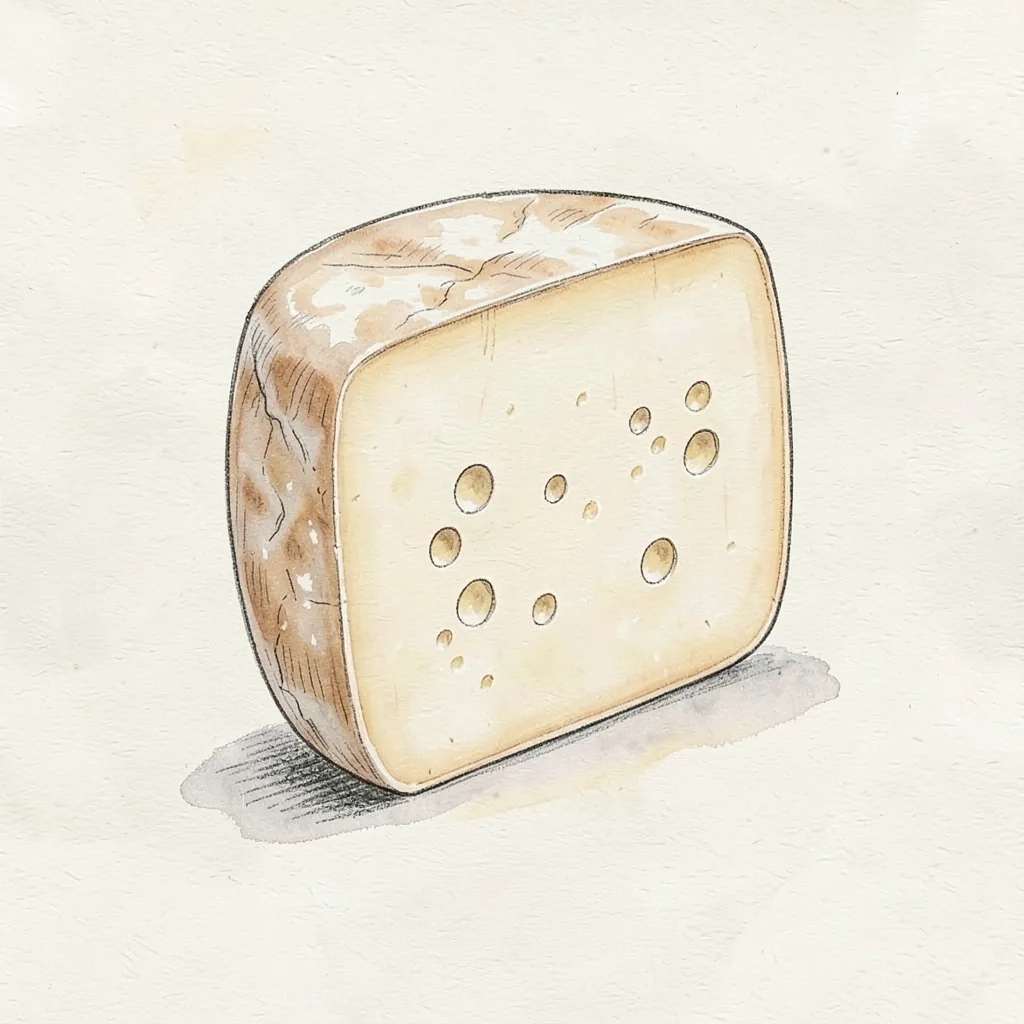
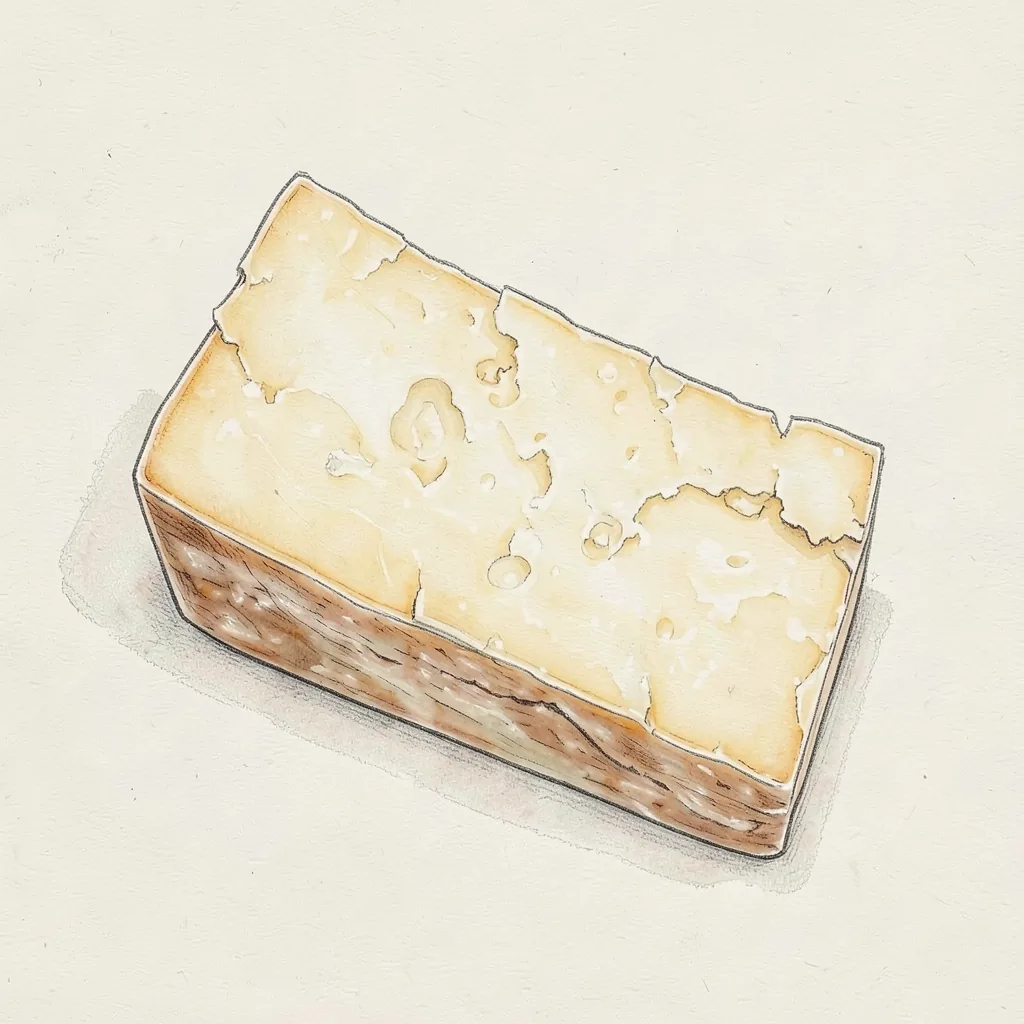
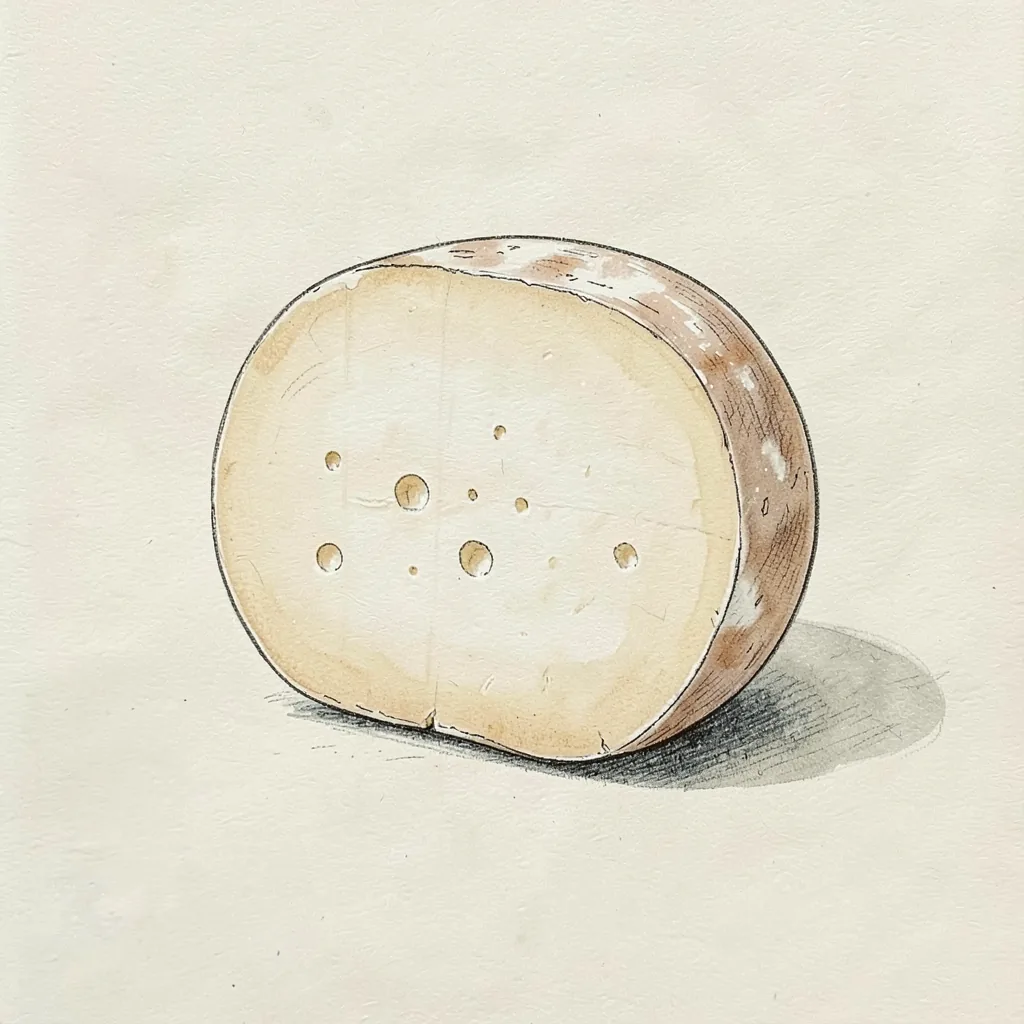
Smoking comes after the aging, not before the curd is stretched. The wheels hang in smoke from local plants, which colors the outside and adds the flavor people expect. Some wheels are then given a thin coating so the surface stays tidy in the shop. The interior stays pale, dense, and able to slice without crumbling. A cross-section should show a smooth paste, not blue veins and not a chalky break.
Taste
Smoke is the first note, but it should not cover the milk. Under it you get salt, a mild tang, and a faint sweetness, sometimes with a hint of dried fruit or toasted nuts. The paste is elastic and moist, not granular. A thin slice bends before it breaks. If the smoke tastes like a campfire ash, the piece was smoked too hard or kept too long in a wrapper that trapped the odor.
Compared with provolone, Metsovone is usually a bit gentler and more clearly smoky. Compared with kasseri, it is firmer in its smoke and more elastic from the stretching. The flavor is savory enough for meat and mild enough for bread and fruit. Heat softens the paste and makes the smoke rounder. Cold from the fridge, it can seem tight and salty, so give it time to warm.
In the kitchen
Slice it for a board with bread, olives, tomatoes, and a simple red wine. Grill thick slices until the surface browns and the center softens, then serve them with potatoes, mushrooms, or a piece of meat. A pinch of paprika is a local habit and matches the smoke. The cheese also melts on a sandwich or over baked vegetables. Keep the heat moderate so the fat stays in the slice.
Grate a firm piece over pasta or into a filling if you want smoke without a sauce. It is not the right cheese for a very long, dry grate like a hard pecorino, because the paste is too elastic and moist. Cubes can go on a skewer with vegetables. Leftover slices are good in an omelette. Wrap the cut face so the smoke does not perfume the rest of the fridge.
Around the world
In Greece, Metsovone is a regional specialty with a protected name, and Metsovo is where the story is told to visitors. Greek grocers elsewhere may carry a wedge or a small wheel. If you cannot find it, provolone or a smoked scamorza will melt in a similar way, though the smoke and the milk will differ. Kasseri is another Greek option for the board, but it is usually not the same smoked stretched cheese. Read the label so you do not buy a generic smoked loaf.
The cheese travels as a taste of Epirus more than as a global commodity. Cooks who like smoked stretched-curd cheeses understand it at once. It pairs with the foods of a mountain table, including grilled meat, potatoes, and bread, rather than with a sweet dessert course. Outside specialty shops it is easy to miss. When you do find a real wheel, the protected status is the clue that the Metsovo method was followed.