Cow
What it is
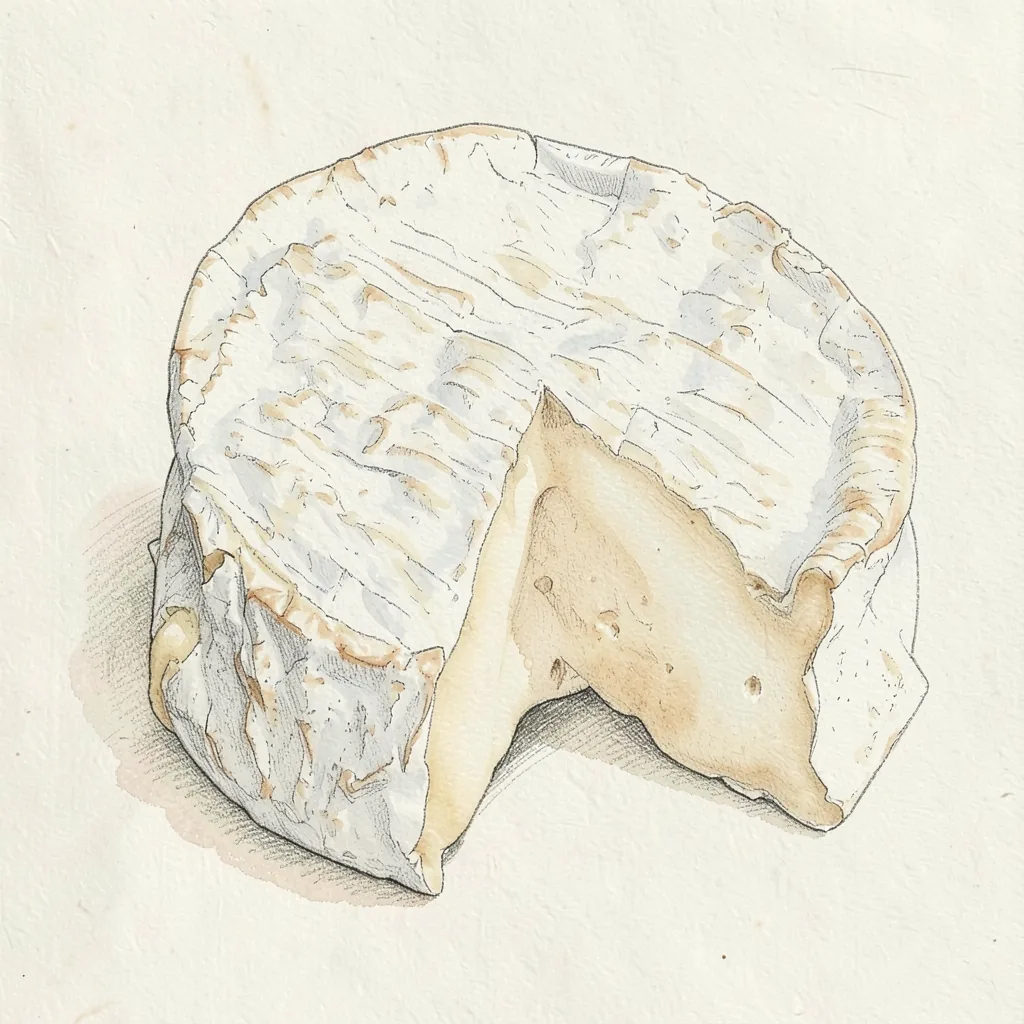
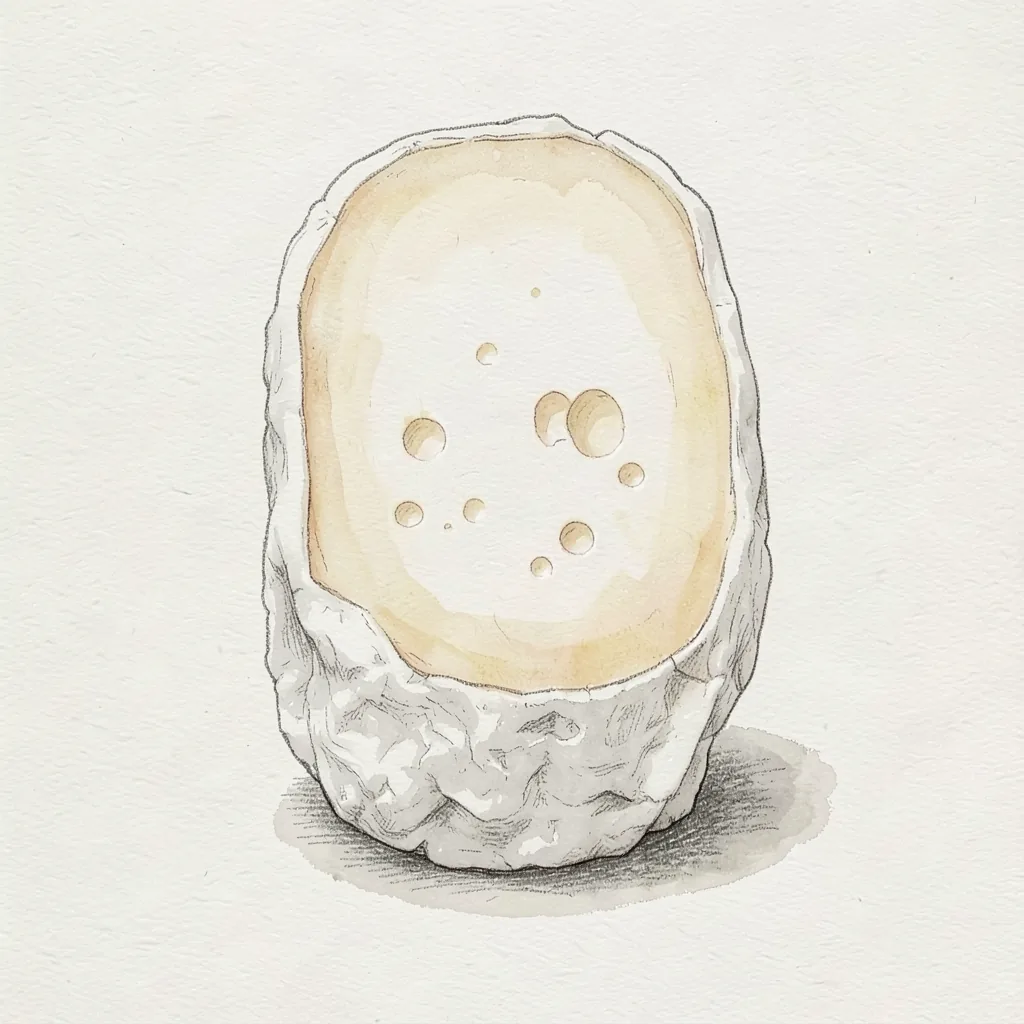
The word cendré means that ash covers the cheese, and the rind turns grey from that coat. The paste is ivory, supple, and a little moist, with a delicate earthy taste. Makers have long ripened the rounds in ash, once from burned vine cuttings and now often from vegetable charcoal. It is a table cheese, sold in small cylinders for cutting and spreading.
A younger piece is milder, and a longer-ripened piece smells more of mushroom and cellar while the taste stays gentle. The ash is a surface coat, not a burnt flavor through the paste. Spring milk is the traditional choice, when herds are on fresh pasture. Dairies also make the cheese beyond that season. There is no blue vein, and the rind is not the sticky orange of a washed cheese.
History
Olivet cendré belongs to an old group of ashed cheeses from France. Farmers used ash to keep a soft cheese and to calm its acidity while it ripened. Vine cuttings were a ready fuel, and ash from those cuttings became the traditional coat. The grey round then found buyers beyond the farm, including in city markets. The cheese is still known for that ash rind, even where charcoal replaces a vineyard fire.
Other rounds in the same French tradition wear hay or pepper instead of ash. Those are related cheeses, and they are not Olivet cendré. This one keeps the grey coat as its mark. Batches can vary a little in milk handling and ripening, because the name is not tied to one legal recipe. What you should still see is cow's milk, a soft paste, and ash on the rind.
How it is made
Cow's milk is set with rennet, and the curd is molded into cylinders. Whey drains until the cheese can hold a soft shape. The rounds then ripen in ash, which gives the grey skin and lets the paste soften from the outside inward. Traditional ash came from burned vine wood. Many makers now use vegetable charcoal or another wood ash, and surface mold adds an earthy smell.
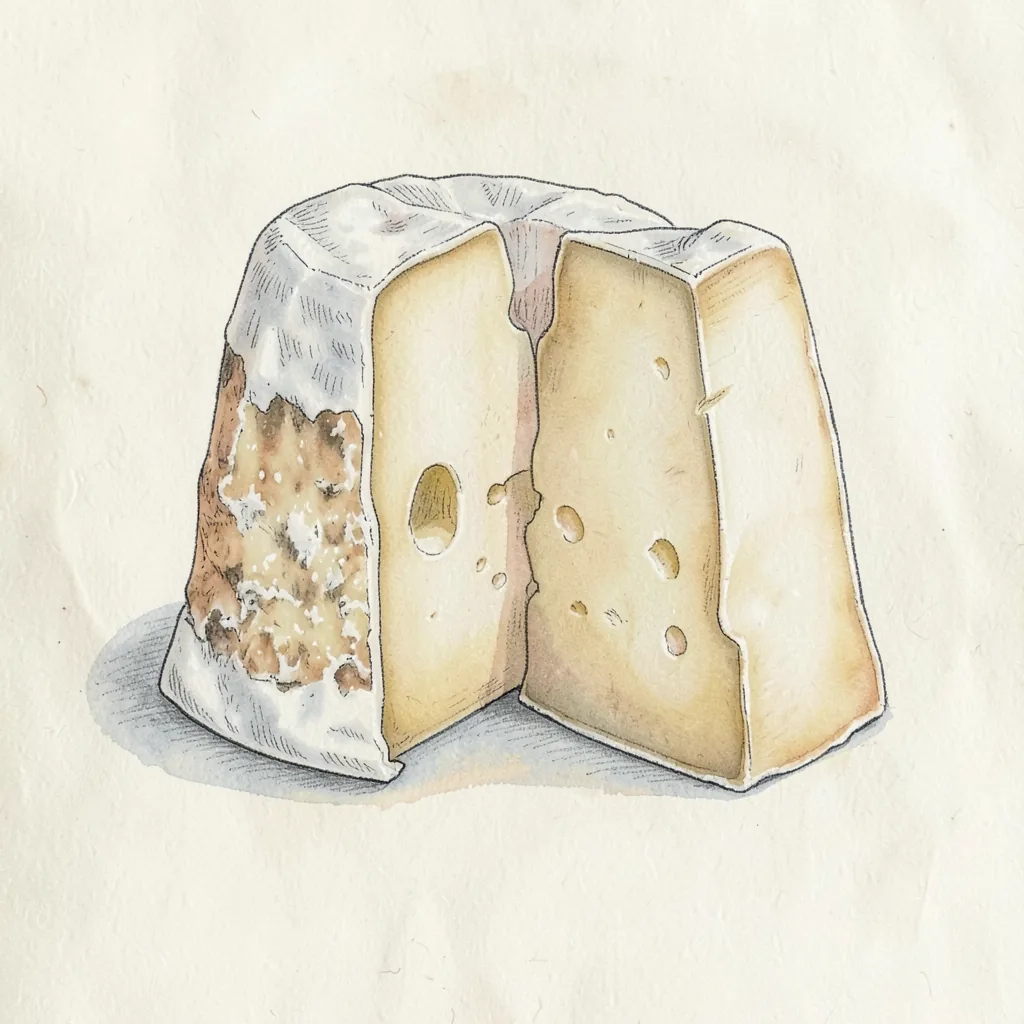
The cheese is not pressed into a hard wheel, and it is not soaked in brine. Time in the ash is what turns a plain curd into Olivet cendré. A finished round has a grey rind and an ivory paste that yields to a knife. Some pieces stay a little chalky at the center, and riper pieces are supple all the way through. Salt is moderate, and the constant marks are cow's milk and the ash coat.
Taste
The taste is delicate, milky, and lightly earthy, with a mushroom note from the rind. It is not a sharp cheese, and well made ash does not taste like soot. The paste feels smooth and supple, sometimes softer just under the grey coat. Salt stays quiet, and at room temperature the aroma opens so the flavor seems fuller than it does straight from the cold.
A younger cylinder can taste simple and creamy. A riper one adds a spicy cellar aroma while the paste stays gentle rather than bitter. The smell is earthy and a bit pungent, stronger than the taste. If ammonia dominates, the cheese is past the point most people enjoy. There is no goat tang and no blue bite, so bread, fruit, and a light wine are enough beside it.
In the kitchen
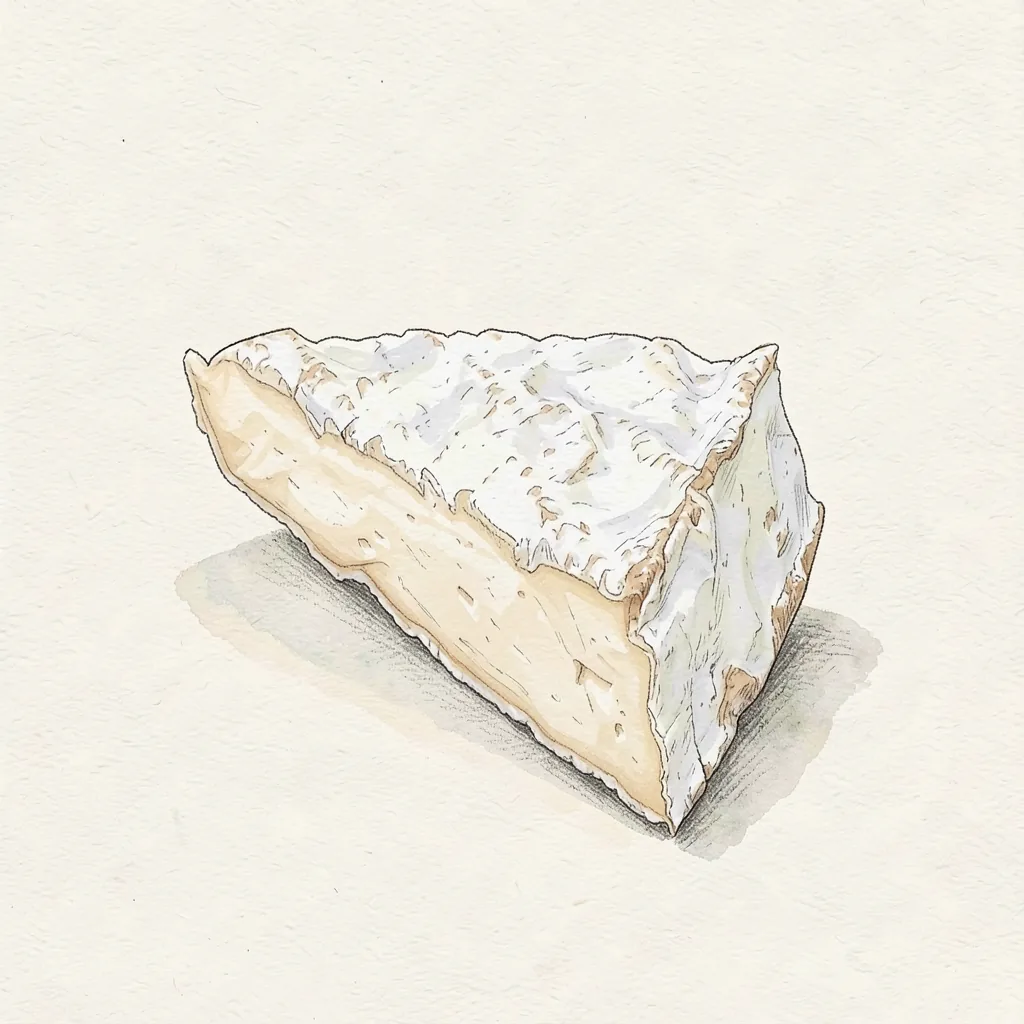
Cut Olivet cendré in wedges and serve it on a board, with the grey rind left on if you like the earthy edge. The paste spreads on bread when the cheese is ripe. It can sit on a salad or soften over warm potatoes and vegetables. High heat makes the fat run, so warm it only briefly. It is not a grating cheese, and pear, nuts, or a green salad match it better than a heavy sauce.
Take the cheese out of the cold before you serve it, so the paste softens and the aroma shows. Keep the cut face covered in the fridge, or the ash coat dries and the smell turns harsh. A whole small cylinder is easy to finish at one meal. If you cook with it, add it near the end. Some cooks trim the coat so ash does not speckle a sauce, and others leave it on for the earthy edge.
Around the world
Olivet cendré is easier to find in France than in a distant supermarket. Shops elsewhere often offer soft cow's milk cheeses with white rinds instead. Those cheeses can be mild and creamy, but they lack the grey ash and the cellar smell. Ash-coated goat cheeses are another lookalike, and the milk is not the same. Read the label for cow's milk and for the word cendré if you want this style.
Coulommiers and Brie are the usual soft cow's milk stand-ins for a board or a gentle bake. Saint-Marcellin is smaller and often more luscious, still without the ash. Valençay wears ash too, but it is a goat cheese with a different shape and a clearer tang. If a recipe only needs a soft mild cow's milk cheese, another cow's milk round will do. If the grey rind is the point, wait for Olivet cendré or a similar ashed cheese.