Cow
What it is
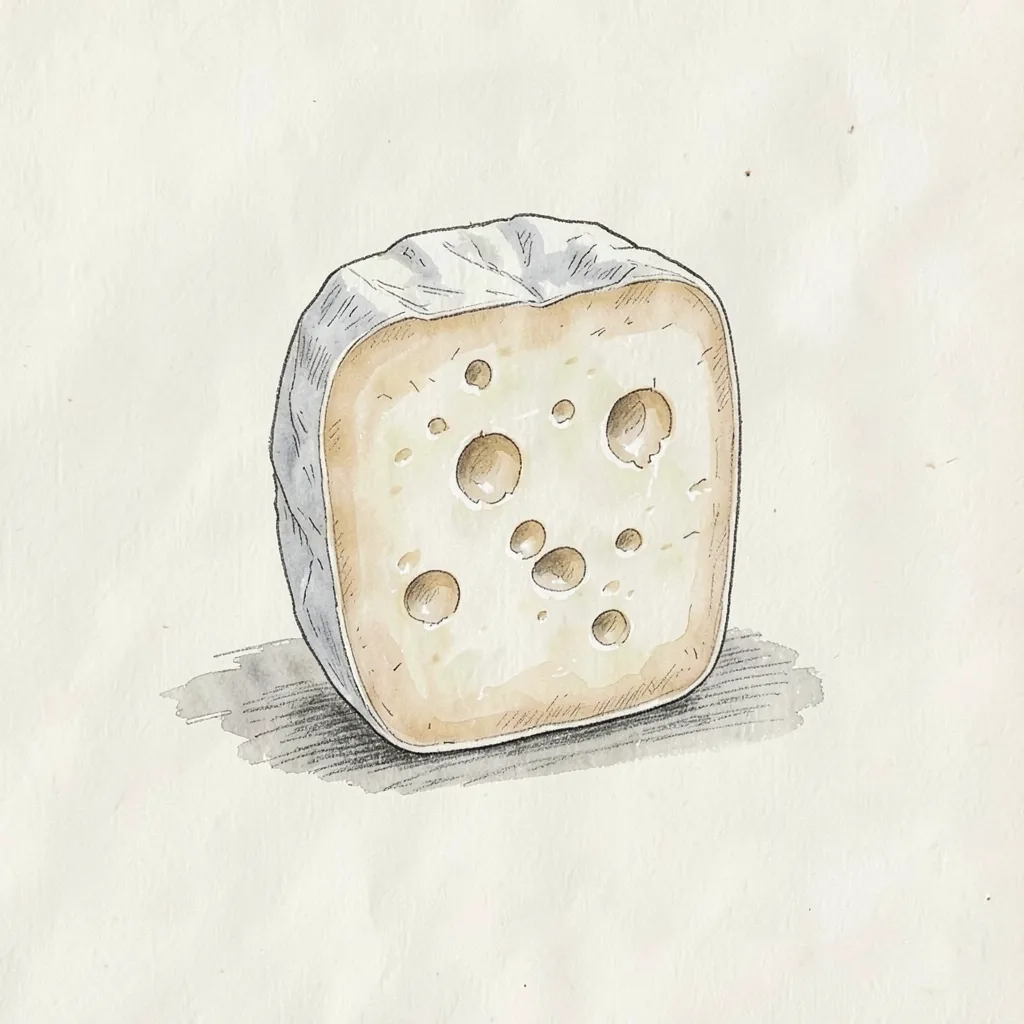
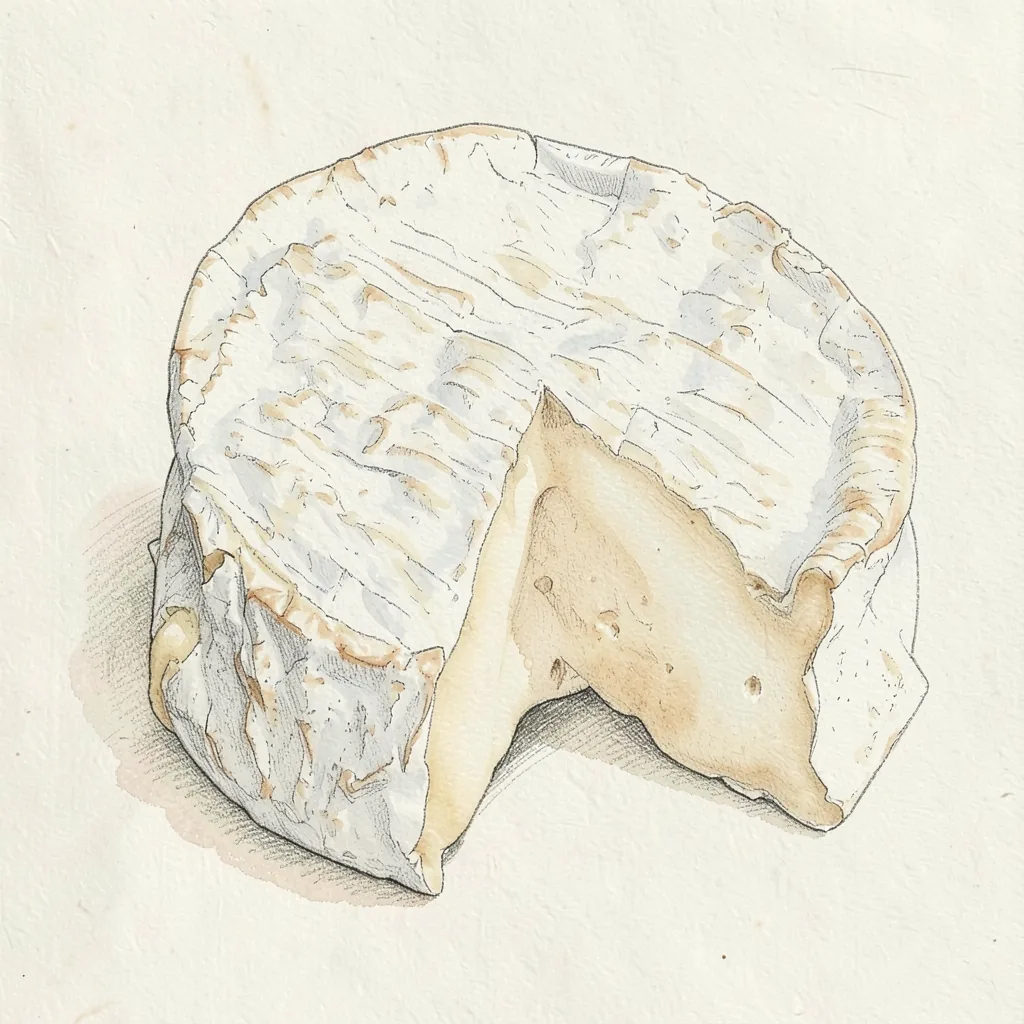
Each piece is a low round, often sold in a little dish that holds it as it ripens. The rind is thin and wrinkled, and the paste turns creamier with time. Young cheese is mild and holds a shape, while ripe cheese slumps and tastes stronger. It is a table cheese, not a hard cheese for grating.
The cheese belongs to the family of small French rounds that ripen from the outside inward. A whole piece is an individual portion, so you do not cut a large wheel at the table. Texture is the main choice you make when you buy it. A chalky center means it is younger. A glossy, flowing center means it is ripe and ready to spoon.
History
Soft cow's-milk rounds of this type have long been made in the Rhône-Alpes dairy country. The cheese took the name Saint-Marcellin and stayed small, meant to be eaten as one piece. Farm versions and creamery versions both exist, and they are not identical. Creameries made the cheese easier to find beyond the region. The small size and the little serving dish became part of how people recognize it.
Older farm cheese in this area was often made from goat's milk, and cow's milk became the usual choice later. Today the cheese you buy as Saint-Marcellin is a cow's-milk cheese. The shift let makers use the milk that local herds supplied in larger volume. The name stayed the same through that change. What you taste now is the cow's-milk version, small and soft, from Rhône-Alpes.
How it is made
Makers set cow's milk with a lactic culture so the curd forms slowly and stays delicate. They ladle the curd into small molds and let the whey drain without heavy pressing. Salt goes on the surface. The little rounds then rest while a thin rind develops and the inside softens from the outside in. Many are moved into small dishes so the ripe paste does not run away.
The rind is a light bloom and a wrinkle, not a thick washed coat and not a blue. Ripening time changes the center from chalky to custard-like, and makers stop at different points for different buyers. A cheese sold firm can still soften at home if you keep it cool and turn it out of a tight wrap. Nothing is smoked or mixed with herbs in the standard cheese. The goal is a clean, soft round of cow's milk.
Taste
Young Saint-Marcellin tastes milky, lightly salty, and a bit lemony, with a firm center. As it ripens, the flavor grows buttery, nutty, and gently savory. The rind adds a mild mushroom note, stronger when the wrinkle is well developed. A ripe spoonful is rich without being sharp like a blue. Bitterness means the cheese is too old, not that the style is meant to be harsh.
The paste should smell of cream and a clean cellar, not of ammonia. Ammonia and a dark, wet rind mean it has gone past its best. Salt is present but not the main flavor. Fat gives a coating feel on the tongue once the center flows. People who like mild soft cheese should buy it younger, and people who like a fuller flavor should wait until it slumps.
In the kitchen
Serve a whole round on a board with bread, potatoes, or a green salad. When the center runs, spoon it instead of slicing it. You can bake the cheese in its dish until the middle is hot, then dip bread into it. The rind is eaten by most people who buy a ripe round. Do not try to grate it, because the paste is too soft and will smear.
A firmer piece can be cut onto salad or warm lentils, where it softens without a full melt. Walnuts and a little honey are common partners, and they should stay light so the cheese still shows. It is not a sandwich slice. Use one round per person when the cheese is the main feature of the plate. Take it out of the cold before serving so the paste can relax and the aroma can open.
Around the world
Cheese shops outside France usually know Saint-Marcellin as a small ripe round from Rhône-Alpes. It travels less easily than a firm block, so you may find it only on a short seasonal list. Buyers sometimes confuse it with larger soft cheeses from the same region. The size is the quick clue, because this one is the smaller round. If the paste is fully liquid in the shop, it is very ripe and should be eaten soon.
Cooks in other countries bake it the same way, or set it on a board with bread and fruit. A soft cow's-milk cheese such as a small brie-style round can stand in if the real cheese is missing. The stand-in will be larger and often milder. Look for the hyphenated name and for Rhône-Alpes on the label. A cheese with the same name but a hard paste is not this one.