What it is
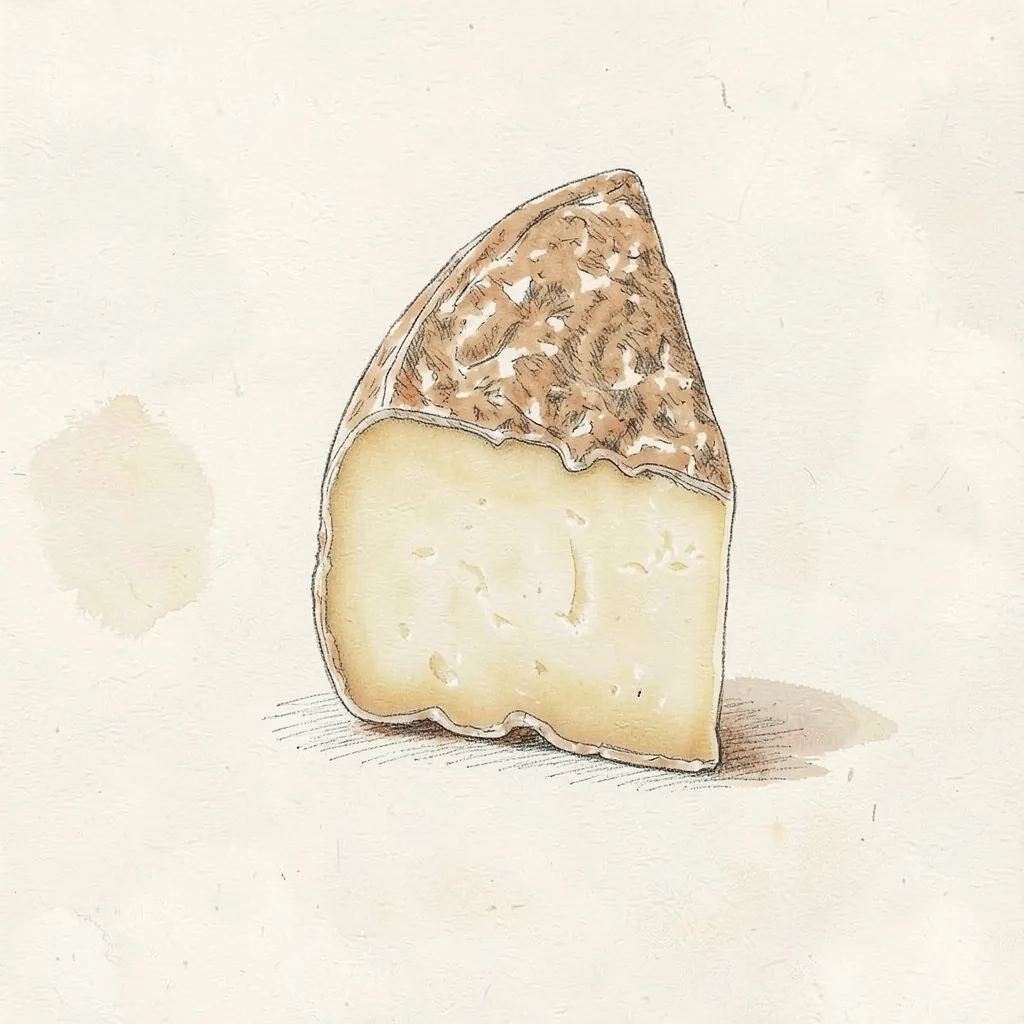
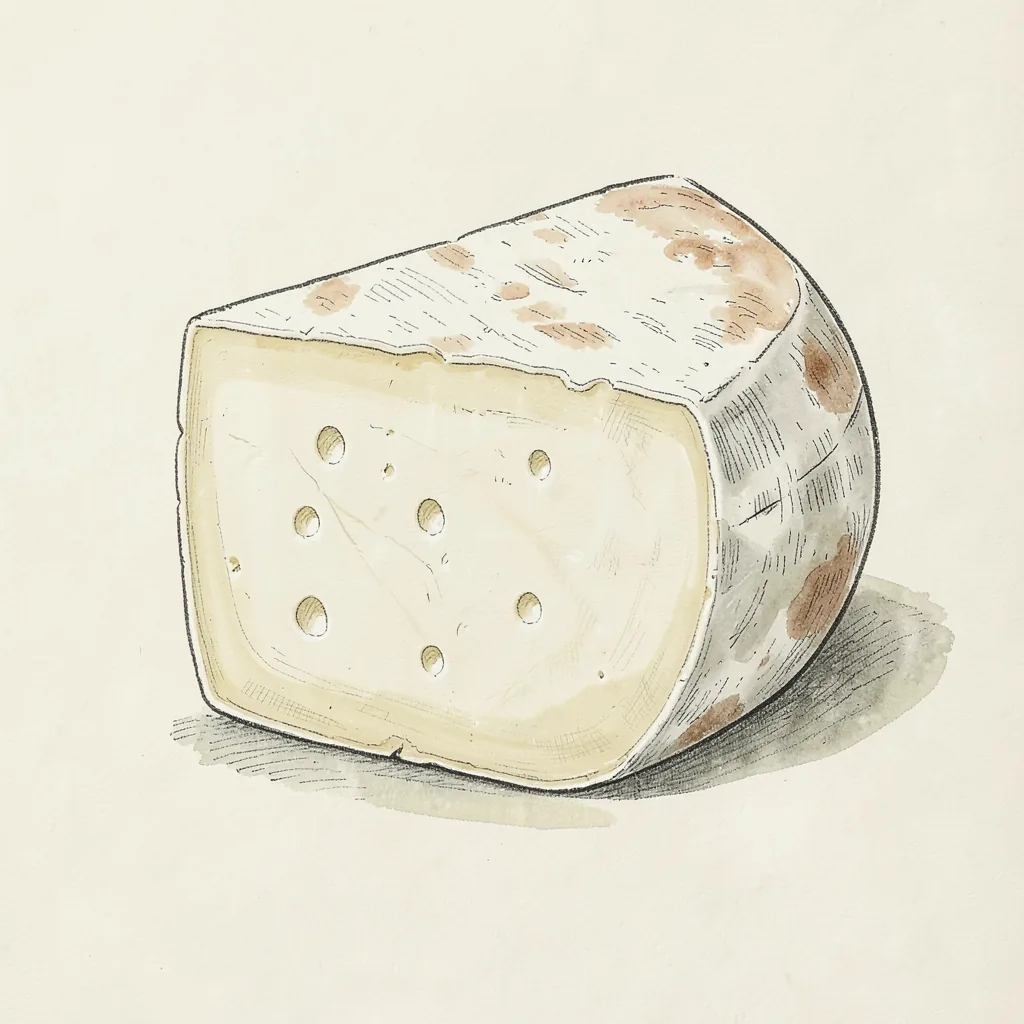
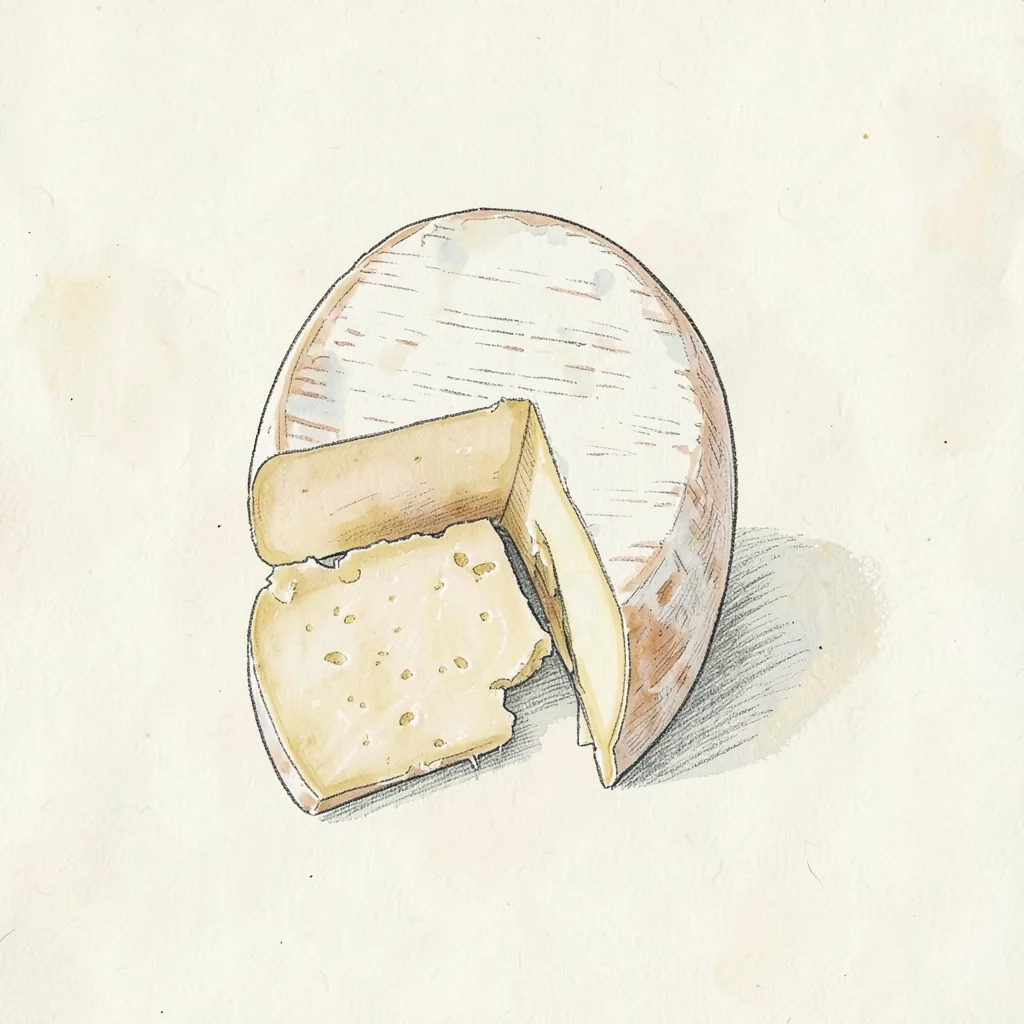
The usual shop wheel is a squat cylinder with a black or gold coat that makes it easy to spot. Under that coat the paste is supple, ivory to pale yellow, and dotted with small irregular openings. The taste runs from fresh and mild to fuller and lightly earthy, depending on how long the wheel rests. It is a flexible table cheese rather than a sharp grating block.
The name tomme once meant a small wheel made after larger cheeses were formed. In the Pyrenees the word now covers a family of mild pressed cheeses sold under one name. A black coat usually marks the gentler, younger style, while a gold coat often signals a longer rest and a rounder flavor. Some wheels skip the colored coat and keep a natural surface instead. All of them aim at an easy, savory slice.
History
Tomme des Pyrénées grew up as a practical mountain cheese in Midi-Pyrénées. Herds in the Pyrenees produced more milk than people could drink, and small pressed wheels were a way to keep it. Farm versions varied from valley to valley. Later, dairies gathered those local habits under one trade name and gave many wheels a colored coat so buyers could tell them apart. The cheese became a steady regional product rather than a single farm recipe.
The black-coated wheel is the one most people abroad recognize. It was shaped for transport and for a mild taste that appeals to a wide public. Gold-coated and natural-rind wheels stayed in the same family, with a little more character from extra ripening. The name can also appear on cheeses that differ in recipe, so the coat and the maker matter. What holds the group together is the Pyrenean origin and the pressed, supple tomme form.
How it is made
Makers set the milk with rennet and cut the curd small enough to drain. They stir and press it, without a full high cook, so the paste stays supple rather than glassy. Salt goes on before or during forming. The curd is packed into round molds with gently curved edges. Pressing knits the body and leaves the small openings that show in a cut wedge.
Ripening finishes the cheese. A black-coated wheel is sealed fairly early, which slows further change and keeps the taste fresh. A gold coat or a bare rind usually means a longer cellar stay, with turning so the surface stays sound. Humidity in the room keeps the paste from drying into a hard block. The result is a cylinder that cuts cleanly and still feels moist.
Taste
A young black-coated tomme tastes mild, milky, and lightly salty, with a soft tang. The paste is springy and slightly moist, and it can feel a little rubbery if the wheel is very fresh. As it warms in the mouth, a buttery note and a hint of cellar earth come forward. Bitterness should stay low. The coat itself is not the part you eat for flavor.
Longer-kept wheels, often the gold ones, taste rounder. You may find mushroom, hazelnut, or a gentle broth-like savor instead of plain fresh milk. The paste firms, though it should still slice without cracking. Openings in the body are gaps from the make, not eyes from a Swiss-style ferment, and they do not change the flavor much. Salt is present but not fierce, and a good piece smells clean and faintly rustic.
In the kitchen
Tomme des Pyrénées is an easy cheese for a board, a sandwich, or a melted dish. Mild wedges sit well with bread, apples, and a simple green salad. The black-coated kind melts into potatoes, omelets, and gratins without a strong smell. Thicker slices can be warmed until soft in the center. Because the flavor is gentle, it will not hide vegetables or ham.
Trim the colored coat before you cook, since wax is not pleasant in a hot dish. The paste underneath grates coarsely or lies in slices over toast. A fuller, longer-kept wheel is better on a board, where its earthy note can be tasted plainly. Pair it with mountain honey, walnuts, and pickled cherries if you want contrast. For a family meal, treat it as the quiet cheese that makes the plate feel complete.
Around the world
The black wheel travels well, so Tomme des Pyrénées shows up in supermarkets far from Midi-Pyrénées. Shoppers often meet it before they meet smaller farm tommes from the same mountains. The colored coat makes it look like a single product, even when makers and ripening times differ. Read the label for the coat color and the producer if you care about a milder or a fuller taste. A natural-rind wedge from a specialist may be more rustic than the sealed supermarket wheel.
If you cannot find it, Tomme de Savoie is the nearest French cousin, with a similar rustic slice and a gray natural rind. Saint-Nectaire is another mild pressed cheese that can cover a board or a potato dish. A young mountain tomme of any nearby region will be closer than a sharp aged block. Expect the substitute to taste a little different, especially if it has no wax coat. Use the Pyrenean cheese when you want that particular mild, supple, lightly earthy profile.