Sheep
What it is
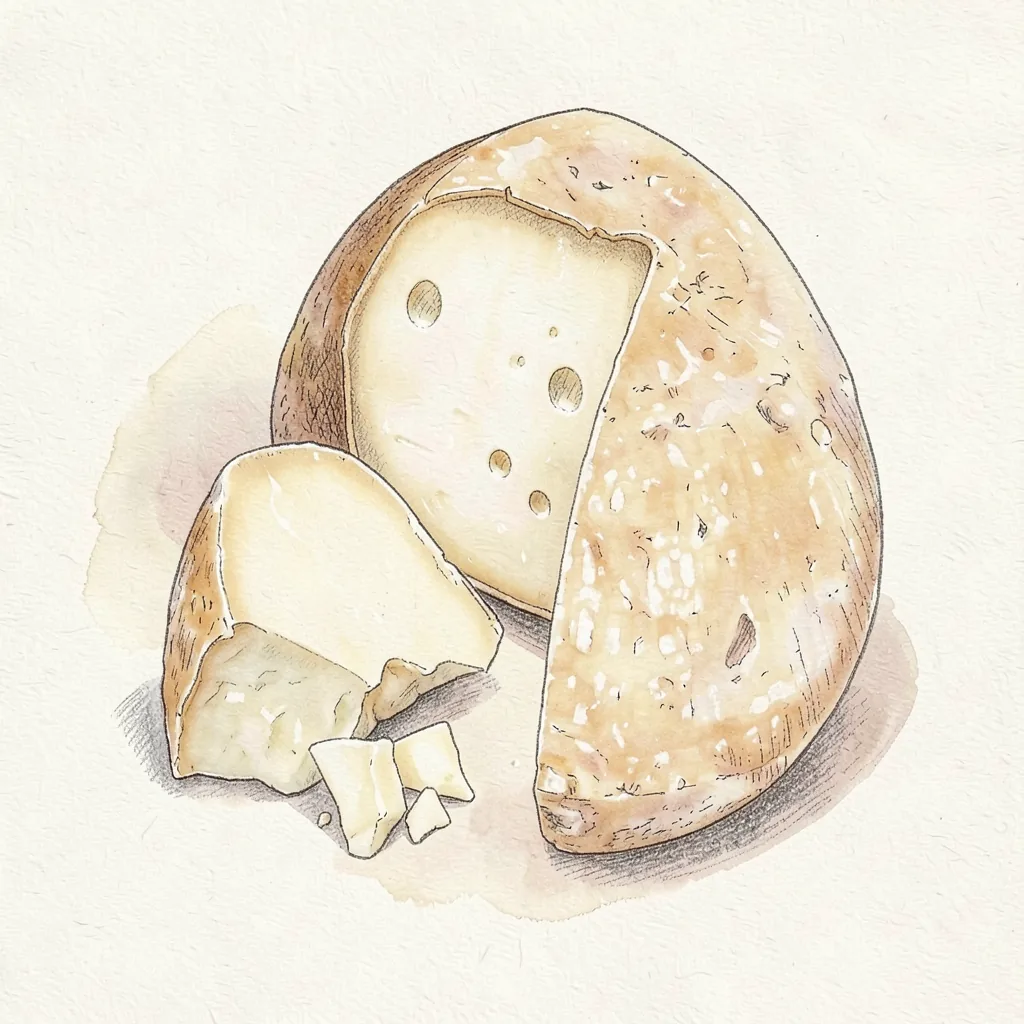
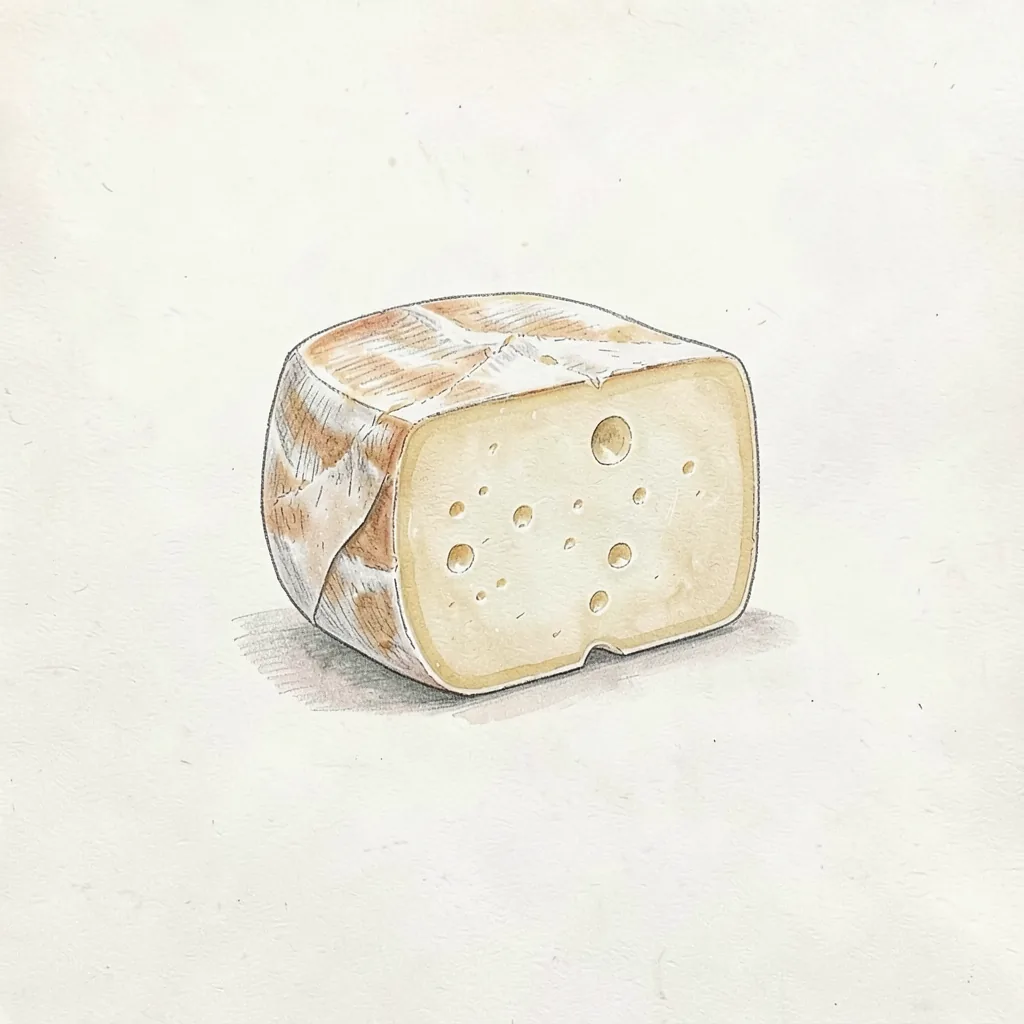
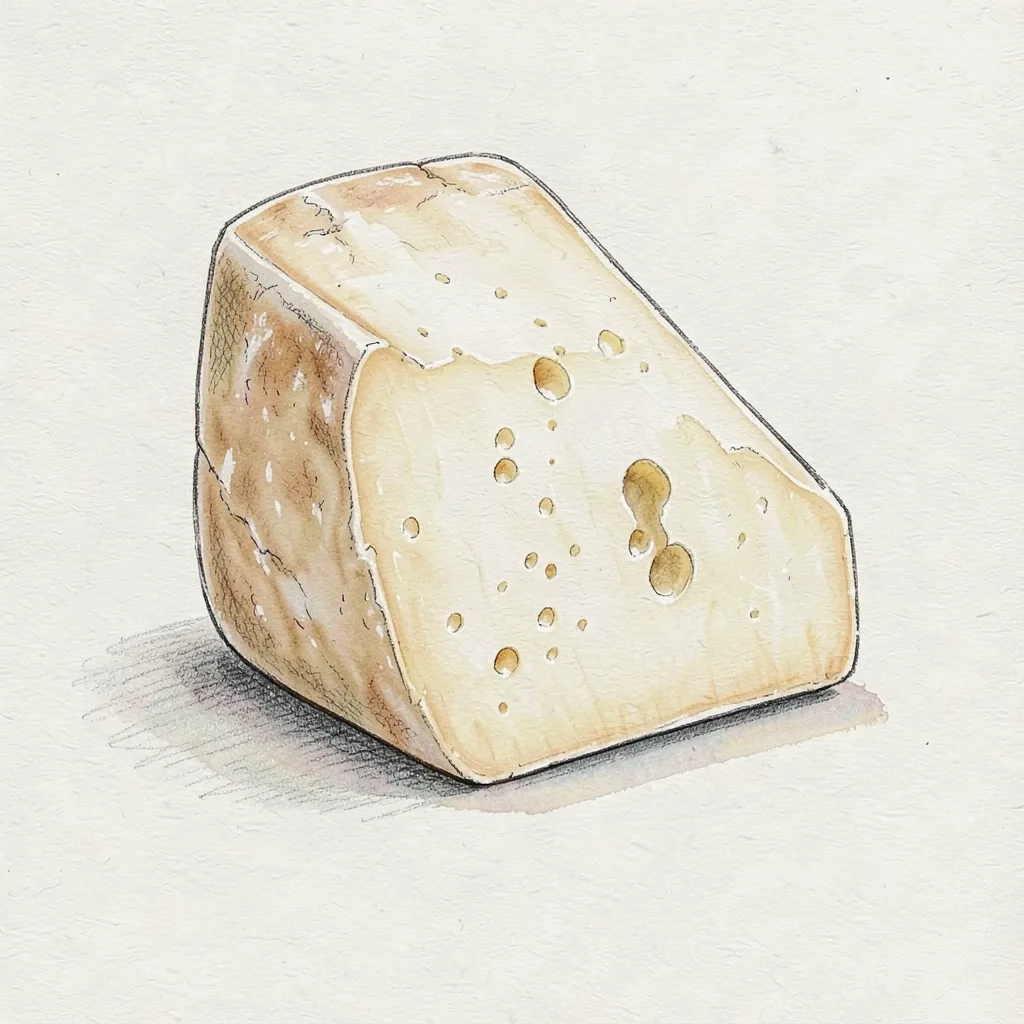
The name comes from Parlick Fell, a hill whose grazing country is linked with the milk. The cheese is white, semi-soft, and a little crumbly, with a tangy, nutty flavor. It is sold as a block for slicing, not as a fresh curd in brine. Sheep's milk gives it a richer, creamier feel than many mild cow's milk cheeses of the same firmness.
The taste is creamy and slightly sweet, with a clean sheep note that is not harshly salty. It is firmer than a fresh cheese and softer than a long-aged pecorino. A younger block is milder and more supple. A longer rest deepens the nutty side and dries the paste a little. Both are meant for the board, the grater, and simple cooking.
History
Parlick Fell is a recent British sheep's milk cheese, not a medieval name revived from an old manuscript. It appeared as eaters looked for ewe's milk cheeses that could take the place of a firm slicing cheese. The hill in the name points to upland grazing rather than to a city dairy. Making it has stayed with specialist producers in the United Kingdom, and the result is a retail block that shops can stock through the year.
Sheep's milk cheesemaking in Britain is smaller than the cow's milk trade, so a cheese like this fills a gap. It offers a nutty, savory block without the brine of feta or the long aging of the hardest pecorinos. The range has grown to include a younger cheese and a more mature one. Shoppers meet it under the Parlick name in ordinary grocery stores. That retail life is part of the story, not a side note.
How it is made
Pasteurized sheep's milk is set, cut, and worked into curd for a pressed block. Salt is added in the make, and the cheese is matured until the nutty taste shows. The paste is kept moist enough to feel slightly soft, yet firm enough to slice. A longer maturation makes a richer, drier cheese than the younger block. The method follows British farmhouse practice more than a brine bath.
The finished cheese is usually a plain block with little rind drama. It is not bloomed with white mold, washed to an orange coat, or pierced for blue veins. Milk from sheep is the point, and the make stays simple so that flavor can come forward. Vegetarian rennet is used in many retail batches, which matters to some buyers. Because the cheese is pasteurized, it is an ordinary shop cheese, not a risky raw-milk rarity.
Taste
The flavor is rich, creamy, and lightly sweet, with hazelnut and a clean sheep tang. Salt is present but not dominant, so the cheese does not taste like a brined cube. The paste is white to ivory and breaks a little at the edges while the center stays smooth. A mature piece is deeper and more savory. There is no bitter rind note and no mushroom smell from bloomy mold.
Compared with a mild cow's milk block, Parlick Fell feels fuller on the tongue. Compared with a very old sheep cheese, it is gentler and less granular. The aroma is warm and milky rather than sharp, barnyard-like, or smoky. Cold from the fridge, the nutty side is muted. After a short rest at room temperature, the cream and the sheep note both open up.
In the kitchen
Put Parlick Fell on a board with bread, oatcakes, fruit, or a little honey. It also grates over roasted vegetables and melts inside a toasted sandwich. The nutty taste is strong enough to notice and calm enough for children and mixed groups. Cubes can go into a salad, but very small pieces tend to fall apart. Let a cold piece warm before serving so the flavor is not flat.
Use it where a recipe asks for a medium firm cheese and you want sheep's milk instead of cow's milk. It will not stretch, and it will not give the sharp hit of a long-aged hard cheese. In a sauce, grate it fine and melt it gently. On a burger or in a bake, slices brown at the edges and stay creamy inside. A mature block is the better grater, while the younger block is the better sandwich slice.
Around the world
Most Parlick Fell is eaten in the United Kingdom, where large grocers sell the blocks. It is presented as a sheep's milk alternative to familiar firm cheeses. Travel beyond Britain is limited, so many cheese counters abroad never see it. When it does appear, it is a table cheese first and a cooking cheese second. The name is specific, and a different sheep cheese should not be sold as if it were the same.
People who cannot find it should look for another firm or semi-soft sheep's milk cheese with a nutty taste. A brined white cheese will be saltier and wetter. A very hard grating cheese will be drier and sharper. British sheep cheeses are the closest cousins in style and in use. On a mixed board, Parlick Fell plays the role of the mild nutty wedge, not the blue and not the soft bloomy round.