Cow
What it is
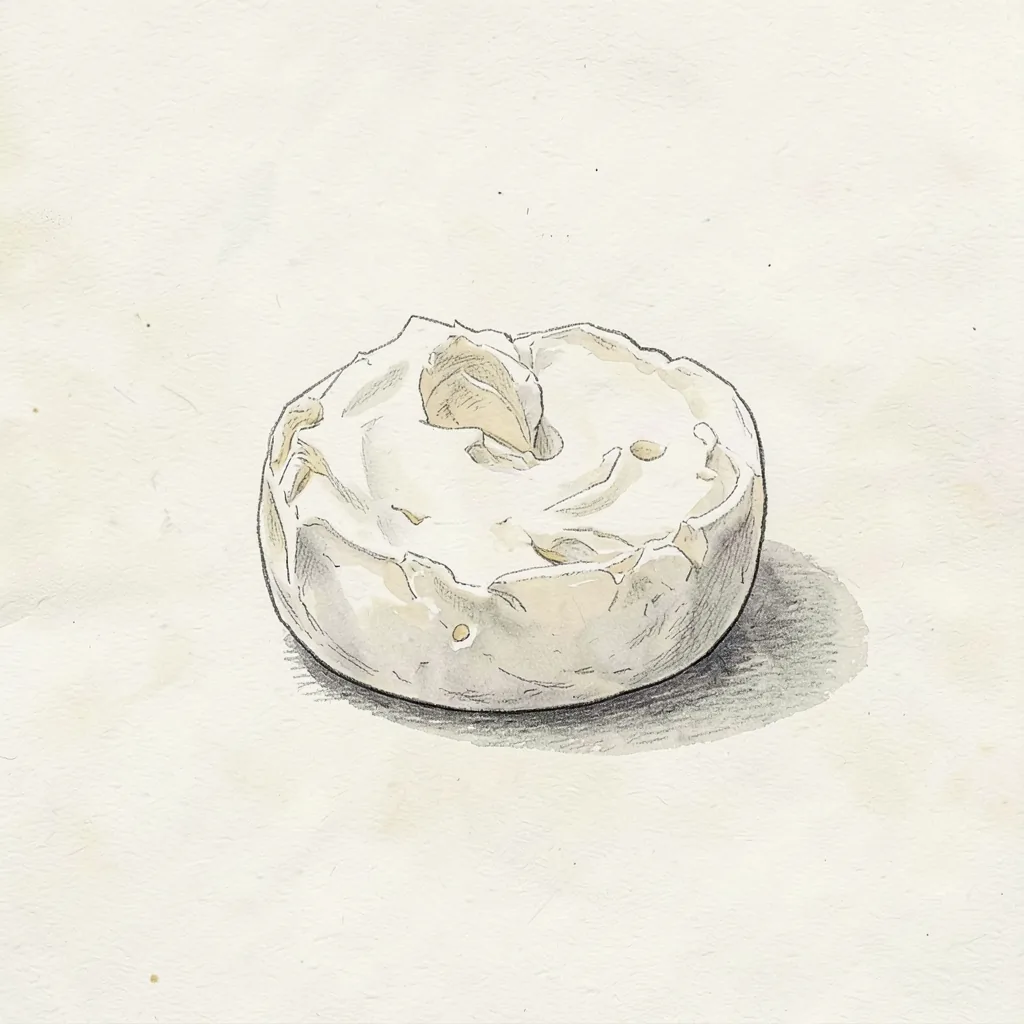
The name means little Swiss, but the cheese is not a Swiss wheel with eyes. It is sold in a small soft portion, enriched with cream so the body is smooth and rich, and it is unsalted or barely salted. There is no rind and no long aging into a firm paste. You eat it with a spoon, often soon after the pot is opened.
A typical portion tastes mild, slightly tangy, and naturally sweet in the way fresh milk is sweet. Many people add sugar, honey, or fruit, and others use the cheese in savory cooking after they add salt. The extra cream is what separates it from a lean drained curd. It spreads easily and can loosen a batter or a sauce. Keep it cold, and once the pot is open, treat it as a fresh food rather than as a cheese for long storage.
History
Fresh enriched cheeses have a long place in French dairy cases, and petit-suisse is the small rich form linked with Auvilliers. The name means little Swiss, yet the cheese is French, and it is not an import from a mountain dairy in Switzerland. The nickname stuck to a soft curd enriched with cream and sold in little portions. No one brand has to be named for the type to be clear, because many dairies use the words. Shoppers recognize the pot, the mild smell, and the spoonable texture.
Creameries turned the farm fresh cheese into a regular pot that French shops could sell through the week. The recipe idea stayed simple: cow's milk, cream, a fresh set, and almost no salt. That lack of salt is why sweet uses became so common at the table. The cheese did not grow a rind tradition, a washed surface, or a blue vein. It stayed in the fresh family, and outside France the name is less familiar than cream cheese until you taste the pot.
How it is made
Cow's milk is combined with cream, then set with lactic cultures, sometimes with a little rennet, until a soft curd forms. The curd is handled gently so the texture stays smooth rather than crumbly. Whey drains enough to make a thick cheese, but the body remains moist and spoonable. Salt is absent or very light, which keeps the flavor milky and slightly sweet. The cheese is packed in small portions, and no rind is allowed to grow.
There is no pressing into a large wheel, no brine bath, and no cellar ripening for a smear or a white bloom. The work ends when the fresh cheese is cool and thick enough to hold a soft shape. A dairy may use more or less cream, and the pot is still petit-suisse if the cheese is fresh, mild, and unripened. Heat and a long stay in a warm room spoil it. The finished pot is ready to eat, because this is a short fresh cheese process.
Taste
The taste is mild, creamy, and lightly acidic, with a fresh milk aroma and almost no salt. Sweetness from the milk and cream comes forward if you eat the cheese plain. The texture is smooth, soft, and a little sticky on a spoon, not crumbly and not elastic. A very fresh pot tastes clean. A sharp, yeasty, or bitter smell means the pot is past its best, and there is no mushroom rind or peppery blue note to expect.
Sugar, jam, honey, or fruit makes the cheese taste like a simple dessert, and the light tang keeps it from feeling flat. A pinch of salt, pepper, and herbs can push it toward a savory spread, though that is a cook's choice rather than the usual plain flavor. The richness sits between a lean fresh curd and butter. A short time out of the refrigerator wakes the aroma, but the cheese stays quiet. It is a base for other flavors, not a loud cheese on its own.
In the kitchen
Eat petit-suisse with fruit, honey, or sugar for a simple dessert, or stir it into a batter for cakes and small pancakes. In savory cooking, it can loosen a sauce or fill a thin pancake if you add salt. It spreads on bread, but it tastes flat until you season it. Do not expect it to grate or to brown like a firm cheese. Gentle heat lets it melt into a dish, while a hard boil can make the soft curd split.
Because the cheese is unsalted, read the rest of the recipe before you salt the other ingredients. A sweet recipe needs no correction from the pot. A savory one usually needs salt, pepper, and an acid such as lemon. It is a poor cheese for a long board, because it slumps and has no rind to show. Serve it cold in its small portion, and use cream cheese only when you need a firmer salted spread instead.
Around the world
Petit-suisse is a French fresh cheese from Auvilliers, and it is widely sold inside France. Abroad, it appears in markets that carry French dairy, often near fromage blanc and cream cheese. The name confuses people who expect a miniature Swiss cheese with holes. One look at the soft pot corrects that mistake. It travels as a chilled fresh product, not as a wheel that can sit on a warm counter, so buy it cold and keep it cold.
Fromage blanc is the leaner and often tangier relative, and faisselle is a drained fresh cheese that may still sit with some whey. Cream cheese is the product most cooks will use if the French pot is missing, though it is usually salted and firmer. Swiss cheese, in the sense of a cheese with eyes, is a different food. None of those copies the little unsalted cream portion exactly. Choose a fresh mild cow's milk cheese, and match the salt to the dish you are making.