Cow
What it is
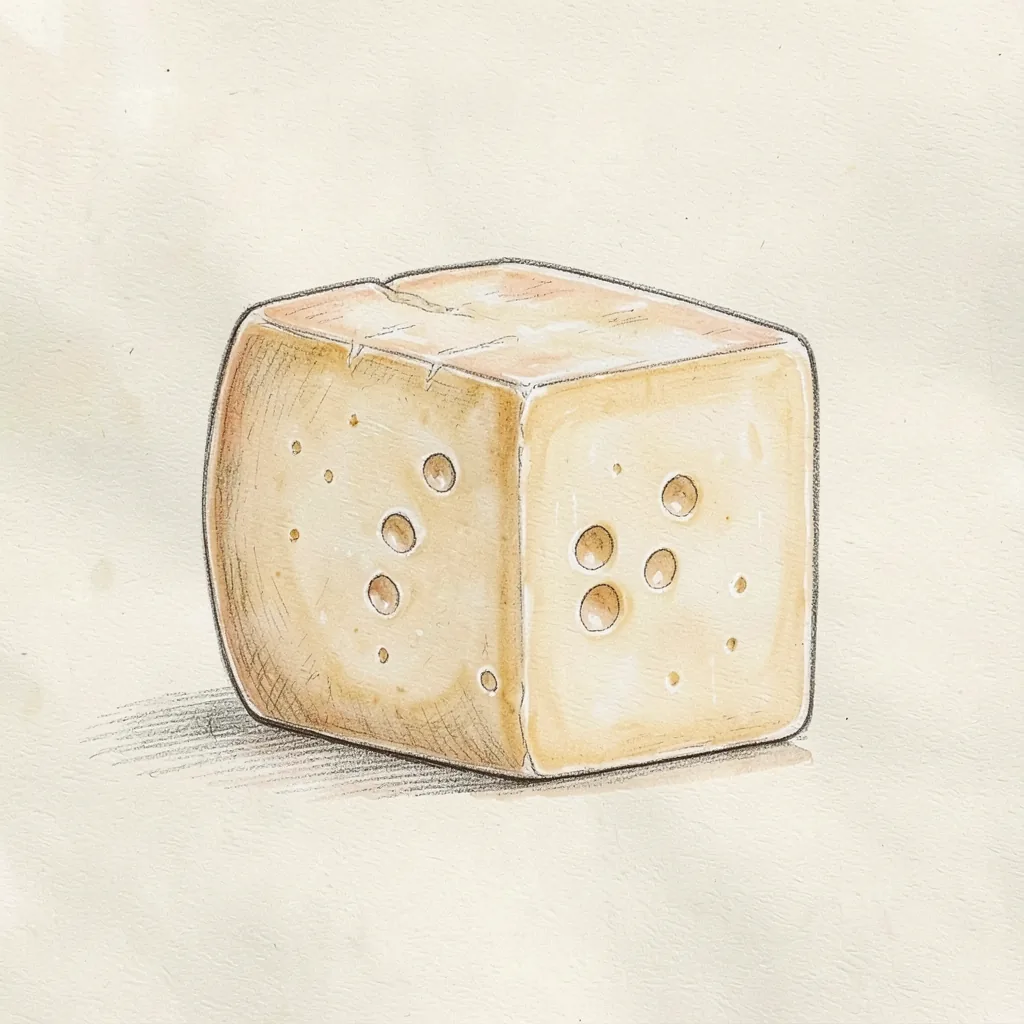
The name covers more than one product. The usual form is a drier stretched-curd cheese in the manner of mozzarella, sold in blocks or shreds. Some versions are blends, and some are processed products built only for the oven. It is not a farmhouse wheel from one valley, and factories design it for pizzerias and for frozen pies.
A good batch melts into an even sheet, stretches when a slice is lifted, and browns in spots without flooding the crust. Fresh mozzarella packed in liquid is a different cheese. It is wetter, softer, and more likely to puddle during a long bake. Pizza cheese is firmer before cooking, which is why a shop can shred it and bag it. The flavor stays mild and salty, because the job is texture on a tomato pie, not a loud taste of its own.
History
As pizza became everyday food in the United States, dairies needed a cheese they could make in volume and send through a hot oven. Early factory versions of a drier mozzarella were sold under the pizza cheese name, and the idea was practical. A cheese with less free moisture browns and stretches instead of steaming the dough. Later the label grew to include blends and processed melts that chase those same traits. The trade that fixed the category is American.
There is no single recipe and no single town behind the words. One pizzeria may want a plain low-moisture style close to mozzarella. Another may fold in provolone, or use a processed cheese such as Provel on a local pie. Plants that make frozen pizza often need shreds that still melt after cold storage, and the shared trait is purpose. If a cheese was manufactured to go on pizza, the trade may call it pizza cheese even when the bag also names a familiar variety.
How it is made
The stretched-curd path follows the mozzarella method. Milk is cultured, rennet sets the curd, whey drains, and the curd is heated and pulled until it is smooth. For pizza, makers stop at a drier, firmer body than a fresh ball kept in liquid. The cheese is formed into blocks or loaves, cooled, and then shredded or sliced, and that drier body grates cleanly and keeps longer than a fresh ball. It is still a mild cheese, built to melt rather than to age into something sharp.
Blends and processed versions take another route. Makers may combine two or more cheeses, or they may build a melt from dairy proteins, fat, and emulsifying salts. The target is an even melt, some stretch, and color that stays in check. Some of these products are not traditional cheese, and the label ought to say what they are, while large plants often freeze shreds for storage. A cook at home only needs to know whether the bag is a real stretched curd or a processed melt.
Taste
Before it is baked, pizza cheese tastes mild, salty, and lightly milky, without the sweet whey of a fresh ball. A blend that includes a fuller cheese tastes rounder even when it is cold. Processed versions can taste smoother and a bit saltier, sometimes with less dairy depth. None of these are aged cheeses meant to be the main event on a plate. The flavor should sit under tomato, herbs, and crust, and a harsh or soapy shred is a poor batch rather than a style to seek.
Heat is the real test. Good pizza cheese softens into one layer, pulls into strands, and turns gold with a few darker spots. Too much water and the slice weeps onto the crust, while too little fat makes the melt tight and leathery. A topping that browns but does not stretch may be a processed blend, and some pies are built for that result. Taste the cheese after baking, not only from the bag.
In the kitchen
Scatter it over sauce and bake until it melts and takes color, which is the whole design. It also suits flatbreads and baked sandwiches, anywhere a mild melt can be portioned from a bag. Grate a block yourself when you can, because some pre-shredded bags add starch that dulls the melt. Use a thinner layer for a crisp crust and a thicker layer for a pan pie. A spoon of a hard grating cheese on top adds a salty finish if you want one.
Do not expect a fine cheese-board centerpiece, because the flavor is too plain and the texture was made for heat. Fresh mozzarella is the better pick for a cold salad or for a very short bake that should stay juicy. Pizza cheese earns its place in a longer bake, where the surface has time to brown. Keep blocks and shreds cold, and use an opened bag soon. If you only have a processed melt, treat it as a topping, not as the same food as a stretched-curd block.
Around the world
The United States is the center of this factory category, and American pizzerias buy it by the bag as a basic ingredient. Other countries bake pizza too, but they often use mozzarella, provolone, or a local melting cheese without a special trade name. Where American chains and frozen pies travel, this style of cheese travels with them. A menu that prints mozzarella may still mean a drier pizza version rather than a fresh ball. The way the slice bakes will tell you which one is on the pie.
Shoppers sometimes think the name means any cheese that can sit on a pizza, but mozzarella is the usual overlap and provolone is the next. Provel is a processed American pizza cheese with its own taste, not a plain shred of mozzarella. A bag labeled pizza cheese might follow any of these paths, so the ingredient list is worth reading. For a homemade pie in the common American style, a drier mozzarella is the clearest match. For a local custom, follow that pie instead of one bag for every style.