Cow
What it is
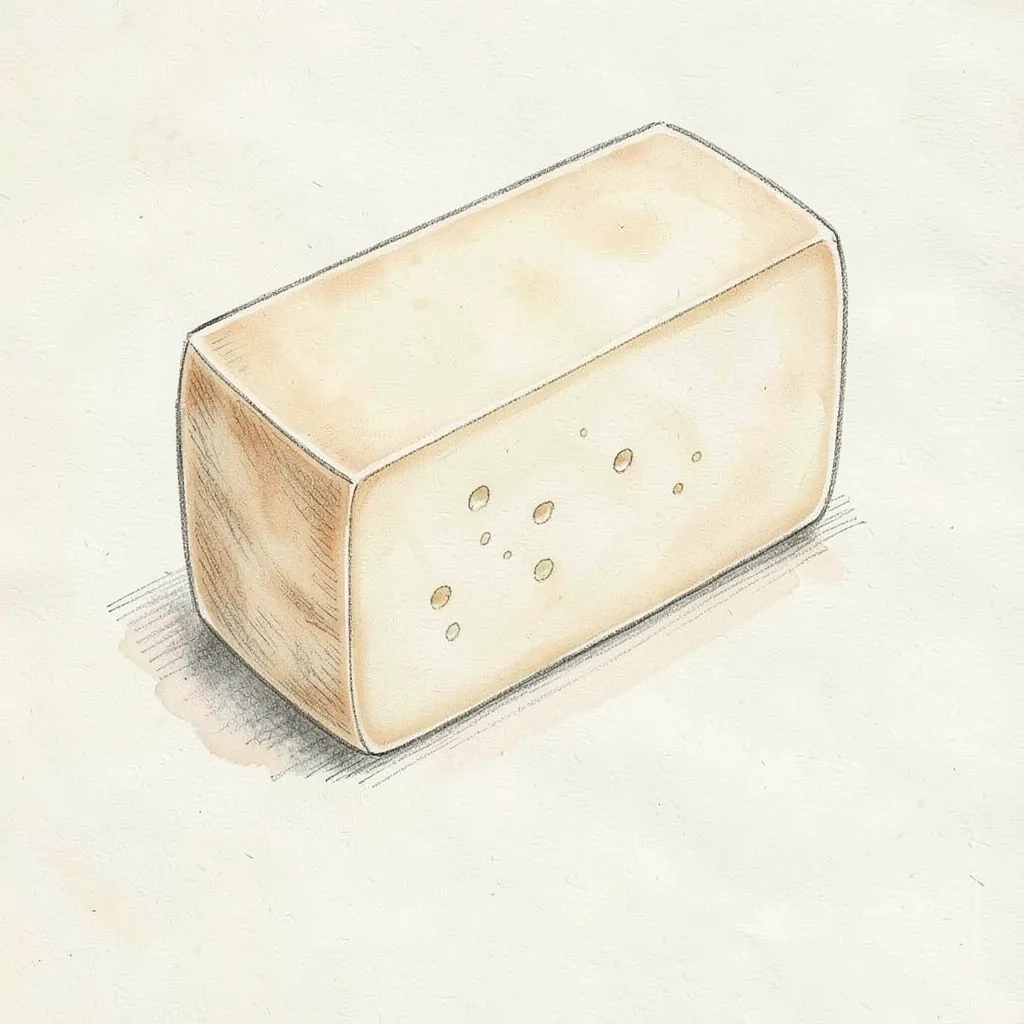
It is not a single farmhouse wheel. Makers blend cheddar, American Swiss, and provolone into one smooth product, then form it so the paste stays soft and even. The flavor is mild, buttery, and a little tangy, with a hint of the provolone in the mix. There is no rind, and there is no long cave aging.
The point of Provel is the melt. On a hot pizza it softens into a smooth sheet instead of forming long separate strings. That behavior comes from processing, not from a special pasture. The cheese is white to pale cream, and the taste stays in the mild range even when it is browned in spots. People who want a sharp aged cheese will find it too soft, while people who want an even buttery cover on a pie reach for it on purpose.
History
Provel belongs to the American processed cheese tradition, the same broad family as loaf cheeses made to melt in a reliable way. It was developed for pizza service, where a cheese has to cover a pie evenly and stay pleasant after a high oven. The blend of cheddar, American Swiss, and provolone was chosen for that job, not for a cheese board. The name is attached to that processed product. It is not a European place name, and it is not a farm cheese from one valley.
Because the cheese is processed, its story sits with dairies and pizza kitchens in the United States, not with an old monastery recipe. Shops that stock it usually sell it to people who already know the pizza style it serves. Outside that use, it never became a general table cheese like cheddar or mozzarella. Writers sometimes describe it only as a white processed cheese, which is accurate but incomplete, because the melt is why the product exists.
How it is made
Provel starts with cow's milk cheeses that already exist, chiefly cheddar, American Swiss, and provolone. Those cheeses are ground and blended with the emulsifying salts used in processed cheese, then heated until the proteins form one smooth mass. The heat and the salts stop the blend from separating into oil and curd. Color stays pale because the mix is not built around a deep orange cheddar alone. The finished paste is formed into loaves that slice or lay evenly on a pizza.
This is factory work, not a home curd hanging in cloth. There is no rennet step at the Provel stage, because the base cheeses were already made. There is no bloomy rind, no wash, and no aging cave after the loaf is formed. The product is cooled and packed so it stays uniform from one end of the loaf to the other. A natural cheese would vary from wheel to wheel, while Provel is designed so the next pizza matches the last one.
Taste
Provel tastes mild, buttery, and lightly tangy, with a soft dairy sweetness and a small sharp edge from provolone. The American Swiss in the blend adds a gentle nutty note, not the big sweet flavor of a long-aged wheel full of eyes. Cheddar rounds the body without making the loaf taste aged or crumbly. Salt is present but not fierce. There is sometimes a faint toasted note after the pizza oven, and that note comes from browning, not from a smoked rind.
Texture is the real signature. Cold Provel is soft and smooth, closer to a processed loaf than to a firm slice of provolone. Warm, it slumps into a glossy sheet and can feel rich on the tongue. It does not snap, and it does not crumble. If a piece tastes very sour, oily, or soapy, it is past its best, while a good piece smells buttery and clean, with only a light fermented note.
In the kitchen
Provel is a pizza cheese before it is anything else. Lay it on a pie when you want a smooth, even melt that covers the sauce instead of sitting in separate puddles of stretch. It also works on a sandwich or a burger if you like a soft, buttery layer. It is a poor choice for a grating bowl, because it clumps instead of falling in dry flakes. Heat is what makes it useful, and a cold slice on a board will seem plain.
If you cannot buy Provel, a mix of provolone and mozzarella is the kitchen workaround for pizza, though the melt will be stringier. American cheese or a mild processed loaf can copy the smooth sheet better than a natural aged cheese can. Do not substitute a hard cheddar and expect the same cover. Keep the loaf cold until you shred or slice it, and do not let it sit warm on the counter. It is ready to eat as sold and does not need a ripening box at home.
Around the world
Provel is a United States product, and it is not a standard cheese in European cases. Pizza cooks in other countries usually reach for mozzarella, provolone, or a local melting cheese instead. The smooth processed melt can surprise visitors who expect stretchy strings. Once you know the name, the white loaf is easy to tell from a wedge of natural provolone, which is firmer and sharper. Import shops may carry it for people who want that specific pizza style, but most general cheese counters will not.
The honest substitutes abroad are the cheeses in the blend, used with a softer partner. Provolone plus mozzarella is the common answer on a pizza. A processed American loaf such as the kind sold for burgers will copy the texture better than a raw-milk alpine cheese will. Velveeta and similar loaf cheeses are closer in method than a wheel of Emmental is. None of those swaps is identical, but they can move a recipe toward the same soft, even melt.