Cow
What it is
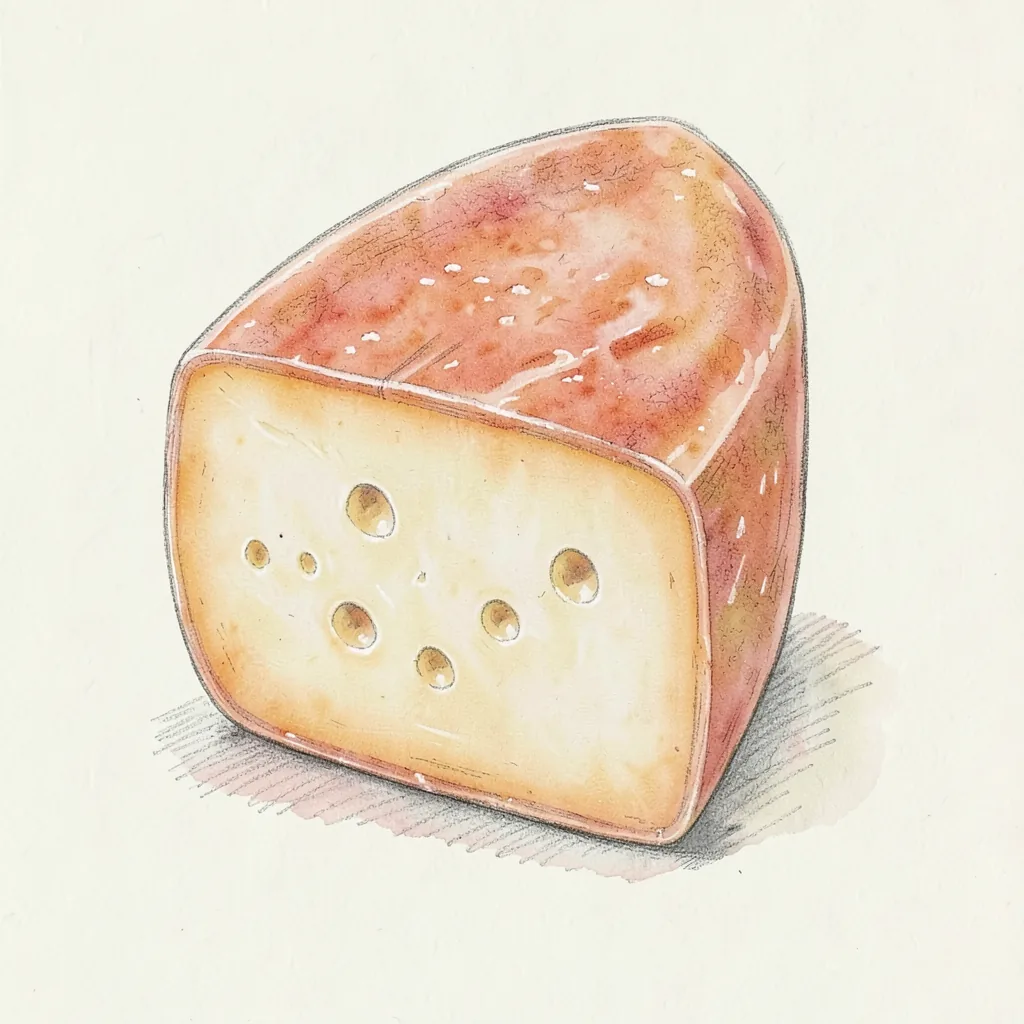
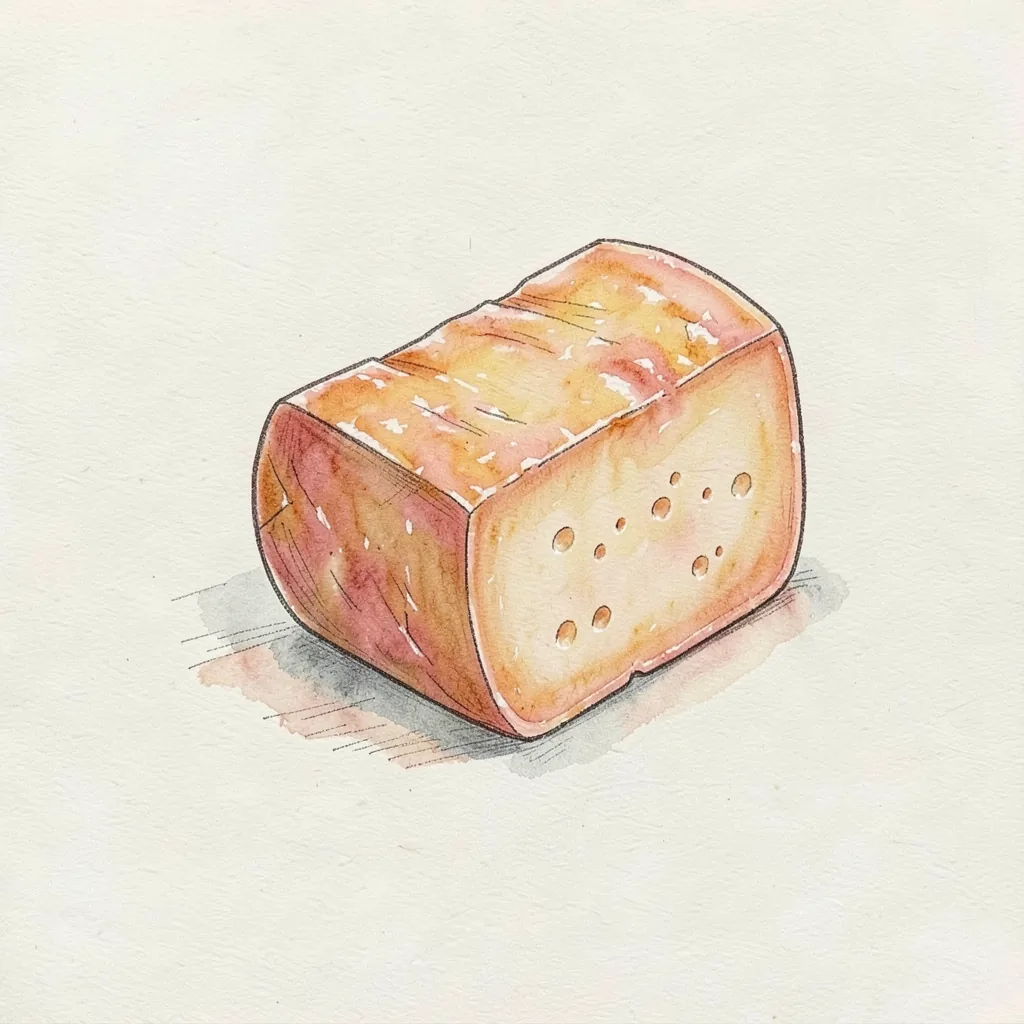
The paste is pale, supple, and mild, with a light sweetness and a gentle tang. It slices cleanly, and it also softens when it is warmed. The smell can be stronger than the taste, especially after the wheel has been kept, but the flavor stays approachable. French cooking treats it as an everyday cheese, not as a fierce washed-rind challenge for specialists.
The spelling Port-Salut, with a hyphen, names the same cheese, and Port du Salut is another form of the name. Saint-Paulin is a close French cousin with a similar orange surface and a similar mild body, and shoppers mix the two up. Port Salut is the name to follow when a recipe uses those words. A wheel is usually pasteurized and ready to eat when you buy it. It is not a fresh curd, and it is not a long-aged hard cheese.
History
Port Salut took its name from a French place, and the cheese that carries the name became a mild semi-soft style. Over time the name moved from a local make into a cheese sold well beyond its first home. Creameries settled on a familiar wheel: cow's milk, a supple paste, and an orange surface. The cheese stayed among gentle French slicing cheeses. It did not become a sharp mountain wheel or a blue, and the mild slice is what the name means in shops today.
As sales grew, the cheese in ordinary shops became a steady commercial product. The surface on many wheels is smooth and evenly orange, more like a tidy coat than a rough rustic smear. The taste stayed mild, which helped the cheese travel. Similar wheels are sold as Saint-Paulin, and that overlap has lasted. Port Salut remains a label many buyers recognize, and the style is a French semi-soft cheese with a gentle creamy bite and an orange exterior.
How it is made
Pasteurized cow's milk is cultured, set with rennet, and cut into curds. The curds are stirred and drained, then shaped in round forms and salted in brine. The young wheels are not dried into a dense hard cheese, so moisture stays in the paste. A wash, a coloring, or a smooth coat gives the surface its orange look, and annatto is a common source of that color. The wheel then ripens until the paste is supple and the flavor is still mild.
The ripening is short enough that the cheese stays moist and does not develop a sharp crystalline bite. The interior remains pale, closed, or only lightly open. Some wheels rely more on a smooth outer coat than on a heavy repeated smear, which is why the smell varies from wheel to wheel. A wheel kept a long time grows more aromatic, while the flavor stays milder than the smell. Buy it to slice soon, because it is not a cheese for a long cellar hold.
Taste
The taste is mild, buttery, and slightly sweet, with a soft lactic tang, and the salt is present but not loud. The paste feels smooth, moist, and a little elastic, and it yields without crumbling. Aroma ranges from faint and milky to noticeably pungent near the surface. That smell can worry a new buyer, yet the flavor usually stays gentle. If the orange exterior is mainly a coat, it may add little taste, and the pale paste carries the flavor.
A cold wheel tastes quieter and firmer. Give it a little time out of the cold and the sweetness and the soft tang come forward. There is no blue vein and no crunch of a long-aged hard cheese. Next to a very aromatic washed rind or a sharp block, Port Salut can seem plain, and that plainness is the point of this mild smooth slice. If the paste tastes bitter or soapy, the wheel is past its best, even when the color still looks fine.
In the kitchen
Port Salut is a board cheese and a sandwich cheese. Slices sit well with bread, fruit, and a simple green salad. The paste also melts, so it can cover toast, fill a grilled sandwich, or soften over vegetables. It will not stretch like a spun-curd pizza cheese, and it will not grate into salty flakes. Use it where a mild creamy melt is welcome, and serve a thick slice on warm bread with the rind trimmed or left on.
The mild taste pairs with apples, pears, and ham. A very strong mustard can cover it, so keep condiments gentle if you want to taste the cheese. If a guest dislikes a stronger smell, trim the coat and serve the paste, because the interior is the mild part. In cooked dishes, add the cheese late so it softens instead of turning oily. It suits a simple meal, when the cheese should stay quiet and creamy rather than dominate the plate.
Around the world
Port Salut is widely exported, so many countries know the orange wheel even if they do not know the French place behind the name. Supermarkets often stock it beside other mild semi-soft cheeses. Buyers who want a gentle French slice look for the small round and the smooth orange surface. Saint-Paulin occupies the same niche and causes the most confusion. Read the name on the label before you buy, because a similar color does not always mean the same cheese.
Havarti, Esrom, and a mild Muenster can stand in when a shop has no Port Salut. They share the soft slice and the mild dairy taste, but they do not copy the French wheel exactly. Bel Paese is another gentle option for a board or a sandwich. For a cooked dish that only needs a creamy melt, any of those will do in a pinch. If the recipe depends on this mild French character, Port Salut or Saint-Paulin is the closer match to buy.