Cow
What it is
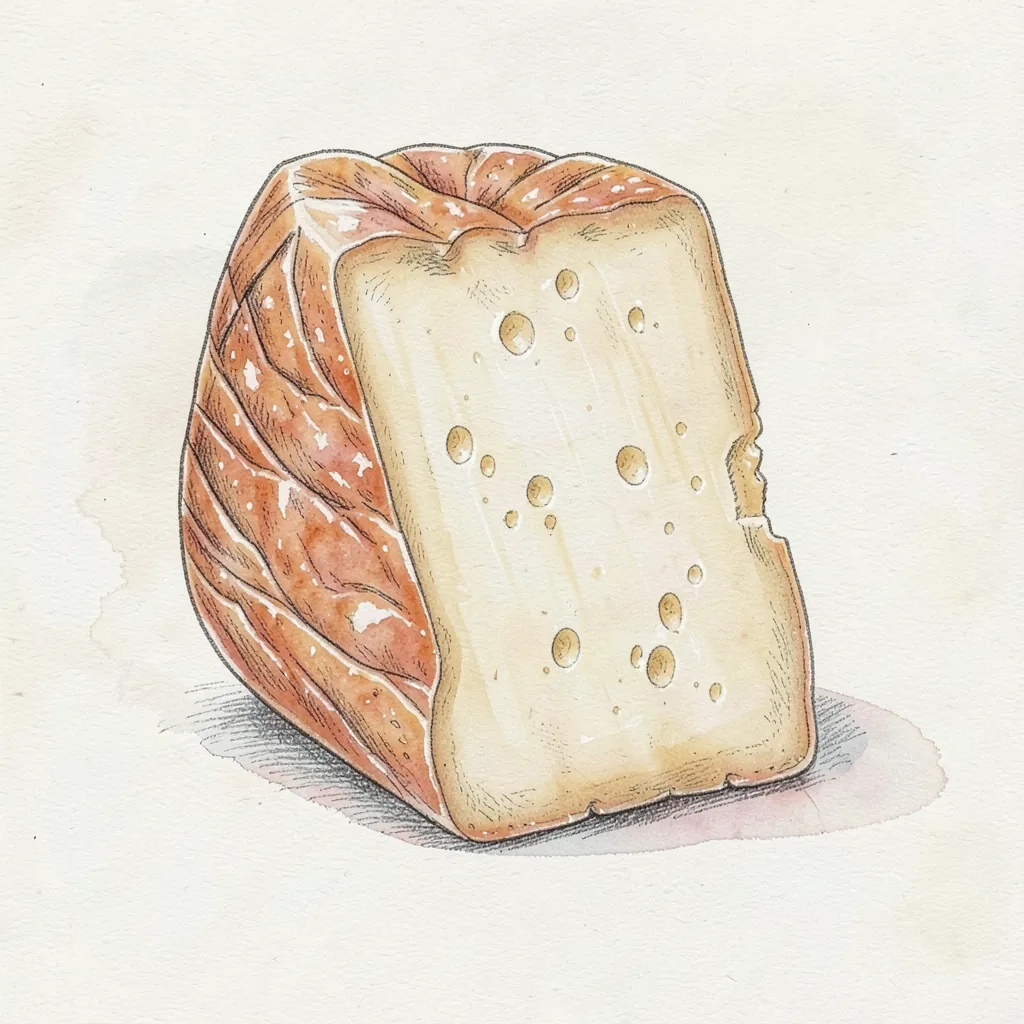
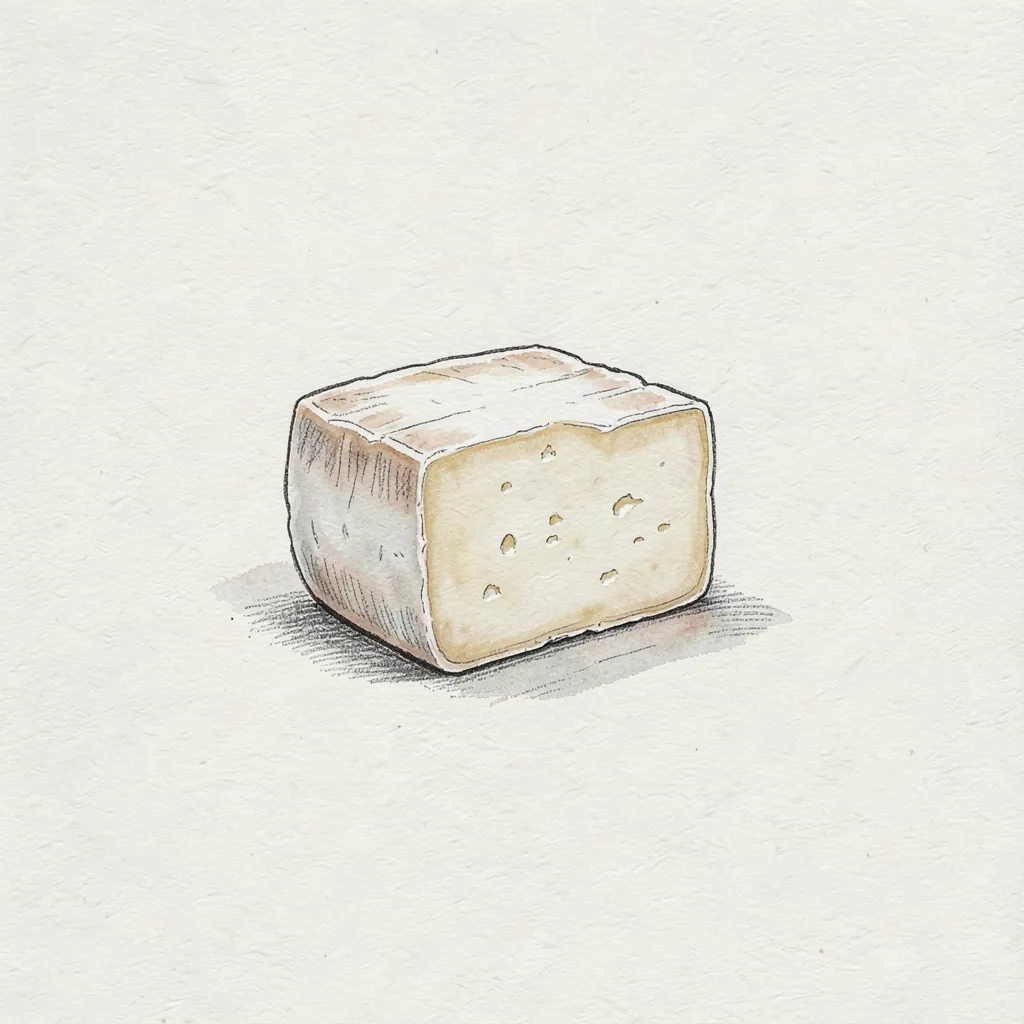
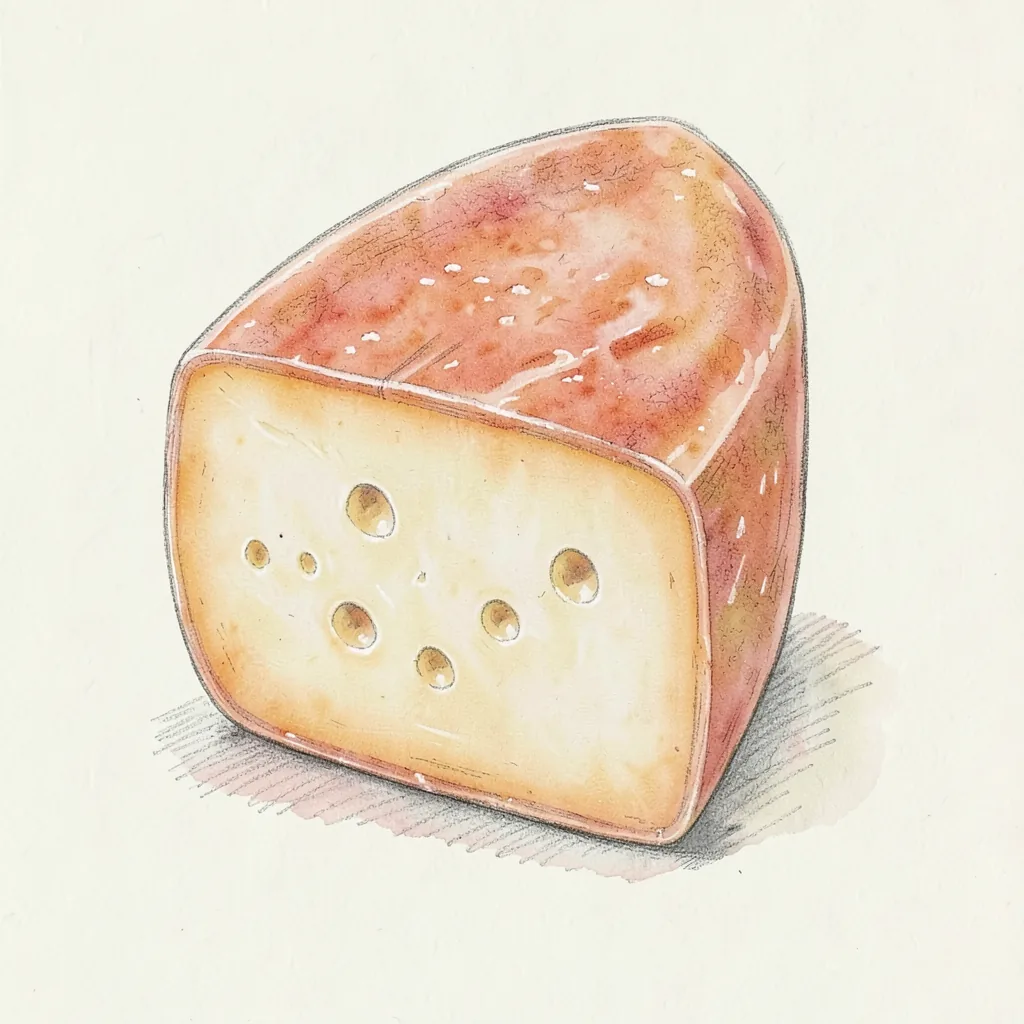
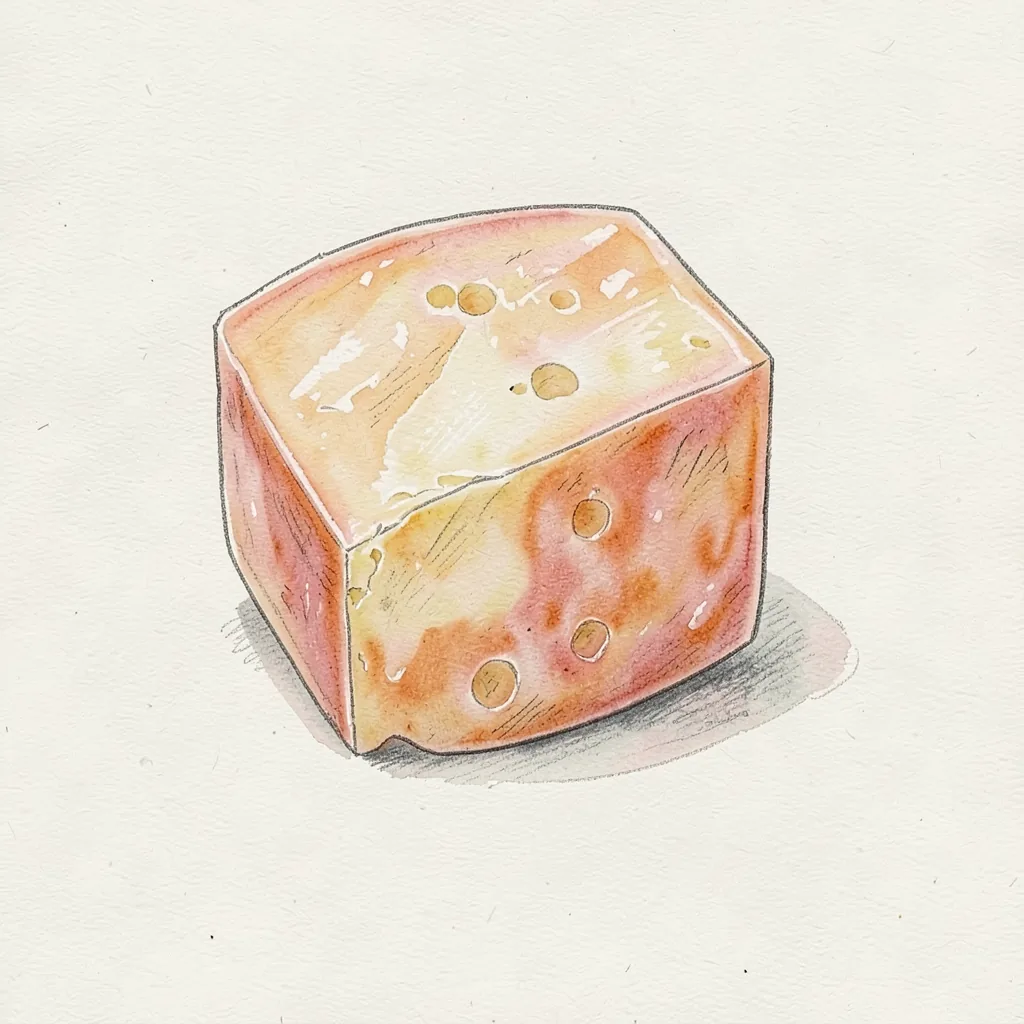
It is made in rectangular loaves with a thin washed rind that runs from yellow to reddish brown, and the pale interior is buttery, elastic, and full of small holes. The smell can be strong, while the taste is sweet, aromatic, and only gently sharp. It is a table cheese and a melting cheese, and it belongs with other washed-rind loaves such as Port Salut.
Danish Port Salut is another name for the same cheese, and it tells you the kitchen role at once. Young Esrom is milder and easier for a plain sandwich, and a longer-ripened piece smells louder and tastes fuller and sweeter. The rind is edible if you like the surface tang, or you can trim it and keep the paste. It is not a blue, not a hard grater, and not a fresh cheese meant to be eaten the day it is made.
History
The name belongs to Esrum in Zealand, where the cheese has its historic home in Denmark. An older local cheese under that name faded from regular making, and the style sold today was shaped later by Danish dairies that wanted a reliable washed-rind loaf. The cheese became widely known in Denmark, then grew less common for a time, and later returned through dairies that still use the name. That stop and start is why some people remember it clearly and others have never seen a loaf in the shop.
Esrom sits beside Danbo and other Danish staples as a cheese of the country, not as a single-farm relic with a private recipe. The loaf shape, the washed rind, and the many small holes became the marks shoppers expect when they ask for it. Making stayed with cow's milk from Denmark and with a surface culture that builds aroma during ripening. The cheese was never a blue and never a waxed block with large eyes.
How it is made
Cow's milk from Denmark is standardized, pasteurized with a light hand, and set with culture and rennet. The curd is cut, stirred, and warmed, then the whey is drawn off and the curd goes into rectangular molds. A light press knits the loaf without making it hard or dry. After cooling, the cheese is salted, and the surface is treated with a ripening culture. That culture, plus a humid room, is what builds the washed character of the rind and the aroma that follows it.
During aging the loaves are kept moist so the rind stays supple and the color deepens toward gold, orange, or brown. The interior develops many small holes and a flexible, buttery body. Time in the cellar moves the aroma from mild to pronounced, so a young piece and an older piece can taste like different strengths. At the end of ripening the loaves are washed, dried, and packed for sale. Wax is not the coat, and the rind on the loaf is the rind the cheese grew.
Taste
Expect a full, sweet, slightly acidic flavor under a smell that is bigger than the taste. The paste is pale yellow, smooth, and elastic, with little holes scattered through the slice. Butter and warm milk lead, and the rind adds a savory, pungent edge if you eat it along with the paste. Salt is moderate and does not dominate. A young loaf is gentle enough for people who dislike very strong cheese, and an older loaf is the one that announces itself as soon as the wrapper opens.
It should bend and not fall into dust, and it should not feel like a rubber block from a cold factory melt. The rind is thin and a bit tacky, which is normal for this washed style and not a sign of spoilage by itself. Bitterness or a harsh ammonia smell means the piece is too old. At its best the finish is savory and clean, with sweetness still in the middle of the taste.
In the kitchen
Esrom is sliced for bread, melted on toast, and cut into hot dishes that need a supple cheese. Sandwiches are a natural use because the paste cuts neatly and the flavor can stand up to rye, onion, or a dark beer. It also melts in casseroles and sauces, where the moist body softens evenly instead of staying in dry shards. It is too moist to live in the role of a dry, long-aged grating cheese.
Serve it with foods that match a sweet, aromatic cheese rather than with very delicate flavors that it would cover. Apples, cured ham, and a malty beer are easy partners, and a red wine with some body works as well. If the rind's smell is more than you want in a cooked dish, trim it and use the paste alone. Havarti is the milder Danish swap for a sandwich melt, and Port Salut or Saint-Paulin is the swap when you want the same washed-rind role.
Around the world
Outside Denmark, Esrom appears in shops that carry Scandinavian cheese, often near Havarti, Danbo, or other sliced loaves. The alternate name, Danish Port Salut, is a hint for buyers who already know that milder washed style from France. The cheese is less famous abroad than those everyday slices, so a counter may not suggest it unless you ask. Look for a rectangular loaf, a yellow to brown rind, and a pale interior with many small holes.
In a kitchen far from Denmark it behaves like other semi-soft washed cheeses. Use it anywhere you would use Port Salut or Saint-Paulin, and use Havarti when you want less aroma and a similar easy melt. Danbo is another Danish cheese with holes, but it is firmer and milder, so it is only a partial match on the board. Esrom's particular gift is the contrast of a loud smell and a sweet taste. If you need that contrast, the other loaves will come close.