Cow
What it is
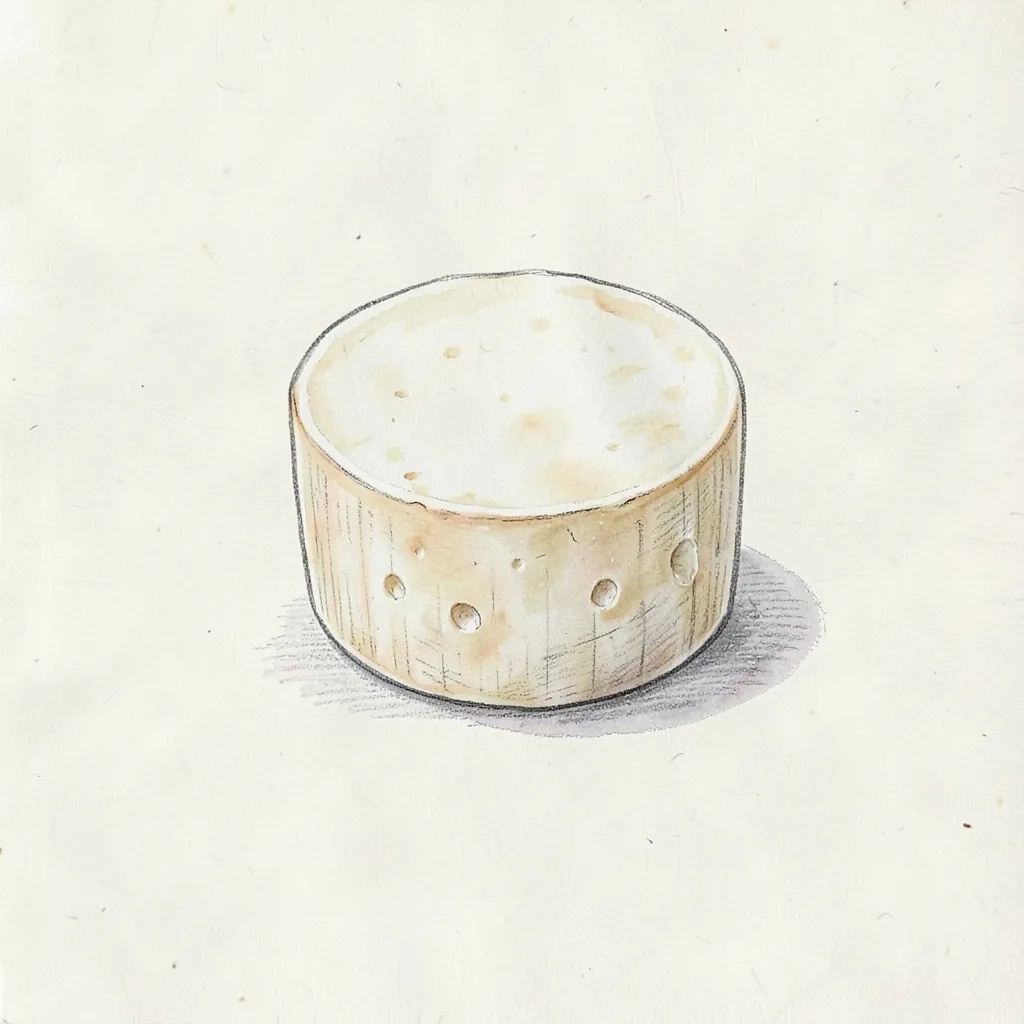
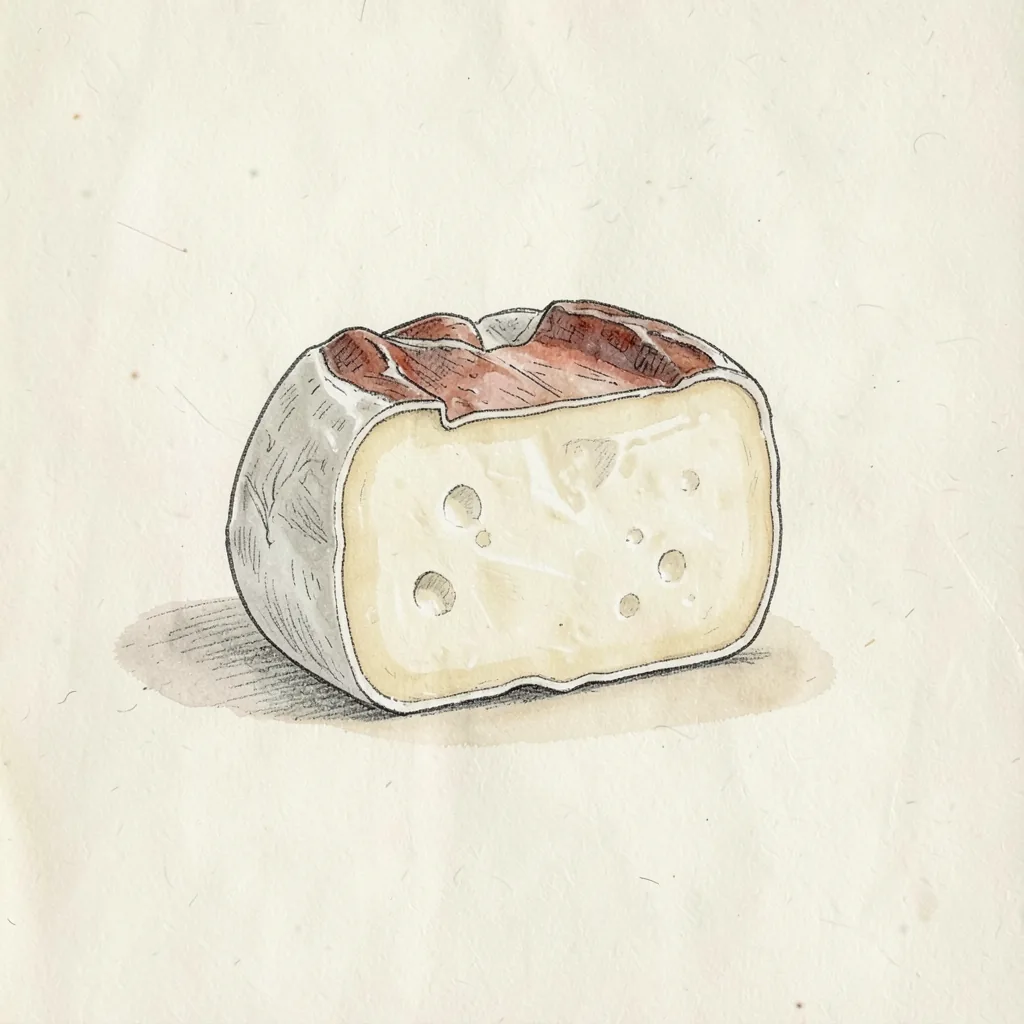
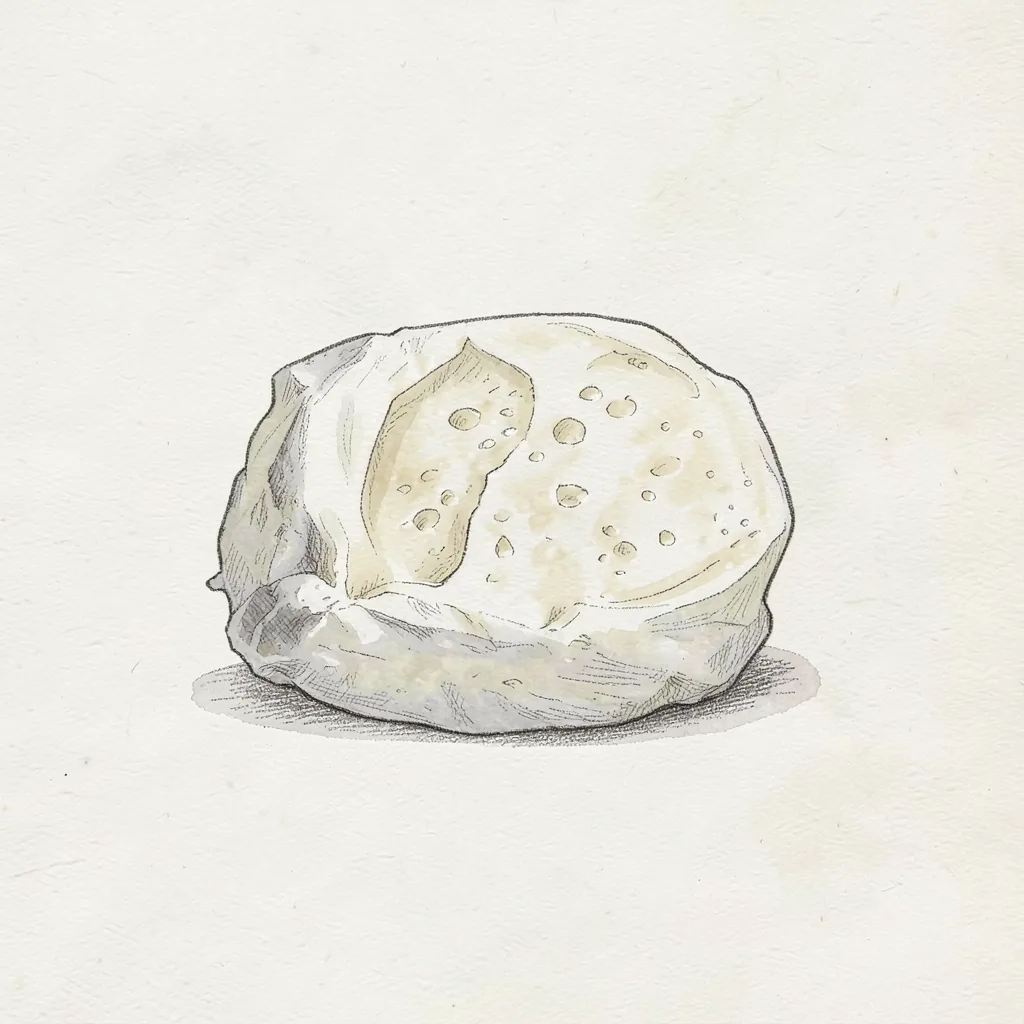
The paste sits between yogurt and ricotta, white and a little sour, with no rind. Ligurian cooks use it more often as an ingredient than as a cheese for a board. It goes into stuffed pasta, savory pies, and sauces, and it can also be spread on bread. The flavor is quiet and tangy, so it adds body and a light acid note rather than a loud cheese taste.
Italian references also call it quagliata, while the local name is the one on recipes and labels. It is a traditional food of Liguria, sold fresh in tubs, because it does not keep or travel well. Salt is usually left out, which keeps the taste milky and sour instead of brined. You will not find a wheel, a wash, or a bloomy coat. If a Ligurian recipe calls for it, the cook wants that sour curd, not a firm slice.
History
Prescinseua belongs to Ligurian cooking as a fresh sour curd used in pies and filled pasta. The word is tied to the local term for rennet, which fits a cheese made by setting milk. It was a household product before it was a shop tub, and it stayed close to the places where it was made. The cheese did not become a traded wheel with a famous rind. Its reputation lives inside recipes, and a dish is usually named beside it.
Whole cow's milk is the usual base now, though older practice sometimes started from whey. Dairies sell it in small containers across Liguria, and it remains a food you use quickly. Because the amount made is limited, some recipes quietly swap in another soft fresh cheese. The taste those recipes want is still a sour, spoonable curd. The cheese is understood as Ligurian and fresh, and it does not rely on a grand name to be recognized in its home kitchens.
How it is made
Makers let cow's milk sour until it thickens, and they may add cultures to help that acid set. Rennet can play a part, which matches the name, but the cheese is not a firm rennet curd pressed into a wheel. Once the milk has set, it is drained until it is spoonable and spreadable, then put into jars or tubs. Salt is usually left out. The color stays white, and the body stays closer to thick yogurt than to a slice you can pick up.
There is no rind to grow and no long rest in an aging room. The cheese is finished when the curd tastes gently sour and the texture is even. It must be kept cold and eaten soon, because the moisture and the acid make it fragile. Commercial batches use pasteurized milk, which suits a fresh product sold in shops. The method is short next to a cellar cheese, and what you buy is the curd itself.
Taste
The flavor is milky, plainly sour, and lightly tangy, a bit like yogurt with more body. Sweetness is low, salt is low or absent, and there is no sharp edge from aging. The smell is fresh dairy, not a mushroom rind and not a strong barn note. On the tongue it feels smooth, moist, and slightly loose. It does not linger as a powerful cheese, and in a dish it reads as creaminess plus a clean tang that suits delicate recipes.
Texture changes little in kind: soft, spreadable, and unable to hold a tall slice. A drier batch is closer to ricotta, and a wetter one is closer to yogurt. Neither version turns elastic, stringy, or firm enough to grate. If the sourness becomes harsh, the pot is past its best, and the pleasant milk note fades. In savory food that same tang brightens greens and herbs without covering them.
In the kitchen
Ligurian recipes stir Prescinseua into pesto, spoon it into vegetable fillings for pansoti, and spread it through savory pies, including the Easter pie of the region. Cheese focaccia uses it as a soft layer that sets as the bread bakes. It can also go on bread with a little oil, or on a breakfast plate with fruit. Because it is wet, drain it briefly if a filling needs to be less loose. Do not expect it to brown and stretch like a cheese for pizza.
In a sauce, add it off the heat so it stays smooth and does not split. It thickens a dish a little more than yogurt, and it tastes less sweet than cream. For a salad, use a spoonful with greens rather than cubes. If you cannot find it, ricotta plus a tangy fresh cheese gets close, but the real curd is more unified. Keep the tub cold and closed, and use it soon after opening rather than trying to age it.
Around the world
Outside Liguria, Prescinseua is scarce, because it spoils before it can travel far. Italian shops in other countries rarely stock it beside firmer cheeses. Cooks meet the name in recipes for pesto, filled pasta, and pies, then have to improvise. The role is a fresh sour cow's milk curd with no rind. A hard Italian cheese will not do that job, and the right place to look is the fresh cheese case.
Ricotta is the usual stand-in for body, and a spoon of yogurt or another tangy fresh cheese supplies the sour note that ricotta lacks. Squacquerone is another very soft Italian cheese, but it is milder and more milky than this sour curd. Stracchino can fill a baked pie when you need softness, and Ligurian bakers have used that kind of swap. Fromage blanc is a fair match from outside Italy for the tang and the spread. None of them is Prescinseua, but each can keep a recipe moving.