Cow
What it is
Kraft sells it as a loaf that slices when cold and melts into a smooth sauce when heated. It is not a traditional cheese with a rind, a cave, or a farm name. The recipe uses dairy ingredients, but the loaf is made to melt more evenly than a firm aged cheese. Shoppers find it in the dairy case across the United States.
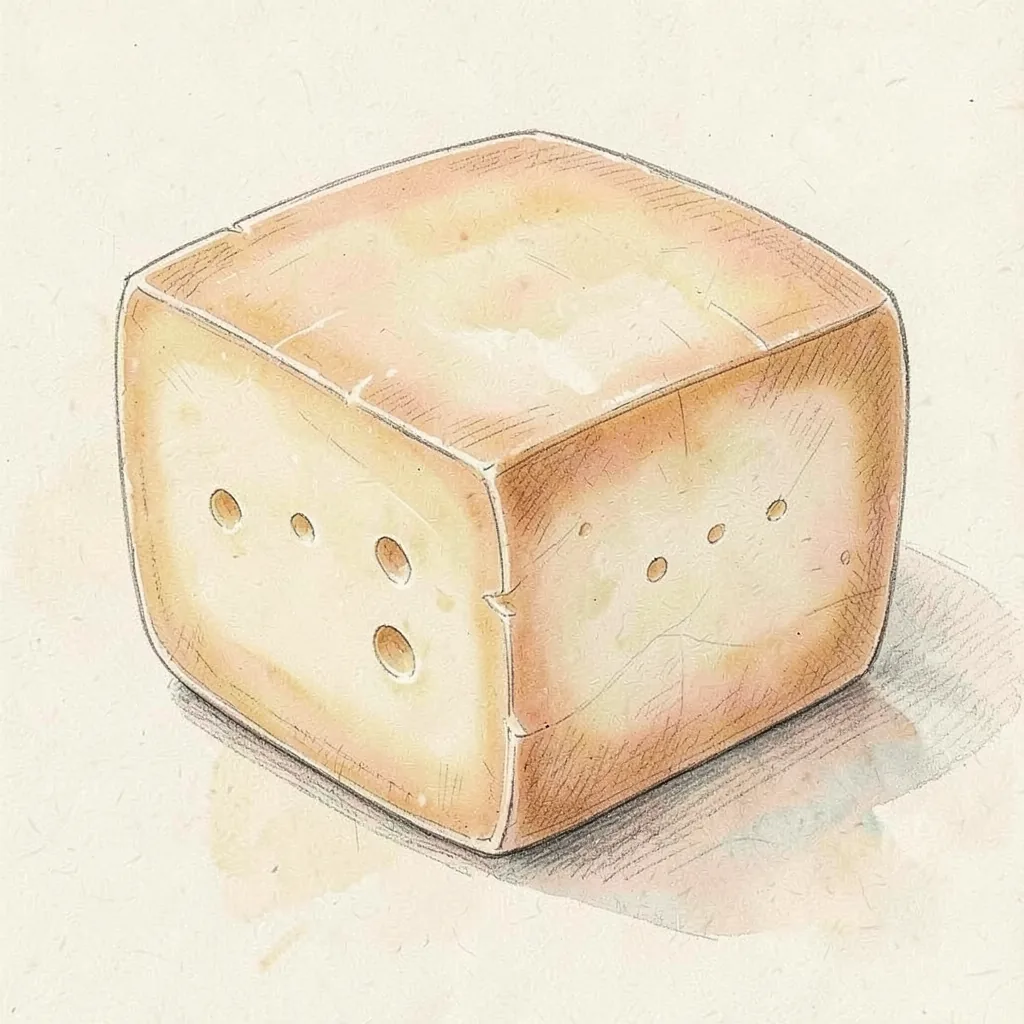
The block is pale orange or yellow, with a mild salty taste and almost no aroma. In the package it is dense and springy. In a pan it turns glossy and pourable, which is why cooks use it for dips and macaroni. The label calls it a cheese product rather than cheese, a distinction that matters for shoppers who want a traditional wheel. For many households it is simply the reliable melting loaf.
History
The brand grew up in the United States as factory food, not as a regional farm cheese. The selling point was a loaf that kept well and melted without separating. Kraft made it a national grocery item, and the orange box became easy to recognize. Home cooks used it when a sauce had to succeed for a crowd. That role, more than any aging method, explains why the product lasted.
Advertising tied the loaf to comfort dishes, especially macaroni and cheese and warm dips. It stayed a brand, so the name does not describe a cheese style that other dairies can copy under the same word. Similar loaves exist, but they are other products. Rules about what may be called cheese also shaped the label language. The box still tells you that this is a prepared cheese product.
How it is made
The loaf is made in a plant from dairy ingredients such as milk proteins and milk fat, blended with water, salt, and emulsifying salts. Those salts help the fat and the protein stay together when the loaf is heated. The mix is cooked, colored, and poured into a mold so every block behaves in the same way. There is no traditional curd stack and no clothbound aging. The goal is a stable, mild product with a predictable melt.
After the loaf sets, it is packed in a box or a foil wrap. The cut face does not grow a rind or a mold coat. Flavor comes from the dairy base and the salt, not from long ripening. Because the process is standardized, one package should melt like the next. That sameness is the point of a brand made for weeknight cooking.
Taste
The taste is mild, salty, and slightly tangy, with a note some people call creamy or buttery. It does not have the sharp crystals of an aged cheese or the mushroom smell of a soft rind. Cold slices are plain on their own. Heat wakes the salt and makes the texture the main feature. Fans describe the melted form as smooth, rich, and a little sweet.
Compared with a sharp aged block, the flavor is quieter and the melt is glossier. Compared with a fresh cheese, it is saltier and more elastic. There is little bitterness if you do not scorch the pan. A very hot skillet can make the sauce oily or grainy at the edges. At its best, the melted loaf tastes even from the first spoon to the last.
In the kitchen
The famous uses are a cheese dip and a pot of macaroni and cheese. Cubes melt into broths, broccoli casseroles, and burger sauces. A slice can go inside a grilled sandwich, where it softens without staying in a stiff sheet. It is a poor choice for a cheese board, because the flavor is mild and the texture is processed. Use it when the recipe needs a sauce more than a slice of character.
Low heat and a little milk or the pasta water keep the melt smooth. A splash of salsa, chopped chile, or beer is a common way to turn the loaf into a party dip. It can stand in for American cheese in many sandwiches. It will not replace a grating cheese on pasta, because it lacks that dry, savory punch. Leftover sauce sets firm again in the refrigerator and can be reheated gently.
Around the world
Velveeta is widely sold in the United States and appears in some other countries where American grocery brands travel. It is less common in places with strong traditions of local cheese. Visitors often meet it first in a stadium dip or a boxed comfort meal. The brand name is specific, so a similar orange loaf from another company is not the same product. Read the box if a recipe calls for this loaf by name.
Cooks abroad sometimes replace it with a local processed cheese that melts well. American cheese slices are the closest everyday substitute, though they contain less loaf to shred into a sauce. Cheez Whiz is a jarred relative in the same pantry aisle, already soft and more intensely salty. Neither one copies every recipe exactly. Where the brand is absent, choose a mild melting cheese and accept a less glossy sauce.