Goat
What it is
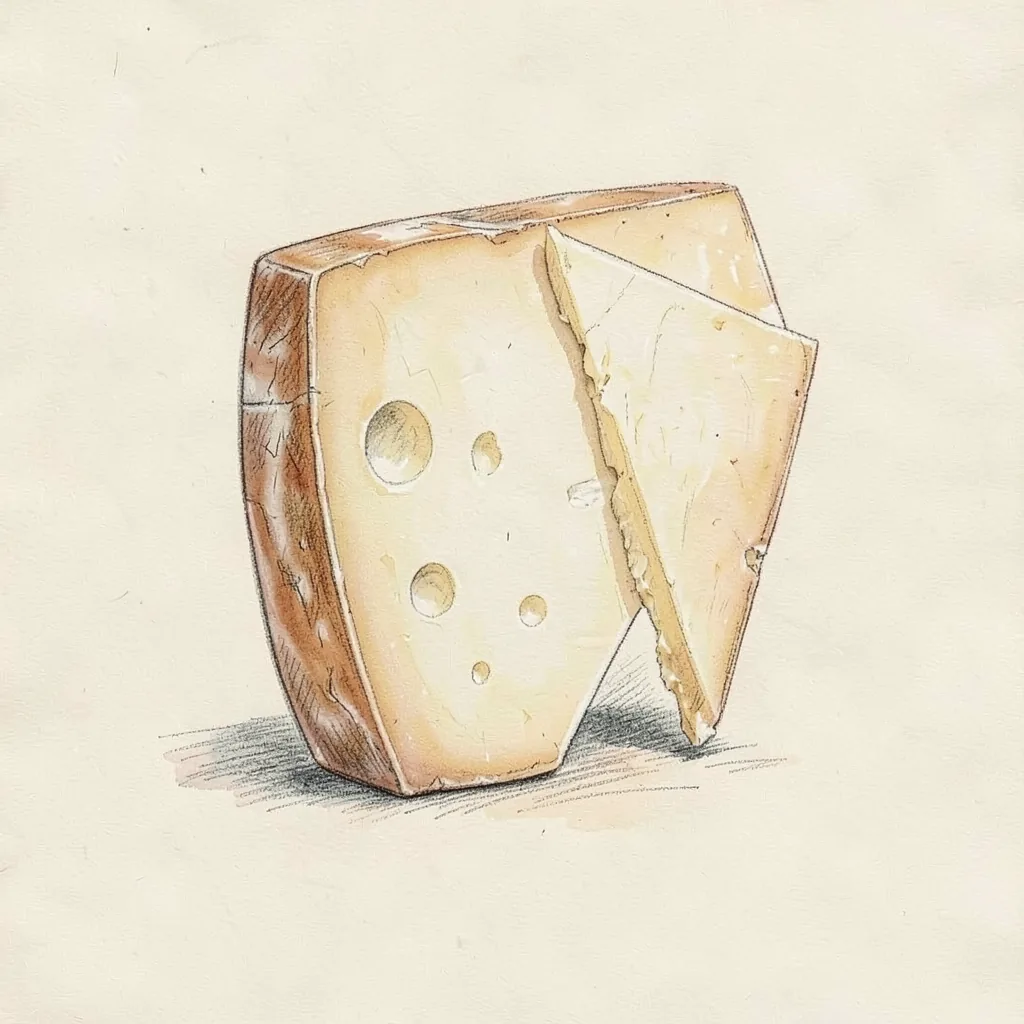
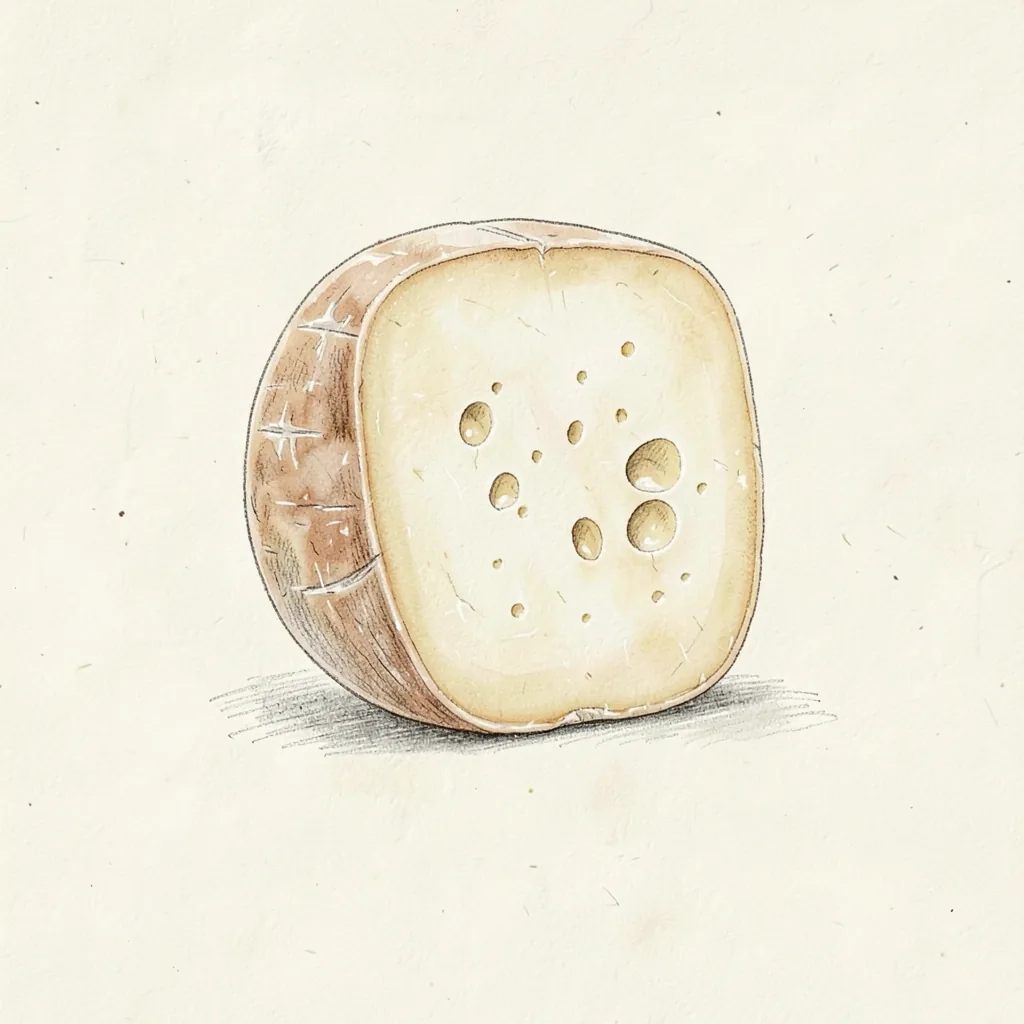
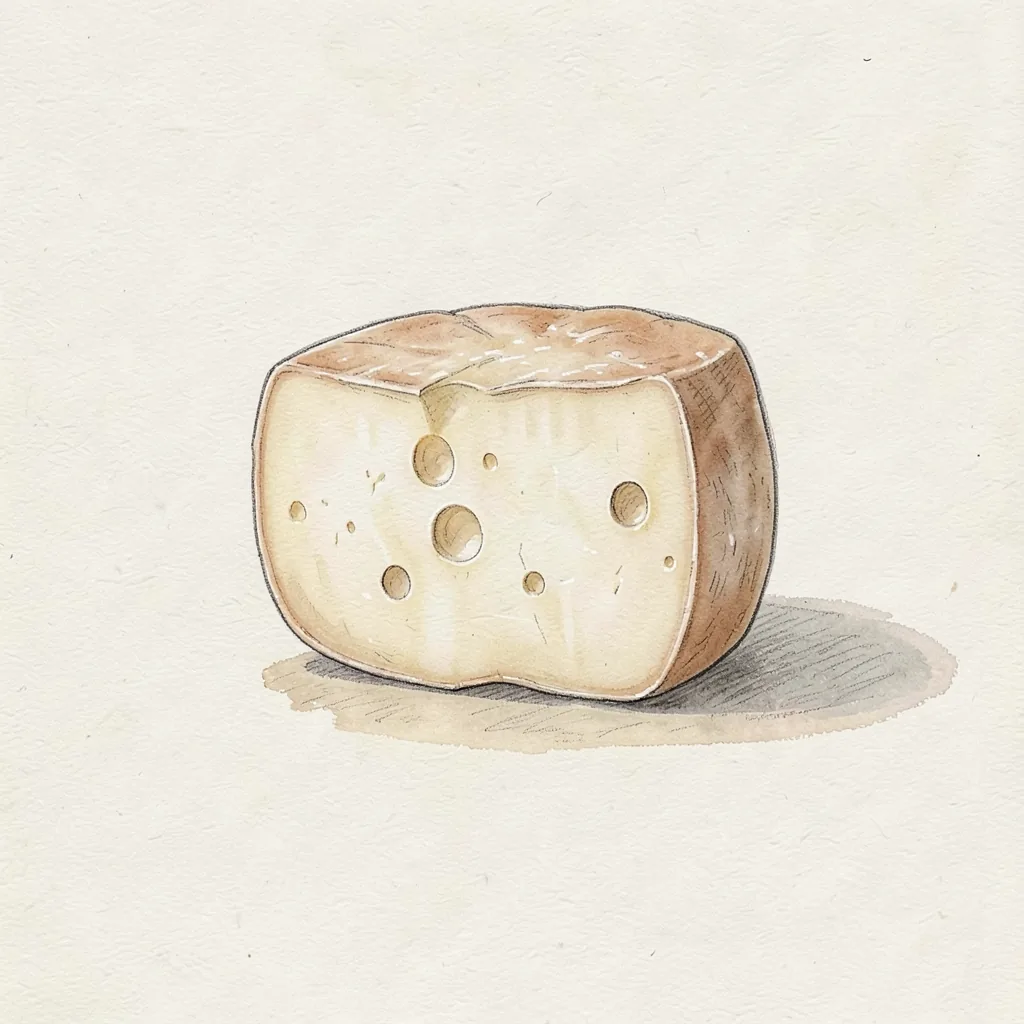
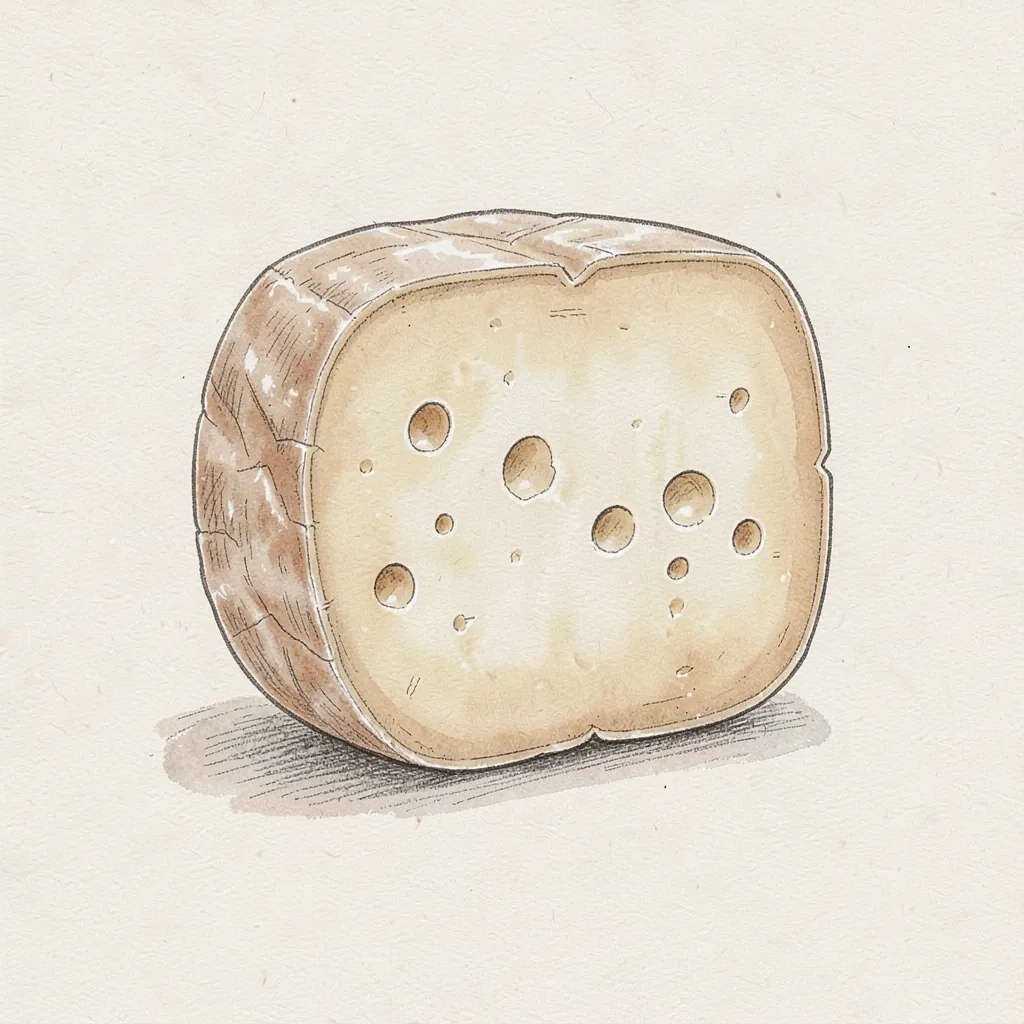
Makers use milk from Serrana goats, and the wheels are round with a firm white paste. The rind is natural and pale, and some wheels are rubbed with paprika and olive oil until the outside turns reddish. The smell is strong and clean, and the taste carries a light spice. It is an aged farm cheese, not a fresh curd.
A younger wheel is still firm, but an older one, sometimes sold as velho, is drier and sharper. Both come from the same goat's milk tradition in the Bragança District. People eat slices with bread, often before a meal or after it. The cheese also grates over warm food once the paste has turned fully hard. The spice stays gentle, and the goat flavor is clear without becoming harsh.
History
Goat cheese has long been part of daily food in the Bragança District. Herds of Serrana goats were kept on the rough ground of northern Portugal, and cheese was a way to hold milk for later. The hard wheel now called Queijo de Cabra Transmontano grew out of that farm work. No one village inside the district owns the recipe. Small dairies near the herds still make it in much the same way.
The name points to Trás-os-Montes, the uplands beyond the mountains, and it also marks goat's milk rather than sheep's milk. Other Portuguese wheels from mountain country are often softer and made from sheep. This wheel stayed hard, white inside, and lightly spicy. An older form is known as velho, which simply means old. Shops still sell it as a cheese of the Bragança District, beside bread and a local red wine.
How it is made
Makers start with raw goat's milk from Serrana goats in the Bragança District. They filter the milk, warm it, and set the curd with animal rennet. The curd goes into round molds, and the whey is pressed out by hand until the paste holds together. Salt goes on after the cheese leaves the mold. The work is still done in small batches, close to long farm practice.
The wheels then rest in a cool, damp room until the paste is hard and the flavor has settled. A natural rind forms, smooth and white on a plain wheel. Some makers rub the outside with paprika and olive oil, which colors the rind red but leaves the inside white. The cheese is not smoked, and it is not washed in brine. When it is ready, the wheel is compact, with no large eyes.
Taste
The flavor is clean and lightly spicy, with a goat character that stays pleasant rather than fierce. The smell is strong for a hard cheese, and it reads as fresh milk and cured rind rather than ammonia. The paste is firm, smooth, and white, and a well aged piece breaks cleanly. A plain rind tastes mild next to the paste. A paprika and olive oil rub adds color and a faint pepper note only near the edge.
Age changes the bite more than the basic flavor. A younger hard wheel is a little moister and milder, with the same white interior. An older velho wheel is drier, more concentrated, and easier to grate over warm food. Neither version is buttery or sweet like a fresh goat cheese. If you want a soft spread, this paste will feel too firm, and the spice will seem out of place.
In the kitchen
Cut thin slices for bread, and serve them at the start of a meal or at the end. The firm paste also grates over vegetables, eggs, or a simple soup. Heat is optional, because the cheese is good cold and does not need to melt. A dry older piece is better as a grating cheese than as a thick slice. Keep the paprika rind if you like a little color, or trim it if you want only the white paste.
On a board, pair it with plain bread, olives, or a firm fruit such as apple. The spice and goat flavor do not need a sweet jam to make sense. For cooking, add a small grate at the end so the aroma stays clear. The cheese does not stretch, so it will not replace a melting cheese in a sandwich. Wrap the cut face, because the hard paste dries further and the rind can pick up other smells.
Around the world
Outside Portugal, Queijo de Cabra Transmontano is less common than the sheep's milk cheeses that travel farther. Shops that carry Portuguese cheese may still put it beside Serra da Estrela or Castelo Branco, which are different wheels. Look for a small hard round from the Bragança District, with a white paste and a plain or reddish rind. The goat's milk is the point, and a sheep cheese will not taste the same. If the label says velho, expect a drier and sharper piece.
Kefalotyri can stand in when you need a firm cheese to grate, though it is usually saltier and not a pure goat cheese. Queijo de Nisa is the closer Portuguese swap for a bread plate, with a milder taste and sheep's milk. A soft fresh goat cheese is a poor match, because it spreads and lacks this spice. Buyers sometimes mix this wheel up with other mountain cheeses from Portugal. Read the milk and the district, and the hard goat cheese is easy to spot.