Cow
What it is
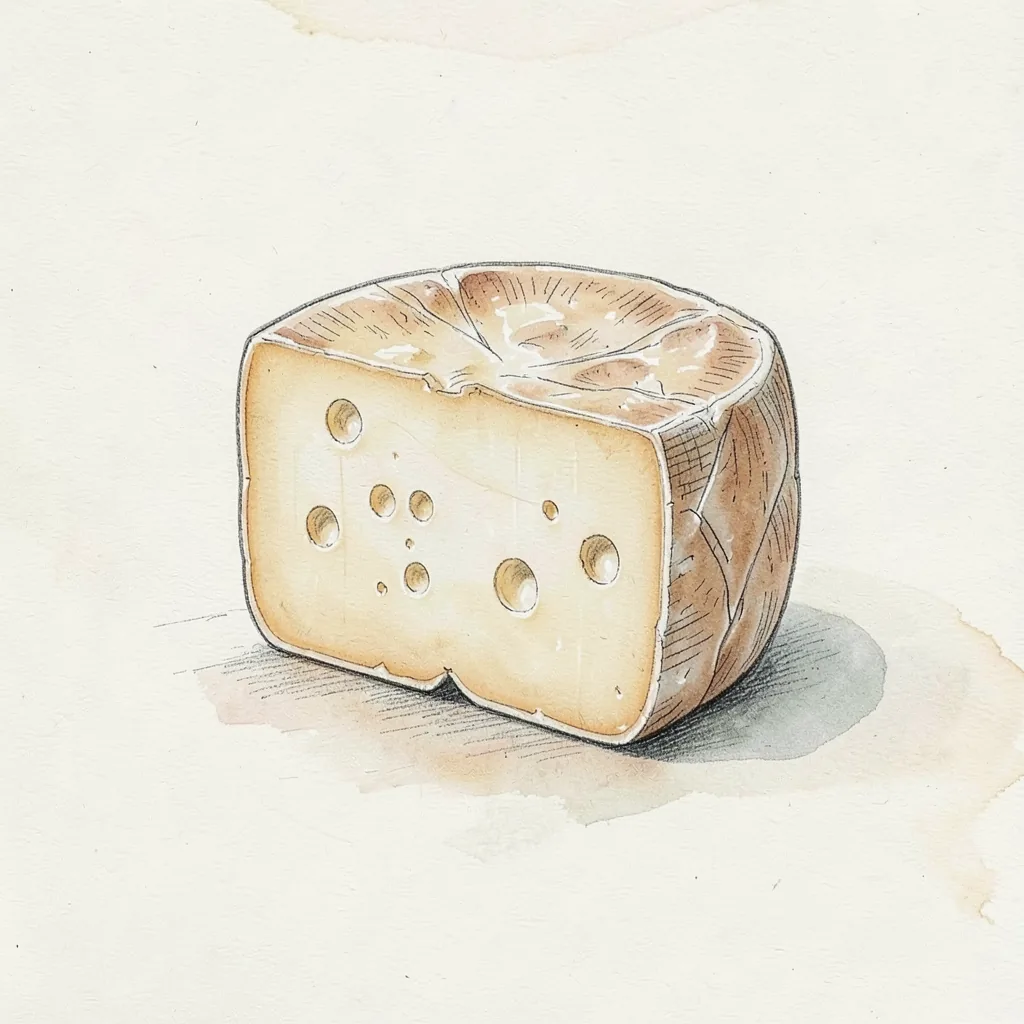
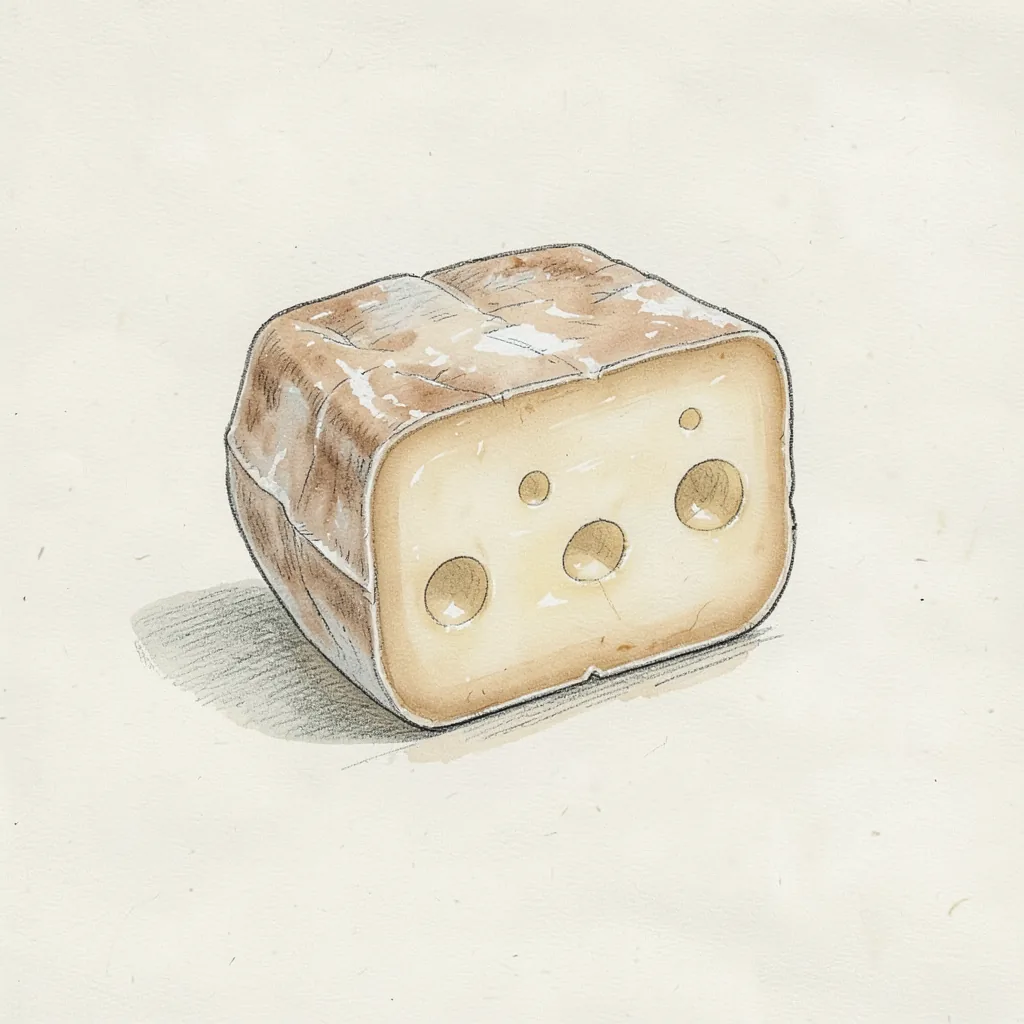
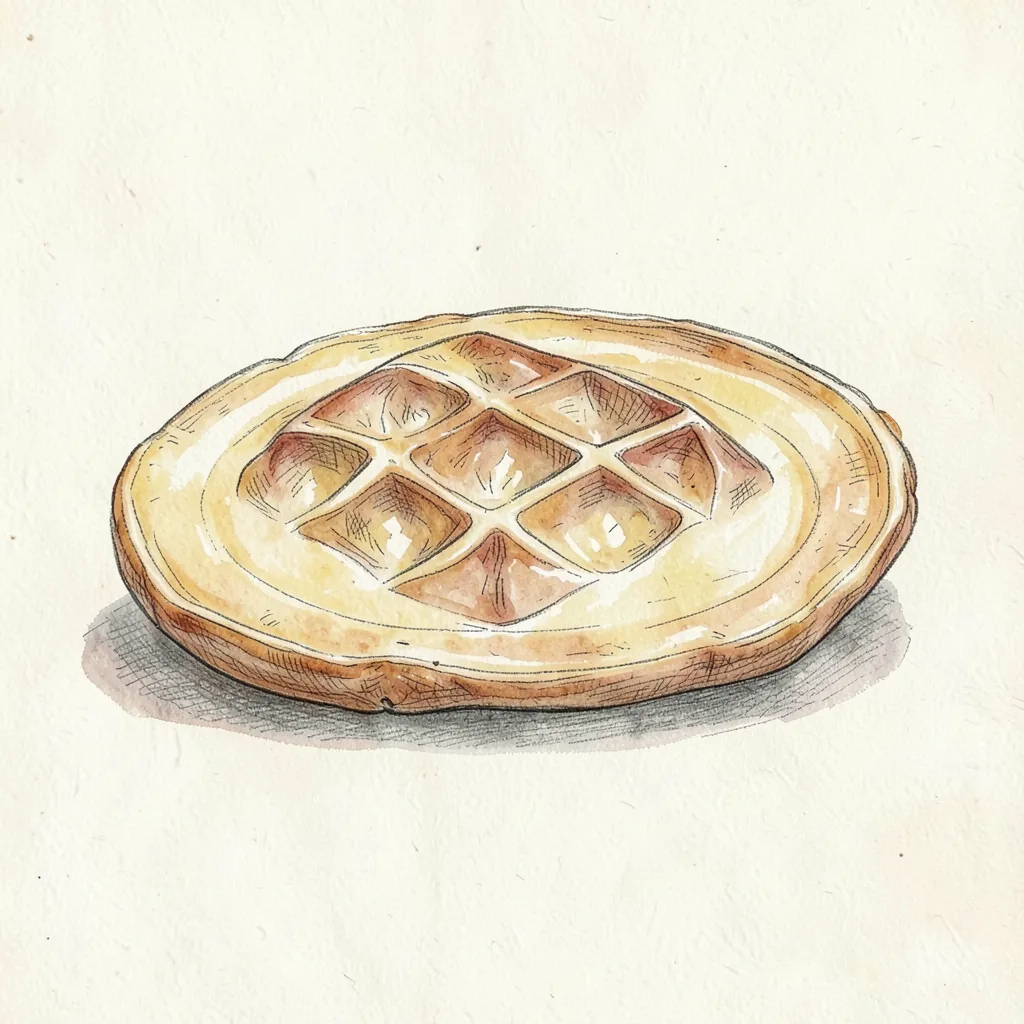
It is formed in carved wooden molds, so the small cylinder often carries a decorative pattern on the surface. The paste is pale yellow, firm, and elastic, with a gentle smoke taste rather than a sharp one. Cow's milk is the point of identity, which sets it apart from the sheep's milk cheeses of the high Tatras. People also call it Gazdowski, pucok, or klotek.
On a plate, Gołka looks like a smaller, straighter cousin of the spindle-shaped highland cheeses. The rind is golden to brown from the smoke, and the inside stays smooth and close textured. Cold, it is chewy, and warmed, it softens while the smoke smell opens up. Salt is moderate, and the milky taste stays easy to notice under the smoke. It is a cheese for bread, fruit preserve, and a hot pan, not a cheese you grate into a fine powder.
History
Gołka belongs to the highland farms of southern Poland, and in the Silesian Voivodeship it is the local smoked cow's milk cheese. Families made it when sheep's milk cheeses were out of season, because cows could be milked through more of the year. The cylinder and the stamped pattern come from wooden molds called puciera. The cheese was a gift for weddings and feast days, not only a daily food. Those customs explain why several folk names still sit beside Gołka.
Travelers often meet Gołka and think it is oscypek. The mix-up is easy, because both are smoked, salted, and shaped in carved wood in the Polish mountains. Oscypek is the spindle of sheep's milk from the Tatra pastures. Gołka is the cow's milk cylinder linked with Silesia. Keeping those two facts straight matters if you care about the milk and the shape, and the cheese is still made on mountain farms and also in larger dairies that follow the same outline.
How it is made
Fresh cow's milk is warmed, rennet is added, and the curd is cut once it sets. The curd then goes into hot water and is kneaded by hand until it becomes smooth and elastic. That worked paste is packed into the wooden cylinder molds, which press the pattern into the surface. The cheeses are salted, often in brine, so the taste is seasoned all the way through. After salting, they are smoked in a room or a small smoke chamber near the farm.
Smoke color depends on the wood and on how long the cheese stays in the smoke, but the goal is a golden brown skin and a mild aroma. The inside should stay pale and elastic, not dry and cracked. A good Gołka holds its cylinder shape and shows a clear molded pattern. If the pattern is missing and the cheese is a tapered spindle, you may be looking at a different highland cheese. Small farm batches vary more than dairy batches, especially in salt and smoke.
Taste
Gołka tastes mildly milky, lightly salty, and gently smoky. The smoke sits on the surface first, then fades into a clean dairy flavor as you chew. There is little of the sharp sheep note that some highland cheeses carry. The texture is firm and a bit squeaky when cold, closer to a grilling cheese than to a crumbly aged wheel. Fruit preserve, especially a tart one, is a classic partner because it cuts the smoke and the salt.
A heavily smoked piece can taste bitter at the rind, so trim only that harsh edge and the center should still be pleasant. A lightly smoked cheese tastes mostly of salted milk, which is dull but not spoiled. Let the cylinder warm a little before a cold tasting, or the aroma stays locked. When it is heated, the paste turns softer and slightly richer, and the smoke seems rounder. That change is why many people prefer Gołka warm.
In the kitchen
Grill thick slices of Gołka, or warm them in a dry pan, and serve them with tart fruit preserve and bread. The outside can brown while the center softens. It is also good cold on a board if you slice it thick enough to chew. Do not shred it over pasta the way you would a dry hard cheese, because the elastic paste clumps. A cube in a soup or a baked potato can work if you want pockets of smoke rather than a smooth sauce.
Salt is already in the cheese, so go easy on extra salt in the pan. A squeeze of lemon or a sharp pickle brightens a grilled slice. Gołka can replace halloumi in a simple fry if you want a smoky Polish version of that plate. It will not brown in exactly the same way, and it tastes milder. Keep the rind on unless it is bitter, and leftover slices keep their smoke, so store them covered and away from mild foods.
Around the world
Outside Poland, Gołka shows up at Polish grocers, holiday markets, and some European cheese counters. It may be labeled golka, without the Polish letter, or under a folk name such as pucok. Read the milk line. A cow's milk cylinder from Silesia is Gołka, while a sheep's milk spindle is a different cheese. If the label gives no milk and no region, ask before you buy it for a recipe that depends on the mild smoke.
Oscypek is the substitute, and it grills in a similar way, but it is sheep's milk and the taste is stronger. Rauchkäse can help in a cooked dish if you only need gentle smoke and a slice that softens. It will not show the molded highland pattern. Redykołka is smaller, often shaped like a toy animal or a heart, and it comes from Podhale rather than from this Silesian style. Use it when you want a nibble, not when you need a cylinder to slice for the pan.