Goat
What it is
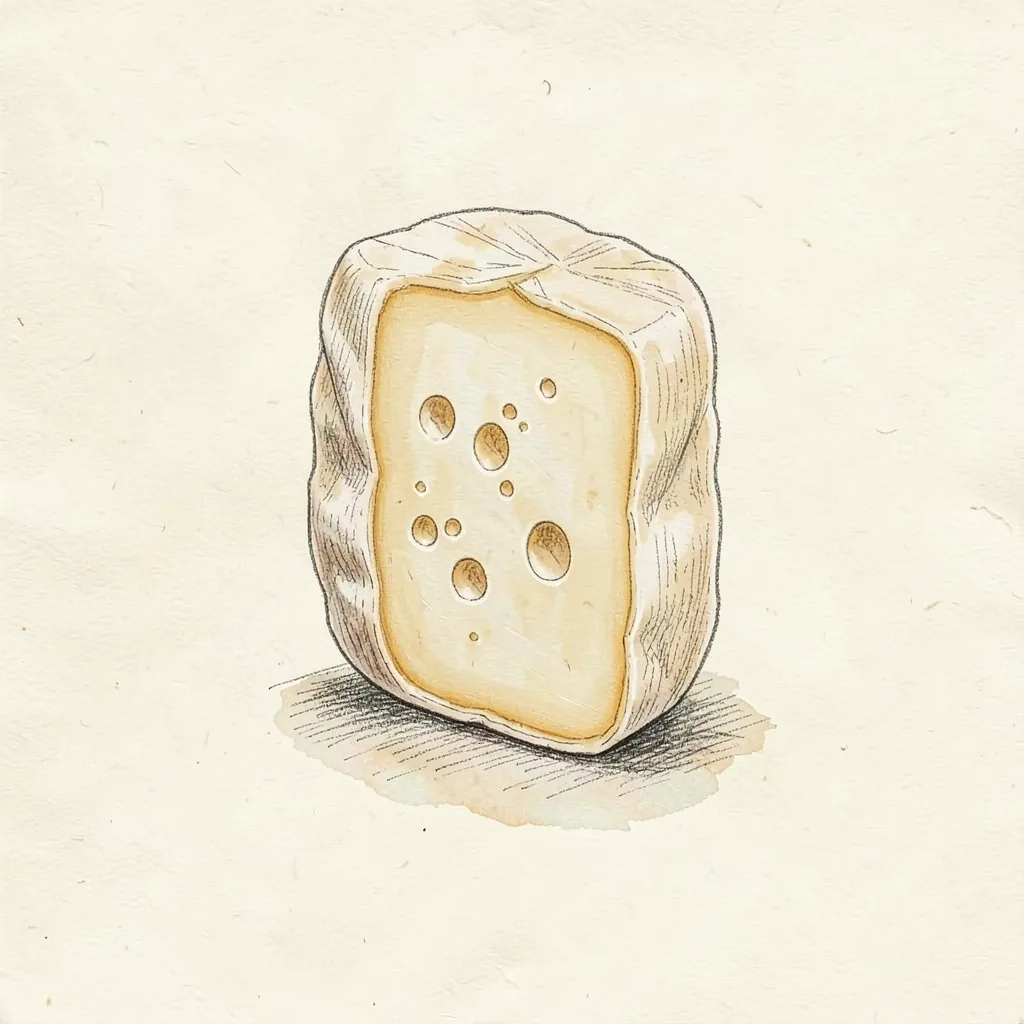
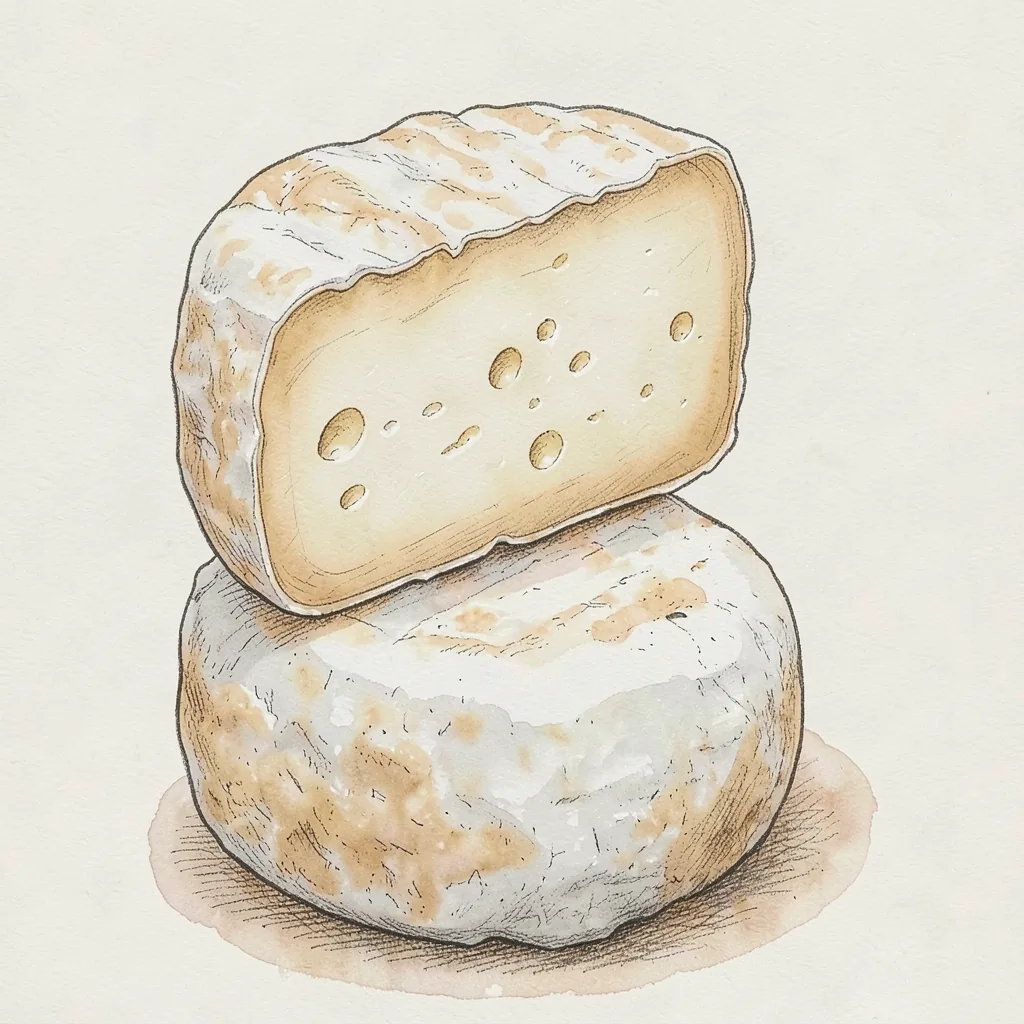
Each piece is a little round puck made from raw goat's milk, with a smooth paste and no eyes. The surface is a thin natural coat that may look ivory, white, or lightly blue, depending on age and the cellar. Flavor is gently lactic, with hazelnut and a clean goat note. It is meant to be eaten while the center is still supple, not dried to a hard chalk.
The cheese is unpressed, so the body stays soft rather than hard, and a light salt lets the milk show. A younger piece is milder and a bit more moist. A piece held longer turns firmer and stronger, and it can lose the tender center that makes it pleasant. It is not a large wheel, not a blue veined cheese, and not a fresh goat cheese with no ripening at all. Around Lyon it is a local goat cheese with a clear shape and a short life on the board.
History
Small goat cheeses have long been made in the country around Lyon, where a little puck could be shaped, salted, and sold without a vast aging room. Rigotte de Condrieu belongs to that habit. The full name keeps it distinct from other small French goat cheeses that look similar at a glance. Makers relied on raw goat's milk, a slow lactic set, and a light hand with salt. The cheese stayed recognizable by its size and its soft, smooth paste.
The Lyon region is the home of the cheese, and production is tied to that part of France rather than to a generic national blend. It did not need clothbound wheels or a long cellar life for a local market. The short ripening and the small format suited goat herds and a cheese eaten soon. As shops farther away began to ask for it, the name had to do more work, because many goat pucks compete. The full name, Rigotte de Condrieu, is what separates this one.
How it is made
Raw whole goat's milk is set slowly as a lactic curd, with only a little rennet. The curd is molded by hand into small rounds, and the cheeses are not pressed. Dry salt goes on both faces, which seasons the paste, helps it dry slightly, and keeps the flavor clear. A brief ripening lets a fine surface flora develop. That coat may be ivory, white, or touched with blue, while the paste inside stays smooth and closed.
The format stays small, a round puck rather than a log or a tall cylinder. Because the set is lactic and gentle, the texture can be firm under the knife and still soft to eat. If the cheese is kept too long, it dries and the pleasure drops, so good shops move it while it is still supple. There is no wax, no required ash line, and no cooking of the curd into a stretchy paste. Goat's milk, salt, time, and the surface flora are the whole make.
Taste
Rigotte de Condrieu tastes mildly of goat's milk, with hazelnut and a soft woodland note from the rind. Salt is light, acid is lively but not harsh, and the paste feels moist and smooth. A younger cheese is gentler and more lactic. A drier cheese is stronger, more compact, and less creamy. The blue cast, when it appears, sits on the surface and does not vein the interior.
The aroma is clean and a little nutty, not heavy or ammoniated when the cheese is in good condition. You should taste goat without a soapy edge. The rind can be eaten and adds the woodland side, while the center carries the milk. Compared with a fresh goat log, this cheese is more developed and slightly firmer. Compared with a very dry crottin, a good piece is still tender, and you should stop once it turns hard and dull.
In the kitchen
Serve Rigotte de Condrieu on a board when the center is still supple, with bread, fruit, or a few nuts. It can go onto toast or be crumbled into a green salad with a light dressing. A ripe soft piece will spread, but it is not a tub of fresh cheese, so do not expect cream cheese behavior. Long baking dries it and pushes the goat flavor hard. Use heat rarely, and only as a brief warm topping.
Let the cheese lose its chill before you eat it, so the hazelnut note can show. Keep the surface if you like the aroma, and cut the puck into halves or quarters rather than trying to grate it. A simple dry white wine is a fine table match, but the cheese does not depend on a special bottle. Wrap leftovers so they do not dry out. If the piece is already stiff and chalky, crumble it into a salad instead of posing it as a soft centerpiece.
Around the world
Outside France, Rigotte de Condrieu is a specialist goat cheese, and many shops never carry the puck. Buyers abroad are more likely to see Crottin de Chavignol, Picodon, or a plain goat log. Those can fill a board, but the salt, size, and surface are not the same. A fresh goat cheese is milder and has no ripened coat, so it is only a rough stand-in. Ask for this Lyon goat cheese by its full name if you want this puck.
The small round shape and the natural surface, ivory to white or lightly blue, are the visual checks when a label is thin. It should be goat's milk, soft, and still a little moist. A cow's milk bloomy cheese such as brie is the wrong milk and a different scale of flavor. Other French goat pucks are the fair substitutes, especially when you need a lactic, nutty piece for bread or salad. In the Lyon area it is a local cheese, and elsewhere it is a find.