Goat
What it is
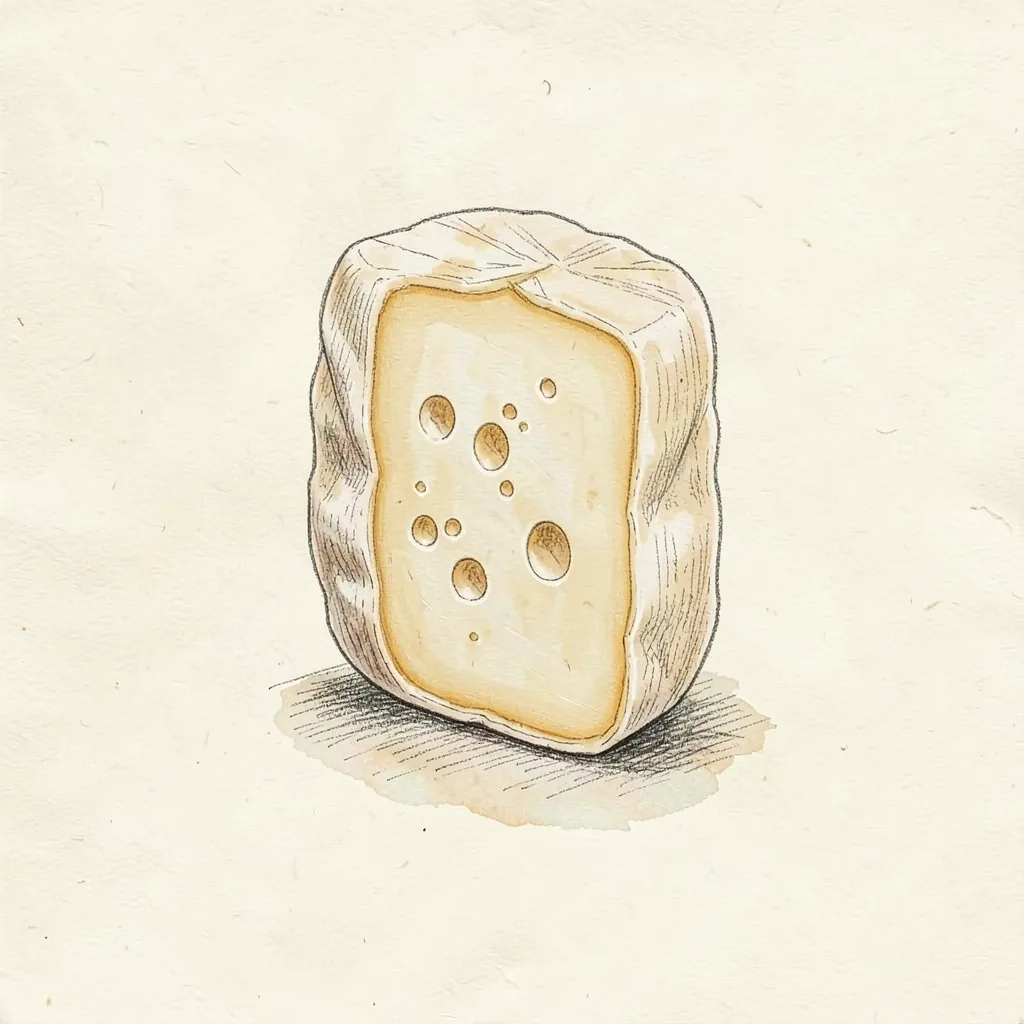
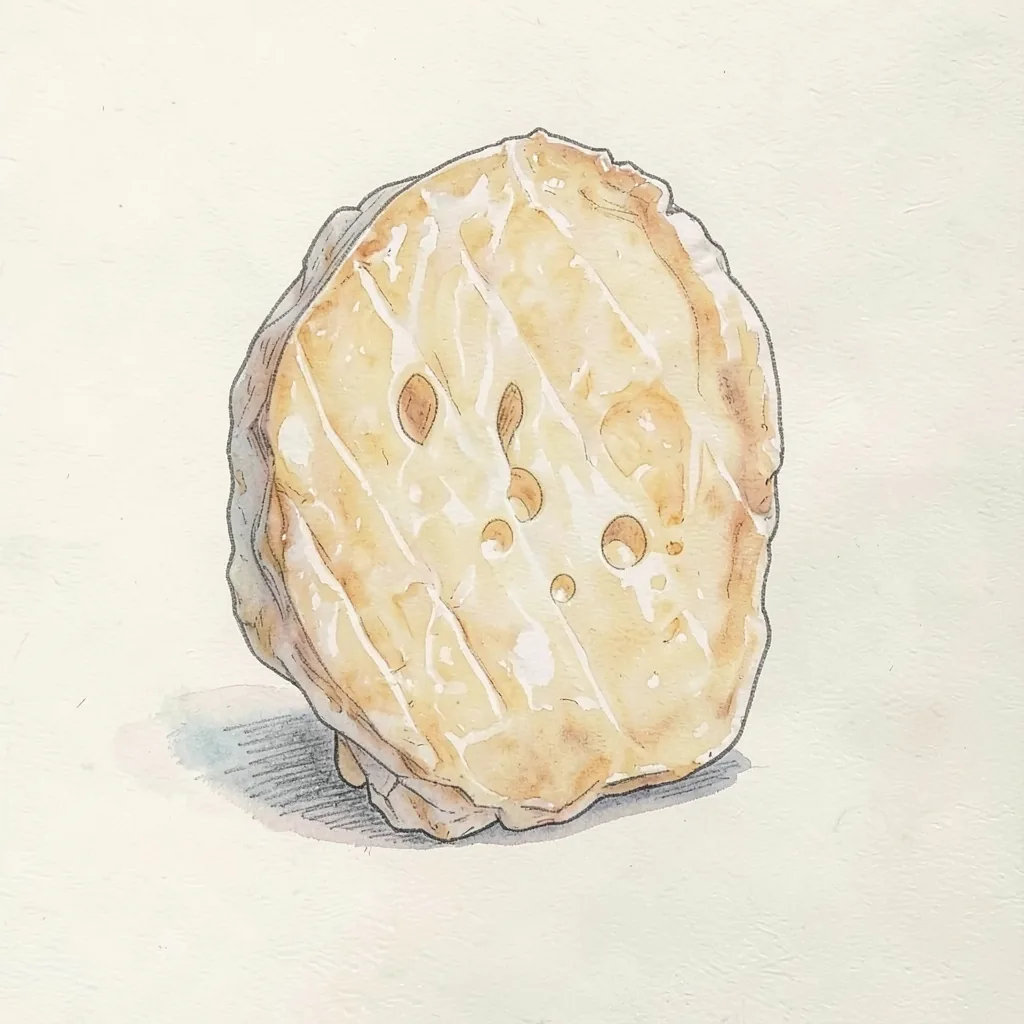
Each piece is a low round disk of whole goat's milk, and the paste is soft when the cheese is young. The taste is frank, with hazelnut, a light mushroom note, and sometimes a peppery edge. A short ripening leaves the center supple under a thin rind. A longer rest dries the paste and makes the taste stronger, and a washed style goes further still.
The rind may look white, ivory, blue grey, or brown, and that color tracks the ripening rather than a flaw. The interior stays pale, from white toward a light yellow. Young cheese feels tender under the knife and spreads a little on warm bread. Older cheese turns firmer and can crumble. Goat's milk gives the familiar tang, but a good Picodon is not harshly acidic, and the small disk is meant for the board or a salad.
History
Goat's milk cheeses have a long place in the hills of Rhône-Alpes, and Picodon is the small disk tied to that country. The name comes from a local word for a little cheese with a piquant side. Herds grazed rough pasture, and the milk was turned into cheeses that could be carried and sold nearby. The style stayed a farm cheese before it became a named product of the region. The small shape, the goat's milk, and the frank taste are the parts that lasted.
Today the cheese is still linked to Rhône-Alpes, even when dairies are larger than a household herd. Makers keep the slow lactic set, the hand salting, and the choice of a gentler or a stronger ripening. Shoppers meet both a younger disk and a more assertive one. The name covers that range, so the rind and the give of the paste tell you which you have. It remains a cheese of the table, not a wheel for grating.
How it is made
Makers use whole goat's milk and a lactic set, with only a little rennet. The curd is not cooked, and it is not drained into a hard grain before molding. It is ladled into small round molds so the whey leaves slowly, and that gentle handling keeps the paste soft. Each face is salted by hand with dry salt. The cheeses are then dried before they go to the ripening room.
A classic ripening leaves a tender disk with a light bloomy rind and a supple center. A washed ripening is rubbed with water over a longer rest, and the rind and the taste become stronger. Both styles start from the same goat's milk curd. The cheesemaker chooses how far to take the cheese, and buyers can choose a mild disk or a sharper one. There is no wax coat and no blue veining through the paste.
Taste
Young Picodon tastes milky, lightly sour, and a bit sweet, with a clear goat note and a hint of hazelnut. The center is soft, and the rind is thin enough to eat with the paste. As it ripens, mushroom and a gentle pepper appear, and the paste firms. The washed style is fuller and more pungent. A good one smells of goat's milk and a clean cellar, not of spoilage, and the finish stays lively rather than dull.
The finish can tingle, which matches the old sense of the name, but the heat is a cheese heat and not a ground spice. Salt is present and should not dominate the goat flavor. The pale paste coats the tongue when young and breaks into moist crumbs when older. Blue or grey on the rind is surface flora, and it does not mean the cheese is a blue cheese inside. Eat it cooler than the room but not icy, so the flavor opens.
In the kitchen
Serve Picodon on a board with bread, honey, or a few nuts, and let people cut from the small disk. It sits well in a green salad, where the tang cuts rich leaves and a sharp dressing. A younger cheese can be spread on toast. An older one is better in slices or coarse crumbs over warm vegetables. High heat makes the fat separate and the goat note turn harsh, so warm it only gently if you warm it at all.
Pair it with pear, a dry white wine, or a little fruit preserve, and keep the plate simple. In cooking, crumble it over roasted vegetables or a warm tart at the end of the baking. A whole small cheese can be the center of a light lunch with salad and bread. Store it wrapped and cold, and take it out before serving so the paste softens. If the smell turns to sharp ammonia and the paste weeps, it is past its best.
Around the world
Outside France, Picodon appears in shops that carry small French goat cheeses, often near other little disks. Buyers should look for goat's milk and for a low round shape from Rhône-Alpes. A white rind and a soft center mean a younger cheese. A darker rind and a firmer paste mean a longer ripening, and the taste will be bolder. It travels as a small cheese, so it is easier to find whole than as a cut from a large wheel.
Crottin de Chavignol is the usual substitute, and it is another small French goat cheese with a tangy paste. Pelardon is also a little goat disk, and it can fill the same place on a board. Fresh chèvre is milder and wetter than a ripened Picodon, so it will not copy the firmer disk. Do not swap in a cow's milk bloomy cheese if you want the goat flavor. When this disk is missing, choose a small ripened goat cheese, not a fresh spread and not a hard grate.