Cow
What it is
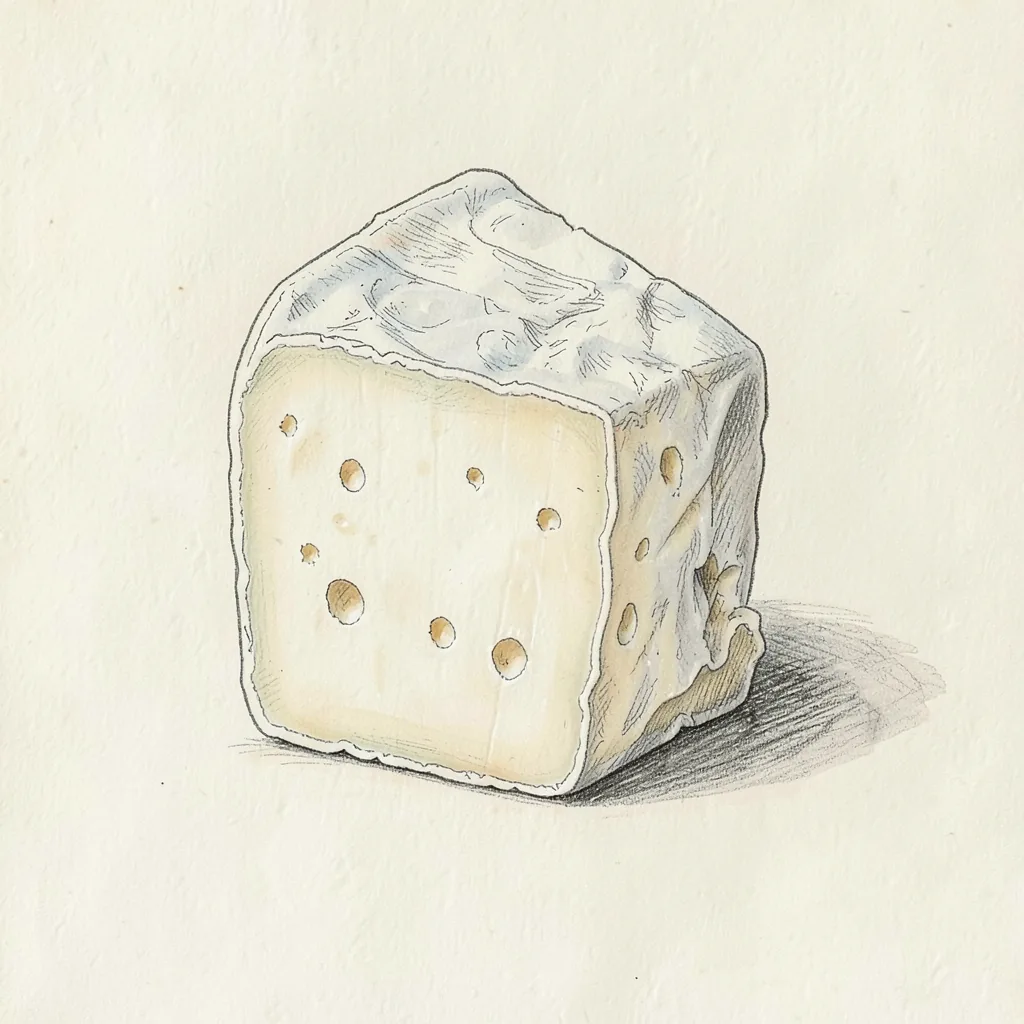
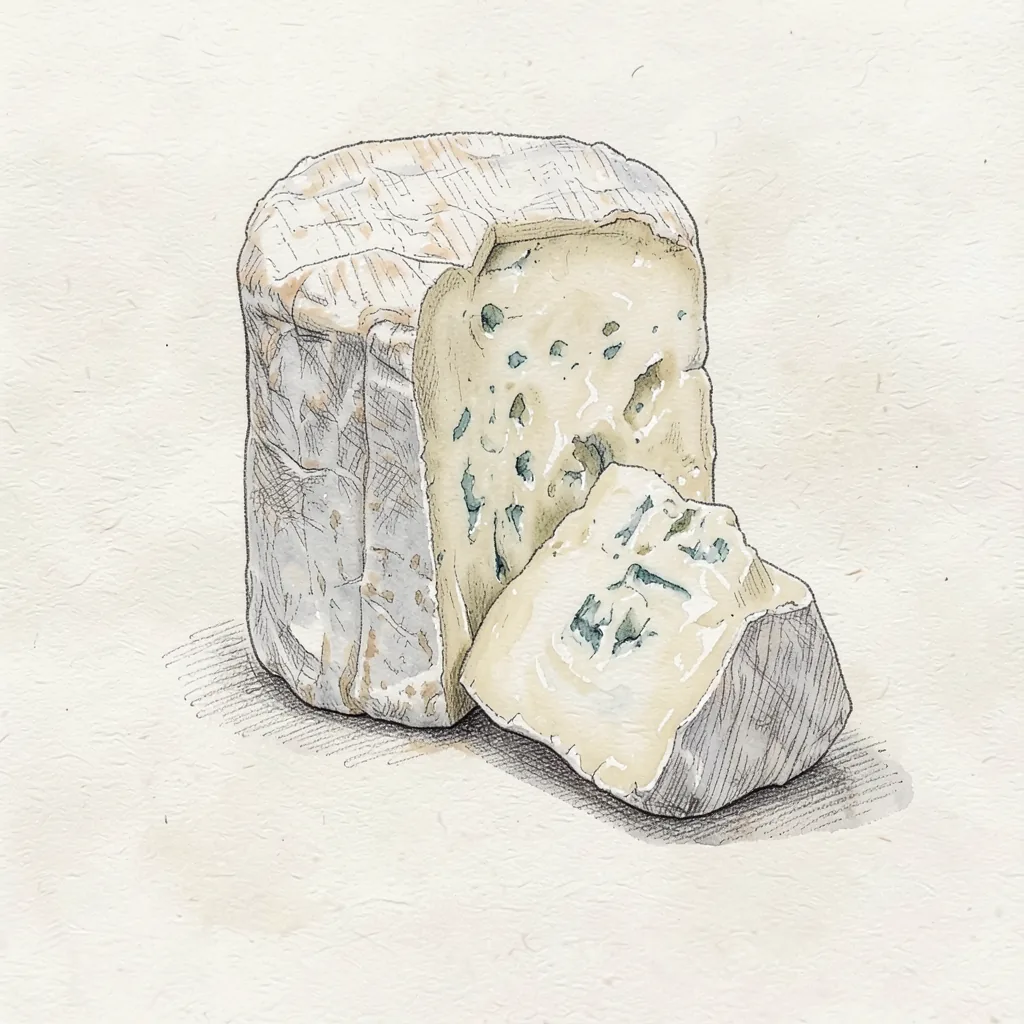
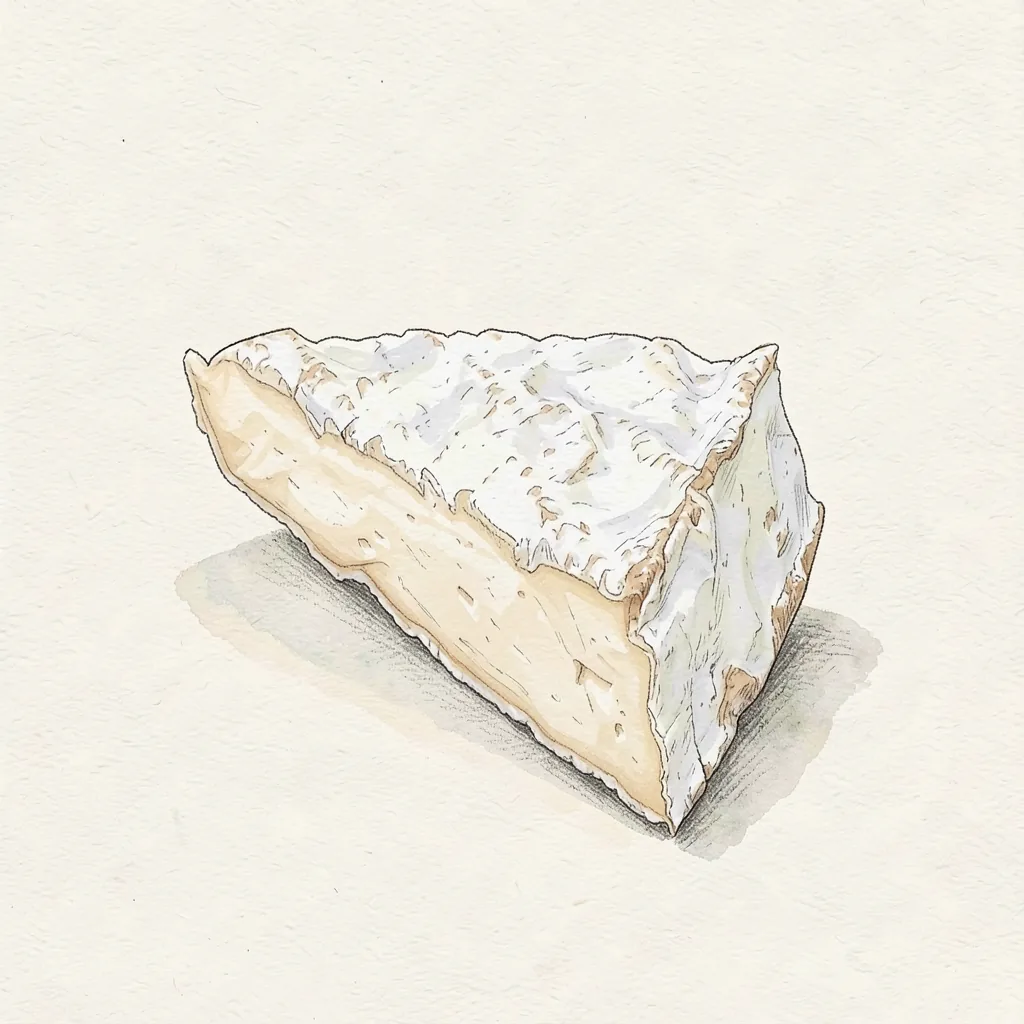
It joins a white bloomy rind to a mild blue vein, so people often call it a meeting of Brie and blue cheese. The paste is creamy and much gentler than a strong Danish blue. The blue lines can be delicate, and some pieces show only a light scatter of mold. Shops sell it under its own name, including far from Denmark.
Under the white coat, the interior is pale and soft, with blue-green traces rather than a dense net of veins. The smell is milky and lightly mushroomy, not sharp. Salt is moderate, and the finish is creamy. The cheese spreads easily, yet a cool piece can still hold a slice. A good wedge looks moist, not chalky at the edge and not browned with age.
History
Saga was developed in Denmark for people who found traditional blue cheese too strong. The style took shape at Tolstrup in Jutland, and the name traveled with the cheese into export markets. Makers kept the white rind of a soft bloomy cheese and added a light blue mold inside the paste. The result was its own identity, not a new label on Danablu. Danish shops later sold it beside other soft specialty cheeses.
The Saga name later covered more than one soft cheese, but the blue-and-white version is the one most people mean. Making stayed linked to Denmark even after larger dairies carried the brand into wider sale. Shops in the United States also stock it, often next to Brie and mild blue wedges. Tolstrup in Jutland remains the place named with the cheese. A plain Brie with no blue veins is a different product.
How it is made
Makers set cow's milk for a soft cheese and add both a white surface mold and a blue mold. The curd is handled gently so the paste stays moist and rich. After shaping and salting, the white mold grows into a bloomy rind. The interior is opened to air so the blue mold can form light veins. Ripening continues until the paste is creamy and the coat is white.
The blue is meant to stay delicate, not to pack the paste the way it does in a firm blue. There is no wax coat and no long brine bath. The finished cheese is soft, with a white rind and a pale center. Faint veins can still be normal for this mild style. A sour smell or a strong ammonia note means the piece is past its best.
Taste
Saga tastes creamy, mildly salty, and only lightly blue. The white rind brings a soft mushroom note, and the veins add a gentle tang rather than a peppery sting. Butter and fresh milk sit under those notes. The texture is smooth and rich, closer to a soft cheese than to a dry crumbly blue. A cold piece tastes duller, so a short rest before serving lets the cream show.
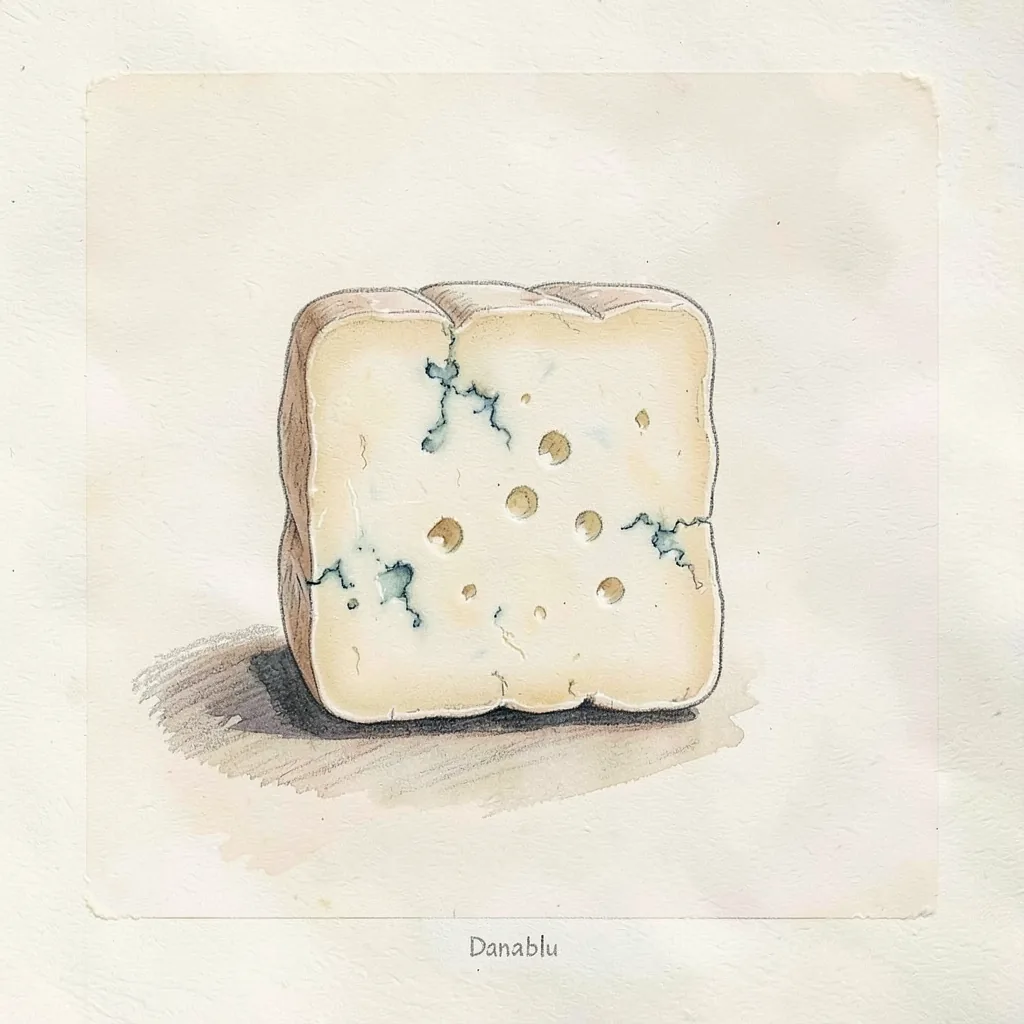
Next to Danablu, Saga is milder, softer, and less salty. Next to a plain Brie, it has an extra blue edge that you notice after the cream. It should not taste bitter or harshly metallic. A riper piece is more aromatic, but it should still feel like a mild table cheese. If you want a strong blue that prickles the tongue, this is the wrong choice.
In the kitchen
Spread Saga on bread or crackers, or set a wedge on a board with pears, grapes, and nuts. Crumble a firmer piece over a green salad. It can melt on a tart or into a mild sauce, where the blue note stays in the background. Choose it when you want cream first and blue second. Strong pickles or a very bitter leaf will cover the gentle flavor.
If the wedge is very ripe, keep it cooler than a warm room or it may slump on the plate. A knife spreads the center, and the rind is usually eaten. Do not grate it, because the paste will stick and smear. Wrap leftovers well, since the blue smell can move into other food. Fruit alone is enough beside it, though a dry white wine or a light red is a common match.
Around the world
Saga began in Tolstrup, Jutland, and it is still known as a Danish cheese. Export sales made it familiar in Europe and in the United States, where it sits with other soft specialty cheeses. Some buyers file it under blue, and some file it under Brie. Each label misses half of the style. The useful description is a mild blue inside a white rind.
Cambozola is the closest widely sold substitute, because it is also creamy, with a white rind and light blue veins. Bleu de Bresse can play a similar role on a board or in a salad. Danablu is the Danish blue to choose when you want a stronger and saltier paste. Plain Brie has the white rind but no blue vein. Ask for Saga if you want this milder Danish meeting of the two styles.