Cow
What it is
It sits in the same family as Saint-Marcellin, the smaller cheese of the Dauphiné, but a usual piece is larger and richer. Some dairies add cream, which helps the center stay lush and spoonable. A young wheel is mild and milky. A riper one softens and tastes fuller, with a light tang under the rind.
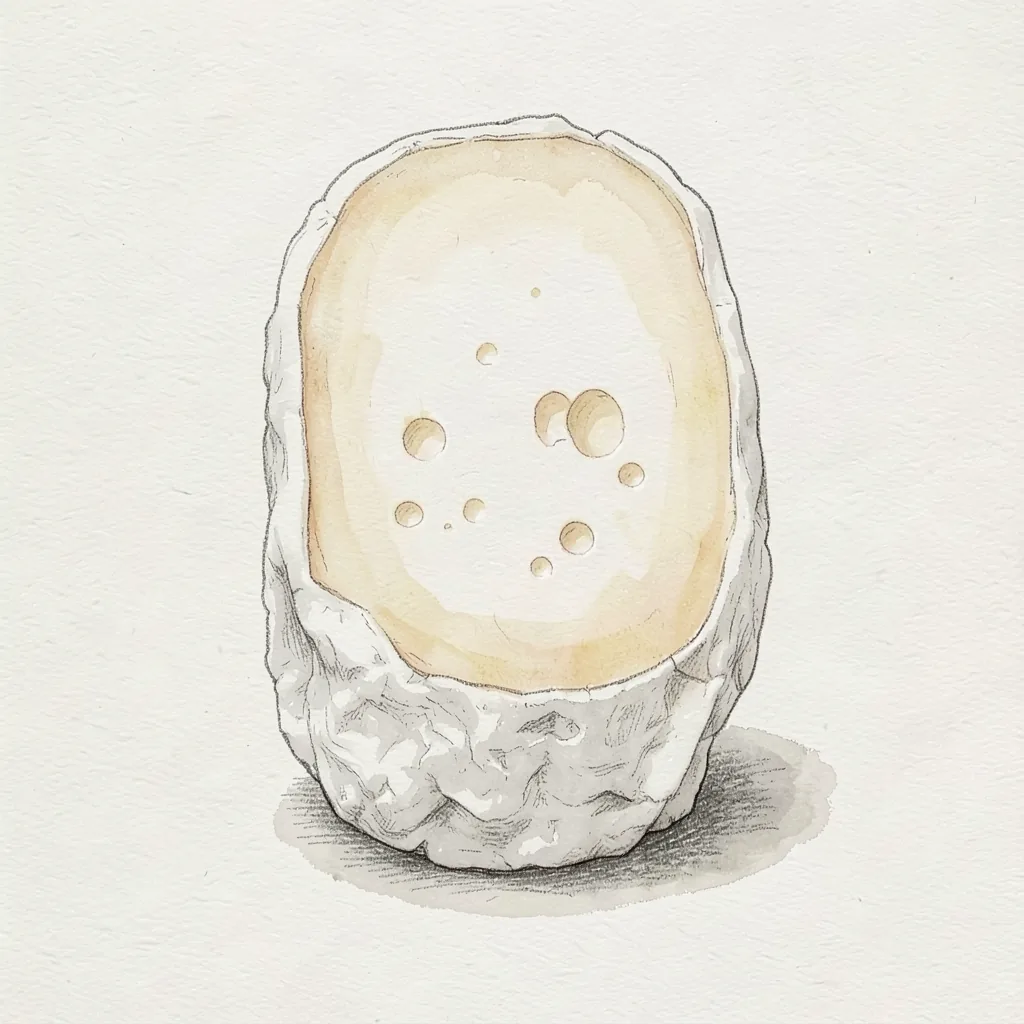
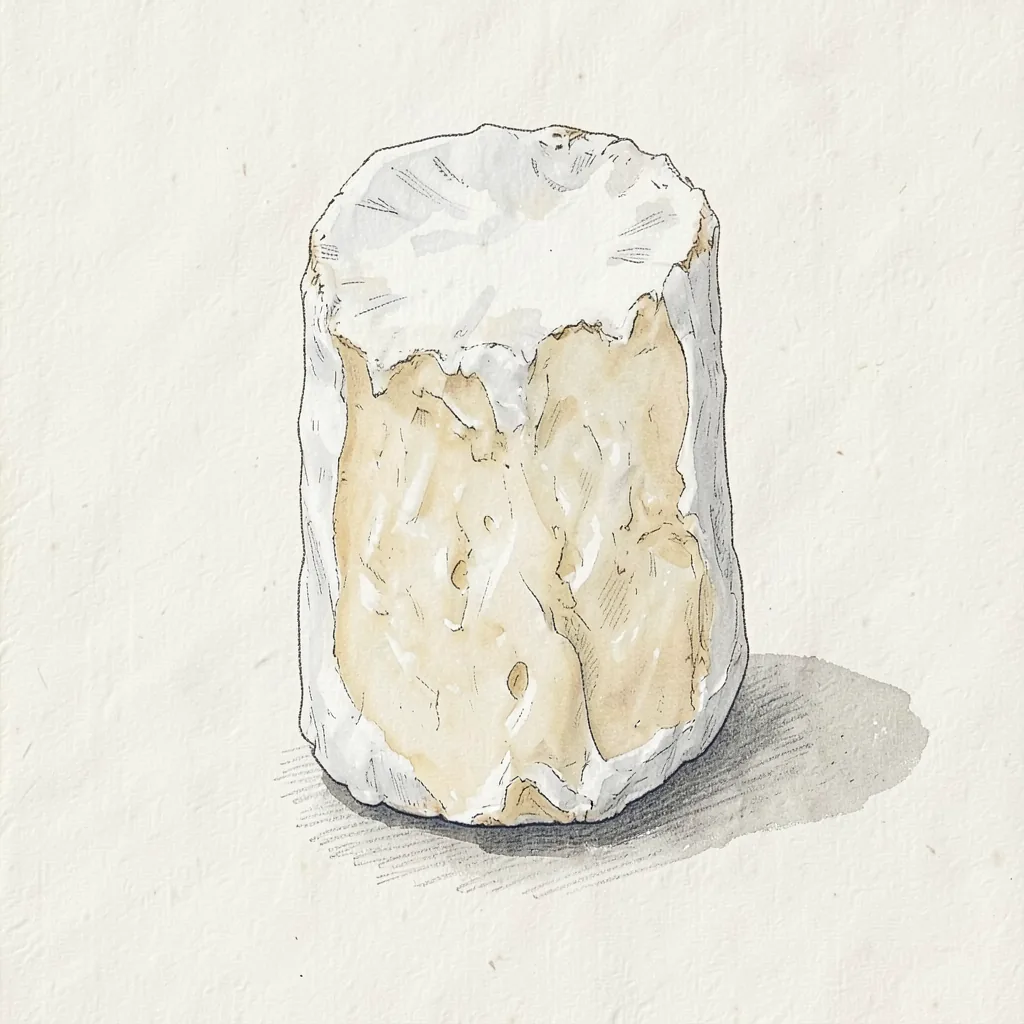
The paste is pale and creamy, and it sits inside a thin bloomy rind that wrinkles as it ripens. At the center it can stay soft enough to eat with a spoon. The smell is fresh and slightly yeasty, not sharp or ammoniated. Buy a piece whose rind is intact and whose body looks plump, not dried or collapsed. Keep it cold, then let it warm before serving so the cream flavor opens.
History
The name is tied to the Dauphiné, in Rhône-Alpes, where small soft cheeses were made for market. An older goat's milk cheese shares the name, and it should not be confused with the cow's milk cheese sold today. The cow's milk version became the familiar one as dairies in the region took it up. It grew beside Saint-Marcellin, with a similar lactic method and a similar small round shape. The larger, creamier piece is what most shops mean by Saint-Félicien now.
Makers do not all follow one fixed recipe, so size and richness can vary from dairy to dairy. Some wheels are made with raw milk, and some are made with pasteurized milk. Cream may be added, which is one reason a piece can feel richer than a plain Saint-Marcellin. The style stayed regional for a long time, then traveled with French cheese counters. Today it is a standard soft cheese of Rhône-Alpes, known more for texture than for a long legend.
How it is made
Cow's milk is warmed and soured slowly with lactic cultures, then set with a small amount of rennet. The curd is not cooked hard, and it is not pressed into a dense wheel. Makers ladle it gently into small molds so the texture stays moist and fragile. Whey drains under the weight of the curd itself. Many batches include extra cream, which raises the richness and helps the center stay soft when the cheese is ripe.
The cheeses are salted and turned while a white bloomy rind develops on the surface. That rind is a soft coat of yeast and mold, and it is meant to be eaten. Aging is short compared with a hard mountain cheese, and the change is easy to see. A young piece is still set in the middle, while a riper piece softens from the outside in. Makers sell both stages, so the feel of the paste matters more than one target age.
Taste
A young Saint-Félicien tastes of sweet milk, cream, and a little salt. The center is mild, and the area just under the rind is a bit more savory. As it ripens, the flavor gains mushroom, butter, and a gentle sour note. It should not taste bitter, soapy, or sharply of ammonia. If the smell is harsh and the paste is brown and weeping, the cheese is past its best and will not improve on the board.
Compared with Saint-Marcellin, this cheese is usually larger, fattier, and more generous on the tongue. Saint-Marcellin can seem lighter and a little nuttier when the two are tasted side by side. Saint-Félicien leans toward cream. The rind adds a faint earthy edge, while the middle stays smooth and mild. Salt is present but not high, so serve it cool, when the aroma is open and the paste can spread.
In the kitchen
Ripe Saint-Félicien can be spooned onto warm potatoes, toast, or a green salad with nuts. It melts into a quick sauce for pasta or chicken if you add it off a hard boil so the cream does not split. A firmer young piece slices cleanly for a cheese board. Bread, walnuts, and a little honey are enough beside it. Strong spices hide the dairy flavor, so keep the rest of the plate simple and not too salty.
The cheese also works baked in a small dish until the center loosens and the top softens. Serve that with bread for dipping, and do not expect a stretchy melt like a kneaded pasta cheese. Leftovers can enrich a vegetable tart or a baked egg dish without much other seasoning. Use a light hand with extra salt. Wrap a cut piece well, because the surface dries and the smell can drift in the refrigerator.
Around the world
Outside France, Saint-Félicien shows up in shops that carry French soft cheeses, often beside Saint-Marcellin. The two names are easy to mix up, and the pieces can look alike except for size. Ask for the larger, creamier one if you want Saint-Félicien. A pasteurized version is the usual export, while raw-milk wheels are more common closer to home. Either can be good if the paste is fresh, plump, and not dried out at the edge.
If you cannot find it, Saint-Marcellin is the closest swap, with a similar lactic tang and a spoonable center when ripe. Chaource is another soft cow's milk cheese from France, though it is often taller and a bit more like mushrooms. Neither copy is identical, especially if a recipe depends on the extra cream in Saint-Félicien. On a board, a ripe bloomy cheese still gives the same general pleasure. In a sauce, taste before you salt, because the stand-in may be leaner.