Cow
What it is
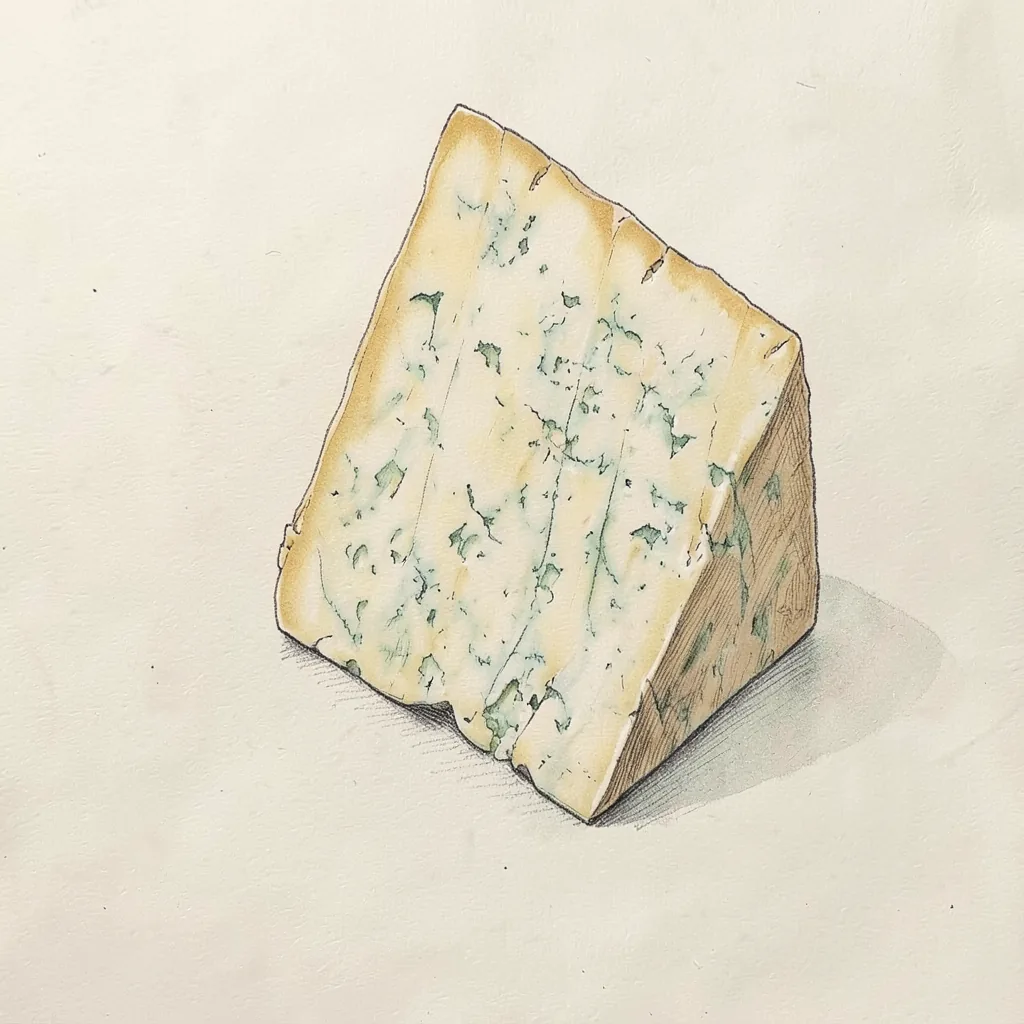
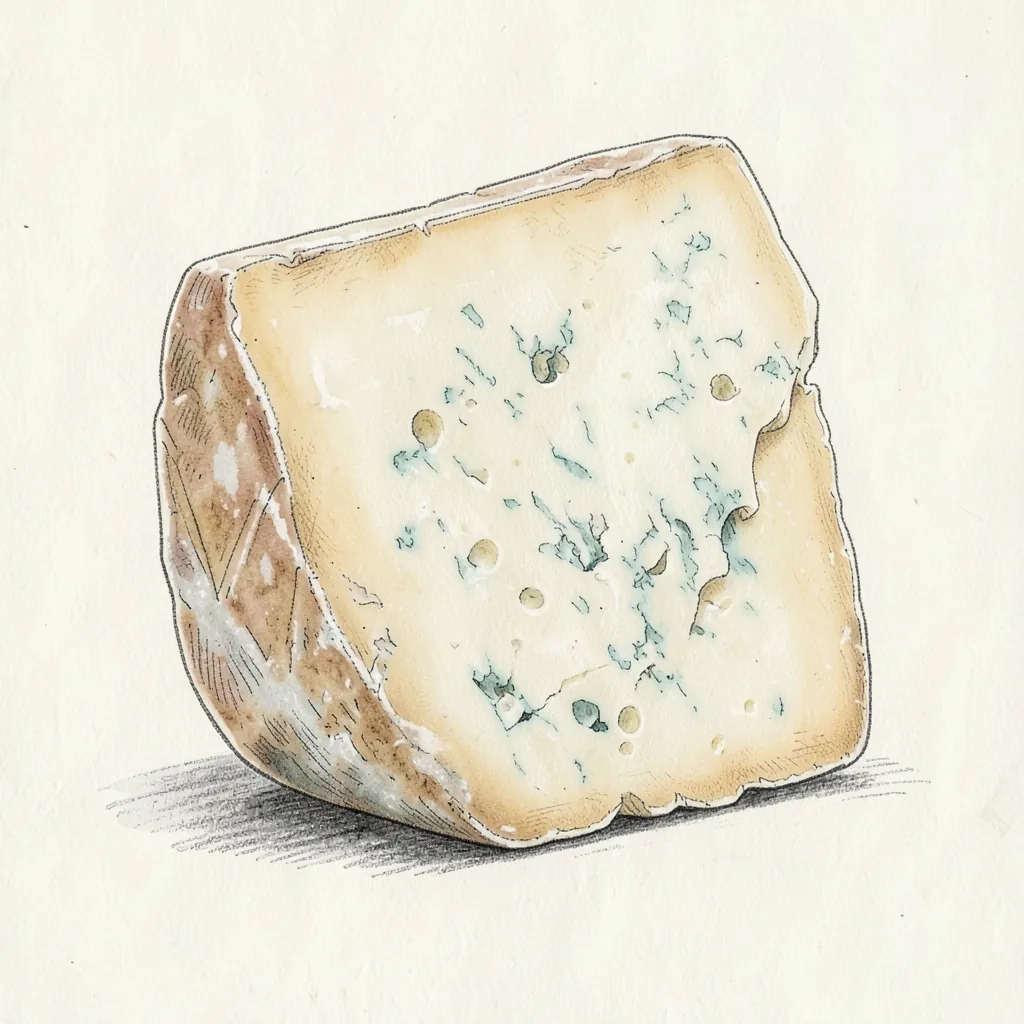
It is made from unpasteurised cow's milk in the manner of traditional Stilton. The paste is creamy and open, with blue-green veins running through a pale body. The flavor is rich, savory, and a little spicy at the finish. It exists because a raw-milk cheese of this style cannot be sold under the Stilton name.
The wheel has a natural rind and a tall cylinder shape that recalls Stilton. Inside, the blue is not a surface mold but a growth that spreads through the paste. A younger wheel is milder, sweeter, and more creamy. An older wheel is firmer, more brittle, and more intense on the palate. Both are the same cheese at different moments of ripening, and both belong on a board.
History
Stilton is the famous English blue, and its name is kept for cheese made in a set way from pasteurised milk. Cheesemakers who wanted the older raw-milk path needed another name. Stichelton takes an early spelling related to Stilton and uses it for this raw-milk wheel. The point was honest labeling, not a new flavor family. The cheese therefore sits beside Stilton in history while remaining legally separate.
The cheese is relatively new under this name, even though the raw-milk idea is old. It was revived for people who wanted the taste of unpasteurised blue cheese. Production stayed small compared with large Stilton dairies. Word spread among cheese shops and restaurants in Britain and abroad. The name is now recognized by buyers who follow British blue cheese closely.
How it is made
Makers begin with raw cow's milk and a blue-cheese culture. They form a curd, drain it, and mill it so the texture stays open. Salt is mixed through the curd, and the pieces are packed into tall cylindrical molds. The cheese is turned while it drains and the rind begins to form. Piercing later lets air in so the blue veins can grow.
The rind develops naturally and is not washed to an orange color. Aging continues until the veins are established and the paste softens between them. A cheese that is pierced too early or too late will not blue evenly. Makers taste and judge each lot before it leaves the dairy. The result is a wheel meant to be cut in wedges, not sliced thin like a hard grating cheese.
Taste
Stichelton tastes deep, buttery, and savory, with a peppery edge from the blue mold. The raw milk can give a fuller, more varied aroma than a standard pasteurised Stilton. Sweet cream and roasted nut notes often sit under the salt. The veins taste stronger than the pale paste around them. A balanced wedge includes both parts, so the bite is rich rather than only sharp.
Texture changes with age. Early on, the paste is soft and slightly crumbly, and it can feel moist and creamy on the tongue. Later, it firms and the flavor lengthens. Bitterness or a harsh ammonia smell means the wheel has gone too far. The rind is edible for people who like a firmer, earthier bite, but many trim it away.
In the kitchen
Stichelton is first a board cheese. Serve it in thick wedges with plain bread, celery, walnuts, or a slice of pear. It can be crumbled over a salad or into a baked potato. A little melts into a sauce or a rarebit, where the blue note stays clear. Do not drown it in a dish that is already very salty.
Port and a malty ale are classic partners, and a sweet dessert wine can work too. Use a firm piece for crumbling and a softer piece for spreading on warm toast. It is strong enough that a small amount flavors a whole pan of pasta. Keep it wrapped, because the blue aroma will scent other foods in the fridge. Bring it out before serving so the paste is not cold and muted.
Around the world
Stichelton is sold in specialist cheese shops in Britain and in other countries that import British cheese. It is not as widely stocked as pasteurised Stilton. Buyers who know the difference ask for it by name. Restaurants may list it on a board when they want a raw-milk blue. Because supply is limited, it can sell out at the peak of the season.
Abroad, people sometimes expect every English blue cylinder to be Stilton. Stichelton is the one to choose when raw milk and a traditional make are the goal. It can stand in for Stilton at the table, with a wilder aroma. It should not be labeled as Stilton. Fans of milder blue cheese may prefer a gentler wheel, while fans of deep blue often seek this one.