Cow
What it is
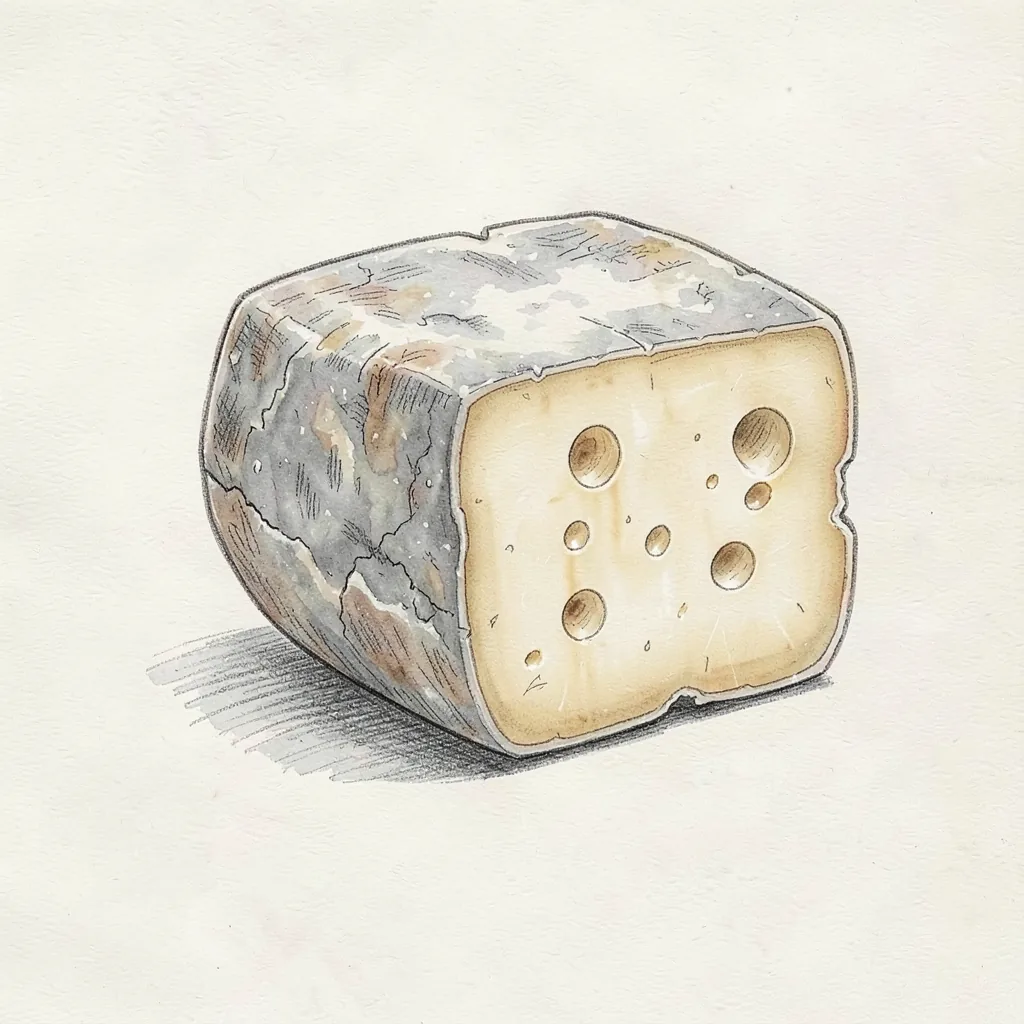
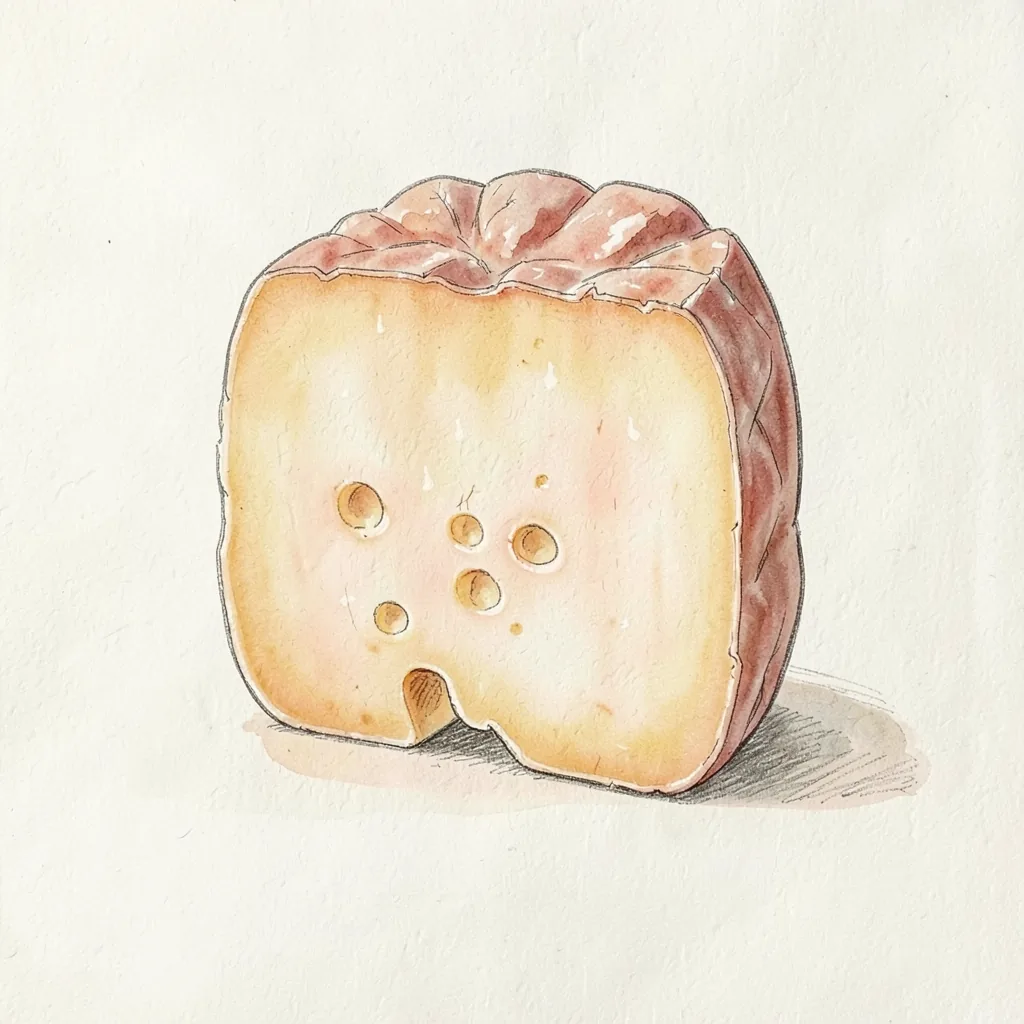
The name means sour cheese in local speech, and the taste follows that plain description. Dairies make it from skimmed milk, so the paste is lean and tangy rather than buttery or sweet. A young loaf is white and crumbly, while an older one can turn glossy on the outside and stay firmer within. It is a sour-milk cheese for the table, not a rich alpine wheel meant for a long melt.
Labels may also say Vorarlberger Sauerkäse or Montafoner Sauerkäse, sometimes beside the dialect spelling Sura Käs. Those names point to the same sour-milk tradition in this part of Austria. A very fresh piece is mild, salty, and a little like yogurt or fresh curd. A riper piece smells more yeasty and tastes sharper, with a savory edge under the acid. Eat it soon after you buy it, because this is a moist cheese for the week ahead, not a hard wheel for long storage.
History
Sour-milk cheese in the Bludenz District grew up beside butter making on farms and in mountain dairies. Cream was taken from the cow's milk, and the skimmed milk was left to sour, then worked into cheese instead of being poured away. Households kept the habit with simple vats and molds rather than with elaborate presses. The result was everyday food, lean and salty, rather than a rich feast wheel. The same broad idea shows up in other Alpine sour cheeses, which is why the family is easy to recognize.
Dialect still matters on menus in the district, where Sura Kees and Sura Käs can both appear. The cheese never needed a painted rind or a famous cellar to announce itself to local buyers. A white, curd-like interior and a sharp smell were enough. Modern Austrian dairies still make a skim-milk version for nearby sale, sometimes from pasteurized milk and sometimes in the older sour style. The old point remains: use the milk left after butter, and let acidity set the curd.
How it is made
Skimmed cow's milk is soured with lactic cultures or, in the older way, left to sour on its own. The curd is warmed gently, stirred, and scooped into molds without a long cook. It drains under its own weight until the loaf will hold, and it may be turned so more whey can leave. Salt is rubbed on the surface, and some makers dust the outside with paprika. Acidification does the setting, so this is not a rennet-cooked cheese in the alpine pressed style.
Ripening changes the outside more than a first glance at a young loaf suggests. Yeasts help the surface become glossy and translucent, a little like a soft coat, even though the cheese is usually called rindless. In a larger loaf the center can stay white and crumbly while the outer layer turns smoother and deeper in flavor. Small blocks may ripen through and become supple all the way across. A mild, bright loaf and a sharper, yeasty one can both be correctly made.
Taste
The flavor runs from clean and yogurt-like to sharp, salty, and distinctly yeasty as the loaf ripens. A young piece can suggest sour apple, buttermilk, or fresh curd, with salt already clear. An older piece smells stronger and tastes more savory, with a light bite at the finish. Because the cheese is lean, it does not coat the mouth the way a high-cream cheese does. Paprika, when it is used, adds color and a gentle spice, but the sour-milk taste should still lead the bite.
Salt is clear on the tongue, and it balances the acidity rather than covering it. The crumbly center feels dry at first, while the glossy outside tastes softer and a little fuller. There should not be a bitter burn or a blue-mold note in a sound piece. A lightly sour smell and a white, clean paste mean a younger cheese still close to curd. A bold yeasty smell and a translucent edge mean a riper one, so choose the stage that matches the plate.
In the kitchen
The usual plate is plain and sharp, and it needs very little else. Slice or crumble Sura Kees, then dress it with vinegar, oil, and raw onion. Dark bread is the common base, and boiled potatoes are another natural partner on the same plate. The sourness cuts rich food instead of adding more fat to the meal. Cooks in the district also add a little to cheese noodles when they want tang without a heavy, stretchy melt that would dull the dish.
It can stand in for a mild fresh cheese in a salad when you want more bite and less cream. Do not expect a stretchy melt or a deep browned crust from this lean loaf. Heat softens the glossy part and can strengthen the smell, so use a modest amount in a hot dish. A firm, crumbly piece can be grated over potatoes, but that is not the main use. Wrap it after opening, or the sour aroma will move into milder food stored nearby.
Around the world
Sura Kees is little known outside Austria, and many cheese cases never stock it. Travelers usually meet it in the Bludenz District, on a dairy counter or under a dialect spelling on a menu board. The lean texture, the white interior, and the sharp smell set it apart from a buttery mountain wheel in the same region. It is a poor souvenir for a long trip home, so buy it to eat soon after the purchase. Fans of other Alpine sour cheeses usually recognize the family at the first bite.
Tyrolean grey cheese is the closest substitute, and it is often named beside Sura Kees. Both are lean sour-milk cheeses with a sharp, salty character and a curd-like heart. Harzer can also stand in when you want a tangy slice for bread and onion. These cheeses look alike when the paste is white and crumbly, which is why the label matters. A loaf from the Bludenz District under the Sura Kees name is the specific cheese, and a sour cheese from another country is only a cousin.